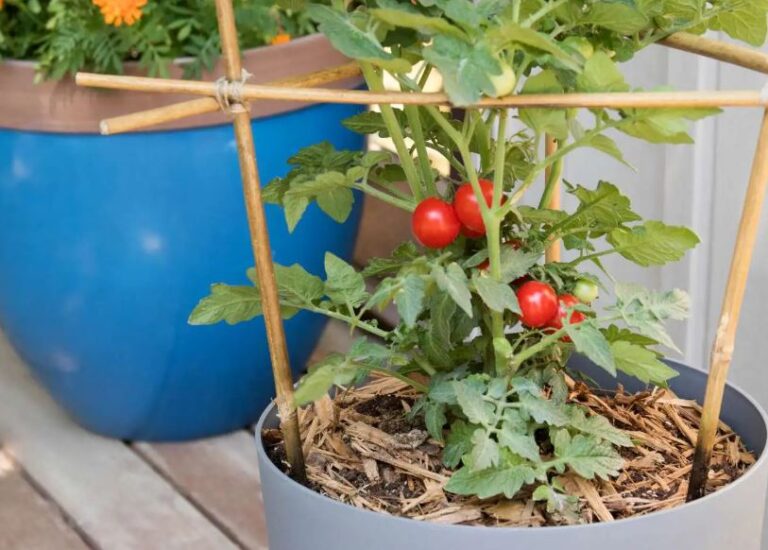
Tomatoes grow best in soil that is loose, fertile, well-draining, and rich in organic matter. The right soil helps tomato roots spread easily while providing enough moisture and nutrients for steady growth. A good tomato soil mix should not stay soggy after watering, but it should also hold enough moisture to prevent the roots from drying out. Whether you grow tomatoes in a garden bed, raised bed, pot, or grow bag, choosing the right soil can make a major difference in plant health and fruit production.
What Kind of Soil Is Best for Tomato Plants?
The best soil for tomato plants is a fertile loam that drains well while holding some moisture. Tomatoes need plenty of nutrients because they produce large plants and heavy fruit. Soil should also contain organic matter to improve its structure, water retention, and nutrient supply. Avoid dense clay soil and very sandy soil unless you improve them before planting.
Loamy Soil
Loamy soil is often ideal for tomatoes because it contains a useful balance of sand, silt, and clay. It provides good drainage while still holding moisture around the roots. Its loose texture also allows tomato roots to spread easily through the growing area.
Soil Rich in Organic Matter
Compost, aged manure, leaf mold, and other mature organic materials can improve tomato soil. Organic matter helps retain moisture, improves soil structure, and provides nutrients as it breaks down. Mix it thoroughly into the soil before planting rather than placing a thick layer directly around roots.
What Soil pH Do Tomatoes Need?
Tomatoes generally prefer slightly acidic soil, with a pH around 6.0 to 6.8. This range allows tomato roots to access important nutrients efficiently. Soil that is extremely acidic or alkaline can make certain nutrients unavailable, even when those nutrients are present. Testing your soil before planting is therefore useful.
Test Your Soil Before Planting
A simple soil test can show your current pH and provide information about nutrient levels. You can use a home soil-testing kit or send a sample to a local laboratory. Test the soil before adding large amounts of lime, sulfur, or fertilizer.
Avoid Changing pH Without a Test
Adding lime or other amendments without knowing your soil pH can create new problems. If the soil already has a suitable pH, unnecessary amendments may push it too far in the wrong direction. Test first, then make changes based on the results.
How to Make Soil for Tomato Plants
You can improve ordinary garden soil by adding compost and other suitable organic materials. The goal is not simply to make the soil extremely rich. Instead, create a balanced growing medium that drains excess water, retains enough moisture, and provides nutrients throughout the growing season.
Compost
Well-finished compost is one of the most useful amendments for tomato soil. It improves soil structure and adds organic matter. Work compost into the planting area before transplanting. Avoid fresh manure because it can damage roots and may contain excessive nutrients.
Aged Manure
Well-aged manure can add organic matter and nutrients to garden soil. It should be fully composted or aged before use. Fresh manure can be too strong for young tomato roots and may introduce unwanted pathogens or weed seeds into the garden.
Coconut Coir
Coconut coir can help improve moisture retention in container soil. It is lightweight and useful when making a homemade potting mix. However, coir does not provide all the nutrients tomatoes need, so it should be combined with nutrient-rich materials or fertilizer.
Best Soil Mix for Tomatoes in Containers
Container tomatoes need a different type of growing medium than tomatoes planted directly in garden soil. Ordinary garden soil can become compacted inside a pot and may drain poorly. A lightweight potting mix is usually a better choice because tomato roots need both moisture and plenty of air.
Potting Mix
A quality potting mix provides a good balance between drainage, moisture retention, and root aeration. Look for a mix containing materials such as peat moss or coconut coir, compost, and perlite or another drainage material. Avoid very heavy mixes that become compacted.
Perlite
Perlite helps create air spaces in container soil and improves drainage. This is useful for tomatoes because their roots need oxygen as well as water. Adding too much perlite, however, can make the mix dry too quickly, especially in hot weather.
Should You Use Garden Soil for Tomato Plants?
Garden soil can work very well for tomatoes when the native soil has good structure and drainage. However, heavy clay or extremely sandy soil may need improvement. Before planting, examine how the soil behaves after rain and watering. Soil that remains waterlogged for long periods needs better drainage.
Heavy Clay Soil
Clay soil holds a lot of water but can become compacted and poorly aerated. Adding organic matter can gradually improve its structure. Avoid simply adding a small amount of sand, as this can sometimes create an even harder mixture.
Sandy Soil
Sandy soil drains quickly but may struggle to hold moisture and nutrients. Adding compost and other organic matter can improve its water-holding capacity. Regular organic matter additions can gradually create a better environment for tomato roots.
What Nutrients Do Tomato Plants Need?
Tomatoes require several nutrients for healthy leaves, strong roots, flowering, and fruit development. Nitrogen supports leafy growth, while phosphorus and potassium contribute to root development, flowering, and overall plant function. Tomatoes also need smaller amounts of nutrients such as calcium and magnesium.
Nitrogen
Nitrogen helps tomatoes develop healthy green foliage and stems. However, excessive nitrogen can produce a large, leafy plant with fewer flowers and fruits. Use a balanced fertilizer or follow soil-test recommendations instead of adding large amounts of nitrogen.
Phosphorus and Potassium
Phosphorus supports root development and reproductive growth, while potassium plays an important role in overall plant health and fruit development. A soil test can help determine whether these nutrients are already available or whether fertilizer is needed.
How to Improve Poor Soil for Tomatoes
Poor soil does not mean you cannot grow good tomatoes. Most garden soil can be improved over time by adding organic matter, correcting drainage problems, and maintaining suitable fertility. The key is to improve the soil before planting rather than trying to fix every problem after the tomato plants are struggling.
Add Organic Matter
Adding mature compost is one of the simplest ways to improve many types of soil. It can loosen heavy soil, improve moisture retention in sandy soil, and support beneficial soil organisms. Apply it regularly rather than relying on one large application.
Improve Drainage
Tomato roots dislike constantly saturated soil. If water remains around the roots after rain, consider raised beds, planting mounds, or drainage improvements. In containers, use pots with drainage holes and a lightweight growing medium that allows excess water to escape.
Soil Mistakes to Avoid When Growing Tomatoes
Choosing good soil is only part of successful tomato growing. Some common soil mistakes can limit root development or create nutrient problems. Avoid planting tomatoes in compacted soil, using fresh manure, or keeping the roots constantly wet. Good soil should provide a balance of moisture, air, nutrients, and physical support.
Avoid Compacted Soil
Compacted soil has fewer air spaces for roots and can restrict root growth. Before planting, loosen the soil and remove large clumps. Avoid repeatedly walking on the planting area because foot traffic can compress the root zone.
Do Not Keep Soil Constantly Wet
More water does not always mean healthier tomatoes. Constantly wet soil can reduce oxygen around the roots and contribute to root problems. Water deeply when needed, then allow excess moisture to drain away before watering again.
What Is the Best Soil for Tomato Plants?
The best soil for tomato plants is loose, fertile, well-draining, and rich in organic matter, with a slightly acidic pH. Loamy garden soil works well when properly prepared, while a quality potting mix is usually better for containers.
Before planting, test your soil if possible. Add mature compost to improve soil structure and fertility, and correct drainage problems before transplanting. With the right soil, tomato roots can establish quickly and support healthy plants throughout the growing season.
Frequently Asked Questions
Can I Use Regular Garden Soil for Tomatoes?
Yes, you can use garden soil for tomatoes if it drains well and has good structure. Improve heavy clay or sandy soil with mature compost. For containers, however, a quality potting mix is generally a better choice than ordinary garden soil.
Is Potting Soil Good for Tomato Plants?
Yes. A quality potting mix is suitable for container-grown tomatoes because it is usually lighter and drains better than garden soil. Choose a mix that provides good moisture retention without becoming waterlogged.
Do Tomatoes Like Acidic Soil?
Tomatoes generally prefer slightly acidic soil, with a pH around 6.0 to 6.8. This range helps roots access nutrients effectively. A soil test can tell you whether your existing soil falls within a suitable range.
Is Compost Good for Tomato Plants?
Yes. Mature compost can improve soil structure, moisture retention, and nutrient availability. Mix it into the soil before planting. Avoid using fresh manure because it can be too strong for tomato roots.
What Is the Best Soil Mix for Tomatoes in Pots?
A good container mix should be lightweight, fertile, and well-draining. A combination based on potting mix, compost, and a material such as perlite or coconut coir can provide a suitable environment for tomato roots.
Final Thoughts
Good tomato soil does not need to be complicated. Focus on four things: good drainage, enough organic matter, suitable fertility, and a slightly acidic pH.
For garden beds, improve native soil with mature compost and fix drainage problems before planting. For containers and grow bags, use a quality potting mix rather than heavy garden soil.
Once the soil is right, tomato plants have a much better foundation for strong roots, healthy growth, flowering, and a productive harvest.

- How to Grow Microgreens Without Soil Indoors: Easy Home Method - October 5, 2026
- Microgreens vs. Sprouts: Key Differences, Nutrition, Safety, and Which One to Eat - October 5, 2026
- 10 Best Garden Tools For Weed Removal 2027 - October 3, 2026