Soil Type Suitable for Growing Tomatoes: The Best Soil for Healthy Plants
Growing healthy tomato plants starts with the soil beneath them. The soil type suitable for growing tomatoes should be loose enough for roots to spread, fertile enough to support steady growth, and well-draining enough to prevent water from sitting around the roots. Loam and sandy loam are especially useful because they can balance moisture retention with drainage. Tomatoes also prefer slightly acidic soil, generally around pH 6.0 to 6.8.
Before planting, check your soil texture, drainage, pH, and organic matter. A few simple improvements can make ordinary garden soil much more suitable for productive tomato plants.
What Soil Type Is Suitable for Growing Tomatoes?
The best soil for tomatoes is generally fertile, loose, well-draining soil that still holds enough moisture for the roots. Loamy soil is often an excellent choice because it combines sand, silt, and clay rather than being dominated by one soil type.
Tomato roots need access to both water and air. Soil that drains too quickly can leave plants thirsty, while dense, poorly draining soil can keep the root zone excessively wet.
Loamy Soil Is Ideal for Tomatoes
Loam contains a balanced mixture of sand, silt, and clay. This balance gives tomato plants several advantages.
It can hold enough moisture around the roots while allowing excess water to drain away. It also provides a loose environment where roots can spread and access available nutrients.
Good loamy soil should feel relatively crumbly rather than hard or sticky. When prepared properly, it gives tomato roots space to develop while maintaining a useful supply of moisture.
Why loam works well for tomatoes:
- Holds moisture without staying constantly soggy
- Allows excess water to drain
- Provides a good environment for root growth
- Can support fertile, nutrient-rich growing conditions
For gardeners who already have naturally good loam, only modest preparation may be needed before planting.
Sandy Loam for Tomato Plants
Sandy loam is another suitable soil type for tomatoes. Compared with heavier soils, it generally drains more quickly and warms faster in spring. These characteristics can be helpful when establishing tomato plants.
The trade-off is moisture. Very sandy soil may allow water to move through too quickly, particularly during hot or dry weather. As a result, gardeners may need to pay closer attention to watering.
Sandy loam becomes especially useful when it combines good drainage with enough organic matter to retain moisture.
Why Heavy Clay Soil Can Be a Problem
Heavy clay is much denser than loam or sandy loam. It can hold excessive water and become compacted, making it harder for tomato roots to spread.
Poor drainage is another concern. If water remains around the root zone for too long, tomato plants may struggle even when the soil contains plenty of moisture.
This does not necessarily mean tomatoes cannot be grown in clay soil. Instead, heavy clay may need improvement before it becomes a better growing environment. Adding suitable organic matter and improving soil structure can help create a more favorable root zone.
What pH Is Best for Tomato Soil?
Soil pH is another important part of choosing the right soil for tomatoes. Tomatoes generally perform best in slightly acidic soil, with your research identifying a preferred range of about 6.0 to 6.8.
pH matters because it influences how easily tomato roots can access nutrients. Even if nutrients are present in the soil, an unsuitable pH can make some of them less available to plants.
Ideal Soil pH for Tomatoes
A soil pH between 6.0 and 6.8 provides a useful target when preparing a tomato-growing area.
You do not need to guess the pH by looking at the soil. A simple soil test can give you a much clearer idea of whether your garden soil falls within the desired range.
If the pH is outside the preferred range, soil amendments may be considered based on the test results rather than added blindly.
Why Soil pH Matters
The right pH helps tomato roots make better use of available nutrients. Your research specifically highlights nutrient uptake, including important nutrients such as phosphorus and potassium.
This is one reason soil preparation should involve more than simply adding fertilizer. A productive tomato bed depends on the overall growing environment, including texture, drainage, fertility, organic matter, and pH.
What Makes Good Tomato Soil?
Good tomato soil needs more than a particular label such as “loam.” The soil should provide a combination of drainage, moisture retention, fertility, and a loose structure.
Tomatoes benefit from soil that lets roots explore the growing area while maintaining access to water and nutrients.
Good Drainage
Drainage is essential because tomato roots should not remain in saturated soil for long periods.
Well-draining soil allows excess water to move away from the root zone. Sandy loam is particularly useful in this respect because it tends to drain well and warm relatively quickly.
However, drainage does not mean the soil should dry out immediately. The goal is a balance: remove excess water while retaining enough moisture for the plant.
Moisture Retention
Tomatoes still need consistent access to water. Soil that drains extremely quickly may require frequent irrigation, especially during hot weather.
This is why a good tomato-growing medium should be both free-draining and moisture-retentive. Research in your file describes ideal tomato soil as deep, fertile, humus-rich, free-draining, and moisture-retentive.
Organic matter can be particularly useful for improving this balance.
Loose Soil Structure
Tomato roots need space to grow. Compact soil can make root development more difficult and reduce the amount of air moving through the soil.
A loose, well-prepared soil structure gives roots a better environment for development. This is especially important when working with dense garden soil.
Fertility and Organic Matter
Tomatoes are productive plants, so fertile soil is important. Adding aged manure or rich compost before planting can increase organic matter and improve the overall growing environment.
Rather than relying only on synthetic fertilizer, think about the soil as a complete growing system. Good texture, moisture management, organic matter, and appropriate fertility all work together.
How Much Organic Matter Do Tomatoes Need?
Organic matter is an important part of preparing soil for tomato plants. Compost and well-rotted organic materials can help create a richer growing environment while contributing to better soil structure.
Compost for Tomato Plants
Aged compost can be incorporated into the soil before planting. It provides organic material and can help improve the condition of the growing area.
Use mature, well-decomposed compost rather than fresh organic material directly around young tomato roots.
Aged Manure
Well-rotted manure can also be used as an organic amendment when preparing a tomato bed. The key is to use properly aged material rather than fresh manure.
Organic amendments should be mixed into the growing area before planting so the soil is prepared for the developing root system.
Organic Matter and Soil Structure
Organic matter is useful because tomato soil needs to balance several properties at once. The goal is not simply to make the soil richer; it should also remain loose, reasonably well-draining, and capable of holding moisture.
This is particularly useful when improving poor or heavily compacted soil.
What Nutrients Should Tomato Soil Have?
Tomato plants need fertile soil to support vegetative growth and fruit production. But nutrient management should be considered alongside pH and soil structure.
Essential Tomato Nutrients
A healthy tomato-growing area should provide adequate nutrients through naturally fertile soil and appropriate organic amendments or fertilizers.
Before adding large amounts of nutrients, a soil test can help identify what the soil actually needs.
Calcium and Blossom-End Rot
Calcium is often discussed in connection with blossom-end rot, a common tomato problem in which the bottom of the fruit develops a dark, damaged area.
Your research specifically identifies calcium as an important consideration for preventing blossom-end rot.
However, simply adding calcium is not always the complete answer. Consistent soil moisture and proper growing conditions also matter when managing tomato problems.
How Do You Prepare Soil for Growing Tomatoes?
Preparing the soil before planting gives tomato roots a better environment from the beginning. Start by checking the soil texture, drainage, and pH. If the soil is compacted, poorly draining, or low in organic matter, improve it before placing your tomato plants in the ground.
The goal is to create soil that is loose, fertile, well-draining, and able to retain enough moisture.
Test the Soil First
A soil test is one of the easiest ways to understand what your tomato bed actually needs. Check the pH and nutrient condition before adding large amounts of amendments.
For tomatoes, aim for a slightly acidic environment, with a pH around 6.0 to 6.8 according to the research provided.
Testing first can help you avoid adding amendments that your soil does not need.
Add Compost or Organic Matter
Mixing mature compost or aged organic material into the soil can improve the growing environment for tomato roots.
Organic matter can be particularly helpful when the existing soil is too compact, too sandy, or lacking fertility. Your research specifically recommends incorporating aged manure or rich compost before planting.
Work the amendment into the soil rather than leaving a thick layer only on the surface.
Improve Drainage
If water remains in the planting area after irrigation or rain, the soil may need better drainage.
Heavy soil can be loosened with appropriate amendments. Your source material mentions sand or perlite for improving drainage and loosening heavy soil.
Avoid creating a soil mix that drains so quickly that the tomato roots cannot access enough moisture.
Create a Loose Root Zone
Tomatoes benefit from soil that allows their roots to move through the growing area. Break up compacted soil and incorporate organic matter where appropriate.
A loose root zone allows better movement of air and water through the soil while giving roots room to develop.
How to Improve Poor Soil for Tomatoes
You do not necessarily need naturally perfect soil to grow tomatoes. In many gardens, the existing soil can be improved by addressing its main weakness.
The right solution depends on whether the soil is heavy clay, very sandy, compacted, or low in organic matter.
How to Fix Heavy Clay Soil
Heavy clay can hold too much water and become difficult for roots to penetrate. Improving its structure should be the priority.
Adding suitable organic matter can help create a better growing environment. Your research also mentions sand or perlite as options for loosening heavy soil and improving drainage.
The goal is not simply to make clay soil lighter. You want a root zone that drains excess water while retaining useful moisture.
How to Improve Sandy Soil
Sandy soil generally drains quickly, which can be helpful for tomatoes, but very sandy soil may lose moisture too rapidly.
Adding organic matter can help improve its ability to retain moisture. Gardeners using sandy soil should also pay attention to watering during hot or dry periods.
A good balance is important: tomatoes need drainage, but their roots should not repeatedly dry out.
Can Sand or Perlite Improve Soil?
Sand or perlite can be useful when the primary problem is dense or poorly draining soil. Your supplied research specifically recommends these materials for helping loosen heavy soil and improve drainage.
However, the amendment should match the actual soil problem. If your soil is already very sandy, adding more sand is unlikely to solve its main weakness.
What Is the Best Soil for Tomatoes in Pots?
Growing tomatoes in containers requires a slightly different approach because the plant depends almost entirely on the growing medium inside the pot.
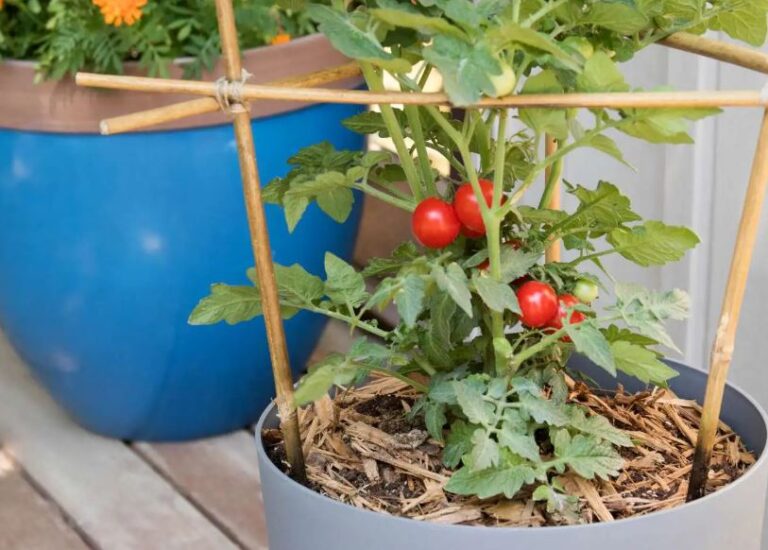
Container soil should be light, fertile, well-draining, and capable of holding enough moisture. Avoid using dense garden soil alone in a container because it may become compacted and restrict drainage.
Potting Soil vs. Garden Soil
Garden soil is designed for use in the ground, where it has a larger surrounding soil environment. Containers have limited space and drainage, so a suitable potting medium is usually a better choice.
Look for a medium that does not become hard and compact after repeated watering.
Qualities of Good Container Tomato Soil
Good container soil should provide a balance between water and air.
Look for these qualities:
- Good drainage
- Adequate moisture retention
- Organic matter
- A loose texture
- Suitable fertility
This balance becomes especially important because container plants can dry out faster than tomatoes growing in the ground.
Tomato Soil Mix for Containers
There is no single soil recipe that works for every container. The appropriate mix depends on the materials available and the size and drainage characteristics of the pot.
The key is to create a growing medium that does not remain saturated while still providing enough moisture for active tomato roots.
Best Soil for Tomatoes in Raised Beds
Raised beds give gardeners more control over the soil because the growing medium can be prepared specifically for vegetables.
Tomatoes generally perform well in raised-bed soil that is fertile, loose, moisture-retentive, and well-draining.
Soil Texture for Raised Beds
A loamy or sandy-loam texture is a strong starting point. The soil should not become sticky and compact after watering, nor should it drain so quickly that plants constantly dry out.
Organic Matter for Raised Beds
Compost is useful when preparing a new raised bed. It can increase organic matter and contribute to a healthier soil structure.
One source in your research suggests a raised-bed mix of 40% topsoil, 40% well-rotted compost, and 20% horticultural or coarse sand. Treat this as one example rather than a universal recipe for every garden.
Example Raised-Bed Soil Mix
For gardeners following that example:
| Material | Approximate Amount |
|---|---|
| Topsoil | 40% |
| Well-rotted compost | 40% |
| Horticultural/coarse sand | 20% |
The final mix should still have good drainage and enough moisture retention for tomato roots.
How Can You Tell if Tomato Soil Is Good?
You can learn a lot about your soil without complicated equipment, although a soil test provides more useful information about pH and nutrients.
Simple Soil Texture Test
Pick up a small amount of moist soil and examine how it feels.
Very sandy soil feels gritty and falls apart easily. Clay-heavy soil tends to feel sticky when wet and can form a dense ball. Loamy soil generally has a more balanced, crumbly texture.
Check Drainage
Watch how quickly water disappears after watering the planting area.
If water remains pooled around the soil for a long time, drainage may be a concern. If the soil dries extremely quickly, moisture retention may need improvement.
Look for Compaction
Compacted soil may feel hard and difficult to dig. It can also restrict root movement.
Before planting tomatoes, loosen compacted areas and incorporate suitable organic matter where needed.
Test Soil pH
A soil pH test gives you a more reliable answer than guessing. For tomatoes, your supplied research recommends approximately 6.0–6.8.
Common Tomato Soil Problems and Solutions
| Soil Problem | Possible Effect | General Solution |
|---|---|---|
| Heavy clay | Poor drainage and compact roots | Improve structure and drainage |
| Very sandy soil | Soil dries quickly | Add organic matter |
| Low organic matter | Poor soil structure | Incorporate mature compost |
| Incorrect pH | Reduced nutrient availability | Test and adjust appropriately |
| Waterlogged soil | Root stress | Improve drainage |
The important point is to identify the problem before trying to fix it. A soil test and simple observation can prevent unnecessary amendments.
Soil Type by Growing Method
The best soil approach also depends on where you are growing your tomatoes.
In-Ground Tomatoes
For garden beds, naturally fertile loam or sandy loam can provide an excellent foundation. Improve the soil if it is heavily compacted, poorly draining, or lacking organic matter.
Raised-Bed Tomatoes
Raised beds allow you to create a customized growing medium. Focus on good drainage, fertility, organic matter, and a loose texture.
Container Tomatoes
Containers need a suitable potting medium that balances drainage and moisture retention. Related searches in your research include best soil for tomatoes in pots, tomato soil mix, and how to prepare soil for tomatoes in pots.
Frequently Asked Questions
What is the best soil type for growing tomatoes?
Loamy or sandy-loam soil is generally a strong choice for tomatoes. The soil should be fertile, loose, well-draining, and capable of retaining enough moisture for the roots.
What pH should soil be for tomatoes?
Tomatoes prefer slightly acidic soil. The research provided identifies approximately 6.0 to 6.8 as a suitable pH range.
Can tomatoes grow in clay soil?
Yes, but heavy clay may need improvement. Its dense structure and poor drainage can make it difficult for tomato roots to develop properly. Improving organic matter and drainage can create better conditions.
Is sandy soil good for tomatoes?
Sandy loam can be very suitable because it drains well and warms quickly. Very sandy soil, however, may dry too quickly and may benefit from additional organic matter.
Can I use garden soil for tomatoes in pots?
Garden soil is generally not the best choice to use by itself in containers. Container tomatoes need a growing medium that provides good drainage, moisture retention, and a loose root environment.
Conclusion
The soil type suitable for growing tomatoes is generally loose, fertile, well-draining soil with good moisture retention. Loam and sandy loam are strong choices because they provide a useful balance between drainage and water-holding capacity. Tomatoes also prefer slightly acidic soil, with a pH around 6.0 to 6.8.
Before planting, test the soil, improve poor texture with appropriate amendments, and add mature compost or other suitable organic matter when needed. Whether you grow tomatoes in the ground, raised beds, or containers, the goal is the same: give the roots a fertile, well-drained, and consistently moist environment.

- 10 Best Garden Hose For Washing Trailers 2026 - October 25, 2026
- 10 Best Garden Hose For Washing Boats 2026 - October 25, 2026
- 10 Best Garden Hose For Washing Bicycles 2026 - October 25, 2026