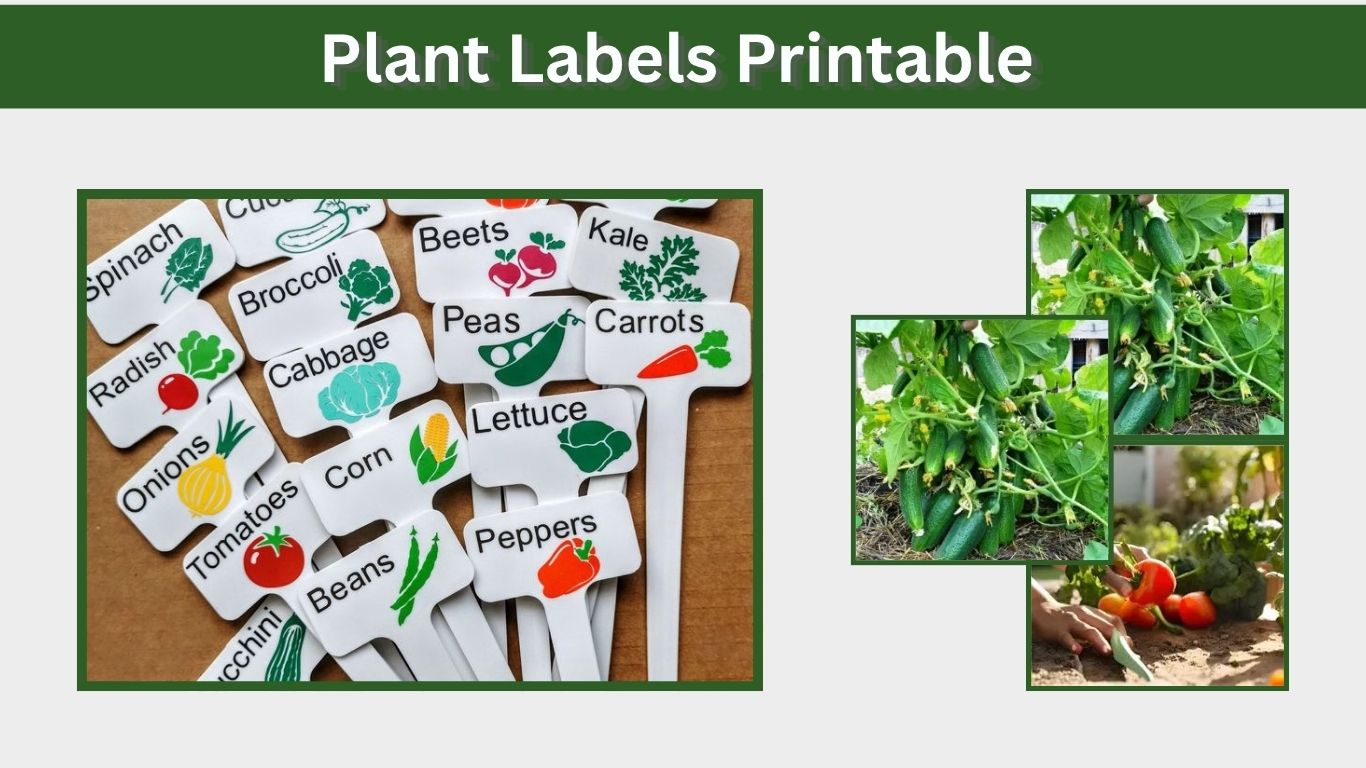
Plant Labels Printable: Free Templates, DIY Ideas & Best Materials
Plant labels printable are ready-to-print templates that help you identify plants, organize gardens, and track important growing information such as plant names, varieties, planting dates, and care instructions. They are ideal for vegetable gardens, herb pots, flower beds, indoor plants, seed trays, and classroom gardening projects. Printable labels save time, improve garden organization, and can be customized to match your gardening style.
Keeping plants labeled makes gardening easier throughout the growing season. Whether you’re starting seeds indoors, maintaining a backyard vegetable garden, or organizing houseplants, printable plant labels provide a simple and affordable solution. This guide covers free printable templates, DIY label ideas, the best printable materials, customization tips, and answers to common questions so you can create durable, attractive labels for every type of plant.
What Are Plant Labels Printable?
Printable plant labels are ready-made templates that help gardeners identify plants, seedlings, herbs, flowers, and vegetables. They can be downloaded, customized, and printed at home using standard printers. Whether you’re organizing a backyard garden or managing a greenhouse, printable labels provide a simple way to keep plant information visible and easy to read throughout the growing season.
Definition of Printable Plant Labels
Printable plant labels are digital files designed to be printed and attached to plant stakes, pots, seed trays, or garden beds. They replace plain handwritten tags with neat, consistent labels that can include plant names, varieties, and care instructions.
Key points:
- Available as PDF, Word, or editable templates
- Easy to print at home or in a print shop
- Can be customized before printing
- Suitable for indoor and outdoor gardens
- Available in various shapes and sizes
Why Gardeners Use Printable Labels
Gardeners use printable labels to keep track of different plants and reduce confusion, especially when growing multiple varieties. Labels make it easier to monitor plant growth and maintain accurate gardening records.
Benefits include:
- Quickly identify plants
- Track planting dates
- Organize garden beds
- Label seedlings and seed trays
- Improve overall garden management
Benefits Over Handwritten Tags
While handwritten tags work for small gardens, printable labels offer a cleaner and more professional appearance. They are easier to read, more consistent, and often last longer when printed on durable materials.
Advantages include:
- Professional-looking labels
- Easy-to-read text
- Consistent formatting
- Faster to create in bulk
- Simple to customize and reprint
Common Uses in Home and Professional Gardens
Printable plant labels are useful for gardeners of all experience levels. They are commonly used in home gardens, community gardens, nurseries, schools, and commercial greenhouses.
Common uses include:
- Vegetable gardens
- Herb gardens
- Flower beds
- Indoor plants
- Greenhouses
- Plant nurseries
Why Should You Use Printable Plant Labels?
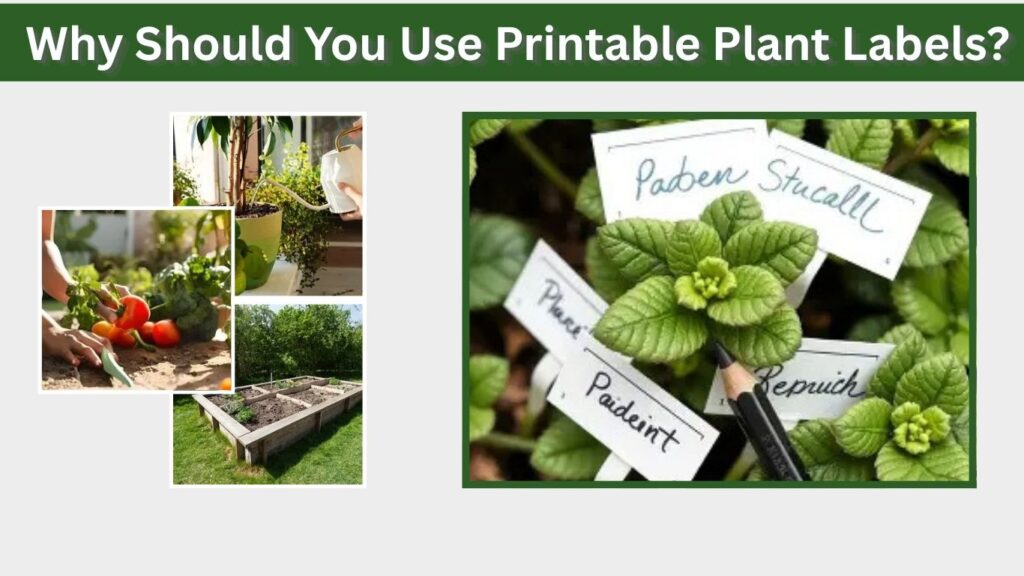
Using printable plant labels helps keep your garden organized and reduces mistakes during planting and harvesting. They provide important information at a glance, making plant care easier throughout the growing season.
Keep Plants Properly Identified
Many seedlings and young plants look almost identical, making identification difficult. Labels ensure every plant remains correctly identified from planting to harvest.
Why it matters:
- Prevents plant mix-ups
- Makes plant care easier
- Helps identify rare varieties
- Supports better garden records
- Saves time during maintenance
Prevent Planting Mistakes
Incorrect identification can lead to spacing problems, improper watering, or harvesting the wrong crop. Printable labels help eliminate these common gardening errors.
They help you:
- Plant correctly
- Apply proper care
- Avoid removing healthy plants
- Track crop rotation
- Harvest at the right time
Improve Garden Organization
A well-labeled garden looks more organized and is easier to maintain. Clear labels create structure and make it simple to locate specific plants.
Organization benefits:
- Neater garden beds
- Easier maintenance
- Better planning
- Faster plant identification
- Improved record keeping
Make Seed Starting Easier
Seed trays often contain several different varieties that appear similar during early growth. Labels help you keep each tray accurately identified.
Useful for:
- Tracking germination
- Recording sowing dates
- Comparing varieties
- Planning transplanting
- Monitoring seedling growth
What Information Should a Plant Label Include?
A useful plant label should provide enough information to identify the plant and remind you of its basic care needs. Including key details helps you manage your garden more effectively.
Plant Name
The plant name is the most important piece of information on any label. It allows you to identify plants quickly throughout the growing season.
Include:
- Common name
- Botanical name (optional)
- Easy-to-read text
- Correct spelling
- Large font size
Variety or Cultivar
Different varieties of the same plant often produce different sizes, colors, flavors, or bloom times. Including the variety helps you compare performance.
Examples:
- Roma Tomato
- Genovese Basil
- Cherokee Purple
- Mammoth Sunflower
- Sweet Banana Pepper
Planting Date
Writing the planting date helps monitor growth and estimate harvest or flowering times.
Useful for:
- Growth tracking
- Harvest planning
- Crop rotation
- Seasonal records
- Garden journals
Watering and Sunlight Requirements
Adding basic care information provides a quick reminder while working in the garden.
Examples include:
- Full sun
- Partial shade
- Keep soil moist
- Water weekly
- Drought tolerant
Harvest or Bloom Time
Including harvest or bloom information helps you know when plants will be ready.
Examples:
- Harvest in 70 days
- Blooms in summer
- Pick weekly
- Early harvest
- Late-season crop
Notes and Reminders
A small notes section allows you to record important observations throughout the season.
Possible notes:
- Fertilized
- Needs staking
- Pest resistant
- Companion planted
- Save seeds
Different Types of Printable Plant Labels
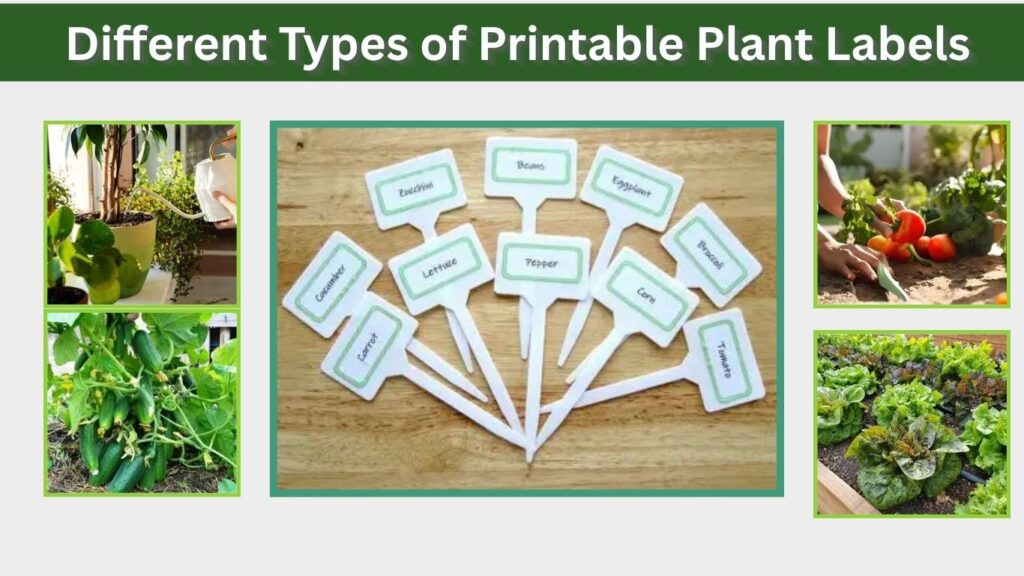
Printable plant labels come in many styles to suit different gardening projects. Choosing the right type helps improve organization and makes plant identification easier.
Vegetable Garden Labels
These labels are designed for vegetable beds, raised gardens, and containers.
Ideal for:
- Tomatoes
- Peppers
- Cucumbers
- Lettuce
- Carrots
Herb Garden Labels
Herb labels help identify culinary and medicinal herbs in kitchen gardens.
Popular herbs:
- Basil
- Mint
- Rosemary
- Thyme
- Sage
Flower Garden Labels
Flower labels identify annuals, perennials, and flowering bulbs.
Common flowers:
- Roses
- Marigolds
- Zinnias
- Tulips
- Lilies
Indoor Plant Labels
Indoor plant labels help organize houseplants and remind owners of their care needs.
Suitable for:
- Snake plants
- Pothos
- Monstera
- Spider plants
- Peace lilies
Seed Tray Markers
Seed tray markers fit small propagation trays and seed-starting containers.
Typically include:
- Plant name
- Variety
- Planting date
- Germination notes
- Tray number
Nursery Pot Labels
Nursery labels are commonly used by growers and plant retailers.
Often display:
- Plant name
- Variety
- Price
- Care instructions
- Product code
Best Materials for Printing Plant Labels
The material you choose affects how long your plant labels last outdoors. Durable materials resist water, sunlight, and everyday wear, making them ideal for long-term gardening use.
Cardstock
Cardstock is an inexpensive choice for temporary or indoor plant labels.
Advantages:
- Affordable
- Easy to print
- Thick and sturdy
- Good print quality
- Great for indoor use
Waterproof Sticker Paper
Waterproof sticker paper provides better protection against rain and watering.
Benefits:
- Water resistant
- Strong adhesive
- Bright print quality
- Easy to apply
- Long-lasting outdoors
Vinyl Labels
Vinyl labels are among the most durable options for outdoor gardens.
Features:
- Waterproof
- UV resistant
- Tear resistant
- Fade resistant
- Reusable
Laminated Paper
Laminating paper labels protects them from moisture and extends their lifespan.
Advantages:
- Prevents water damage
- Protects ink
- Easy to clean
- Affordable
- Suitable for repeated use
Plastic Plant Stakes
Plastic plant stakes provide a sturdy base for attaching printable labels and perform well in outdoor conditions.
Benefits:
- Waterproof
- Reusable
- Durable
- Weather resistant
- Available in multiple sizes
How to Print Plant Labels at Home
Printing plant labels at home is an easy and affordable way to organize your garden. With the right template, paper, printer settings, and protective finish, you can create attractive labels that are both functional and durable. Taking a few extra steps during the printing process helps ensure your labels remain readable throughout the growing season.
Choose the Right Template
Start by selecting a printable template that fits your gardening needs. Templates come in different shapes, sizes, and styles, making it easy to create labels for vegetables, herbs, flowers, or indoor plants. Choose a design with enough space for essential information while keeping the text clear and easy to read.
Tips:
- Pick a template that matches your plant type.
- Use editable files for customization.
- Leave enough writing space.
- Choose a readable font size.
- Print a test page before making multiple copies.
Select Paper Type
The paper you choose affects both appearance and durability. Regular paper works for temporary indoor use, while cardstock, waterproof paper, or vinyl provides better performance outdoors. Consider where the labels will be used before selecting the material.
Printer Settings
Proper printer settings improve print quality and make labels easier to read. Select the highest print quality available, use the correct paper setting, and print at 100% scale to ensure the template maintains its intended size.
Cutting Labels
After printing, carefully cut each label using scissors, a craft knife, or a paper cutter. Clean edges give the labels a professional appearance and make them easier to attach to stakes or pots.
Waterproofing Techniques
Outdoor labels should be protected from rain, watering, and sunlight. Laminating labels or applying clear waterproof tape can significantly extend their lifespan. Waterproof sticker paper and vinyl labels also provide excellent weather resistance.
| Material | Best Use |
|---|---|
| Cardstock | Indoor plants and short-term labels |
| Waterproof vinyl | Outdoor gardens and long-term labels |
DIY Printable Plant Labels
Creating your own printable plant labels is a fun and budget-friendly gardening project. Many everyday household items can be transformed into durable plant markers that work well in vegetable gardens, flower beds, and seed trays. DIY labels also allow you to personalize your garden while reducing waste.
Popsicle Stick Labels
Popsicle sticks are one of the simplest options for homemade plant labels. They are inexpensive, easy to write on, and ideal for seed trays or small pots. Printed labels can also be attached to the sticks using waterproof adhesive.
Ideas:
- Paint for color coding.
- Attach printed labels.
- Seal with clear varnish.
- Use permanent markers.
- Replace when worn.
Wooden Stake Labels
Wooden stakes are perfect for raised beds and outdoor gardens. They provide excellent visibility and can hold larger printable labels containing additional plant information.
Plastic Spoon Markers
Old plastic spoons make creative and durable plant markers. Their handles fit easily into the soil, while the bowl provides space for attaching printed labels or writing plant names.
Recycled Container Labels
Plastic containers, yogurt cups, and food packaging can be cut into label strips for reusable garden markers. This eco-friendly option helps reduce household waste while creating durable labels.
Stone and Rock Markers
Decorative stones and rocks can be painted or fitted with waterproof printable labels to create attractive, long-lasting garden markers. They add a natural appearance while remaining resistant to weather.
How to Make Printable Labels Last Outdoors
Outdoor conditions such as sunlight, rain, wind, and frequent watering can quickly damage ordinary labels. Choosing durable materials and protecting printed surfaces helps maintain readability throughout the growing season.
Laminate Labels
Laminating adds a protective layer that shields labels from water, dirt, and fading. It is one of the easiest ways to increase label durability without purchasing expensive materials.
Benefits:
- Prevents water damage.
- Reduces fading.
- Protects printed ink.
- Makes labels easier to clean.
- Extends label life.
Use UV-Resistant Ink
Sunlight causes many inks to fade over time. UV-resistant ink helps printed text remain sharp and readable even after months of outdoor exposure.
Protect Against Rain
Rain and regular watering can damage paper labels if they are not properly protected. Waterproof materials, laminating, or clear adhesive film help keep labels dry and readable.
Replace Faded Labels
Even durable labels eventually wear out. Check labels periodically and replace any that become difficult to read to keep your garden properly organized.
| Protection Method | Expected Durability |
|---|---|
| Laminated cardstock | One growing season or longer |
| Waterproof vinyl labels | Multiple growing seasons |
Common Mistakes to Avoid
Even well-designed printable labels can become ineffective if common mistakes are overlooked. Paying attention to materials, placement, and readability will help your labels remain useful throughout the season.
Using Non-Waterproof Paper
Regular printer paper absorbs moisture quickly and often becomes damaged after rain or frequent watering. Waterproof materials provide much better long-term performance.
Avoid these mistakes:
- Using thin paper outdoors.
- Skipping waterproof protection.
- Printing with low-quality ink.
- Ignoring weather exposure.
- Leaving labels uncovered.
Printing Tiny Text
Small text may look neat on a computer screen but becomes difficult to read in the garden. Use large, clear fonts that remain legible from a comfortable distance.
Forgetting Planting Dates
Including planting dates helps track growth, estimate harvest times, and improve future garden planning. Leaving this information off the label reduces its usefulness.
Placing Labels Incorrectly
Labels should be positioned close to the correct plant without blocking growth. Poor placement can cause confusion or make labels difficult to find during maintenance.
Frequently Asked Questions About Plant Labels Printable
Printable plant labels are popular among both beginner and experienced gardeners. Below are answers to some of the most common questions about printing, using, and maintaining garden labels.
Can I Print Plant Labels on Regular Paper?
Yes, regular printer paper can be used for indoor plants or short-term gardening projects. However, it is not recommended for outdoor use unless it is laminated or protected with waterproof covering.
Quick answers:
- Suitable for indoor use.
- Affordable option.
- Easy to print.
- Needs waterproof protection outdoors.
- Best for temporary labels.
What Is the Best Waterproof Option?
Waterproof vinyl labels and waterproof sticker paper are generally the most durable choices. They resist rain, sunlight, and frequent watering much better than standard paper.
How Long Do Printable Labels Last?
The lifespan depends on the material and weather conditions. Laminated paper labels often last one growing season, while vinyl labels can remain readable for several years.
Are Printable Labels Suitable for Seed Trays?
Yes. Printable labels are excellent for seed trays because they clearly identify different varieties during germination and early growth stages.
Can I Customize Printable Plant Labels?
Absolutely. Most printable templates can be edited to include plant names, varieties, planting dates, watering schedules, harvest information, and personal gardening notes.
Final Thoughts
Printable plant labels are an inexpensive yet highly effective tool for keeping any garden organized. Whether you grow vegetables, herbs, flowers, or houseplants, clearly labeled plants reduce confusion, improve maintenance, and create a more attractive growing space. By choosing durable materials and protecting your labels from the elements, you can enjoy neat, long-lasting plant markers throughout the year.
Choosing the Best Printable Labels
The best printable labels depend on where they will be used. Indoor gardens may only require simple cardstock labels, while outdoor gardens benefit from waterproof materials and UV-resistant printing for maximum durability.
Remember to:
- Choose durable materials.
- Print clear, readable text.
- Include important plant details.
- Protect labels from weather.
- Replace damaged markers when needed.
Keeping Your Garden Organized Year-Round
Consistent labeling makes seasonal gardening easier by helping you identify plants, monitor growth, and maintain accurate records from planting through harvest.
Simple Tips for Long-Lasting Plant Markers
Use quality printing materials, waterproof your labels, position them correctly, and inspect them regularly. These simple practices will help keep your plant markers clear, attractive, and useful for many growing seasons.

- 10 Best Saltwater Resistant Garden Hose 2026 - October 20, 2026
- 25 Tiny Backyard Patio Garden Ideas to Create a Beautiful Small Outdoor Space - October 20, 2026
- 21 Shade Garden Ideas for Small Backyards That Look Beautiful All Year - October 20, 2026