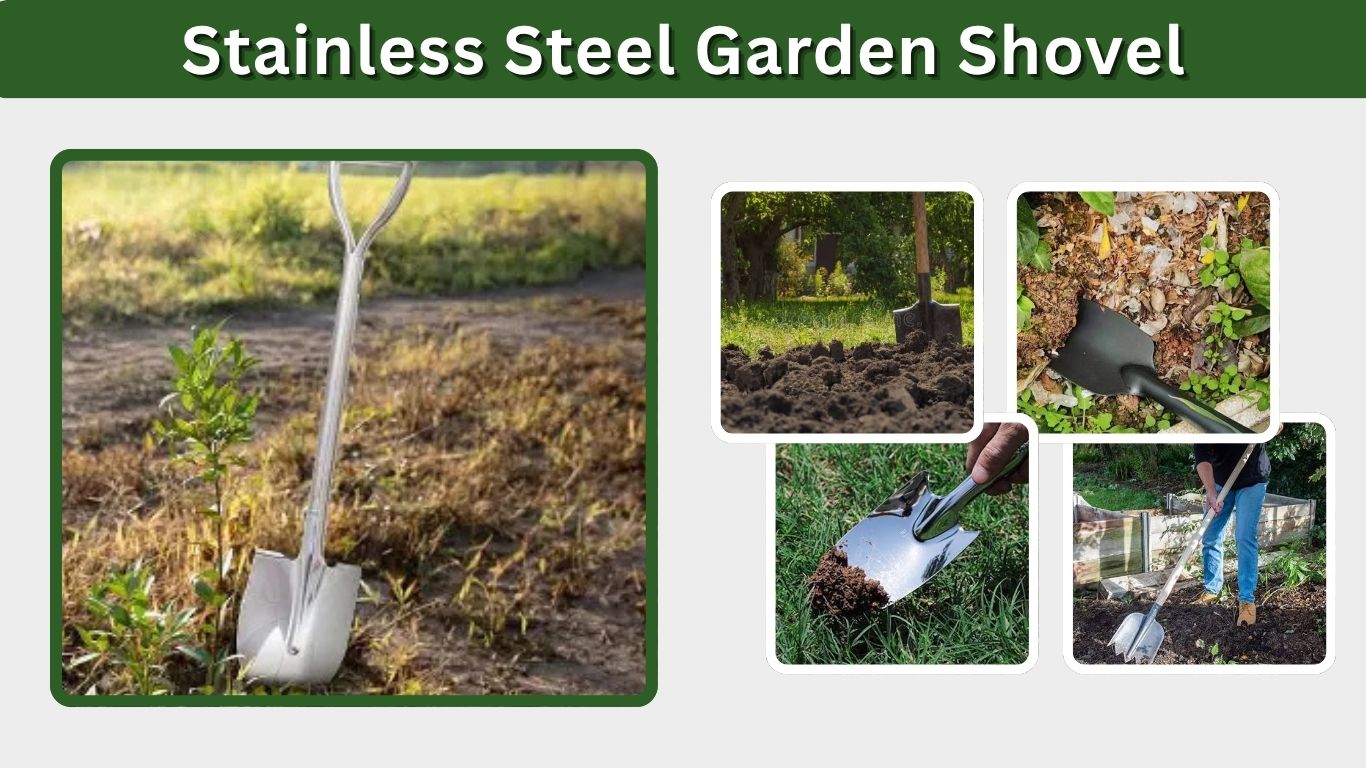
Stainless Steel Garden Shovel: Benefits, Types & Best Uses (2026)
A stainless steel garden shovel is a durable digging tool designed for planting, digging, edging, moving soil, and general landscaping. Its stainless steel blade resists rust, cuts through compact soil more easily than many coated steel alternatives, and requires less maintenance. A quality stainless steel garden shovel can last for many years when paired with a strong handle and proper care.
Whether you’re creating flower beds, planting trees, edging a lawn, or turning compost, choosing the right stainless steel garden shovel improves efficiency and reduces effort. This guide explains the different types of stainless steel shovels, their features, advantages, buying considerations, maintenance tips, and the best ways to use them. It also answers common gardening questions to help homeowners and professional gardeners choose the right tool for every project.
What Is a Stainless Steel Garden Shovel?
A stainless steel garden shovel is a durable digging tool designed for a wide range of gardening and landscaping tasks. Unlike standard steel shovels, it features a stainless steel blade that resists rust, corrosion, and staining, making it ideal for frequent outdoor use. Its smooth surface also helps soil slide off more easily, reducing effort when digging or moving wet soil.
Definition and Primary Purpose
A stainless steel garden shovel is primarily used for digging, lifting, transferring, and turning soil. It can also be used for planting trees, edging garden beds, moving compost, and handling mulch or gravel. Its corrosion-resistant blade makes it suitable for both home gardeners and professional landscapers who need a reliable tool that performs well in different soil conditions.
How a Stainless Steel Shovel Differs From Carbon Steel
While both stainless steel and carbon steel shovels are strong, stainless steel offers better resistance to moisture and rust. Carbon steel blades are often slightly harder but require regular maintenance to prevent corrosion. Stainless steel, on the other hand, remains cleaner, needs less upkeep, and performs especially well in damp environments.
Common Gardening and Landscaping Applications
A stainless steel garden shovel is one of the most versatile tools in the garden. It can handle everyday digging as well as heavier landscaping projects, making it a practical choice for many outdoor tasks.
| Application | Typical Use |
|---|---|
| Gardening | Digging planting holes, turning soil, transplanting shrubs |
| Landscaping | Moving gravel, mulch, compost, sand, and creating garden beds |
Who Should Use a Stainless Steel Garden Shovel?
This type of shovel is suitable for gardeners of all experience levels. Whether maintaining a small backyard or working on large landscaping projects, the tool provides dependable performance with minimal maintenance.
Why Choose a Stainless Steel Garden Shovel?
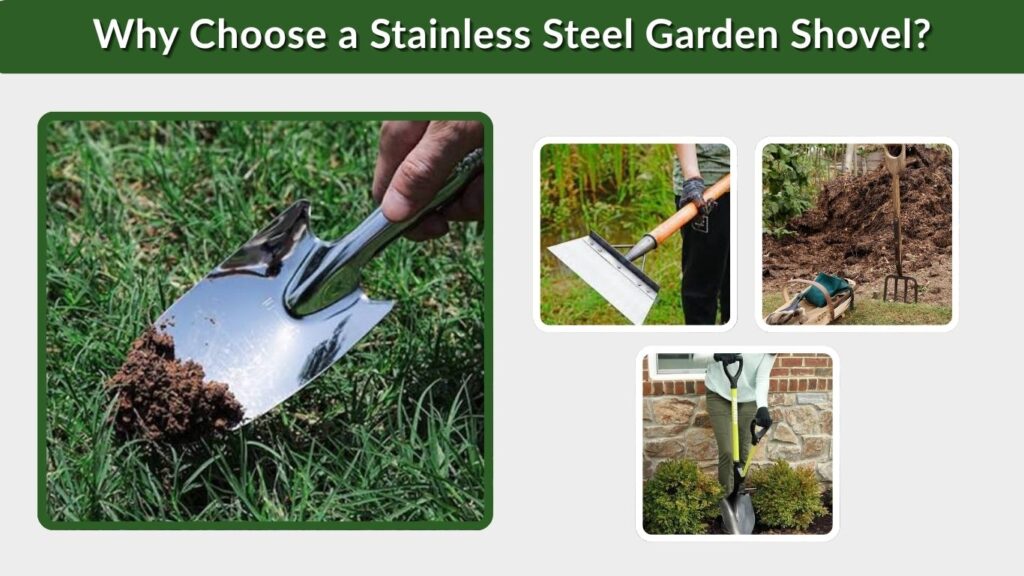
Choosing a stainless steel garden shovel offers several advantages over traditional digging tools. Its corrosion-resistant construction, smooth blade, and long lifespan make it a worthwhile investment for gardeners who regularly work in various soil conditions.
Superior Rust and Corrosion Resistance
One of the biggest benefits of stainless steel is its excellent resistance to rust. Unlike ordinary steel, it withstands repeated exposure to rain, irrigation, and humid conditions without developing significant corrosion. This makes it especially useful for outdoor storage and year-round gardening.
Smooth Blade for Easier Soil Penetration
The polished stainless steel blade creates less friction when digging. Soil releases more easily from the blade, allowing smoother penetration into loose, moist, or moderately compacted ground while reducing the amount of soil that sticks during use.
Long-Lasting Durability With Minimal Maintenance
A quality stainless steel shovel is built to withstand years of regular gardening. Since the blade naturally resists corrosion, it requires less cleaning and maintenance than many other shovel materials. Simple rinsing and occasional inspection are usually enough to keep it in excellent condition.
Cleaner Performance in Wet, Clay, and Muddy Soil
Wet soil often clings to ordinary shovel blades, making digging more difficult. Stainless steel’s smoother surface helps reduce soil buildup, allowing gardeners to work more efficiently in clay, mud, or freshly watered beds.
What Are the Different Types of Stainless Steel Garden Shovels?
Different gardening tasks require different shovel designs. Blade shape, width, and overall construction determine how well a shovel performs for digging, transferring materials, or creating trenches.
Round-Point Digging Shovels
Round-point shovels are designed for breaking ground and digging into compacted soil. Their pointed tip concentrates force, making it easier to penetrate tough ground while planting trees, shrubs, or large perennials.
Square-Point Transfer Shovels
Square-point shovels are best suited for lifting and moving loose materials rather than digging. Their flat blade efficiently transfers compost, mulch, sand, gravel, soil, and other landscaping materials.
Drain and Trench Shovels
Drain and trench shovels feature long, narrow blades that create clean, deep trenches with minimal soil disturbance. They are commonly used for installing irrigation systems, drainage pipes, landscape edging, and underground cables.
Border and Landscaping Shovels
Border shovels have shorter blades and compact designs, making them ideal for working in flower beds, tight garden spaces, and decorative landscapes. They provide excellent control for precise digging and edging.
Which Features Matter Most When Buying One?
Selecting the right stainless steel garden shovel involves more than simply choosing a strong blade. Material quality, handle design, weight, and overall balance all contribute to comfort, efficiency, and long-term durability.
Blade Thickness and Stainless Steel Grade
The blade is the most important part of any shovel. Thicker stainless steel blades generally provide greater strength and resist bending under heavy use. Higher-quality stainless steel grades also improve corrosion resistance and overall longevity.
Handle Materials and Ergonomic Grip
The handle affects both comfort and control. Hardwood handles offer a traditional feel, fiberglass provides lightweight durability, and steel-reinforced handles maximize strength. Ergonomic grips help reduce hand fatigue during extended digging sessions.
Shaft Construction and Reinforced Connections
A well-built shaft distributes force evenly between the handle and blade. Reinforced joints and secure welds reduce the likelihood of loosening or breakage when working in rocky or compacted soil.
Blade Size, Weight, and Balance
The right combination of blade size and overall weight improves digging efficiency while reducing strain on the user. A properly balanced shovel feels comfortable to lift, penetrate soil smoothly, and maintain control throughout extended gardening tasks.
| Feature | Why It Matters |
|---|---|
| Blade quality | Improves strength, digging performance, and corrosion resistance |
| Weight and balance | Reduces fatigue while improving comfort and control |
How Do You Choose the Right Stainless Steel Garden Shovel?
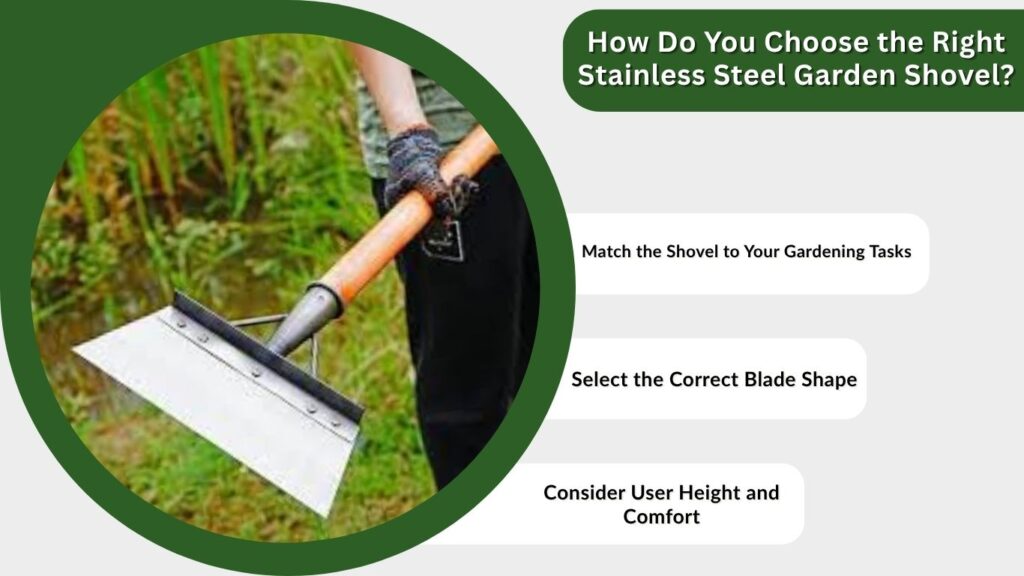
The ideal stainless steel garden shovel depends on your gardening style, soil conditions, and the tasks you perform most often. Evaluating these factors before purchasing helps ensure you select a tool that offers both comfort and long-term value.
Match the Shovel to Your Gardening Tasks
Choose a shovel based on how you plan to use it. Digging compacted soil requires a different blade than moving mulch or compost. Matching the tool to the job improves efficiency and reduces unnecessary strain.
Select the Correct Blade Shape
Blade shape plays a major role in performance. Round-point blades excel at digging, square-point blades handle material transfer efficiently, and narrow trenching blades create precise channels for drainage or irrigation projects.
Consider User Height and Comfort
A shovel should fit the user’s height to reduce back strain and improve posture while digging. Comfortable grip design, appropriate handle length, and balanced weight all contribute to easier, safer operation during long gardening sessions.
Compare Durability, Warranty, and Price
Before purchasing, compare build quality, manufacturer warranties, and overall value rather than focusing solely on price. A well-constructed stainless steel shovel often lasts many years, making it a more economical investment than repeatedly replacing lower-quality tools.
How to Use a Stainless Steel Garden Shovel Correctly
Using a stainless steel garden shovel correctly improves digging efficiency, reduces physical strain, and extends the tool’s lifespan. Proper technique allows you to work faster while minimizing unnecessary wear on both the blade and handle. Whether you’re planting flowers, moving compost, or preparing new garden beds, using the shovel for its intended purpose delivers the best results.
Digging Planting Holes Efficiently
When digging planting holes, position the shovel vertically and use your foot to apply steady pressure to the blade. Remove soil in small sections instead of forcing large amounts at once. This approach creates cleaner planting holes and places less stress on the tool while making digging easier in compacted soil.
Moving Soil, Compost, and Mulch
A stainless steel shovel easily transfers loose materials such as topsoil, compost, mulch, sand, and gravel. Scoop moderate loads rather than overfilling the blade, as smaller loads improve control and reduce fatigue during repetitive tasks.
Cutting Lawn Edges and Roots Safely
The sharp edge of a stainless steel blade can trim lawn borders and cut through small roots with clean, controlled movements. For thicker roots, work gradually instead of forcing the blade to prevent unnecessary strain on the shovel.
Reducing Strain With Proper Digging Techniques
Using proper body mechanics makes digging more comfortable and helps prevent muscle fatigue or injury during extended gardening sessions.
Best practices:
- Keep your back straight while digging.
- Bend your knees instead of your waist.
- Use your foot to drive the blade into the soil.
- Lift moderate amounts of soil at a time.
- Alternate sides to reduce repetitive strain.
| Gardening Task | Recommended Shovel Technique |
|---|---|
| Digging planting holes | Apply steady foot pressure and remove soil gradually |
| Moving compost or mulch | Scoop moderate loads and lift with proper posture |
How Do You Maintain a Stainless Steel Garden Shovel?
Although stainless steel requires less maintenance than many other metals, regular care helps preserve its appearance and performance. Cleaning the shovel after use, protecting the handle, and storing it properly can significantly extend its working life.
Cleaning After Each Use
After gardening, remove soil, mud, and plant debris from the blade using water and a soft brush. Dry the shovel thoroughly before storage to keep both the blade and handle in excellent condition.
Preventing Scratches and Corrosion
While stainless steel resists rust, deep scratches may collect dirt and moisture over time. Avoid scraping the blade against concrete or rocks whenever possible, and inspect the surface periodically for signs of wear.
Caring for Wooden and Fiberglass Handles
Wooden handles benefit from occasional sanding and protective oil treatments to prevent drying and cracking. Fiberglass handles require less maintenance but should still be cleaned regularly and inspected for chips or structural damage.
Proper Storage for Longer Tool Life
Store the shovel indoors or under cover whenever possible. Hanging the tool or placing it on a storage rack helps protect the blade and keeps the handle dry between uses.
What Are the Pros and Cons of Stainless Steel Garden Shovels?
Stainless steel garden shovels are known for their durability, corrosion resistance, and smooth digging performance. However, like any gardening tool, they also have a few limitations that should be considered before purchasing.
Major Advantages for Home Gardeners
Stainless steel shovels offer several practical benefits that make them a favorite among both beginner and experienced gardeners.
Advantages include:
- Excellent rust resistance.
- Smooth soil release.
- Easy maintenance.
- Long service life.
- Attractive professional appearance.
Potential Disadvantages to Consider
Although highly durable, stainless steel shovels are often more expensive than basic steel models. Some premium versions may also weigh slightly more depending on their construction and blade thickness.
Stainless Steel vs Coated Steel Comparison
Both stainless steel and coated steel perform well in the garden, but stainless steel generally offers superior corrosion resistance and requires less maintenance over time.
| Stainless Steel | Coated Steel |
|---|---|
| Naturally corrosion resistant | Protective coating may wear off |
| Requires minimal maintenance | May require repainting or coating repair |
When Another Shovel Type May Be Better
In certain situations, another shovel design may provide better performance. Lightweight transfer shovels are ideal for moving loose materials, while heavy-duty carbon steel digging shovels may be preferred for breaking extremely rocky or compacted ground.
Common Mistakes to Avoid When Using a Garden Shovel
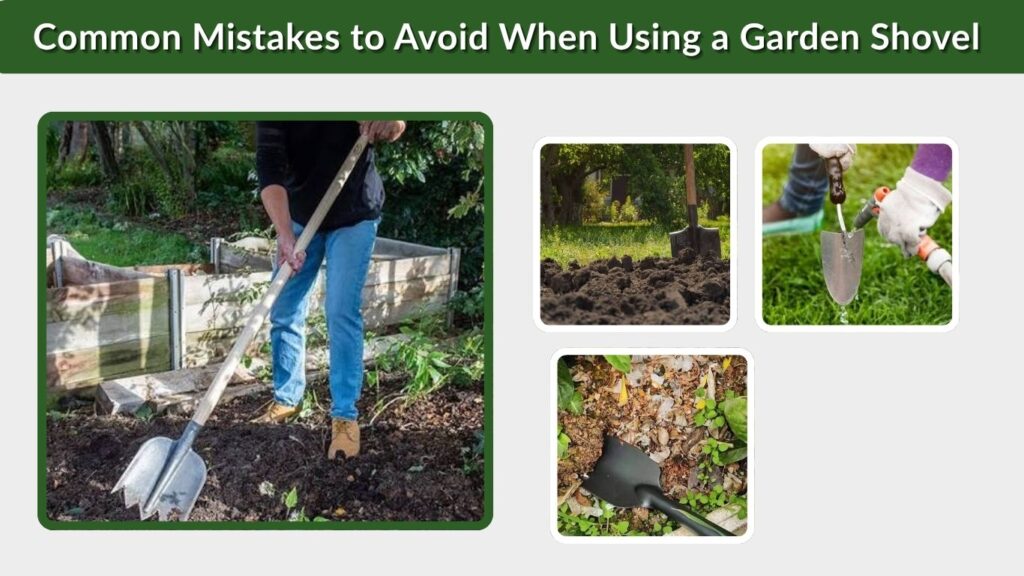
Many shovel problems result from improper use rather than poor manufacturing. Avoiding a few common mistakes helps improve safety, extends tool life, and makes gardening more efficient.
Using the Wrong Shovel for the Task
Different shovel designs serve different purposes. Using a transfer shovel for digging or a trench shovel for lifting heavy loads can reduce efficiency and increase wear on the tool.
Digging in Rocky Soil Without Preparation
Attempting to force the shovel into rocky ground increases the risk of damaging the blade or handle. Loosening the soil first with a digging bar or garden fork often makes the job easier and safer.
Ignoring Handle Maintenance
Loose bolts, cracked wooden handles, or damaged fiberglass shafts should be repaired promptly. Regular inspections help prevent unexpected failures during heavy digging.
Leaving the Shovel Outdoors Year-Round
Continuous exposure to sunlight, rain, and freezing temperatures shortens the lifespan of both the blade and handle. Proper storage keeps the tool in better condition for future gardening seasons.
Frequently Asked Questions About Stainless Steel Garden Shovels
Many gardeners have questions about the durability, performance, and value of stainless steel garden shovels. The answers below address some of the most common concerns.
Is Stainless Steel Better Than Carbon Steel for Gardening?
For most home gardeners, stainless steel is an excellent choice because it resists rust, requires less maintenance, and stays cleaner during regular use. Carbon steel may offer slightly greater hardness, but it usually needs more care to prevent corrosion.
Can a Stainless Steel Shovel Cut Through Roots?
Yes. A sharp stainless steel blade can cut through small roots and fibrous plant material effectively. For large tree roots, specialized cutting tools such as a mattock or root saw are generally more appropriate.
How Long Does a Stainless Steel Garden Shovel Last?
A well-made stainless steel garden shovel can last for many years when properly maintained. Regular cleaning, correct storage, and avoiding misuse all contribute to a longer service life.
Is a Stainless Steel Shovel Worth the Higher Price?
For gardeners who use their shovel frequently, the higher initial cost is often justified by improved durability, lower maintenance requirements, and better long-term performance.
Quick facts:
- Excellent long-term value.
- Requires minimal maintenance.
- Resists rust naturally.
- Performs well in wet soil.
- Suitable for frequent gardening.
Final Thoughts
A stainless steel garden shovel is a dependable investment for gardeners who want a durable, low-maintenance digging tool. Its corrosion resistance, smooth digging performance, and long lifespan make it suitable for everything from planting flowers to large landscaping projects. Choosing the right design and caring for it properly ensures years of reliable service.
Best Choice for Long-Term Garden Performance
High-quality stainless steel shovels combine strength, comfort, and corrosion resistance, making them one of the best options for gardeners seeking reliable long-term performance in a wide variety of soil conditions.
Matching Shovel Type to Gardening Needs
Selecting the correct shovel depends on the work you perform most often. Round-point models are ideal for digging, square-point shovels excel at transferring materials, and trench shovels are designed for narrow excavation tasks.
Maintenance Tips for Maximum Lifespan
Routine cleaning, proper storage, occasional handle inspection, and careful use will help preserve both the blade and handle for many gardening seasons.
Key Takeaways Before Buying
Before purchasing a stainless steel garden shovel, consider the blade design, handle material, overall weight, construction quality, and warranty. Matching these features to your gardening needs will help you choose a tool that delivers reliable performance and lasting value.
Buying checklist:
- Choose the right blade shape.
- Look for quality stainless steel construction.
- Select a comfortable ergonomic handle.
- Check warranty coverage.
- Compare durability with overall price.

- 10 Best Saltwater Resistant Garden Hose 2026 - October 20, 2026
- 25 Tiny Backyard Patio Garden Ideas to Create a Beautiful Small Outdoor Space - October 20, 2026
- 21 Shade Garden Ideas for Small Backyards That Look Beautiful All Year - October 20, 2026