Cherry Tomato vs. Grape Tomato Yield: Which Produces More?
If you are growing tomatoes at home, you may wonder whether cherry tomatoes or grape tomatoes will give you the bigger harvest. Both can be highly productive, but the answer depends on the variety, plant size, growing season, sunlight, watering, and general care. Cherry tomatoes are usually round, juicy, and sweet, while grape tomatoes are more oval, firm, and meaty. Some cherry varieties produce huge clusters of fruit, while productive grape varieties can keep you picking tomatoes for weeks. Instead of choosing only by tomato type, look at the specific variety and growing conditions. That is where the biggest difference in yield usually comes from.
Cherry Tomato vs. Grape Tomato: Quick Comparison
| Feature | Cherry | Grape |
|---|---|---|
| Shape | Round | Oval |
| Texture | Juicy | Firm |
| Skin | Thin | Thicker |
| Flavor | Sweet, juicy | Sweet, concentrated |
| Yield | High | High |
| Best use | Fresh eating | Salads, roasting |
What Is the Yield Difference Between Cherry and Grape Tomatoes?
There is no simple rule saying cherry tomatoes always produce more than grape tomatoes. Both types can give you a surprisingly large harvest when the plants have good sunlight, healthy soil, regular water, and enough room to grow. The variety matters a lot.
A vigorous cherry tomato can produce hundreds of small fruits during a long growing season. Grape tomatoes can also produce heavy clusters and keep producing regularly. However, counting individual tomatoes can be misleading. A plant may produce more fruits but less total weight because the fruits are smaller.
Cherry Tomatoes Can Produce Heavy Crops
Cherry tomatoes are well known for producing lots of small fruits. Indeterminate varieties can continue growing and flowering throughout a long season.
Grape Tomatoes Can Also Be Very Productive
Grape tomatoes should not be overlooked if your main goal is harvest. Their compact fruits often grow in clusters, giving gardeners plenty to pick.
Variety Matters More Than the Name
A highly productive grape variety can easily outperform a less productive cherry variety. Always check the expected growth habit and maturity information before choosing seeds.
Compare Your Harvest by Weight
- Weigh each harvest rather than counting only the fruits.
- Record the harvest from each plant separately.
- Compare total usable fruit at the end of the season.
- Grow both types under similar conditions for a fair test.
How Many Tomatoes Can One Plant Produce?
The number of tomatoes produced by one plant can vary dramatically. A small container plant will usually have a different harvest from a large indeterminate plant growing in a sunny garden bed. Weather, soil fertility, plant health, and variety all play a role.
Cherry tomatoes often produce a large number of fruits because each tomato is small. Grape tomatoes can also produce many fruits, but the number will depend on the variety and growing conditions.
Cherry Tomato Fruit Count
A productive cherry tomato plant can produce a steady stream of tomatoes. Once the plant starts producing, you may find yourself picking ripe fruit every few days.
Grape Tomato Fruit Count
Grape tomatoes can also produce impressive clusters. Their fruits are usually small enough that a healthy plant can carry many tomatoes at the same time.
Fruit Count Does Not Tell the Whole Story
Suppose one plant gives you 300 tiny tomatoes and another gives you 200 larger tomatoes. The second plant could still produce more total weight. This is why gardeners should consider both fruit count and harvest weight.
Keep a Simple Harvest Record
- Write down the variety you planted.
- Record each harvest date.
- Weigh the tomatoes after picking.
- Remove damaged fruit from the marketable harvest total.
How Fruit Size Affects Tomato Yield
Fruit size is another important part of the cherry versus grape tomato comparison. Cherry tomatoes are generally round, while grape tomatoes are usually oval or elongated. Individual varieties can vary considerably, so there is no single size that applies to every plant.
If you want lots of tomatoes for snacking, fruit count may matter more to you. If you want tomatoes for cooking or selling, total weight may be more useful.
Cherry Tomatoes Are Usually Round
Cherry tomatoes often have a round shape and juicy interior. Some varieties are quite small, while others are noticeably larger.
Grape Tomatoes Are Usually Oblong
Grape tomatoes have an elongated shape that resembles a small grape. Their flesh is often denser and less watery than cherry tomatoes.
Bigger Fruits Can Change the Yield Calculation
A plant producing fewer fruits does not necessarily have a smaller harvest. Larger fruits can add weight quickly, so compare the total pounds or kilograms harvested.
Think About Your Garden Goal
- Choose fruit count if you enjoy frequent snacking.
- Choose total weight if you want a heavier harvest.
- Choose smaller fruits for easy salads and lunch boxes.
- Choose firmer fruits if you plan to cook or roast them.
Which Tomato Variety Can Produce More?
The variety you plant can make a bigger difference than whether the tomato is classified as cherry or grape. Some varieties are naturally vigorous and produce long clusters of fruit. Others are bred for compact growth, early harvests, flavor, or disease resistance.
When shopping for seeds, look beyond the picture on the packet. Check whether the plant is determinate or indeterminate, how long it takes to mature, and how much space it needs.
Productive Cherry Tomato Varieties
Popular cherry choices include varieties such as Supersweet 100, Sungold, and Black Cherry. They are valued by many gardeners for their flavor and productive growth.
Productive Grape Tomato Varieties
Grape-type choices include varieties such as Juliet and other productive elongated tomatoes. Look at the specific variety description because growth habits can differ.
Indeterminate Plants Can Produce for Longer
Indeterminate tomatoes continue growing and producing new flowers during suitable weather. They usually need sturdy support because the vines can become large.
Determinate Plants Have a Different Growth Habit
- Determinate plants usually stay more compact.
- Their main crop often arrives within a shorter period.
- They can be useful where space is limited.
- Check the variety description before planting.
Cherry Tomatoes vs. Grape Tomatoes for Container Growing
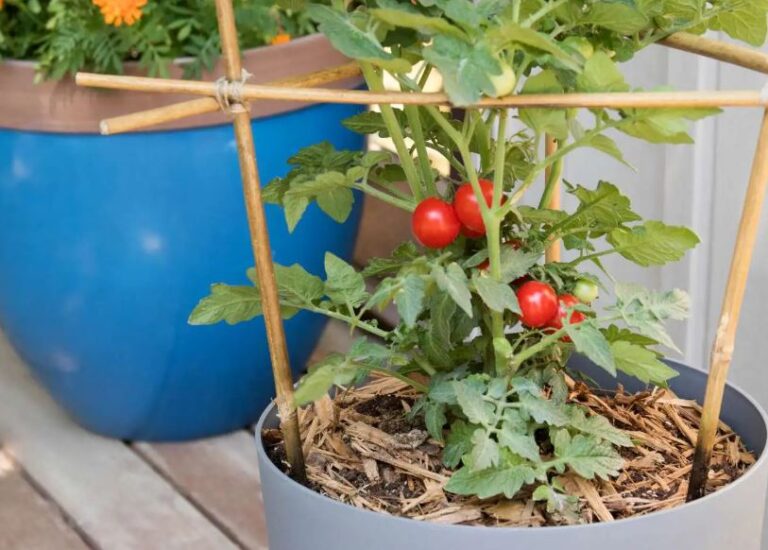
Both cherry and grape tomatoes can grow well in containers. The main challenge is giving the plant enough root space, sunlight, water, and support. A small pot may look convenient at first, but a vigorous tomato can quickly outgrow it.
For balconies, patios, and small gardens, compact varieties are often easier to manage. Large indeterminate plants can still grow in containers, but they require more attention.
Cherry Tomatoes in Containers
Cherry tomatoes are popular container plants because many varieties produce small fruits that are easy to harvest. Compact varieties are particularly useful for smaller spaces.
Grape Tomatoes in Containers
Grape tomatoes can also perform well in pots. Choose a variety that matches the size of your container and provide support as the plant grows.
Container Size Matters
A tomato plant needs enough room for its roots. Small containers can dry out quickly and may not provide enough space for vigorous plants.
Container Growing Tips
- Use a container with drainage holes.
- Choose a quality potting mix.
- Place the pot in a sunny location.
- Check moisture regularly because pots dry out faster than garden soil.
How Sunlight Affects Tomato Yield
Sunlight is one of the most important factors affecting tomato production. Both cherry and grape tomatoes need plenty of direct light for strong growth, flowering, and fruit development.
A plant that receives too little light may become tall and weak instead of producing a heavy crop. If your garden has limited sunlight, choose the brightest location available.
Cherry Tomatoes Need Plenty of Light
Cherry tomato plants perform best when they receive strong sunlight during the growing season. Good light supports healthy foliage and fruit production.
Grape Tomatoes Need Sun Too
Grape tomatoes are not shade-loving plants. Give them a sunny location and avoid planting them where larger crops will block the light.
Avoid Crowded Planting
Plants packed too closely together can compete for light and airflow. Crowding can also make it harder to inspect the leaves and fruit.
Improve Light Exposure
- Choose the sunniest part of your garden.
- Keep tall plants from shading tomatoes.
- Use suitable spacing between plants.
- Train or support vines so foliage is not lying on the ground.
How Watering Affects Cherry and Grape Tomato Yield
Tomatoes need consistent moisture, particularly when they are flowering and producing fruit. Uneven watering can stress plants and may contribute to fruit cracking. This can be especially noticeable with juicy tomato varieties.
The goal is not to keep the soil constantly wet. Instead, provide steady moisture while allowing excess water to drain away.
Cherry Tomatoes and Water
Cherry tomatoes contain plenty of juice, so consistent watering is useful during fruit development. Sudden changes in soil moisture can cause some fruits to split.
Grape Tomatoes and Water
Grape tomatoes also need regular moisture. Their firmer skins can make them feel tougher, but they still need healthy roots and consistent growing conditions.
Avoid Overwatering
Too much water can create poorly drained conditions around the roots. This can cause root problems and weaken the plant.
Simple Watering Habits
- Check the soil before watering.
- Water deeply rather than giving tiny amounts frequently.
- Water near the base of the plant.
- Increase attention during hot and dry weather.
Does Fertilizer Increase Tomato Production?
Good nutrition supports healthy tomato plants, but more fertilizer does not automatically mean more tomatoes. Overfeeding can cause excessive leafy growth, especially when plants receive too much nitrogen.
Tomatoes need several nutrients throughout their growth. A soil test can help you understand what your garden actually needs. For containers, use a fertilizer suitable for vegetables and follow the label instructions.
Feed Cherry Tomato Plants Carefully
Cherry tomato plants need enough nutrition to support continuous growth and fruit production. Avoid adding extra fertilizer simply because the plant looks large.
Feed Grape Tomato Plants Carefully
Grape tomatoes have similar nutritional needs. Container plants may require regular feeding because nutrients can leave the container when you water.
Too Much Nitrogen Can Be a Problem
A plant covered with large green leaves may look healthy, but excessive nitrogen can encourage foliage rather than balanced fruit production.
Better Fertilizer Practices
- Start with healthy soil.
- Use a suitable tomato fertilizer.
- Follow the recommended application rate.
- Avoid adding several fertilizers at the same time without knowing what your soil needs.
Cherry Tomato vs. Grape Tomato: Taste and Kitchen Use
Yield is important, but what you do with the harvest matters too. Cherry tomatoes are usually juicy and sweet, making them excellent for eating fresh. Grape tomatoes are often firmer and less watery, which makes them useful for roasting and cooked dishes.
There are exceptions, of course. Tomato flavor varies considerably between varieties, and growing conditions can also affect sweetness and overall taste.
Cherry Tomatoes for Fresh Snacks
Cherry tomatoes are easy to eat straight from the garden. Their juicy texture makes them especially enjoyable when picked fully ripe.
Grape Tomatoes for Roasting
Grape tomatoes hold their shape well during cooking. Their firmer flesh makes them a good choice for roasting, pasta dishes, and cooked salads.
Cherry Tomatoes for Salads
Their round shape and bright colors can make salads look appealing. You can use red, yellow, orange, purple, or striped cherry varieties.
Grape Tomatoes for Everyday Cooking
- Add them to salads.
- Roast them with vegetables.
- Use them in pasta dishes.
- Slice them for sandwiches and wraps.
How to Get a Bigger Tomato Harvest
If you want more tomatoes from your garden, focus on the basics before looking for complicated tricks. A productive variety still needs good growing conditions to reach its potential.
Give plants enough sunlight, water consistently, maintain healthy soil, and provide proper support. Regular harvesting also makes it easier to enjoy the crop while encouraging you to keep up with plant care.
Start With the Right Variety
Choose a variety suited to your growing season and available space. A vigorous plant may not be the best choice for a tiny balcony.
Give Plants Strong Support
Tomato branches can become heavy when covered with fruit. A sturdy cage, stake, or trellis helps keep the plant upright and makes harvesting easier.
Pick Tomatoes Regularly
Do not allow ripe tomatoes to remain on the plant unnecessarily. Regular picking keeps the harvest moving and lets you notice new flowers and developing fruit.
Simple Ways to Improve Your Harvest
- Give tomatoes a sunny growing location.
- Maintain consistent soil moisture.
- Feed plants according to their needs.
- Check plants regularly for pests and disease.
- Harvest ripe fruit frequently.
Which Is Better for Your Vegetable Garden?
The right choice depends on what you want from your garden. If you love juicy tomatoes for fresh snacking, cherry tomatoes are an appealing option. If you prefer firm tomatoes for roasting, salads, and everyday cooking, grape tomatoes may fit your needs better.
For yield, however, it is better not to judge the plants simply by their tomato type. Look at the individual variety, growth habit, growing season, and conditions in your garden.
Choose Cherry Tomatoes If You Want
Cherry tomatoes are a good fit for gardeners who enjoy small, juicy fruits and frequent picking. They also come in a wide range of colors and flavors.
Choose Grape Tomatoes If You Want
Grape tomatoes are useful when you prefer firm, meaty fruits that hold their shape well. They are also convenient for salads and roasting.
Grow Both If You Have Space
There is no reason to choose only one. Growing both types can give you different textures, flavors, and uses throughout the season.
Make Your Own Yield Comparison
- Plant one cherry variety and one grape variety.
- Give both plants similar growing conditions.
- Weigh the harvest after every picking.
- Compare the total harvest at the end of the season.
Frequently Asked Questions
Do cherry tomatoes produce more than grape tomatoes?
Not necessarily. Both types can produce large harvests. The actual yield depends heavily on the variety, growing conditions, plant size, and length of the growing season.
Which tomato has more fruit per plant?
Some cherry varieties can produce hundreds of small fruits, while productive grape varieties can also produce large clusters. Fruit count varies from one variety to another.
Are grape tomatoes easier to grow?
Both are generally suitable for home gardens. The easiest type for you will depend on your available space, climate, variety, and growing conditions.
Which is better for containers?
Both can grow in containers. Compact varieties are usually easier for small pots, while vigorous indeterminate plants need larger containers and strong support.
Which tomato has the highest yield?
There is no single highest-yielding tomato type for every garden. A productive variety grown under excellent conditions can outperform another variety even if both belong to the same tomato category.
Final Thoughts
So, cherry tomato vs. grape tomato yield does not have one universal winner. Cherry tomatoes can produce huge numbers of juicy fruits, while grape tomatoes can provide a steady harvest of firm, flavorful tomatoes.
If your main goal is maximum production, focus on the specific variety rather than the tomato type alone. Give your plants plenty of sunlight, healthy soil, consistent moisture, proper support, and regular harvesting. If you have enough garden space, try growing one cherry variety and one grape variety side by side. By the end of the season, you can weigh the harvest and see which one performs best in your own garden.

- 10 Best Garden Hose For Snow And Ice 2026 - October 20, 2026
- 10 Best Garden Hose For Below Freezing Temperatures 2026 - October 20, 2026
- 10 Best Garden Hose For Subzero Temperatures 2026 - October 20, 2026