Cherry Tomato vs. Grape Tomato Plant Size and Growth Habit
Cherry and grape tomatoes may look similar at the grocery store, but their plants can grow quite differently depending on the variety. The fruit type does not automatically determine the plant’s final size. You can find compact cherry tomatoes that work well in containers and vigorous grape tomatoes that need a tall trellis. The same is true in reverse. Growth habit, sunlight, growing season, soil, and pruning all affect the final plant size. If you have limited garden space, checking the variety’s mature height and growth habit before planting can save you a lot of trouble later.
Cherry Tomato Plant Size
Cherry tomato plants range from compact patio plants to large vines that can take over a garden bed. Many popular cherry varieties are indeterminate, meaning they continue growing and producing fruit during suitable weather.
Typical Cherry Tomato Height
The final height depends heavily on the variety. Compact types may stay relatively short, while vigorous indeterminate plants can grow several feet tall and require a strong support system.
Cherry Tomato Width
Cherry tomato plants can become surprisingly wide as their side shoots and fruiting branches develop. Give them enough room so leaves do not become crowded.
Compact Cherry Varieties
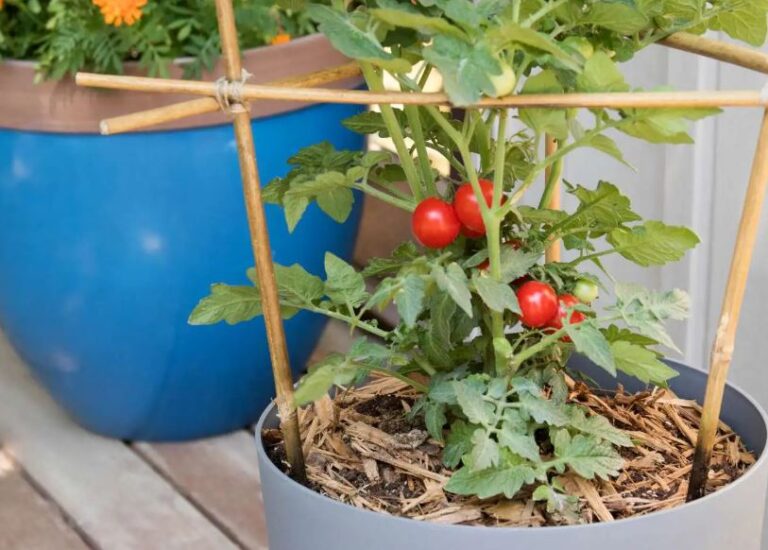
Compact cherry tomatoes are useful for balconies, patios, and small vegetable gardens. They are easier to manage than large vines but still need plenty of sunlight.
What Affects Plant Size?
- Tomato variety
- Available sunlight
- Soil quality
- Water and nutrients
- Length of the growing season
Grape Tomato Plant Size
Grape tomato plants can also vary greatly in size. Some varieties grow as compact plants, while others develop long vines that need cages, stakes, or trellises. The fruit’s small size does not mean the plant itself will remain small.
Typical Grape Tomato Height
Many grape tomato varieties grow vigorously when conditions are good. Some can reach several feet in height, particularly when grown as indeterminate plants.
Grape Tomato Width
As grape tomato vines branch out, they can occupy considerable horizontal space. Proper spacing helps prevent overcrowding and improves airflow around the leaves.
Compact Grape Tomatoes
Some grape tomato varieties are suitable for containers and smaller gardens. Look for descriptions such as compact, patio, dwarf, or determinate when shopping for seeds.
Grape Tomato Growth Factors
- Variety and genetics
- Growing space
- Sunlight exposure
- Water availability
- Temperature and season length
Cherry vs. Grape Tomato Growth Habit
The biggest difference between individual tomato plants usually comes from their growth habit rather than whether they produce cherry or grape-shaped fruit. Determinate plants have a more limited growth pattern, while indeterminate plants continue extending their vines throughout the season.
Indeterminate Cherry Tomatoes
Indeterminate cherry tomatoes keep producing new stems, leaves, flowers, and fruit while growing. They can become large and usually benefit from sturdy support.
Indeterminate Grape Tomatoes
Indeterminate grape tomatoes behave in much the same way. Their vines can continue climbing and producing fruit for an extended period when weather remains favorable.
Determinate Tomato Plants
Determinate varieties tend to have a more compact growth pattern and produce much of their crop over a shorter period. They can be easier to manage in smaller spaces.
Why Growth Habit Matters
- It determines how much garden space you need.
- It affects the type of support required.
- It influences pruning and training.
- It helps you choose the right container size.
Cherry Tomato Vines and Support
A healthy cherry tomato vine can become heavy once fruit clusters begin developing. Without support, long stems may bend toward the ground or become difficult to manage. A good support system also makes harvesting easier.
Tomato Cages
Cages are a simple choice for many cherry tomato plants. Place the cage around the plant while it is still young so you do not damage established roots later.
Stakes for Cherry Tomatoes
A strong stake can work well for plants that grow with one main stem. Tie the plant loosely as it grows rather than pulling the stem tightly against the stake.
Trellises for Large Vines
Large indeterminate cherry tomatoes can benefit from a trellis. This keeps vines organized and gives fruit clusters better exposure to sunlight and air.
Supporting Tips
- Install support early.
- Use soft plant ties.
- Check ties as stems become thicker.
- Choose support strong enough for mature vines.
Grape Tomato Vines and Support
Grape tomato plants also benefit from proper support, especially indeterminate varieties. Although the fruits are small, a productive plant can carry many clusters, making the branches surprisingly heavy.
Cages for Grape Tomatoes
A sturdy tomato cage can keep the plant upright while allowing branches to spread naturally. Choose a cage tall enough for the expected mature size.
Stakes for Smaller Plants
Compact grape tomatoes may only need a simple stake or small cage. This can be convenient for container gardening.
Trellises for Vigorous Plants
A trellis is useful when you want to train long grape tomato vines vertically. It can also make picking easier because fruit clusters are easier to see.
Support Tips
- Match the support to the variety.
- Install it before the plant becomes large.
- Secure heavy branches gently.
- Check the support after strong wind or heavy rain.
Cherry Tomato Leaves and Branches
Cherry tomato plants can develop many side branches, especially when grown in good conditions. These branches produce additional leaves and flowers, which can eventually become heavy with fruit.
Leaf Growth
Healthy cherry tomato leaves are important for photosynthesis and fruit development. Avoid removing large amounts of healthy foliage without a clear reason.
Side Shoots
Side shoots can make an indeterminate plant bushier. Some gardeners remove selected shoots to make the plant easier to train, while others allow the plant to grow more naturally.
Flower Clusters
Cherry tomatoes often produce clusters of small flowers that later develop into fruit. A healthy plant may have several developing clusters at different stages.
Managing Branches
- Remove damaged or diseased growth.
- Avoid excessive pruning.
- Keep branches supported.
- Allow enough space between plants.
Grape Tomato Leaves and Branches
Grape tomato plants also produce leafy growth and side branches as they mature. Their elongated fruit clusters can add considerable weight to the stems.
Leaf Development
Healthy foliage helps the plant produce energy for growth and fruit development. Yellowing or damaged leaves should be monitored rather than automatically removed.
Branching Pattern
The branching pattern depends on the variety. Some plants remain relatively open, while vigorous types can become dense.
Fruit Clusters
Grape tomatoes often develop in clusters. As the fruit begins to ripen, the weight can pull unsupported branches downward.
Managing Growth
- Give plants adequate spacing.
- Remove unhealthy leaves when necessary.
- Support fruit-heavy branches.
- Avoid unnecessary pruning.
Which Plant Is Better for Small Gardens?
Neither cherry nor grape tomatoes are automatically better for a small garden. The variety’s mature size matters much more. A compact indeterminate or determinate variety may fit comfortably in a small space, while a vigorous vine can quickly become difficult to manage.
Cherry Tomatoes for Small Spaces
Compact cherry varieties are popular for patios and balconies. Their small fruits also make harvesting easy.
Grape Tomatoes for Small Spaces
Compact grape varieties can work just as well. Choose one with a suitable mature size rather than selecting solely based on fruit type.
Growing Tomatoes in Containers
Both types can grow in containers when the pot is large enough and has good drainage. Taller varieties will need a cage, stake, or trellis.
Space-Saving Tips
- Check mature plant size before buying seeds.
- Use vertical support.
- Avoid overcrowding.
- Choose compact varieties for small containers.
Cherry vs. Grape Tomatoes in Containers
Container growing changes how large a tomato plant can become, but it does not completely stop vigorous varieties from growing. A large indeterminate tomato can still become difficult to manage in a small pot.
Cherry Tomatoes in Pots
Compact cherry tomatoes are convenient for container gardens. Larger cherry vines can also grow in pots if they have enough root space and strong support.
Grape Tomatoes in Pots
Grape tomatoes can perform well in containers too. Choose a variety that matches the available pot size and provide consistent moisture.
Container Root Space
Tomato roots need enough room to support healthy top growth. A container that is too small may dry out quickly and restrict the plant.
Container Care
- Use a container with drainage holes.
- Choose suitable potting mix.
- Place it in a sunny location.
- Water when the soil begins to dry.
How Climate Affects Tomato Plant Growth
Temperature and growing season length can have a major effect on tomato plant size. Warm, sunny conditions can encourage rapid growth, while cold weather slows development. Extreme heat can also interfere with flowering and fruit set.
Warm Weather Growth
Tomatoes generally grow quickly when temperatures are suitable. Vigorous varieties can become large in a surprisingly short period.
Cool Weather Growth
Cool conditions slow growth and can delay flowering and fruit production. Young plants are particularly sensitive to cold temperatures.
Heat Stress
Very high temperatures can affect flowering and fruit set. Providing suitable moisture and choosing varieties appropriate for your climate can help.
Climate Tips
- Plant after the risk of damaging frost has passed.
- Protect young plants from unusually cold conditions.
- Monitor moisture during hot weather.
- Choose varieties suited to your growing season.
How to Control Tomato Plant Size
You cannot completely change a tomato variety’s natural growth habit, but you can manage how the plant uses your available space. Good support, sensible pruning, proper spacing, and choosing the right variety make a big difference.
Pruning Cherry Tomatoes
Pruning should be done carefully. Removing too much healthy foliage can reduce the plant’s ability to produce energy. Focus on damaged growth and selected shoots when necessary.
Pruning Grape Tomatoes
Grape tomatoes can also be trained to fit a specific space. For vigorous plants, removing selected suckers may make training easier.
Train Plants Vertically
Growing tomatoes upward instead of allowing them to spread across the ground can save valuable garden space. Trellises and tall cages are useful for this purpose.
Keep Growth Under Control
- Choose a suitable variety from the beginning.
- Use strong vertical support.
- Remove damaged growth.
- Keep adequate space between plants.
Which Tomato Plant Should You Grow?
Cherry and grape tomatoes can both be excellent choices for a home vegetable garden. The better fit depends on your available space, preferred growing style, and the variety you choose.
If you have a small balcony or patio, look for a compact variety. If you have a large garden bed, a vigorous indeterminate plant can give you a longer growing season and plenty of fruit, but it will need more support and regular attention.
Choose Cherry Tomatoes If You Want
Cherry tomatoes are a natural choice if you enjoy juicy, bite-sized fruit and frequent fresh picking.
Choose Grape Tomatoes If You Want
Grape tomatoes are useful if you prefer firm fruits that work well for salads, roasting, and everyday cooking.
Grow Both Types
If space allows, growing both can be fun. You can compare their growth habits, fruit production, flavor, and maintenance in the same garden.
Before You Plant
- Check the mature height.
- Check whether the variety is determinate or indeterminate.
- Choose an appropriate container or garden space.
- Prepare support before the vines become large.

- 10 Best Cordless Garden Pump Sprayer 2026 - October 20, 2026
- 10 Best Rechargeable Garden Pump Sprayer 2026 - October 20, 2026
- 10 Best Handheld Garden Pump Sprayer 2026 - October 20, 2026