Grape Tomato Plant vs Cherry Tomato Plant: Which Is Better for Your Garden?
Grape tomatoes and cherry tomatoes may look similar at first, but their plants can grow quite differently. Their fruit shape, growth habit, watering needs, support requirements, and harvesting time can all vary by variety. Cherry tomato plants often produce round, juicy fruits, while grape tomato plants usually produce smaller, oval fruits with a firmer texture.
If you are deciding which tomato plant to grow, understanding these differences can make planting and care much easier. This comparison looks at plant size, growth habits, sunlight, watering, feeding, pruning, containers, harvests, and everyday garden use.
| Feature | Grape Tomato Plant | Cherry Tomato Plant |
|---|---|---|
| Fruit shape | Oval or elongated | Round or slightly oval |
| Texture | Firm | Juicier |
| Plant habit | Often vigorous | Often vigorous |
| Support | Usually needed | Usually needed |
| Container growing | Yes | Yes |
| Best use | Salads, roasting | Snacking, salads |
1. Grape Tomato Plant vs Cherry Tomato Plant Growth Habit
Plant shape and structure
Both types can become large, productive plants. Their exact size depends on the variety, growing conditions, and whether the plant is determinate or indeterminate.
Indeterminate growth
Many popular grape and cherry tomato varieties are indeterminate. They continue producing new stems, flowers, and fruit during the growing season when conditions are suitable.
Determinate varieties
Some tomato varieties have a more limited growth period. Determinate plants tend to stay more compact and can be easier to manage in smaller gardens.
What gardeners should expect
- Both can become bushy and vigorous.
- Indeterminate plants need stronger support.
- Variety descriptions are useful before planting.
- Pruning and spacing affect the final plant shape.
2. How Tall Do Grape and Cherry Tomato Plants Get?
Grape tomato plant height
Grape tomato plants can become tall, especially when grown as indeterminate varieties. A cage, trellis, or sturdy stake helps keep the vines upright.
Cherry tomato plant height
Cherry tomato plants can also grow very tall. Some varieties produce long vines that quickly outgrow small tomato cages.
Why variety matters
There is no single height for every grape or cherry tomato plant. Seed variety and growing conditions can make a large difference.
Planning garden space
- Check the seed packet for mature size.
- Give plants enough room for airflow.
- Install support early.
- Avoid crowding plants together.
3. Grape vs Cherry Tomato Plant Leaves and Stems
Leaf appearance
Tomato leaves can vary between varieties, but both grape and cherry tomato plants generally have the familiar soft, divided tomato foliage.
Stem strength
Young stems are flexible and can become heavy as fruit develops. Supporting the main stems prevents them from bending toward the ground.
Dense foliage
Healthy plants can produce plenty of leaves. Too much crowding can reduce airflow around the plant.
Keeping foliage manageable
- Remove damaged leaves.
- Avoid unnecessary heavy pruning.
- Tie growing stems to support.
- Leave enough space between plants.
4. Sunlight Needs of Both Tomato Plants
Full sun is important
Both grape and cherry tomato plants grow best with plenty of direct sunlight. Good light supports strong growth and fruit production.
Morning sunlight
Morning sun can help dry leaves after overnight moisture. This is useful for maintaining healthier foliage.
Hot afternoon conditions
Very hot weather can stress tomato plants. Consistent watering and adequate soil moisture become especially important during heat.
Simple sunlight tips
- Choose the sunniest garden location.
- Avoid areas shaded by buildings.
- Rotate container plants when practical.
- Protect plants from extreme heat when necessary.
5. Watering Grape vs Cherry Tomato Plants
Grape tomato watering
Grape tomatoes need consistent moisture, particularly while plants are flowering and producing fruit.
Cherry tomato watering
Cherry tomato plants also perform better when soil moisture remains relatively steady. Letting plants repeatedly become very dry can cause stress.
Container plants dry faster
Tomatoes grown in containers usually need more frequent attention than plants growing in larger garden beds.
Better watering habits
- Water deeply rather than giving tiny amounts.
- Check soil moisture before watering.
- Water near the soil surface.
- Mulch around plants to reduce moisture loss.
6. Feeding and Fertilizing Tomato Plants
Nutrients for grape tomatoes
Grape tomato plants need nutrients for leafy growth, flowering, and fruit development. A suitable tomato fertilizer can help provide those nutrients.
Nutrients for cherry tomatoes
Cherry tomatoes have similar basic nutritional needs. Product labels and soil conditions should guide fertilizer use.
Avoid excessive fertilizer
Too much nitrogen can encourage leafy growth while reducing the balance between vegetative growth and fruit production.
Simple feeding routine
- Start with fertile soil.
- Use compost when appropriate.
- Follow fertilizer label directions.
- Avoid excessive feeding.
7. Pruning and Supporting Grape and Cherry Tomatoes
Why support matters
Heavy tomato vines can bend, sprawl, or break without proper support. Support also keeps fruit farther from wet soil.
Pruning grape tomato plants
Indeterminate grape tomato plants can be trained by removing selected suckers and tying main stems to a trellis or cage.
Pruning cherry tomato plants
Cherry tomato vines can also benefit from training, especially when they produce long, vigorous growth.
Garden support checklist
- Install cages, stakes, or trellises early.
- Tie stems loosely.
- Avoid damaging young stems.
- Prune only when needed for your growing system.
8. Growing Grape and Cherry Tomatoes in Containers
Grape tomatoes in pots
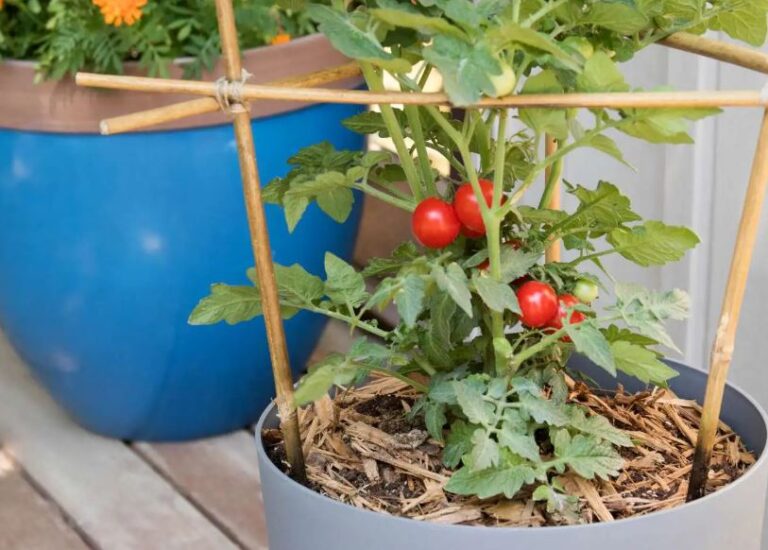
Many grape tomato varieties grow well in large containers. Compact varieties are particularly useful where garden space is limited.
Cherry tomatoes in pots
Cherry tomatoes are also popular container plants because many varieties produce abundant small fruit.
Container size matters
Tomatoes need enough root space to support their above-ground growth. Small containers can dry out quickly and may require more frequent watering.
Container-growing tips
- Use a container with drainage holes.
- Choose a quality potting mix.
- Provide strong plant support.
- Monitor moisture during hot weather.
9. Harvesting Grape vs Cherry Tomatoes
When grape tomatoes are ready
Grape tomatoes are generally harvested when the fruit develops its mature color and has reached the expected firmness for that variety.
When cherry tomatoes are ready
Cherry tomatoes are often picked when they have developed their mature color and feel slightly firm but ripe.
Harvest frequency
Both types can require frequent harvesting once plants become productive. Leaving ripe fruit on the plant for too long can attract pests or lead to splitting.
Harvesting tips
- Check plants every day or two during peak production.
- Pick ripe fruit carefully.
- Use clean hands or garden scissors.
- Avoid pulling hard on the vines.
10. Which Tomato Plant Fits Your Garden?
Choose grape tomatoes for certain uses
Grape tomatoes are useful if you prefer firm, oval fruits that hold their shape well in salads, roasting, and cooking.
Choose cherry tomatoes for snacking
Cherry tomatoes are popular for fresh eating because their small, juicy fruits are easy to pick and eat straight from the garden.
Consider your growing space
Both can work in garden beds or containers. The biggest factor is often the individual variety rather than simply choosing grape or cherry.
Before buying seeds
- Check mature plant size.
- Look for determinate or indeterminate growth.
- Check days to maturity.
- Consider disease resistance.
- Match the variety to your available space.
FAQs About Grape Tomato Plant vs Cherry Tomato Plant
Are grape tomato plants easier to grow than cherry tomato plants?
Neither type is automatically easier. Growing difficulty depends heavily on the variety, climate, soil, watering, sunlight, and support system.
Do grape tomato plants grow as tall as cherry tomato plants?
They can. Many grape and cherry varieties are indeterminate and can produce long vines. Always check the mature size of the specific variety.
Can I grow both plants in the same garden?
Yes. They can be grown in the same garden as long as each plant has enough sunlight, water, airflow, and root space.
Do grape tomatoes need a tomato cage?
Many grape tomato plants benefit from a cage, stake, or trellis. Indeterminate varieties especially need reliable support as the vines become longer and heavier.
Are cherry tomatoes better for containers?
Cherry tomatoes can be excellent container plants, but grape tomatoes can also grow successfully in containers. Choose a suitable variety and use a large container with good drainage.
Which plant produces more tomatoes?
Production varies widely by variety and growing conditions. Plant size, growing season, sunlight, nutrition, and disease pressure can all affect total harvest.
Can grape and cherry tomatoes cross-pollinate?
Yes, tomato flowers can cross-pollinate, although many tomatoes can also self-pollinate. If you are saving seeds and want to maintain a specific variety, consider isolation practices.
Final Thoughts
Grape tomato plants and cherry tomato plants have many similarities, but their fruit and growth habits can differ. Grape tomatoes usually produce firm, oval fruit, while cherry tomatoes are commonly rounder and juicier.
For gardeners, the variety you choose matters just as much as the tomato type. Look at mature size, growth habit, days to maturity, disease resistance, and container suitability before buying seeds. With good sunlight, steady moisture, fertile soil, and proper support, both can be productive choices for a home vegetable garden.

- 10 Best Cordless Garden Pump Sprayer 2026 - October 20, 2026
- 10 Best Rechargeable Garden Pump Sprayer 2026 - October 20, 2026
- 10 Best Handheld Garden Pump Sprayer 2026 - October 20, 2026