Seeing cherry tomato plant leaves turning yellow can be alarming, especially when the plant was growing well and suddenly starts looking pale. Yellow leaves are not always a sign of a serious disease. Sometimes the cause is simple, such as too much water, too little sunlight, poor nutrition, or normal aging. Other times, pests or diseases may be responsible. The key is to look at where the yellowing starts, how quickly it spreads, and what other symptoms appear. This guide explains the common causes and practical ways to help your cherry tomato plant recover.
Why Are My Cherry Tomato Plant Leaves Turning Yellow?
Yellow leaves usually mean the plant is under some type of stress. Cherry tomatoes need consistent moisture, good drainage, enough sunlight, and a steady supply of nutrients. When one of these conditions is missing, the leaves may lose their healthy green color.
Before treating the plant, check the soil, roots, leaves, and growing conditions. The pattern of yellowing can often tell you more than the color alone.
Common Causes to Check First
- Overwatering or poor drainage
- Underwatering and drought stress
- Lack of nitrogen or other nutrients
- Insufficient sunlight
- Fungal or bacterial diseases
- Aphids, spider mites, or other pests
- Root damage
- Natural aging of older leaves
- Extreme heat or cold
- Crowded or poorly ventilated plants
Overwatering Can Make Cherry Tomato Leaves Yellow
Overwatering is one of the most common reasons tomato leaves turn yellow. Cherry tomato plants need moisture, but their roots also need oxygen. When soil stays wet for too long, the roots can become stressed and may not function properly.
This can cause older leaves to turn pale or yellow. In severe cases, the plant may wilt even though the soil is wet.
Signs of Too Much Water
- Soil remains wet for several days
- Lower leaves turn yellow first
- Leaves may become soft or droopy
- Growth becomes slow
- Roots may smell unpleasant if badly damaged
- Water collects around the plant after irrigation
- Container drainage is poor
Underwatering Can Also Cause Yellow Leaves
Cherry tomato plants use a lot of water during hot weather, particularly when they are large and producing fruit. If the soil becomes very dry, the plant can become stressed.
Repeated drought can cause leaves to yellow, curl, wilt, or develop brown edges. Fruit may also suffer from inconsistent moisture.
How to Fix Water Stress
- Check soil moisture before watering
- Water deeply instead of giving tiny amounts
- Water around the root zone
- Increase watering during very hot weather when needed
- Add mulch to reduce evaporation
- Avoid letting container soil become completely dry
- Make sure water reaches the deeper root zone
Nutrient Deficiency May Cause Yellow Leaves
Cherry tomatoes are productive plants and need a steady supply of nutrients. If the soil is poor or nutrients have been depleted, leaves can become yellow.
Different nutrient deficiencies create different patterns. Nitrogen deficiency often affects older leaves first, while some other deficiencies may show between leaf veins or around leaf edges.
Nutrient Problems to Look For
- Nitrogen: Older leaves become pale or yellow.
- Magnesium: Yellowing may develop between the veins.
- Potassium: Leaf edges may become yellow or brown.
- Iron: Newer leaves can become pale while veins remain greener.
- General deficiency: Growth may be weak and leaves may look unusually pale.
Do not add large amounts of fertilizer based only on yellow leaves. Too much fertilizer can damage roots and create additional nutrient problems.
Poor Soil Can Affect Cherry Tomato Health
Cherry tomatoes grow best in fertile, well-draining soil with plenty of organic matter. Heavy, compacted soil can restrict roots, while very sandy soil may lose moisture and nutrients quickly.
If the plant is growing in a container, ordinary garden soil may also become compacted and drain poorly.
Improve the Growing Medium
- Add mature compost to garden soil
- Use quality potting mix for containers
- Improve drainage in heavy soil
- Avoid compacting the root zone
- Use containers with drainage holes
- Replenish nutrients during the growing season
- Test garden soil if nutrient problems continue
Lack of Sunlight Can Cause Yellowing
Cherry tomato plants need plenty of sunlight for healthy growth. When a plant receives too little light, its leaves may become pale and growth can become weak or stretched.
A plant growing behind a wall, under dense trees, or in a heavily shaded location may struggle even when watering and soil conditions are good.
Give Cherry Tomatoes Enough Light
- Choose a bright, sunny location
- Avoid deep shade
- Keep tall plants from blocking smaller tomato plants
- Rotate containers when appropriate
- Remove nearby growth that creates excessive shade
- Watch how sunlight changes throughout the day
Diseases Can Turn Cherry Tomato Leaves Yellow
Fungal and bacterial diseases are another important cause of yellow tomato leaves. Diseases often create additional symptoms such as brown spots, dark lesions, curling, or premature leaf drop.
If yellowing is accompanied by spots that continue spreading, inspect the plant carefully rather than assuming the problem is simply a nutrient deficiency.
Common Disease Clues
- Yellow areas surrounding brown spots
- Small dark leaf lesions
- Lower leaves affected first
- Rapid spread during humid weather
- Premature leaf drop
- Dark marks on stems
- Similar symptoms appearing on nearby plants
Avoid working with wet tomato plants because handling wet foliage can help spread some plant pathogens.
Early Blight Can Cause Yellow Leaves
Early blight is a common tomato disease that can cause dark brown lesions surrounded by yellow tissue. It often starts on older, lower leaves and gradually moves upward.
The spots may develop concentric rings, giving them a target-like appearance.
What to Do About Early Blight
- Remove severely affected leaves
- Improve airflow around the plant
- Keep foliage as dry as possible
- Water at the base
- Remove fallen infected leaves
- Clean pruning tools after use
- Avoid overcrowding tomato plants
Septoria Leaf Spot May Cause Yellowing
Septoria leaf spot produces many small spots on tomato leaves. Yellowing can develop around the lesions, and the disease often begins on lower foliage.
Warm, humid weather and wet leaves can encourage its spread.
Signs of Septoria
- Numerous small circular spots
- Dark centers inside some lesions
- Yellowing around spots
- Lower leaves affected first
- Leaves eventually dropping
- Disease spreading upward over time
Removing badly affected leaves and improving airflow can help reduce disease pressure.
Pests Can Make Cherry Tomato Leaves Yellow
Tiny insects can also cause yellowing by feeding on tomato leaves or sucking plant sap. Aphids, spider mites, whiteflies, and other pests can weaken plants when populations become large.
Some pests are difficult to notice unless you inspect the undersides of leaves.
Check for These Pest Signs
- Tiny insects under leaves
- Fine webbing
- Sticky residue
- Curling leaves
- Speckled or pale foliage
- Small insects flying when the plant is disturbed
- Ants gathering around aphid-infested areas
Treat the specific pest rather than automatically using a broad insecticide.
Root Problems Can Lead to Yellow Leaves
Healthy roots are essential for healthy tomato foliage. Root damage can occur because of overwatering, poor drainage, root-feeding pests, transplant damage, or compacted soil.
When roots cannot absorb water and nutrients properly, the leaves may become yellow even when the soil contains enough nutrients.
Protect the Root System
- Avoid constantly saturated soil
- Do not damage roots while cultivating
- Use containers with adequate drainage
- Avoid planting tomatoes too deeply in poorly drained areas
- Do not over-fertilize
- Check roots if the plant declines rapidly
Older Cherry Tomato Leaves May Turn Yellow Naturally
Not every yellow leaf indicates a problem. As cherry tomato plants grow, some of the oldest leaves near the bottom naturally become yellow and eventually die.
If only a few old leaves are yellow while new growth looks healthy, there may be no serious problem.
Normal Aging Usually Looks Like This
- Yellowing starts on the oldest leaves
- Only a few leaves are affected
- New growth remains green
- The plant continues flowering
- Fruit develops normally
- Yellow leaves eventually dry and fall away
You can remove completely yellow or dead leaves to keep the plant tidy.
Temperature Stress Can Cause Yellowing
Cherry tomatoes prefer warm growing conditions, but extreme temperatures can stress them. Very hot weather can increase water loss, while cold conditions can slow root activity and growth.
Sudden temperature changes may cause temporary leaf problems.
Reduce Temperature Stress
- Keep soil moisture consistent
- Apply organic mulch around the plant
- Provide afternoon protection during extreme heat
- Avoid placing containers against surfaces that become extremely hot
- Protect plants from unexpected cold
- Avoid unnecessary root disturbance during stressful weather
How to Fix Yellow Leaves on Cherry Tomato Plants
There is no single treatment for yellow leaves because the cause matters. Start with the simplest checks: soil moisture, drainage, sunlight, pests, and the location of the yellowing.
Do not immediately add fertilizer or disease treatments without looking for other clues.
A Simple Recovery Plan
- Check the soil moisture
- Improve drainage if necessary
- Inspect leaves for pests
- Remove severely damaged foliage
- Give the plant enough sunlight
- Water consistently
- Add mulch around the root zone
- Feed according to soil and plant needs
- Improve airflow between plants
- Monitor new growth for improvement
Should You Remove Yellow Leaves?
Removing yellow leaves can make the plant look healthier, but pruning does not solve the underlying cause.
If the leaves are completely yellow, dead, or heavily diseased, removing them can be useful. However, avoid stripping the plant of too many healthy leaves because tomato plants need foliage to produce energy.
When to Remove Leaves
- The leaf is completely yellow
- The leaf is dead or dry
- Disease has heavily damaged the leaf
- The leaf touches the soil
- Dense foliage is blocking airflow
- The leaf is badly infested with pests
Use clean pruning scissors or shears and avoid removing large amounts of foliage at once.
How to Prevent Yellow Leaves on Cherry Tomatoes
Prevention is easier than trying to recover a severely stressed plant. Start with good soil, proper spacing, consistent watering, and regular inspection.
Check plants every few days. Early signs of pests, disease, or watering problems are much easier to manage than advanced damage.
Healthy Cherry Tomato Habits
- Plant in fertile, well-draining soil
- Choose a sunny location
- Water consistently
- Avoid constantly wet soil
- Mulch the root zone
- Keep plants properly spaced
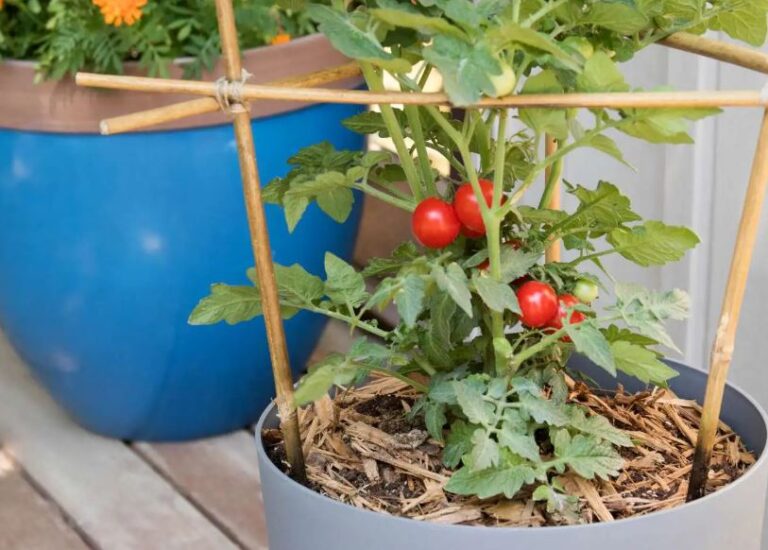
- Support plants with cages or stakes
- Inspect leaves regularly
- Remove diseased plant material
- Fertilize according to plant needs
When Should You Worry About Yellow Leaves?
A few yellow lower leaves are usually less concerning than rapid yellowing across the entire plant. Pay closer attention when yellowing appears on new growth, spreads quickly, or occurs alongside brown spots, wilting, stem damage, or fruit problems.
If several tomato plants develop the same symptoms at the same time, environmental conditions or a disease may be involved.
Warning Signs to Watch
- Yellowing spreads rapidly
- New leaves become yellow
- Brown or black spots appear
- The plant wilts despite moist soil
- Leaves fall unusually quickly
- Stems develop dark lesions
- Fruit production declines sharply
- Multiple plants show identical symptoms
Final Thoughts
Cherry tomato plant leaves turning yellow can happen for many reasons, and the solution depends on the pattern you see. Start by checking watering and drainage, then look for nutrient problems, pests, diseases, sunlight issues, and temperature stress.
If only a few old leaves are yellow, natural aging may be responsible. But widespread yellowing, brown spots, rapid leaf loss, or wilting deserves closer attention.
Keep the soil evenly moist, provide plenty of sunlight, improve airflow, and inspect your plants regularly. These simple habits can prevent many common problems and help your cherry tomato plant stay healthy throughout the growing season.
Frequently Asked Questions
Why are the bottom leaves of my cherry tomato plant turning yellow?
Older bottom leaves can yellow naturally as the plant grows. However, overwatering, nutrient deficiencies, and fungal diseases can also start with lower leaves. Check the soil moisture and inspect the leaves for spots before deciding on treatment.
Should I cut off yellow leaves from my tomato plant?
You can remove completely yellow, dead, or badly diseased leaves. However, do not remove healthy green foliage unnecessarily. Tomato plants need healthy leaves for photosynthesis and fruit development.
Can overwatering cause yellow leaves on cherry tomatoes?
Yes. Constantly wet soil can stress tomato roots and reduce oxygen around them. This can lead to yellow leaves, slow growth, and sometimes root problems. Allow excess water to drain and check soil moisture before watering again.
Do yellow tomato leaves need fertilizer?
Not necessarily. Yellow leaves can result from water stress, disease, pests, poor light, or natural aging. Identify the cause before adding fertilizer. A soil test is useful when nutrient deficiency is suspected.
Can yellow tomato leaves turn green again?
Severely yellow or damaged leaves usually will not return to normal. Instead, watch the new growth. If new leaves emerge green and healthy after you correct the underlying problem, the plant is likely recovering.

- How to Grow Microgreens Without Soil Indoors: Easy Home Method - October 5, 2026
- Microgreens vs. Sprouts: Key Differences, Nutrition, Safety, and Which One to Eat - October 5, 2026
- 10 Best Garden Tools For Weed Removal 2027 - October 3, 2026