Succulent plants are popular indoor houseplants because of their unique appearance and low-maintenance care, but many people wonder whether they are poisonous to humans. While most succulents are harmless, some varieties contain toxic sap or chemicals that may cause skin irritation, stomach problems, or allergic reactions if touched or eaten. The level of toxicity depends on the plant species and the amount of exposure. Understanding which succulents are dangerous and how to handle them safely can help protect adults, children, and pets in the home. In this guide, you’ll learn about toxic succulent plants, common symptoms, safety risks, and safer plant alternatives for indoor spaces.
Are All Succulent Plants Safe for Humans?
Most succulents are safe indoor plants, but some varieties contain toxic sap or irritating compounds that may affect humans after contact or ingestion. Reactions are usually mild and may include skin irritation, stomach discomfort, or allergic responses. Certain succulents produce milky sap that can irritate sensitive skin and eyes. Children are more vulnerable because they may accidentally touch or chew plant leaves. Knowing which succulent plants are potentially harmful helps homeowners create safer indoor environments while still enjoying decorative houseplants and low-maintenance greenery indoors.
What Makes Some Succulents Toxic?
Some succulents naturally produce chemicals and protective sap to defend themselves from insects and animals. These substances may irritate the skin, mouth, or digestive system when touched or swallowed. Plants with milky or latex-like sap are often more likely to cause reactions. Toxicity levels vary depending on the species and the amount of exposure. While many reactions remain mild, certain individuals with allergies or sensitive skin may experience stronger symptoms after handling or ingesting toxic succulent varieties.
Difference Between Mild and Dangerous Toxicity
Mildly toxic succulents usually cause temporary symptoms such as itching, nausea, redness, or stomach discomfort. Dangerous toxicity is less common but may involve stronger allergic reactions, severe digestive problems, or intense irritation after large exposure. Children and sensitive individuals may react more strongly than healthy adults. The severity often depends on the amount of plant material touched or eaten. Understanding the difference between mild irritation and serious poisoning helps people respond quickly and seek medical care when necessary.
How Plant Sap Can Cause Irritation
The sap inside some succulents contains irritating compounds that may affect the skin, eyes, or mouth. When leaves or stems break, the sap can come into direct contact with the body and trigger redness, itching, swelling, or burning sensations. Eye exposure may cause watering and temporary discomfort. Reactions are often stronger in people with sensitive skin or allergies. Washing exposed areas quickly with soap and water can help reduce irritation after accidental contact with toxic plant sap.
Why Certain Succulents Are More Harmful Than Others
Different succulent species contain different chemical compounds, which is why some plants are more irritating than others. Succulents with thick milky sap are generally more likely to cause skin reactions and digestive discomfort. Environmental stress and plant damage may also increase sap production and toxicity levels. Some people naturally react more strongly to certain plants because of allergies or skin sensitivity. Identifying high-risk succulent species helps reduce accidental exposure and creates a safer indoor environment for families.
Common Poisonous Succulent Plants
Several popular succulent plants commonly grown indoors may contain toxic sap or irritating compounds that can affect humans after contact or ingestion. While most reactions are mild, some species may cause skin irritation, stomach discomfort, or allergic responses. Many homeowners are unaware that decorative succulents can sometimes trigger health issues, especially in children or individuals with sensitive skin. Identifying potentially harmful plants helps reduce accidental exposure and allows safer indoor gardening. Understanding the risks associated with specific succulent varieties is important before placing them in homes, offices, or family spaces.
Aloe Vera Toxicity Risks
Although aloe vera is widely used in skincare products, the outer leaf and yellow latex layer may cause digestive irritation if eaten. Symptoms can include stomach cramps, diarrhea, nausea, or vomiting. Sensitive individuals may also experience mild skin irritation after direct contact with fresh sap. Small accidental exposure is usually not dangerous, but consuming larger amounts may worsen symptoms. Children are more vulnerable because their digestive systems are more sensitive to toxic plant compounds found in aloe latex.
Jade Plant Side Effects
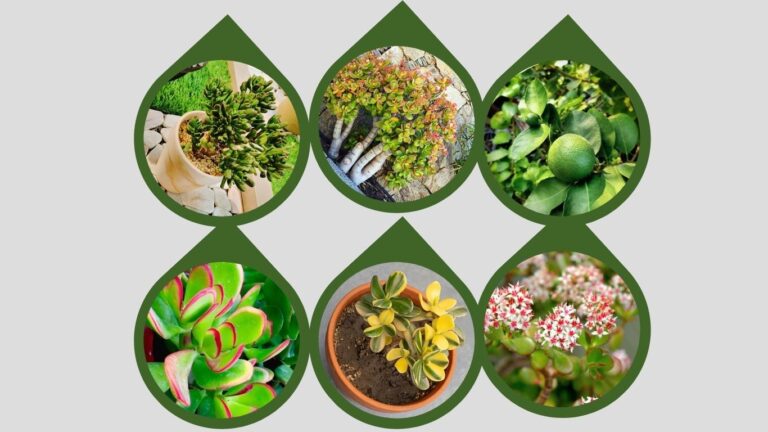
Jade plants are mildly toxic and may cause nausea, vomiting, stomach discomfort, or mild dizziness if consumed. Direct skin contact usually causes little irritation, but sensitive individuals may still develop redness or itching after handling the plant repeatedly. Pets and children are more likely to experience symptoms because they may chew the thick leaves accidentally. Most reactions remain temporary and mild, though severe symptoms should still be evaluated by a healthcare professional if they continue or worsen.
Pencil Cactus and Toxic Sap
Pencil cactus contains a thick milky sap that can strongly irritate the skin and eyes. Direct contact may cause burning, redness, swelling, itching, or painful inflammation. If the sap reaches the eyes, temporary blurred vision and intense discomfort may occur. Washing exposed areas immediately with water helps reduce irritation. The plant’s toxic sap is one of the main reasons it should be handled carefully during pruning or repotting. Wearing gloves helps lower the risk of accidental exposure.
Snake Plant and Mild Poisoning Symptoms
Snake plants contain compounds that may cause mild digestive symptoms after ingestion. Common reactions include nausea, vomiting, stomach upset, or mouth irritation. Most cases are not severe and improve within a short time. Touching the leaves is generally safe for most people, although highly sensitive individuals may still experience minor irritation after prolonged contact. Keeping snake plants out of reach of young children helps reduce accidental chewing and unnecessary exposure to mildly toxic plant compounds.
Symptoms of Succulent Poisoning in Humans
Symptoms of succulent poisoning can vary depending on the plant species, the amount of exposure, and individual sensitivity. Most reactions are mild and temporary, but certain toxic succulents may cause stronger irritation or digestive problems. Symptoms often appear after touching toxic sap, chewing leaves, or accidentally swallowing plant material. Children and people with sensitive skin are more likely to experience noticeable reactions. Recognizing common warning signs early can help prevent complications and ensure proper treatment if symptoms continue or worsen after plant exposure.
Skin Irritation and Rashes
Contact with toxic succulent sap may cause redness, itching, swelling, or mild skin rashes. Some people develop irritation within minutes, while others notice symptoms gradually after repeated exposure. Sensitive skin and allergies can increase the severity of reactions. Washing the affected area quickly with soap and water usually helps reduce discomfort. Persistent irritation or severe swelling may require medical attention, especially if symptoms spread beyond the original contact area.
Stomach Pain and Vomiting
Eating toxic succulent leaves or sap may irritate the digestive system and trigger nausea, vomiting, stomach cramps, or diarrhea. Symptoms are usually mild but may become more uncomfortable after larger ingestion amounts. Children are more likely to develop stronger digestive reactions because of their smaller body size. Drinking water and avoiding further exposure may help reduce discomfort. Medical advice should be sought if vomiting becomes severe or symptoms continue for an extended period.
Burning Sensation in Mouth
Some toxic succulents may irritate the lips, tongue, throat, or inside of the mouth after chewing plant material. A burning or tingling sensation often appears quickly after contact. Swelling, dryness, or mild pain may also develop in sensitive individuals. Rinsing the mouth thoroughly with clean water may help remove irritating plant residue. Persistent irritation or difficulty swallowing should be evaluated by a healthcare professional as soon as possible.
Eye Irritation After Contact
Touching the eyes after handling toxic succulent sap may cause redness, watering, burning, or temporary blurred vision. Certain plants with milky sap can trigger stronger irritation if exposure is not treated quickly. Washing the eyes immediately with clean water helps remove harmful compounds and reduce discomfort. Avoid rubbing the eyes because this may worsen irritation. Medical care may be necessary if symptoms become severe or vision problems continue after rinsing the eyes thoroughly.
What Happens If You Touch a Toxic Succulent?
Touching a toxic succulent may cause mild to moderate skin irritation depending on the plant species and individual sensitivity. Some succulents release irritating sap when leaves or stems are broken, and direct contact with this substance may trigger redness, itching, or burning sensations. Most reactions improve after washing the affected area, but certain plants with strong milky sap can cause more severe discomfort. Wearing gloves during plant care and washing hands after handling succulents helps reduce the risk of accidental irritation.
Reactions From Plant Sap
Plant sap from toxic succulents may irritate the skin, eyes, or mouth after direct contact. Common symptoms include redness, itching, swelling, or mild burning sensations. Some succulent sap becomes more irritating when exposed to sunlight or sensitive skin. Reactions are usually temporary but may become stronger with prolonged exposure. Washing the affected area immediately with soap and water helps remove sap residue and reduce discomfort before symptoms worsen.
Allergic Skin Responses
Some individuals develop allergic reactions after touching toxic succulent sap repeatedly. Symptoms may include rashes, itching, swelling, dryness, or painful inflammation around the contact area. People with sensitive skin are more likely to experience stronger reactions than others. Allergic symptoms can sometimes appear several hours after handling the plant. Avoiding direct skin contact and wearing gardening gloves can help prevent irritation and reduce repeated exposure to allergenic plant compounds.
When Skin Irritation Becomes Serious
Most succulent-related skin irritation remains mild, but severe swelling, blistering, spreading rashes, or intense pain may indicate a stronger allergic reaction. Eye exposure or irritation near sensitive areas should also be treated carefully. Medical attention may be necessary if symptoms continue worsening despite washing the affected skin. Individuals with known allergies or highly sensitive skin should avoid direct contact with strongly irritating succulents that produce toxic sap.
How To Wash Off Toxic Sap Safely
If toxic succulent sap touches the skin, rinse the area immediately with cool running water and mild soap. Washing quickly helps remove irritating compounds before they absorb into the skin. Avoid scrubbing aggressively because this may worsen irritation. Contaminated clothing should also be removed and cleaned to prevent additional exposure. If sap reaches the eyes, rinse thoroughly with clean water for several minutes and seek medical advice if irritation continues.
What Happens If Someone Eats a Toxic Succulent?
Eating a toxic succulent may cause mild to moderate digestive irritation depending on the plant species and the amount consumed. Common symptoms include nausea, vomiting, stomach cramps, diarrhea, or mouth irritation. Some succulents contain sap or chemical compounds that can irritate the digestive tract shortly after ingestion. Children are especially vulnerable because of their smaller body size and tendency to place objects in their mouths. Most reactions improve with time and hydration, but severe symptoms or large ingestion amounts may require immediate medical attention from a healthcare professional.
Mild Digestive Symptoms
Most succulent poisoning cases involve mild digestive problems such as stomach discomfort, nausea, vomiting, or loose stools. Symptoms usually appear within a few hours after ingestion and often improve gradually with rest and hydration. Drinking water may help reduce irritation inside the digestive system. Mild reactions generally do not become dangerous, although discomfort can still be unpleasant. Monitoring symptoms carefully helps determine whether additional medical treatment is necessary after accidental exposure.
Poisoning Risks for Children
Children are more sensitive to toxic plants because their bodies are smaller and less able to tolerate harmful compounds. Even small amounts of toxic succulent leaves or sap may cause stronger digestive symptoms in young children. Curiosity and accidental chewing increase the risk of exposure indoors. Keeping toxic succulents out of reach helps reduce poisoning incidents. Parents should monitor children closely and seek medical advice immediately if unusual symptoms appear after plant ingestion.
Dangerous Reactions To Watch For
Although severe succulent poisoning is uncommon, certain symptoms may indicate a more serious reaction. Difficulty breathing, severe swelling, intense vomiting, dehydration, or confusion should never be ignored. Strong allergic reactions may also require emergency medical treatment. Symptoms that continue worsening instead of improving may suggest exposure to a more toxic plant species. Identifying the plant involved can help healthcare professionals provide faster and more accurate treatment if emergency care becomes necessary.
When Emergency Medical Help Is Needed
Emergency medical care may be necessary if symptoms become severe, prolonged, or involve breathing difficulties and extreme swelling. Persistent vomiting or dehydration can also become dangerous, especially for children. Individuals with allergies may experience stronger reactions after exposure to toxic succulent sap or plant material. Contacting a poison control center or healthcare provider quickly helps determine the best treatment steps. Early medical attention reduces the risk of complications and supports faster recovery after poisoning incidents.
Are Succulents Dangerous for Children?
Succulents can become dangerous for children when toxic leaves or sap are touched, chewed, or swallowed accidentally. Young children are naturally curious and may place plant leaves in their mouths without understanding the risks. While many succulents are harmless, some species contain irritating compounds that may cause digestive problems or skin reactions. Creating a child-safe indoor environment involves identifying toxic plants and placing them out of reach. Parents should also teach children not to touch or eat indoor plants to reduce accidental exposure.
Why Children Are More Vulnerable
Children are more sensitive to toxic plant compounds because of their smaller body size and developing immune systems. Even mild toxins may cause stronger symptoms in young children compared to adults. Accidental ingestion is also more common because children frequently explore objects by touching and tasting them. Symptoms such as vomiting, stomach pain, or skin irritation may appear quickly after exposure. Close supervision and careful plant placement help reduce risks inside homes with young children.
Succulents Kids Should Avoid
Certain succulents, including pencil cactus, aloe vera, jade plants, and euphorbia varieties, may irritate the skin or digestive system if touched or eaten. Plants that produce milky sap are often more likely to cause reactions. Keeping these species away from play areas and children’s bedrooms helps prevent accidental exposure. Identifying potentially harmful succulents before bringing them indoors allows families to create safer living spaces for children and pets.
Safe Placement Tips for Homes
Placing toxic succulents on high shelves, hanging planters, or restricted rooms helps reduce child access. Avoid keeping potentially harmful plants near dining tables, play areas, or sleeping spaces. Stable plant containers also reduce the risk of spills or broken leaves releasing sap. Proper placement not only protects children from poisoning risks but also prevents damage to delicate indoor plants caused by accidental handling or rough play.
Child-Safe Succulent Alternatives
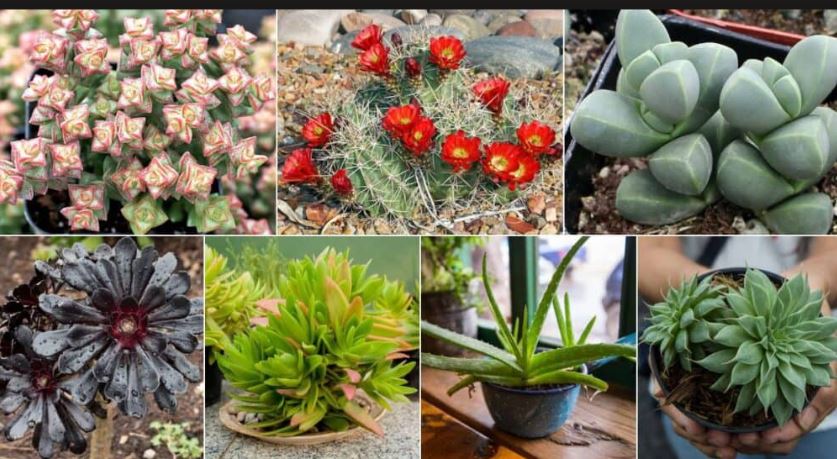
Families with young children may prefer safer succulent varieties that are less likely to cause irritation or poisoning. Plants such as haworthia, echeveria, and Christmas cactus are often considered better choices for child-friendly homes. Even non-toxic plants should still be handled carefully to avoid choking hazards or digestive discomfort from accidental chewing. Choosing safer plant varieties allows families to enjoy indoor greenery with fewer health concerns.
Safe Succulent Plants for Indoor Homes
Many succulent plants are considered relatively safe for indoor environments and are less likely to cause irritation or poisoning symptoms in humans. Choosing safer varieties helps homeowners enjoy decorative greenery while reducing risks for children and pets. Although no plant should be eaten intentionally, certain succulents are known for having lower toxicity levels compared to more irritating species. Researching plant safety before buying indoor succulents can help create healthier and safer living spaces for families.
Haworthia
Haworthia is a popular indoor succulent known for its low toxicity and easy maintenance. It has thick green leaves with decorative patterns and is generally considered safer around children and pets. The plant thrives in indirect sunlight and requires minimal watering, making it suitable for beginner plant owners. Although considered non-toxic, accidental chewing may still cause mild digestive discomfort, so supervision around young children is still recommended.
Echeveria
Echeveria succulents are widely grown indoors because of their colorful rosette-shaped leaves and relatively safe nature. They are considered one of the better succulent choices for homes with children or pets. These plants require bright light and well-draining soil to stay healthy. While they are not known for strong toxicity, it is still best to discourage children from touching or chewing plant leaves unnecessarily.
Burro’s Tail
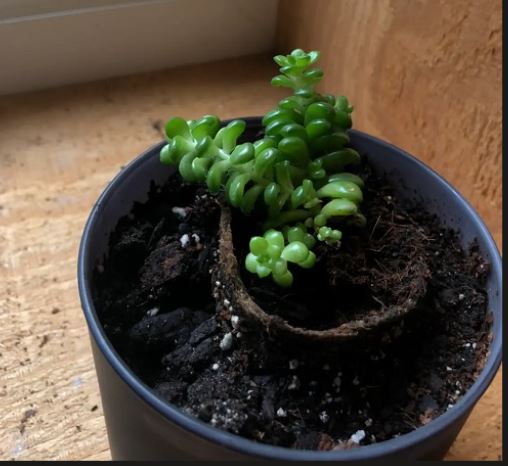
Burro’s Tail is a trailing succulent commonly used in hanging baskets and indoor planters. It is generally considered mildly toxic rather than highly dangerous. Most accidental exposure causes only minor irritation or digestive discomfort. Proper placement away from curious children helps reduce risks while still allowing homeowners to enjoy its decorative appearance and easy-care nature indoors.
Christmas Cactus
Christmas cactus is one of the safer succulent varieties for indoor homes and is less likely to cause significant poisoning symptoms. The plant produces colorful flowers and grows well in indirect light with moderate watering. Mild digestive upset may occur if large amounts are consumed, but serious toxicity is uncommon. Its lower risk level makes it a popular option for households seeking pet-friendly and child-friendly indoor plants.
How To Identify Toxic Succulent Plants
Identifying toxic succulent plants is important for creating a safer indoor environment for families, children, and pets. Some succulents appear harmless but contain irritating sap or toxic compounds that may cause skin reactions or digestive problems after contact or ingestion. Learning to recognize warning signs and researching plant safety before purchase can help prevent accidental exposure. Plant labels, online plant databases, and gardening resources are useful tools for identifying potentially harmful species and understanding their toxicity levels before bringing them indoors.
Warning Signs of Toxic Species
Succulents with thick milky sap, sharp chemical odors, or irritating latex-like liquid are often more likely to cause reactions. Plants from euphorbia and similar families commonly produce stronger irritants. Some toxic species may also have warning labels from nurseries or garden centers. While appearance alone cannot always confirm toxicity, unusual sap and irritation after touching leaves may indicate a potentially harmful plant that should be handled carefully.
Reading Plant Labels Carefully
Plant labels often include important information about toxicity, pet safety, and indoor care requirements. Reading labels before buying succulents helps identify plants that may not be suitable for homes with children or pets. Some nurseries also provide warnings about irritating sap or mild toxicity. Understanding scientific plant names can improve research accuracy because common names sometimes vary between regions and plant sellers.
Using Plant Identification Apps
Plant identification apps allow users to quickly identify succulent species using smartphone photos. Many apps also provide toxicity information, care instructions, and safety warnings. These tools are especially helpful when homeowners inherit plants or purchase unlabeled succulents. While apps improve plant recognition, checking additional reliable sources such as gardening websites or poison control databases helps confirm toxicity details before handling unknown species indoors.
Checking Toxicity Before Buying Plants
Researching succulent safety before purchase helps reduce accidental poisoning risks in homes with children and pets. Online gardening resources, nursery staff, and poison control databases often provide helpful toxicity information. Comparing plant species before buying also allows homeowners to choose safer alternatives when needed. Taking time to confirm plant safety helps create a healthier indoor environment while avoiding unnecessary exposure to toxic sap or harmful plant compounds.
How To Handle Toxic Succulents Safely
Handling toxic succulents carefully helps reduce the risk of skin irritation, eye exposure, and accidental poisoning. Many succulent-related reactions occur during pruning, repotting, or cleaning broken leaves that release irritating sap. Wearing protective gloves and washing hands after plant care are simple ways to avoid direct contact with toxic compounds. Safe handling practices are especially important in homes with children or pets who may accidentally touch plant material left behind after maintenance.
Wearing Gloves During Repotting
Protective gloves help prevent direct skin contact with toxic sap released from damaged leaves and stems. Thick gardening gloves are especially useful when handling succulents known for irritating milky sap. Gloves also reduce the risk of accidentally transferring harmful substances to the face or eyes. Washing reusable gloves after plant care helps remove any remaining sap residue and prevents repeated exposure during future gardening tasks.
Keeping Plants Away From Food Areas
Toxic succulents should not be placed near kitchen counters, dining tables, or food preparation spaces. Broken leaves or plant sap may accidentally contaminate surfaces used for eating or cooking. Keeping indoor plants away from food areas also reduces the chance of accidental ingestion by children. Proper placement helps maintain cleaner indoor environments while lowering exposure to potentially irritating plant compounds around the home.
Safe Disposal of Broken Leaves
Broken succulent leaves and stems should be disposed of carefully because damaged plant material may continue releasing irritating sap. Wearing gloves during cleanup helps avoid direct skin contact. Plant debris should be placed in sealed trash containers to prevent accidental handling by children or pets. Cleaning surfaces after disposal also removes leftover sap residue and helps reduce the risk of future irritation from contaminated objects or furniture.
Washing Hands After Handling
Washing hands thoroughly with soap and water after touching succulents helps remove toxic sap and prevent accidental exposure to the eyes or mouth. This habit is especially important after pruning, repotting, or handling damaged leaves. Even mildly toxic plants may cause irritation if sap remains on the skin for long periods. Proper hand washing reduces allergic reactions and supports safer indoor gardening practices for families and plant owners.
Frequently Asked Questions
Many people have concerns about whether succulent plants are dangerous for humans and how to handle them safely indoors. Understanding toxicity levels, symptoms, and prevention methods helps reduce accidental exposure and creates safer homes for families. Most succulent-related reactions are mild, but identifying harmful species and knowing how to respond quickly remains important. These frequently asked questions answer common concerns about poisonous succulents, skin irritation, and indoor plant safety for both adults and children.
Can Succulents Poison Humans?
Some succulents contain toxic sap or irritating compounds that may cause mild poisoning symptoms if touched or eaten. Common reactions include skin irritation, stomach discomfort, nausea, or mouth irritation. Severe poisoning is uncommon but may occur after large exposure amounts or allergic reactions. Identifying toxic species before bringing plants indoors helps reduce accidental exposure risks for families and children.
Which Succulent Is Most Toxic?
Succulents from the euphorbia family, including pencil cactus, are often considered among the more irritating varieties because of their strong milky sap. Direct contact may cause severe skin and eye irritation. Toxicity levels vary between plant species, and some individuals react more strongly because of allergies or sensitive skin. Researching plant safety before purchase helps identify higher-risk succulent varieties.
Is Aloe Vera Poisonous if Eaten Raw?
The clear gel inside aloe vera leaves is commonly used in products, but the yellow latex layer beneath the skin may cause digestive problems if eaten raw. Symptoms can include stomach cramps, vomiting, or diarrhea. Consuming large amounts increases the risk of stronger reactions. Children are generally more sensitive to aloe-related digestive irritation than healthy adults.
Can Succulent Sap Burn Skin?
Yes, certain succulent sap can irritate or burn sensitive skin after direct contact. Symptoms may include redness, itching, swelling, or burning sensations. Plants with thick milky sap are usually more likely to trigger skin reactions. Washing the affected area immediately with soap and water helps remove sap and reduce irritation before symptoms worsen.
Are Indoor Succulents Safe Around Babies?
Many succulents are safe indoors, but toxic species should be kept out of reach of babies and small children. Young children may accidentally touch or chew leaves, increasing exposure risks. Choosing safer succulent varieties and placing potentially harmful plants on high shelves helps create a more child-friendly indoor environment while still allowing decorative plant displays inside the home.
What Should I Do After Touching Toxic Plant Sap?
If toxic succulent sap touches the skin, wash the area immediately with soap and cool water. Avoid rubbing the eyes or face before cleaning the hands thoroughly. Contaminated clothing should also be removed and washed. Medical attention may be needed if severe irritation, swelling, or allergic reactions continue after cleaning the exposed area properly.

- How to Grow Microgreens Without Soil Indoors: Easy Home Method - October 5, 2026
- Microgreens vs. Sprouts: Key Differences, Nutrition, Safety, and Which One to Eat - October 5, 2026
- 10 Best Garden Tools For Weed Removal 2027 - October 3, 2026