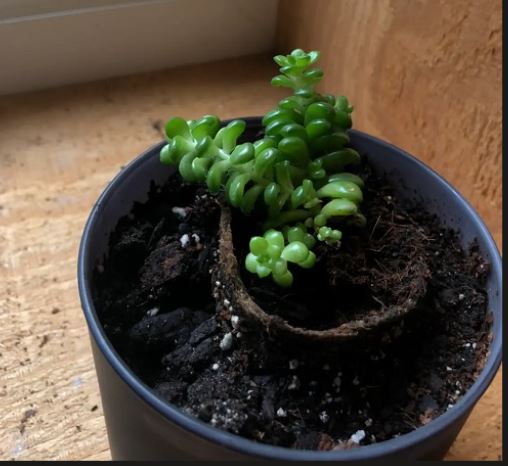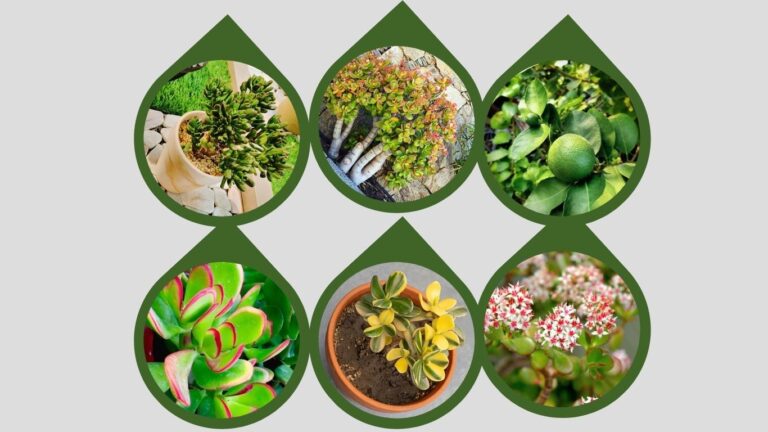
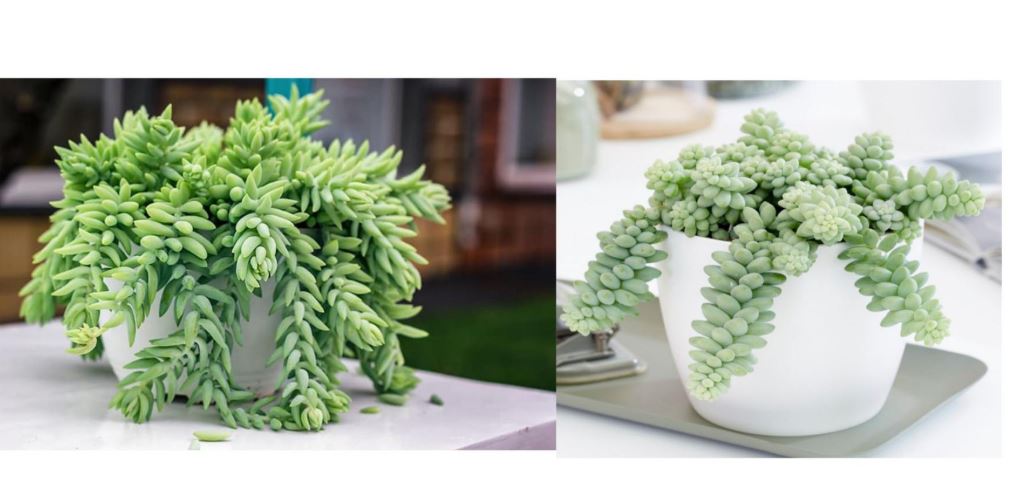
Burro’s tail and donkey tail are popular trailing succulents often confused because of their similar appearance and closely related names. Both plants feature long cascading stems covered with thick fleshy leaves, making them attractive choices for hanging baskets and indoor displays. Although many people use the names interchangeably, slight differences in leaf shape, growth pattern, and overall appearance can help distinguish them. Plant owners also frequently compare their care needs, propagation methods, and growth habits before choosing one for indoor gardening. Understanding the similarities and differences between these succulents makes identification easier and helps beginners select the right plant for their home, lighting conditions, and maintenance preferences.
Are Burro’s Tail and Donkey Tail the Same Plant?

Burro’s tail and donkey tail are mostly the same plant. People often use both names for the trailing succulent called Burro’s Tail. This plant is famous for its long hanging stems and thick green leaves. It is a popular choice for hanging baskets and indoor decoration. Some plant growers believe there are small differences between certain types, mainly in leaf shape and size. That is why the names sometimes confuse beginners. Even with these small differences, both plants look very similar and need almost the same care indoors.
Scientific Name Explained
The scientific name of this plant is Sedum morganianum. Scientific names help people identify plants correctly because common names can change from place to place.
Why the Names Are Used Interchangeably
People use both names because a burro is a type of donkey. Over time, gardeners and plant shops started using both names for the same succulent plant.
Common Naming Confusion
Some plant varieties have slightly different leaves. One may have round leaves, while another has pointed leaves. Because of this, sellers sometimes use different names for similar plants.
Origin of the Plant Names
The plant’s long hanging stems look like a donkey’s tail. This unique shape inspired the common names burro’s tail and donkey tail.
Main Differences Between Burro’s Tail and Donkey Tail
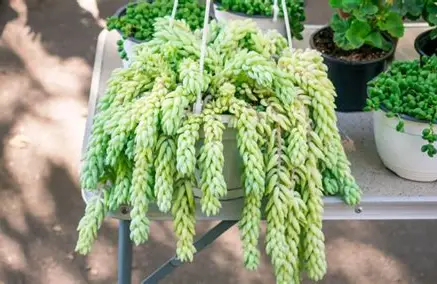
Burro’s tail and donkey tail look very similar, but there are a few small differences between them. The biggest difference is usually the shape and size of the leaves. Some varieties have shorter and rounder leaves, while others have longer and more pointed leaves. Their stems may also grow differently depending on the variety and growing conditions. These differences are small, so many people still think they are the same plant. Learning these features can help plant lovers identify each type more easily and choose the one they like most.
Leaf Shape Comparison
Burro’s tail usually has shorter, rounder, and tightly packed leaves. Donkey tail varieties may have slightly longer and pointed leaves that appear less compact on the stem.
Stem Thickness and Growth Pattern
Some burro’s tail plants grow thicker stems with dense leaves. Donkey tail plants may have longer trailing stems that appear slightly looser as they grow.
Color and Texture Differences
Both plants are usually green or blue-green, but leaf color can vary depending on sunlight and care. Some varieties may look lighter, softer, or more powdery than others.
Overall Appearance Indoors
Burro’s tail often looks fuller and more compact in hanging baskets. Donkey tail plants may appear longer and slightly less dense, especially as the stems mature indoors.
Burro’s Tail vs Donkey Tail Plant Identification
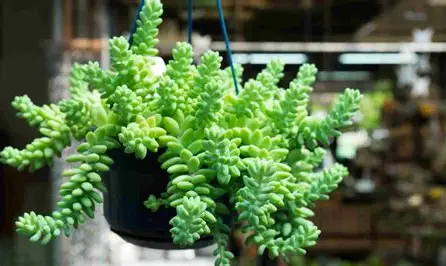
It can be hard to tell the difference between burro’s tail and donkey tail because both plants have trailing stems and thick leaves. Many people think they are exactly the same plant. However, careful observation can help you notice small differences in leaf shape, stem appearance, and growth style. Some varieties look more compact, while others grow longer and looser. Knowing these simple details makes plant identification easier for beginners and indoor plant lovers who want to understand which variety they own.
How To Identify Each Variety
Look closely at the leaves and stems. Burro’s tail usually has rounder and tightly packed leaves, while donkey tail varieties may have longer leaves with more space between them.
Compact vs Longer Leaf Growth
Burro’s tail often grows compact leaves close together on the stem. Donkey tail plants may grow slightly longer leaves that create a looser trailing appearance.
Trailing Length Differences
Both plants develop long hanging stems, but some donkey tail varieties may grow longer and thinner stems compared to fuller burro’s tail plants.
Differences in Mature Growth
As the plants mature, burro’s tail usually keeps a fuller and denser look. Donkey tail varieties may appear more stretched and less compact over time indoors.
Burro’s Tail vs Donkey Tail Care Requirements
Burro’s tail and donkey tail need very similar care because they are closely related succulents. Both plants grow best in bright light, warm temperatures, and well-draining soil. They also store water in their thick leaves, so they do not need frequent watering. Overwatering is one of the most common problems for both plants. Although there may be small differences in appearance, their indoor care routine is almost the same. Proper lighting, careful watering, and good drainage help both plants stay healthy and grow long trailing stems.
Light Needs
Both plants grow best in bright indirect sunlight. A few hours of gentle morning sun can help healthy growth, but strong afternoon sunlight may burn the leaves.
Watering Differences
Burro’s tail and donkey tail both prefer dry soil between waterings. Water only when the soil becomes completely dry to avoid root rot and mushy stems.
Soil and Drainage Needs
Fast-draining succulent soil is important for both plants. Pots with drainage holes help remove excess water and protect the roots from staying wet too long.
Temperature Preferences
Both plants prefer warm indoor temperatures and low humidity. Cold weather and frost can damage the leaves and slow down healthy growth.
Which Plant Grows Faster?
Burro’s tail and donkey tail are both slow to moderate-growing succulents. Their growth speed depends on sunlight, watering, temperature, and overall care. In good growing conditions, both plants can develop long trailing stems over time. Some plant owners notice that donkey tail varieties may grow slightly longer stems faster, while burro’s tail often grows thicker and fuller. Even though growth is not very fast, proper care helps both plants become healthy and attractive indoor hanging succulents with beautiful cascading stems.
Growth Rate Comparison
Both plants grow at a similar speed, especially indoors. Growth may become faster during spring and summer when the plants receive enough light and warmth.
Indoor Growth Speed
Indoor plants usually grow more slowly than outdoor plants because indoor light is less intense. Bright windows help improve healthy stem and leaf growth.
Hanging Basket Growth Habit
Both succulents grow beautifully in hanging baskets. Their trailing stems can slowly grow several feet long when given proper care and enough growing space.
Factors That Affect Growth
Sunlight, watering, soil quality, and temperature all affect growth speed. Too little light or too much water can slow growth and weaken the plant.
Which Plant Is Better for Beginners?
Both burro’s tail and donkey tail are good choices for beginners because they are low-maintenance succulents. They do not need frequent watering and can grow well indoors with basic care. However, their leaves are delicate and may fall off easily when touched or moved. Beginners who provide bright light, proper drainage, and careful watering usually have success growing these plants. Choosing between them mostly depends on personal preference because their care needs and growing habits are very similar for indoor plant owners.
Low-Maintenance Comparison
Both plants are easy to care for and do not require constant attention. They can tolerate dry soil and need less watering than many other indoor plants.
Common Growing Problems
Overwatering is the most common issue for both plants. Too much moisture can cause root rot, yellow leaves, and soft stems that damage healthy growth.
Leaf Drop Sensitivity
The leaves of both plants fall off easily when touched or moved roughly. Gentle handling helps keep the stems full and healthy-looking.
Best Choice for Indoor Spaces
Both plants work well in hanging baskets, shelves, and bright indoor rooms. Burro’s tail may look fuller, while donkey tail varieties often create a longer trailing appearance.
Burro’s Tail vs Donkey Tail Propagation
Burro’s tail and donkey tail are both easy to propagate from leaves or stem cuttings. This makes them popular choices for beginners who want to grow new succulent plants at home. Healthy leaves that fall from the stem can often develop roots and grow into new plants over time. Stem cuttings also grow well when placed in dry succulent soil. Both plants need warmth, bright light, and patience during propagation. With proper care, new roots and small leaves usually appear within a few weeks.
Propagation From Leaves
Fallen healthy leaves can grow new roots when placed on top of dry succulent soil. Bright indirect light helps support healthy root development during this process.
Stem Cutting Differences
Stem cuttings are one of the fastest ways to grow new plants. Allowing the cut end to dry before planting helps prevent rot and improves rooting success.
Rooting Speed Comparison
Both plants usually root at a similar speed. Warm temperatures and proper lighting can help roots develop faster and support healthy new growth.
Best Time To Propagate
Spring and summer are the best seasons for propagation because warmer temperatures and brighter light encourage quicker rooting and stronger growth.
Common Problems With Both Plants
Burro’s tail and donkey tail can develop a few common problems if they do not receive proper care. Overwatering, low light, rough handling, and poor drainage are the main causes of unhealthy growth. Their leaves are very delicate and can fall off easily when touched. Most problems can be prevented by giving the plants bright light, dry soil between waterings, and good airflow. Learning the warning signs early helps plant owners fix issues quickly and keep their succulents healthy and attractive indoors.
Leaves Falling Off Easily
The leaves detach very easily from the stems, especially when the plant is moved or touched often. Gentle handling helps reduce unnecessary leaf loss and keeps the plant fuller.
Overwatering Problems
Too much water can cause mushy stems, yellow leaves, and root rot. Letting the soil dry completely before watering helps protect the roots from excess moisture.
Leggy Growth in Low Light
Low light can cause weak and stretched stems with large gaps between leaves. Moving the plant to a brighter location encourages fuller and healthier growth.
Pests and Root Rot Issues
Mealybugs and root rot are common problems for both plants. Good drainage, proper airflow, and careful watering help prevent pests and moisture-related damage.
Burro’s Tail vs Donkey Tail Toxicity
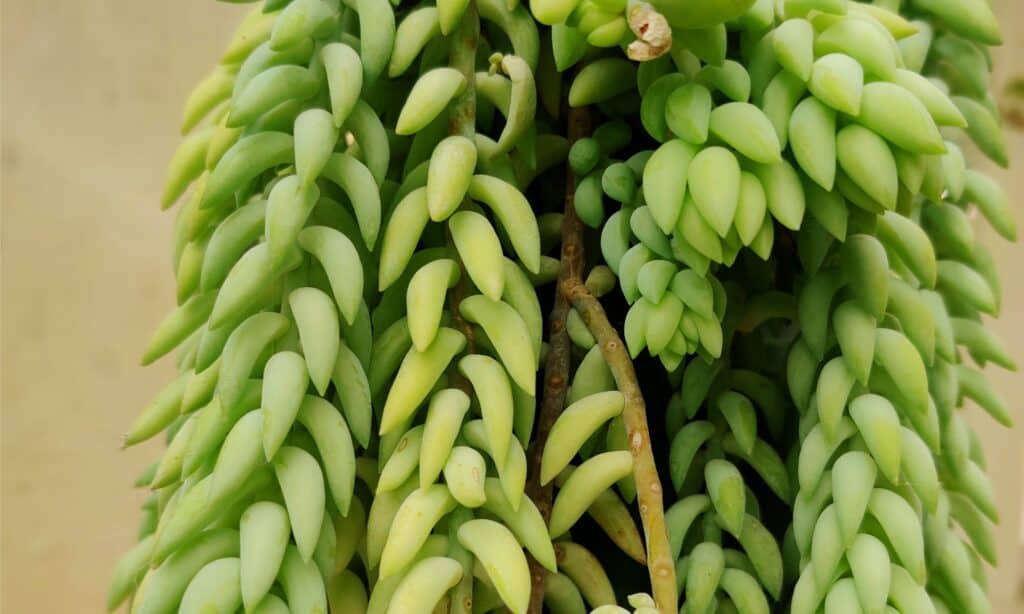
Burro’s tail and donkey tail are generally considered mildly toxic rather than highly dangerous. Most people grow these succulents safely indoors without major problems. However, eating the leaves may cause mild stomach discomfort in pets or humans. The plants may also irritate sensitive skin after direct contact with broken leaves or sap. Although serious poisoning is uncommon, it is still best to keep these plants away from small children and curious pets. Proper placement helps reduce accidental chewing and keeps indoor spaces safer for everyone.
Are They Safe for Pets?
Both plants may cause mild stomach upset if cats or dogs chew the leaves. Symptoms are usually mild and may include vomiting, drooling, or digestive discomfort.
Mild Toxicity Concerns
These succulents are not considered highly poisonous, but eating large amounts may still cause irritation or stomach problems in sensitive individuals or pets.
Child Safety Indoors
Small children may accidentally touch or chew the leaves while playing. Keeping the plants on shelves or in hanging baskets helps reduce accidental exposure.
Safe Placement Tips
Placing the plants in hanging containers or high indoor areas keeps them away from pets and children while still allowing the trailing stems to display beautifully.
Which One Should You Choose?
Choosing between burro’s tail and donkey tail mostly depends on your personal style and indoor space. Both plants are easy to care for and grow beautifully in hanging baskets or shelves. Burro’s tail usually looks fuller and more compact, while donkey tail varieties often have slightly longer trailing stems. Since their care needs are almost the same, beginners can successfully grow either plant indoors. Understanding their small visual differences can help you pick the succulent that best matches your home decoration and plant preferences.
Best for Hanging Baskets
Both plants look beautiful in hanging baskets because of their long trailing stems. Their cascading growth creates an attractive indoor display in bright rooms.
Best for Decorative Indoor Displays
Burro’s tail often appears fuller and denser, making it popular for decorative shelves and indoor planters. Donkey tail varieties may create a softer trailing look.
Easier Plant for Busy Owners
Both succulents are low-maintenance and work well for busy plant owners. They need little watering and can tolerate dry indoor conditions easily.
Final Recommendation Based on Care Style
Choose burro’s tail if you prefer a fuller compact look. Choose donkey tail if you like slightly longer and looser trailing stems for hanging displays.
Frequently Asked Questions
Many beginners have questions about burro’s tail and donkey tail because the plants look so similar. Understanding their names, care needs, and growth habits helps plant owners avoid confusion and choose the right succulent for indoor spaces.
Is Burro’s Tail the Same as Donkey Tail?
Yes, most people use both names for the same trailing succulent plant. Some growers may use the names for slightly different-looking varieties.
Which Plant Is More Expensive?
Prices are usually similar, although larger mature plants with long trailing stems may cost more because they take longer to grow.
Do Both Plants Flower Indoors?
Yes, both plants can produce small flowers indoors, although blooming is less common compared to outdoor growth conditions.
Why Do the Leaves Fall Off So Easily?
The leaves are naturally delicate and detach easily when touched or moved. Gentle handling helps prevent excessive leaf drop.
Can Beginners Grow These Succulents?
Yes, both plants are beginner-friendly succulents. Bright light, proper drainage, and careful watering are the main care requirements.
Are They Pet Safe?
Both plants are considered mildly toxic and may cause stomach discomfort if pets chew the leaves. Keeping them out of reach is recommended.
Final Thoughts
Burro’s tail and donkey tail are beautiful trailing succulents that bring texture and greenery to indoor spaces. Although the names are often used interchangeably, small differences in leaf shape and growth style can help distinguish certain varieties. Both plants are easy to care for, beginner-friendly, and perfect for hanging baskets or bright indoor rooms. With proper sunlight, careful watering, and gentle handling, these succulents can grow long healthy stems and remain attractive for many years.

- How to Grow Microgreens Without Soil Indoors: Easy Home Method - October 5, 2026
- Microgreens vs. Sprouts: Key Differences, Nutrition, Safety, and Which One to Eat - October 5, 2026
- 10 Best Garden Tools For Weed Removal 2027 - October 3, 2026