
Low light indoor plants are perfect for homes, apartments, and offices that don’t receive a lot of natural sunlight. Many houseplants naturally grow under forest canopies, which means they can easily adapt to shaded rooms and indirect light conditions indoors. These plants are popular because they are easy to maintain, beginner-friendly, and capable of thriving with minimal care.
From stylish Snake Plants and hardy ZZ Plants to beautiful Peace Lilies and trailing Pothos vines, low light houseplants can add life, color, and freshness to any indoor space. Some varieties also help improve indoor air quality while creating a calm and relaxing atmosphere inside your home.
Whether you want small plants for desks, hanging plants for shelves, or large leafy plants for living rooms, there are plenty of low maintenance options that grow well in dim environments. This list of 30 low light indoor house plants includes some of the most reliable, attractive, and easy-care plants for every type of indoor gardener.
Here are the first 5 plants from your list:
1. Snake Plant (Sansevieria trifasciata)

The Snake Plant is one of the most iconic and enduringly popular houseplants in the world. Its tall, upright, sword-like leaves with bold green banding and yellow edges create a striking architectural statement in any room. It is celebrated above all else for its toughness — surviving low light, drought, neglect, and poor air quality with remarkable ease. If you are looking for a plant that genuinely thrives on being ignored, this is it.
Soil & Nutrients
Use a cactus or succulent potting mix, or blend standard potting soil with 50% perlite or coarse sand for fast drainage. Snake Plants are extremely vulnerable to root rot in heavy, moisture-retaining soil. Feed once in spring and once in summer with a balanced liquid fertilizer diluted to half strength. No feeding at all in autumn or winter.
Lighting & Climate
One of the most light-tolerant houseplants in existence — it adapts to everything from deep shade to bright indirect light. Variegated yellow-edged varieties retain their colouring best in brighter conditions. Direct midday sun can scorch the leaves over time. Keep temperatures above 10°C and away from frost or cold drafts, which quickly turn the leaves soft and mushy.
Watering & Moisture
- Allow the soil to dry out completely before every watering
- Water every 2–3 weeks in summer, once a month or less in winter
- Root rot from overwatering is the number one cause of death — when in doubt, wait longer
- No humidity or misting required — thrives in dry indoor air
Pests & Problems
Overwatering causes soft, yellowing, foul-smelling leaves and rapidly spreading root rot. If the base of the leaves feels mushy, act immediately — remove rotted roots, let the plant dry out, and repot in fresh dry soil. Mealybugs occasionally appear between the tightly packed leaves — treat with isopropyl alcohol on a cotton swab. Spider mites can appear in very dry conditions.
Propagation
Snake Plants propagate in three reliable ways. Divide the rhizomes at the base during repotting, ensuring each section has at least one healthy leaf and roots attached. Cut a healthy leaf into 8–10 cm sections and push each section upright into moist cactus soil — new shoots emerge in 4–8 weeks. Or place leaf sections in water and wait for roots before potting into soil.
2. ZZ Plant (Zamioculcas zamiifolia)

The ZZ Plant is the ultimate survivor — thriving in low light, tolerating weeks of drought, and asking for very little in return. Its upright stems lined with small, oval, deep-green leaves that gleam like polished wax make it a sleek, modern addition to any indoor space. It is the perfect plant for busy households, dim offices, and anyone who has struggled to keep plants alive in the past.
Soil & Nutrients
Use a cactus or succulent mix, or blend standard potting soil with 50% perlite for fast drainage. The ZZ’s thick rhizomes store water, making heavy soil a fast route to root rot. Feed once a month in spring and summer with a balanced liquid fertilizer diluted to half strength. No feeding needed in autumn or winter — overfeeding causes leaf burn and slows steady growth.
Lighting & Climate
One of very few plants that genuinely thrives — not just survives — in low light. It handles dim offices and hallways without complaint while growing more vigorously in bright indirect light. Avoid direct sun, which scorches the glossy leaves quickly. Comfortable between 15°C and 35°C with no humidity requirements whatsoever — perfectly suited to dry, air-conditioned interiors.
Watering & Moisture
- Let the soil dry out completely before every watering
- Water every 2–3 weeks in summer, every 4–6 weeks in winter
- Mushy stems and yellowing leaves are clear signs of overwatering
- No misting needed — thrives perfectly in dry indoor air
Pests & Problems
Overwatering is by far the most common problem, causing yellow leaves and stem rot at the base. If stems feel soft, check roots immediately, remove any rot with clean scissors, and repot in fresh dry soil. Mealybugs and fungus gnats can occasionally appear — fungus gnats thrive in wet soil, so allowing the soil to dry completely between waterings is the single best prevention.
Propagation
Divide the rhizomes during spring repotting — each section needs at least one healthy stem with roots attached. Pot divisions individually in well-draining soil. Alternatively, take a leaf cutting with a short stalk attached, let it callous for a day, then push it into moist cactus soil. A small rhizome forms at the base over three to six months — slow but very rewarding.
3. Pothos (Epipremnum aureum)

Pothos is arguably the most forgiving houseplant on the planet — a fast-growing, trailing vine with heart-shaped, variegated leaves in shades of green, yellow, and white that thrives in almost any indoor condition. It grows rapidly, looks beautiful trailing from shelves or climbing a moss pole, and bounces back from neglect with remarkable speed. It is the single best plant for absolute beginners.
Soil & Nutrients
Any standard, well-draining potting mix works perfectly. Pothos is not fussy about soil composition, but it appreciates a light, airy mix with added perlite. Feed monthly during spring and summer with a balanced liquid fertilizer. Reduce to every six to eight weeks in autumn and stop in winter. Pale, washed-out leaves between feedings can indicate a need for nutrients.
Lighting & Climate
Pothos adapts to nearly any light condition — from very low light to bright indirect light. Variegated varieties retain their colour patterns best in brighter conditions. Avoid prolonged direct sun, which scorches and bleaches the leaves. Keep temperatures above 15°C and away from cold drafts or air conditioning, which causes yellowing and wilting of the leaves.
Watering & Moisture
- Allow the top 2–3 cm of soil to dry out between waterings
- Every 1–2 weeks in summer, every 2–3 weeks in winter
- Root rot develops quickly in consistently wet soil — always empty saucers after watering
- Tolerates standard indoor humidity well — no misting required
Pests & Problems
Overwatering is the most common cause of problems, leading to yellowing or mushy stems at the base. Leggy, sparse growth with widely spaced leaves signals insufficient light — move to a brighter spot immediately. Scale insects and spider mites can occasionally appear — treat promptly with neem oil spray or insecticidal soap. Pothos is toxic to pets and humans if ingested.
Propagation
Cut a stem just below a node — the small brown bump on the stem — with one to two leaves attached and place in a glass of water. Roots appear within one to two weeks. Once roots reach 3–4 cm, transfer to moist potting soil. Pothos is one of the fastest and most reliable plants to propagate in water, making it ideal for first-time propagators.
4. Peace Lily (Spathiphyllum wallisii)
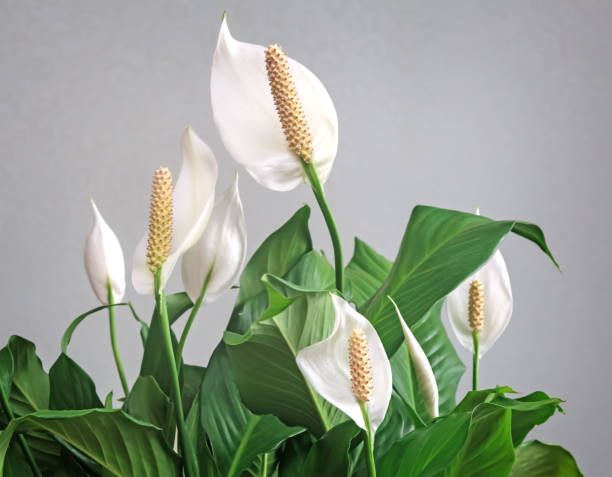
The Peace Lily is one of the most elegant and practical houseplants available, producing glossy deep-green leaves and graceful white spathe flowers that bloom reliably several times a year indoors. It is one of very few flowering plants that genuinely tolerates low light, making it a beloved choice for offices, bedrooms, and dimly lit living rooms. Its leaves droop noticeably when thirsty — making it one of the most communicative and beginner-friendly plants you can own.
Soil & Nutrients
Use a rich, well-draining potting mix that retains slight moisture without becoming waterlogged. Standard indoor potting soil blended with a small amount of perlite works well. Feed monthly during spring and summer with a balanced liquid fertilizer. Reduce to every six to eight weeks in autumn and stop in winter. Over-fertilizing causes brown leaf tips and can prevent flowering entirely.
Lighting & Climate
Peace Lilies are exceptional low-light performers and survive in rooms with very limited natural light. They bloom most reliably, however, in bright indirect light near a north or east-facing window. Direct sun bleaches and scorches the leaves rapidly. Keep temperatures between 18°C and 30°C and away from cold drafts and air conditioning vents, which cause rapid leaf browning.
Watering & Moisture
- Water when the top 2–3 cm of soil feels dry — or when leaves begin to droop slightly
- Every 5–7 days in summer, every 10–14 days in winter
- Never allow roots to sit in standing water for extended periods
- Moderate to high humidity preferred — mist occasionally or use a pebble tray
Pests & Problems
Yellow leaves most commonly result from overwatering, too much direct sun, or cold stress. Brown leaf tips are caused by low humidity, fluoride in tap water, or over-fertilizing — switch to filtered water if browning persists. Mealybugs and spider mites occasionally appear — treat with neem oil spray. Peace Lily is toxic to cats, dogs, and humans if ingested — keep well out of reach.
Propagation
Divide mature plants at the root base during spring repotting. Gently separate healthy clumps with their own roots and leaves and pot each division individually in moist potting mix. Keep divisions in warm indirect light and maintain consistent moisture while they establish. New growth typically appears within two to three weeks confirming successful establishment.
5. Chinese Evergreen (Aglaonema commutatum)

The Chinese Evergreen has been a prized indoor plant across Asia for centuries and it is easy to see why. With leaf patterns ranging from deep green and silver to vivid pink and red, it delivers outstanding decorative impact with minimal effort. It adapts to almost any indoor environment and grows into a full, lush, mounding shape over time — one of the most reliably beautiful and easygoing houseplants you will ever grow.
Soil & Nutrients
Use a slightly acidic, well-draining mix — standard potting soil blended with perlite and a little peat moss or coco coir works well. Repot every two years in spring. Feed once a month in spring and summer with a balanced fertilizer at half strength. Over-fertilizing causes salt buildup and brown leaf edges — less is always more with this plant.
Lighting & Climate
Dark green varieties tolerate genuinely low light and thrive far from windows. Variegated pink and red varieties need brighter indirect light to keep their colour vivid and intense. All varieties burn quickly in direct sunlight. Keep temperatures between 16°C and 27°C and avoid cold drafts and temperatures below 10°C, which cause dark water-soaked patches to appear on the leaves.
Watering & Moisture
- Water when the top 3–5 cm of soil feels dry
- Once a week in summer, every 10–14 days in winter
- Never let roots sit in standing water
- Mist 2–3 times a week or use a pebble tray to maintain humidity
Pests & Problems
Yellow leaves point to overwatering, cold stress, or too much direct sun. Curling leaves mean underwatering or very low humidity. Brown edges suggest salt or fluoride buildup — flush the soil with clean water every few months to prevent this. Watch for mealybugs and spider mites on leaf undersides and treat with neem oil or diluted isopropyl alcohol. This plant is toxic to pets and humans if ingested.
Propagation
Take a stem cutting with four to six leaves just below a node and place in water. Roots form in two to four weeks. Transfer to moist potting mix and keep in bright indirect light until well established. For faster results, divide mature plants at the root base during spring repotting, separating stems with intact roots into individual pots. Division causes minimal stress and produces results almost immediately.
6. Cast Iron Plant (Aspidistra elatior)

The Cast Iron Plant is virtually indestructible — and proud of it. With its broad, dark-green, lance-shaped leaves growing in dense upright clumps, it tolerates conditions that would quickly kill almost any other houseplant — deep shade, irregular watering, temperature fluctuations, and dust-filled air. It grows slowly and quietly, asking for almost nothing in return, making it the single most reliable choice for truly difficult indoor spots where nothing else will survive.
Soil & Nutrients
Use a standard, well-draining potting mix. Cast Iron Plants are not fussy about soil composition but do not tolerate waterlogged conditions. Feed once every two months during spring and summer with a balanced liquid fertilizer. This plant grows slowly and does not require heavy feeding — overfeeding produces weak, lush growth more vulnerable to pests and disease.
Lighting & Climate
One of the best genuine low-light houseplants in existence — it thrives in deep shade with no direct sun at all. Direct sunlight bleaches and yellows the leaves surprisingly quickly for such a tough plant. Keep temperatures between 7°C and 27°C. It tolerates cooler rooms and occasional cold drafts far better than most houseplants, making it ideal for hallways and porches.
Watering & Moisture
- Allow the soil to dry out completely between waterings
- Water every 2–3 weeks in summer, once a month in winter
- Strongly prefers underwatering to overwatering — very tolerant of missed waterings
- No humidity requirements — tolerates dry indoor air without any issue
Pests & Problems
Spider mites and scale insects are the most common pests, particularly in dry indoor air. Wipe the large leaves with a damp cloth regularly to prevent dust buildup and deter pests naturally. Yellowing leaves are usually caused by overwatering or too much direct sun — both easily corrected by adjusting care immediately. This plant rarely experiences serious problems of any kind.
Propagation
Divide the rhizomes during spring repotting. Each division needs at least two to three healthy leaves with roots firmly attached. Pot individually in standard potting mix and water sparingly for the first few weeks. New growth is slow to appear but steady once the roots are established. Patience is essential — this is not a fast-growing plant at any stage of its life.
7. Parlour Palm (Chamaedorea elegans)

The Parlour Palm is a graceful, compact indoor palm with delicate arching fronds of deep green that bring a refined tropical elegance to any room. It has been one of the most popular indoor plants since the Victorian era and remains a timeless classic for living rooms, offices, and low-light spaces. Unlike most palms, it genuinely thrives indoors without demanding the intense light typical of the palm family.
Soil & Nutrients
Use a well-draining, slightly sandy potting mix — combine standard indoor potting soil with perlite or coarse sand. Feed once a month during spring and summer with a balanced liquid fertilizer diluted to half strength. Avoid over-fertilizing, which causes brown leaf tips and salt buildup in the soil. No feeding required in autumn or winter when growth naturally slows.
Lighting & Climate
Parlour Palms adapt to low and medium indirect light better than almost any other palm species. They prefer bright indirect light for fastest growth but manage comfortably in genuinely dim rooms. Avoid direct sun, which scorches and bleaches the delicate fronds quickly. Keep temperatures between 16°C and 27°C and away from cold drafts, which cause frond browning and dieback.
Watering & Moisture
- Allow the top 3 cm of soil to dry before watering
- Water every 7–10 days in summer, every 2–3 weeks in winter
- Yellow fronds signal overwatering — brown tips suggest dry air or fluoride in tap water
- Mist regularly or place on a pebble tray with water to maintain adequate humidity
Pests & Problems
Spider mites are the most serious pest threat, particularly in dry air — check the undersides of fronds regularly and treat immediately with neem oil spray. Brown leaf tips are extremely common and usually cosmetic — caused by dry air, tap water fluoride, or slight underwatering. Trim brown tips neatly with sharp scissors at an angle to maintain a natural appearance without damaging the frond.
Propagation
Parlour Palms do not propagate easily from cuttings and are best grown from seed or by dividing clumping stems at the base during repotting in spring. Seed germination takes several months and requires consistently warm temperatures above 25°C. Division is more practical but must be done carefully to avoid damaging the shallow, sensitive root system. Each divided clump needs several healthy fronds and intact roots.
8. Philodendron (Philodendron hederaceum)

The Heartleaf Philodendron is a fast-growing, trailing or climbing vine with glossy, heart-shaped leaves in rich emerald green. It is one of the most easygoing and adaptable houseplants available, trailing beautifully from shelves or climbing energetically up a moss pole. Its rapid growth, minimal care requirements, and ability to thrive in a wide range of indoor conditions make it an enduring favourite for beginners and experienced collectors alike.
Soil & Nutrients
Use a well-draining, airy potting mix — standard potting soil blended with perlite works perfectly. Feed monthly during spring and summer with a balanced liquid fertilizer at full strength. Reduce feeding to every six to eight weeks in autumn and stop completely in winter. Pale, leggy growth between feedings can indicate a nutrient deficiency that responds quickly to regular fertilizing.
Lighting & Climate
Heartleaf Philodendrons thrive in bright indirect light but tolerate low-light conditions better than most vining plants. In very dim spots, growth slows significantly and the leaves become smaller and more widely spaced on longer stems. Avoid direct sun, which scorches the glossy leaves. Keep temperatures between 16°C and 29°C and maintain moderate humidity for the best, most vigorous results.
Watering & Moisture
- Water when the top 3 cm of soil feels dry to the touch
- Every 7–10 days in summer, every 14 days in winter
- Yellow leaves signal overwatering — brown crispy edges signal underwatering or dry air
- Mist occasionally or place near other plants to naturally increase ambient humidity
Pests & Problems
Generally very pest-resistant, but mealybugs and spider mites can occasionally appear in dry conditions. Treat with neem oil spray or wipe affected areas with diluted isopropyl alcohol on a cloth. Root rot from overwatering is the most common serious problem — always ensure the pot drains freely. Philodendron is toxic to pets and humans if ingested — keep well out of reach of children and animals.
Propagation
Take a stem cutting just below a node with one to two leaves attached and place in water. Roots emerge within one to two weeks. Transfer to soil once roots reach 3–4 cm long. Heartleaf Philodendron is one of the fastest and most reliable plants to propagate in water — a single healthy plant can produce dozens of cuttings, making it easy to share and multiply.
9. Dracaena (Dracaena marginata)

Dracaena is a tall, elegant, low-maintenance houseplant with long, narrow, arching leaves edged in deep red or purple on a slender, cane-like trunk. It develops a striking, almost palm-tree-like silhouette over time that suits modern, minimalist, and tropical interiors equally well. It is one of the most effective air-purifying houseplants available and thrives with remarkably little attention once placed in the right spot.
Soil & Nutrients
Use a loose, well-draining potting mix — standard indoor potting soil blended with perlite works well. Dracaena is a light feeder with modest nutritional requirements. Feed once a month in spring and summer with a balanced liquid fertilizer at half strength. Avoid feeding in autumn and winter. Excess fertilizer is a very common cause of the brown leaf tips this plant is known for.
Lighting & Climate
Dracaena adapts well to a range of light conditions, from low-light interiors to bright indirect light near a window. Variegated varieties retain their colouring best in brighter conditions. Avoid direct sun, which scorches the long, thin leaves and causes permanent bleaching. Keep temperatures between 16°C and 28°C and well away from cold drafts and air conditioning vents at all times.
Watering & Moisture
- Allow the top half of soil to dry out before watering
- Water every 1–2 weeks in summer, every 3–4 weeks in winter
- Fluoride in tap water causes brown tips — use filtered or rainwater where possible
- Tolerates dry air but benefits from occasional misting to maintain leaf health
Pests & Problems
Brown leaf tips are the most common complaint, caused by fluoride in water, low humidity, or over-fertilizing — switching to filtered water resolves most tip browning over time. Yellow leaves signal overwatering. Spider mites and mealybugs can appear in dry conditions — treat with neem oil spray. Dracaena is toxic to cats and dogs, so keep out of reach of all household pets.
Propagation
Cut a healthy stem into 8–10 cm sections, ensuring each has at least one visible node. Place cuttings horizontally halfway into moist potting soil or stand them upright in water. Roots and new shoots emerge in four to six weeks. This method — known as cane propagation — is highly reliable and produces multiple new plants efficiently from a single mature stem.
10. Spider Plant (Chlorophytum comosum)
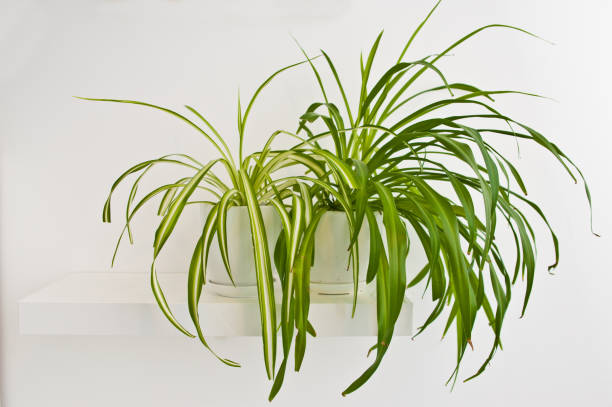
The Spider Plant is one of the most cheerful and resilient houseplants you can grow indoors. Its long, arching green-and-cream striped leaves and cascading spiderettes bring lively, fountain-like energy to shelves, hanging baskets, and mantels alike. It thrives in a wide variety of indoor conditions, asks for very little, and produces baby plants so readily that you will soon have enough to fill your home and share with everyone you know.
Soil & Nutrients
Use a lightweight, well-draining potting mix. Add perlite or coarse sand to improve drainage and prevent root compaction over time. Feed with a balanced liquid fertilizer once every two weeks during spring and summer, reducing to once a month in autumn. Stop feeding entirely in winter. Avoid over-fertilizing — excess nutrients are a very common cause of the brown leaf tips this plant frequently develops.
Lighting & Climate
Spider Plants adapt comfortably to almost any indoor light situation — from low-light corners to bright windowsills. They grow fastest and produce the most spiderettes in bright indirect light near an east or north-facing window. Keep temperatures between 13°C and 27°C and avoid cold drafts, which cause leaf damage and browning. They adapt well to standard indoor humidity without requiring any extra misting.
Watering & Moisture
- Allow the top 3–4 cm of soil to dry before watering
- Water once a week in summer, every 10–14 days in winter
- Use pots with drainage holes to prevent root rot at all times
- No misting needed — tolerates dry indoor air without complaint
Pests & Problems
Browning tips are the most common complaint — usually caused by fluoride in tap water, over-fertilizing, or dry air. Switch to filtered or rainwater if tip browning persists. Yellow leaves signal overwatering. Spider mites and aphids can appear in dry conditions — treat promptly with neem oil spray or insecticidal soap to prevent rapid spread across the plant.
Propagation
Snip a spiderette from the mother plant and place it in a glass of water. Roots appear within one to two weeks. Once roots reach approximately 3 cm, pot into moist soil and treat as a mature plant. Alternatively, pin the spiderette directly onto moist soil in a separate pot while still attached to the mother plant and cut the connecting stem only after rooting is confirmed.
11. Lucky Bamboo (Dracaena sanderiana)

Lucky Bamboo is not actually bamboo at all — it is a member of the Dracaena family that closely resembles bamboo in its upright, segmented stem structure. It is one of the most popular good-luck plants in the world, deeply associated with Feng Shui principles and widely gifted for new homes, offices, and celebrations. It grows beautifully in water or soil and brings a clean, elegant, zen-like quality to any indoor space.
Soil & Nutrients
Lucky Bamboo grows equally well in water alone or in a well-draining potting mix. When growing in water, use distilled or filtered water and change it completely every two weeks to prevent bacterial buildup. When growing in soil, use a light, well-draining indoor potting mix with added perlite. Feed monthly in spring and summer with a very diluted balanced liquid fertilizer — this plant requires very minimal nutrients.
Lighting & Climate
Lucky Bamboo thrives in bright, indirect light and grows most vigorously near an east-facing window. It tolerates lower light conditions well but becomes pale and leggy in very dim spots over time. Avoid direct sun entirely, which scorches and yellows the stems and leaves rapidly. Keep temperatures between 18°C and 30°C and away from cold drafts and air conditioning vents.
Watering & Moisture
- If growing in water, keep roots submerged and change water every two weeks
- If growing in soil, water when the top 3 cm feels dry — every 7–10 days in summer
- Use only filtered or distilled water — tap water causes yellow leaves due to fluoride and chlorine
- Standard indoor humidity is sufficient — no misting required
Pests & Problems
Yellow leaves are the most common problem, almost always caused by fluoride or chlorine in tap water, too much direct sun, or over-fertilizing. Switch to filtered water immediately if yellowing appears. Mealybugs and spider mites occasionally target Lucky Bamboo — treat with diluted neem oil spray. Algae can develop in the water container when exposed to direct light — use an opaque container to prevent this effectively.
Propagation
Cut a healthy stem just below a node using clean, sharp scissors and place it in a container of filtered water. Roots develop from the cut end within two to four weeks. Once roots are well established, the new cutting can remain in water permanently or be transplanted into a small pot of well-draining potting mix. Lucky Bamboo propagates reliably and quickly using this simple method.
12. Calathea (Calathea ornata)

The Calathea is one of the most visually spectacular houseplants available, with intricately patterned leaves featuring pinstripes, feathering, and bold contrasting colours on both the upper and lower surfaces. Known as the Prayer Plant for the way its leaves fold upward at night and reopen each morning, it brings extraordinary living artistry to any indoor space. While undeniably beautiful, Calathea is more demanding than most houseplants and rewards attentive, consistent care with truly extraordinary foliage.
Soil & Nutrients
Use a rich, moisture-retaining but well-draining mix. Combine standard potting soil with perlite and peat moss or coco coir for the ideal balance. Repot every one to two years in spring when roots begin to crowd the container. Feed monthly during spring and summer with a balanced liquid fertilizer at half strength. Avoid feeding in autumn and winter — overfeeding causes brown edges and stunted growth.
Lighting & Climate
Calathea thrives in medium to bright indirect light. Direct sun bleaches and scorches the delicate patterned leaves very quickly and irreversibly. A north or east-facing window is ideal. Keep temperatures consistently between 18°C and 27°C and away from cold drafts and sudden temperature changes, which cause leaf edges to brown and curl rapidly within hours of exposure.
Watering & Moisture
- Keep soil consistently moist but never waterlogged at any point
- Water every 5–7 days in summer, every 10–14 days in winter
- Use distilled or rainwater — tap water causes brown edges from fluoride and chlorine
- High humidity is essential — mist daily or use a humidifier nearby for best results
Pests & Problems
Brown crispy leaf edges are the most common problem, caused by low humidity, tap water minerals, cold air, or inconsistent watering. Spider mites thrive in dry conditions and are a frequent and serious pest — increase humidity immediately and treat with neem oil spray at the very first sign of infestation. Root rot develops quickly if the soil remains waterlogged for any extended period.
Propagation
Divide mature plants at the root base during spring repotting. Gently separate healthy clumps with their own established roots and pot individually in moist, rich soil. Keep divisions in warm, humid conditions and indirect light for the first few weeks while they recover and establish new root systems. New leaf growth emerging from the centre of the division confirms successful establishment.
13. Arrowhead Plant (Syngonium podophyllum)
The Arrowhead Plant is a fast-growing, versatile houseplant named for the distinctive arrowhead shape of its young leaves. As it matures, the leaves develop into deeply lobed, multi-fingered forms that add interesting texture and variety to the display. Available in shades of green, pink, burgundy, and cream, it works beautifully as a compact tabletop plant when young or a trailing and climbing specimen as it matures.
Soil & Nutrients
Use a well-draining, airy potting mix — standard potting soil blended with perlite works very well. Feed monthly during spring and summer with a balanced liquid fertilizer at half strength. Reduce feeding to every six to eight weeks in autumn and stop completely in winter. Regular feeding during the growing season produces noticeably larger, more vibrant leaves with stronger colouring.
Lighting & Climate
Arrowhead Plants adapt to a wide range of indoor light conditions. Green varieties tolerate lower light well, while pink and variegated varieties require brighter indirect light to maintain their colour intensity. Avoid direct sun, which causes scorching and bleaching of the delicate leaves. Keep temperatures between 16°C and 29°C and maintain moderate humidity for the most lush, vigorous growth.
Watering & Moisture
- Allow the top 3 cm of soil to dry before watering
- Water every 7 days in summer, every 10–14 days in winter
- Yellowing leaves signal overwatering — wilting and dry soil signal underwatering
- Mist regularly or place on a pebble tray to maintain moderate humidity levels
Pests & Problems
Spider mites, mealybugs, and aphids are the most common pests — all thriving in dry indoor conditions. Inspect the undersides of leaves regularly and treat any infestation promptly with neem oil spray or insecticidal soap. Leggy growth with widely spaced leaves signals insufficient light — move to a brighter spot and pinch back stems to encourage a bushier, fuller habit. Syngonium is toxic to pets and humans if ingested.
Propagation
Take a stem cutting just below a node with one to two leaves attached and place in water or moist potting mix. Roots form in one to two weeks in water. Transfer to soil once roots reach 3–4 cm. Arrowhead Plants propagate very quickly and reliably, making them one of the easiest houseplants to multiply. Tip cuttings taken during pruning can be rooted immediately rather than discarded.
14. Monstera Deliciosa (Monstera deliciosa)

The Monstera is arguably the most iconic houseplant of the modern era. Its dramatic, deeply split and fenestrated leaves create an unmistakable tropical silhouette that transforms any room into a bold, lush living space. Despite its impressive size and appearance, the Monstera is remarkably straightforward to grow indoors with just a little attention to light, watering, and space. It rewards good care with rapid, spectacular growth that never fails to impress visitors.
Soil & Nutrients
Use a rich, chunky, well-draining potting mix — combine standard potting soil with perlite and a handful of orchid bark for excellent aeration and drainage. Feed monthly during spring and summer with a balanced liquid fertilizer at full strength. Reduce to every six to eight weeks in autumn and stop completely in winter. A well-fed Monstera in good light produces noticeably larger, more dramatically split leaves.
Lighting & Climate
Monstera thrives in bright indirect light and grows fastest near a large east or west-facing window. It tolerates moderate light but produces fewer and smaller leaf splits in dim conditions — a clear sign it needs more light. Avoid harsh direct sun, which scorches and bleaches the large leaves permanently. Keep temperatures between 18°C and 30°C with moderate to high humidity for best results.
Watering & Moisture
- Water when the top 5 cm of soil has dried out completely
- Every 7–10 days in summer, every 2–3 weeks in winter
- Yellowing lower leaves usually signal overwatering or poor drainage
- Mist regularly or use a humidifier — Monstera genuinely loves and responds well to humidity
Pests & Problems
Overwatering causes root rot and rapidly spreading yellowing of the lower leaves. Too little light results in small, unsplit new leaves that lack the characteristic fenestrations. Spider mites, mealybugs, and thrips are occasional pests — treat with neem oil spray and increase air circulation around the plant. Wipe the large leaves regularly with a damp cloth to remove dust and naturally deter pest activity.
Propagation
Cut a stem just below a node that includes an aerial root. Place in water or moist sphagnum moss in a warm, bright spot. Roots develop in three to five weeks. Transfer to soil once roots are 4–5 cm long and well developed. Monstera propagates reliably and quickly using this simple method — one of the most satisfying propagation experiences available to any houseplant enthusiast.
15. English Ivy (Hedera helix)

English Ivy is a classic trailing and climbing houseplant with distinctive lobed leaves available in green, variegated silver, and cream-edged varieties. It is elegant, fast-growing, and highly versatile — equally beautiful cascading from a hanging basket, framing a window, or trained up a small indoor trellis. It prefers cooler conditions than most tropical houseplants, making it an ideal choice for porches, hallways, cool offices, and north-facing rooms.
Soil & Nutrients
Use a well-draining, all-purpose potting mix. English Ivy is not demanding about soil quality as long as drainage is adequate. Feed every two weeks during spring and summer with a balanced liquid fertilizer. Reduce to once a month in autumn and stop completely in winter. Over-fertilizing produces lush but weak, soft growth that is significantly more attractive to pests and more vulnerable to disease.
Lighting & Climate
English Ivy adapts to a wide range of light conditions — from low light to bright indirect light. Variegated varieties retain their markings best in brighter conditions. Avoid direct midday sun, which scorches the delicate leaves. Prefers cooler temperatures between 10°C and 21°C — it genuinely struggles in very warm, dry rooms, becoming stressed and highly prone to spider mite infestation in such conditions.
Watering & Moisture
- Allow the top 2–3 cm of soil to dry before watering
- Water every 7 days in summer, every 10–14 days in winter
- Yellowing leaves signal overwatering — wilting and dry soil signal underwatering
- Mist regularly — English Ivy prefers moderate humidity and dislikes very dry indoor air
Pests & Problems
Spider mites are the most serious and persistent pest threat for English Ivy indoors, particularly in warm, dry rooms. Regular misting, cooler temperatures, and good air circulation are the most effective preventive measures. Scale insects and mealybugs also occasionally appear on the stems and leaf undersides. English Ivy is toxic to cats, dogs, and children if ingested — position carefully in homes with pets or young children.
Propagation
Cut a stem tip with three to four leaves just below a node and place in water in a bright, indirect spot. Roots form within one to three weeks. Transfer to moist potting soil once roots are well developed and at least 3 cm long. English Ivy propagates very easily and quickly, making it simple to fill out hanging baskets, replace leggy growth, or create new plants to share generously with others.
17. Peperomia

Peperomia is a large family of compact, low-maintenance houseplants with over 1,000 species. Leaf shapes, textures, and colors vary widely, from thick succulent-like leaves to rippled, waxy, or striped varieties. They stay small, rarely exceeding 30 cm, which makes them ideal for desks, shelves, and windowsills. Beginners find them forgiving. Experienced growers collect them.
Soil & Nutrients
Use a light, well-draining mix. Combine potting soil with perlite at a 1:1 ratio, or use a cactus mix. Peperomia roots rot quickly in heavy, moisture-retaining soil. Feed once a month in spring and summer with a balanced liquid fertilizer at half strength. No feeding needed in autumn and winter.
Lighting & Climate
Bright indirect light produces the best color and compact growth. Most varieties tolerate medium and low light but grow slower and lose vibrancy. Variegated types need more light to keep their patterns. Avoid direct sun, which scorches the leaves. Keep temperatures between 15°C and 26°C. They dislike cold drafts and temperatures below 10°C.
Watering & Moisture
- Let the top half of the soil dry out completely before watering
- Water every 10 to 14 days in summer, every 3 to 4 weeks in winter
- Yellowing leaves and mushy stems signal overwatering
- Wilting with dry soil signals underwatering
- Peperomia store water in their leaves and tolerate drought far better than excess moisture
Pests & Problems
Fungus gnats are the most common problem, usually caused by consistently wet soil. Allow soil to dry more between waterings to break the cycle. Mealybugs appear in leaf joints and stem bases. Remove them with a cotton swab dipped in rubbing alcohol and follow up with neem oil spray. Root rot from overwatering is the leading cause of plant loss.
Propagation
Peperomia propagate easily from leaf or stem cuttings in spring and summer. Cut a healthy leaf with its stem attached, place it in moist perlite or water, and roots form within 3 to 4 weeks. Thick-leaved varieties like Watermelon Peperomia root reliably from leaf sections alone. Keep cuttings warm and in bright indirect light for the fastest results.
17. Bird’s Nest Fern
Bird’s Nest Fern is a striking tropical fern with broad, glossy, bright green fronds that grow in a circular rosette pattern. The center forms a dark, nest-like cluster, which gives the plant its name. Unlike most ferns, its fronds are smooth and undivided, making it look more architectural than delicate. It grows well in homes and offices with moderate humidity.
Soil & Nutrients
Use a light, well-draining mix rich in organic matter. A combination of potting soil, perlite, and peat works well. Feed once a month in spring and summer with a balanced liquid fertilizer at half strength. Avoid getting fertilizer into the central rosette, which causes rot. No feeding needed in autumn and winter.
Lighting & Climate
Bright indirect light produces wide, deep green fronds. Low to medium light is tolerated but slows growth and narrows the fronds. Direct sun burns and bleaches the leaves quickly. Keep temperatures between 16°C and 27°C. It dislikes cold drafts and dry air, both of which cause browning along the frond edges.
Watering & Moisture
- Water when the top 2 to 3 cm of soil feels dry
- Water every 7 to 10 days in summer, every 2 to 3 weeks in winter
- Always water around the base, never directly into the central rosette
- Brown, crispy frond edges signal low humidity or underwatering
- Yellow fronds signal overwatering or waterlogged soil
Pests & Problems
Scale insects and mealybugs are the most common pests. Check the undersides of fronds regularly and treat with neem oil spray. Brown frond edges are the most frequent complaint and usually point to dry air. Mist the fronds regularly or place the pot on a pebble tray filled with water to raise humidity around the plant.
Propagation
Bird’s Nest Fern does not propagate easily from cuttings. It reproduces from spores, which appear as brown lines on the undersides of mature fronds. Collecting and germinating spores is a slow process requiring consistently warm, humid conditions and several months of patience. Most gardeners buy new plants rather than propagate from spores.
18. Boston Fern
Boston Fern is one of the most popular indoor ferns, known for its long, arching fronds covered in small, bright green leaflets. It brings a lush, full appearance to hanging baskets, shelves, and entryways. It grows fast under the right conditions but is one of the more demanding houseplants when it comes to humidity and consistent watering. Neglect shows quickly.
Soil & Nutrients
Use a rich, well-draining potting mix with good moisture retention. Combine standard potting soil with peat and perlite. Feed once every two weeks in spring and summer with a balanced liquid fertilizer at half strength. Cut feeding back to once a month in autumn and stop entirely in winter when growth slows.
Lighting & Climate
Bright indirect light is ideal. Boston Ferns tolerate medium light but grow more slowly and produce fewer fronds. Direct sun scorches the delicate leaflets fast. Keep temperatures between 15°C and 24°C. They are highly sensitive to cold drafts and heating vents, both of which dry the air and cause rapid frond drop.
Watering & Moisture
- Keep the soil consistently moist but never waterlogged
- Water when the top 1 to 2 cm of soil begins to dry
- Water every 5 to 7 days in summer, every 10 to 14 days in winter
- Dry soil causes rapid yellowing and frond drop
- High humidity above 50% is essential. Mist daily or use a humidifier nearby
Pests & Problems
Spider mites and scale insects are the most common threats, both encouraged by dry air. Check fronds regularly and treat with neem oil spray at the first sign. Yellowing and dropping fronds are the most frequent problem and usually point to low humidity, dry soil, or cold air. Brown, crispy leaflet tips indicate dry air or underwatering.
Propagation
Boston Ferns propagate well by division in spring. Remove the plant from its pot and gently separate the root ball into two or more sections, each with healthy fronds and roots attached. Repot each section in fresh soil and water thoroughly. Keep divided plants in a humid spot with bright indirect light until they establish.
19. Dieffenbachia
Dieffenbachia is a bold tropical houseplant with large, patterned leaves in shades of green, cream, and white. It grows upright and fast, reaching up to 1.5 metres indoors under good conditions. It is a common choice for offices and living rooms due to its dramatic appearance and tolerance of indoor conditions. Note that all parts of the plant are toxic if ingested and cause intense irritation to the mouth and throat.
Soil & Nutrients
Use a well-draining, fertile potting mix. Combine standard potting soil with perlite for good drainage. Feed once every two weeks in spring and summer with a balanced liquid fertilizer at half strength. Reduce to once a month in autumn. Stop feeding in winter when growth slows significantly.
Lighting & Climate
Bright indirect light produces the best leaf color and fastest growth. Dieffenbachia tolerates medium and low light but loses its variegation and grows leggy over time. Avoid direct sun, which bleaches and scorches the large leaves. Keep temperatures between 16°C and 27°C and away from cold drafts, which cause yellowing and leaf drop.
Watering & Moisture
- Allow the top 3 to 4 cm of soil to dry before watering
- Water every 7 to 10 days in summer, every 2 to 3 weeks in winter
- Yellowing lower leaves signal overwatering or poor drainage
- Drooping leaves with dry soil signal underwatering
- Average indoor humidity is sufficient. Mist occasionally if the air is very dry
Pests & Problems
Spider mites, mealybugs, and aphids are the most common pests. Check leaf undersides regularly and treat with neem oil spray. Yellowing leaves are the most frequent problem and usually result from overwatering. Lower leaves naturally yellow and drop as the plant matures. Wear gloves when pruning or repotting as the sap irritates skin and eyes.
Propagation
Dieffenbachia propagates well from stem cuttings in spring and summer. Cut a stem section with at least one node and one leaf, allow the cut end to dry for an hour, then place in moist perlite or water. Roots form within 3 to 4 weeks. Cane sections laid horizontally on moist soil also root successfully. Keep cuttings warm and in bright indirect light.
20. Prayer Plant
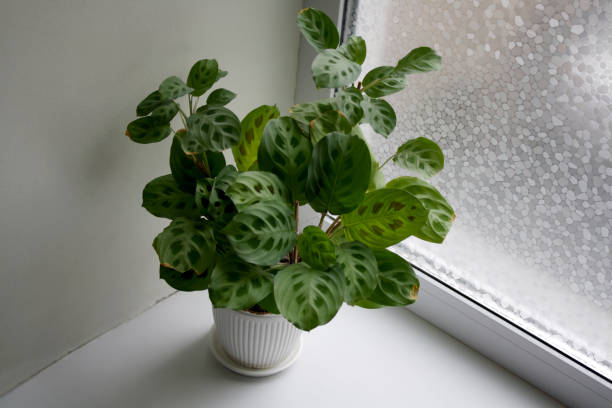
Prayer Plant is a low-growing tropical plant named for the way its leaves fold upward at night, resembling hands in prayer. Its leaves are highly decorative, with deep green surfaces marked by bold red veins and silvery or yellow patches. It is a slow grower but produces striking foliage year round. It works well on shelves, tables, and in terrariums where humidity stays high.
Soil & Nutrients
Use a light, well-draining mix with good moisture retention. Combine potting soil with perlite and a small amount of peat. Feed once a month in spring and summer with a balanced liquid fertilizer at half strength. Reduce feeding in autumn and stop entirely in winter when the plant rests.
Lighting & Climate
Medium to bright indirect light keeps the leaf markings vivid and growth steady. Low light is tolerated but the colors fade and growth stalls. Direct sun bleaches the distinctive leaf patterns quickly. Keep temperatures between 16°C and 27°C. Prayer Plants are sensitive to cold and dislike temperatures below 15°C, cold drafts, and dry air.
Watering & Moisture
- Keep the soil evenly moist but never soggy
- Water every 7 to 10 days in summer, every 2 weeks in winter
- Use room temperature water. Cold water causes leaf curl and spotting
- Brown leaf edges signal low humidity or fluoride in tap water
- Use filtered or rainwater where possible and mist regularly
Pests & Problems
Spider mites are the most common pest, particularly in dry conditions. Check leaf undersides regularly and treat with neem oil spray. Brown, crispy leaf edges are the most frequent complaint and point to dry air or tap water fluoride. Yellow leaves usually indicate overwatering. The plant goes semi-dormant in winter and may drop a few leaves, which is normal.
Propagation
Prayer Plants propagate easily from stem cuttings in spring and summer. Cut a stem just below a node, place it in water or moist perlite, and roots appear within 3 to 4 weeks. Keep cuttings in a warm spot with bright indirect light and high humidity. Division during repotting in spring also works well. Gently separate root clumps and repot each section individually.
21. Janet Craig Dracaena

Janet Craig Dracaena is a robust, upright houseplant with long, glossy, deep green leaves that grow in dense rosettes from a central cane. It is one of the most tolerant indoor plants available, handling low light, irregular watering, and neglect better than most. It grows slowly but reaches up to 1.8 metres indoors over time. It is a reliable choice for offices, lobbies, and low-light corners.
Soil & Nutrients
Use a well-draining potting mix. Standard indoor potting soil with added perlite works well. Feed once a month in spring and summer with a balanced liquid fertilizer at half strength. Avoid over-fertilizing, which causes brown leaf tips and salt buildup in the soil. No feeding needed in autumn and winter.
Lighting & Climate
Janet Craig tolerates low light better than almost any other large houseplant. It grows best in medium to bright indirect light but manages well in genuinely dim spaces. Avoid direct sun, which burns and bleaches the dark green leaves. Keep temperatures between 15°C and 27°C and away from cold drafts, which cause yellowing and tip burn.
Watering & Moisture
- Allow the top half of the soil to dry out before watering
- Water every 10 to 14 days in summer, every 3 to 4 weeks in winter
- Yellow leaves signal overwatering. Brown tips point to fluoride in tap water or dry air
- Use filtered or distilled water where possible to prevent tip burn
- It tolerates drought well and recovers quickly from missed waterings
Pests & Problems
Spider mites and scale insects are the most common pests. Check the undersides of leaves and along the cane regularly. Treat infestations with neem oil spray. Brown leaf tips are extremely common and mostly cosmetic, caused by tap water fluoride, dry air, or inconsistent watering. Trim brown tips at an angle with sharp scissors. Root rot from overwatering is the main cause of serious decline.
Propagation
Janet Craig propagates well from cane cuttings. Cut a healthy stem section into 5 to 10 cm pieces, each containing at least one node, and lay them horizontally on moist soil or insert them upright into perlite. New shoots emerge within 4 to 8 weeks in warm conditions. Top cuttings with several leaves root well in water before transferring to soil. Propagate in spring for best results.

- How to Grow Microgreens Without Soil Indoors: Easy Home Method - October 5, 2026
- Microgreens vs. Sprouts: Key Differences, Nutrition, Safety, and Which One to Eat - October 5, 2026
- 10 Best Garden Tools For Weed Removal 2027 - October 3, 2026