Growing indoor plants does not require expert knowledge or perfect conditions. The plants on this list survive low light, irregular watering, and beginner mistakes. Each one is widely available, affordable, and rewarding to grow. Start with one or two and build from there.
1. Pothos (Epipremnum aureum)

Pothos is the most forgiving indoor plant available. Its trailing vines with heart-shaped, glossy leaves grow fast and adapt to almost any indoor condition. Leaves come in solid green, golden yellow, and variegated patterns depending on the variety. It works well in hanging baskets, on shelves, or trained up a moss pole. It tolerates neglect better than almost any other houseplant.
Soil & Nutrients
Use any standard well-draining potting mix. Pothos is not fussy about soil as long as it drains well. Feed once a month in spring and summer with a balanced liquid fertilizer at half strength. No feeding needed in autumn and winter. Over-fertilizing causes leggy, pale growth.
Lighting & Climate
Pothos tolerates low, medium, and bright indirect light. Variegated varieties need more light to keep their patterns. Direct sun bleaches and scorches the leaves. Keep temperatures between 15°C and 30°C. It adapts to most indoor environments and dislikes only frost and prolonged cold below 10°C.
Watering & Moisture
- Allow the top half of the soil to dry out before watering
- Water every 7 to 10 days in summer, every 2 to 3 weeks in winter
- Yellowing leaves signal overwatering
- Wilting and dry soil signal underwatering
- It tolerates drought well and bounces back quickly after missing a watering
Pests & Problems
Pothos rarely suffers from serious pest problems. Mealybugs and scale insects appear occasionally. Treat with neem oil spray at the first sign. Yellowing leaves are the most common complaint and almost always point to overwatering. Leggy growth with large gaps between leaves means the plant needs more light.
Propagation
Pothos is one of the easiest plants to propagate. Cut a stem just below a node, remove the lower leaves, and place in water or moist perlite. Roots form within 1 to 2 weeks. Transfer to soil once roots reach 3 to 5 cm. A single cutting placed in a glass of water on a windowsill will root reliably every time.
2. Snake Plant (Sansevieria trifasciata)

Snake Plant is virtually indestructible. Its stiff, upright leaves with yellow edges and dark green banding grow slowly but steadily with minimal care. It tolerates low light, infrequent watering, and dry air better than almost any other indoor plant. It is an ideal choice for bedrooms, offices, and corners that receive little natural light.
Soil & Nutrients
Use a fast-draining cactus or succulent mix. Standard potting soil mixed with coarse sand or perlite also works well. Feed once in spring and once in summer with a balanced liquid fertilizer at half strength. Avoid feeding in autumn and winter. Over-fertilizing causes soft, floppy growth.
Lighting & Climate
Snake Plants tolerate low light but grow faster and produce stronger leaves in bright indirect light. They adapt to a wide range of indoor conditions. Avoid prolonged direct sun, which bleaches the leaves. Keep temperatures between 15°C and 29°C. They handle dry air well but dislike cold drafts and temperatures below 10°C.
Watering & Moisture
- Allow the soil to dry out completely before watering
- Water every 2 to 3 weeks in summer, every 4 to 6 weeks in winter
- Overwatering is the main cause of plant death. When in doubt, wait longer
- Soft, mushy leaves at the base signal root rot from excess water
- It stores water in its leaves and handles drought very well
Pests & Problems
Snake Plants are largely pest-resistant. Spider mites and mealybugs appear occasionally in very dry conditions. Treat with neem oil spray. Root rot from overwatering is the most serious and common problem. Use a pot with drainage holes and never allow the plant to sit in standing water.
Propagation
Snake Plants propagate from leaf cuttings or by division. Cut a healthy leaf into 5 to 7 cm sections and insert upright into moist perlite or water. Roots and new shoots develop within 4 to 8 weeks. Division during spring repotting is faster. Separate offsets from the base of the mother plant and repot individually.
3. Spider Plant (Chlorophytum comosum)

Spider Plant is a cheerful, arching houseplant with long, narrow leaves in green or green and white. It produces long trailing stems tipped with small plantlets, which hang like spiders on a web. It grows fast, adapts to most indoor conditions, and is completely non-toxic, making it a safe choice for homes with pets and children.
Soil & Nutrients
Use any standard well-draining potting mix. Spider Plants are not demanding about soil quality. Feed once a month in spring and summer with a balanced liquid fertilizer at half strength. Avoid over-fertilizing, which causes brown leaf tips. No feeding needed in autumn and winter.
Lighting & Climate
Bright indirect light produces the fastest growth and most vibrant leaf color. Spider Plants tolerate medium and low light well. Avoid direct sun, which scorches and bleaches the leaves. Keep temperatures between 13°C and 27°C. They adapt to most indoor environments but dislike frost and prolonged cold.
Watering & Moisture
- Allow the top half of the soil to dry before watering
- Water every 7 to 10 days in summer, every 2 weeks in winter
- Brown leaf tips are common and usually caused by fluoride in tap water
- Use filtered or rainwater to reduce tip browning
- They tolerate occasional drought but prefer consistent moisture
Pests & Problems
Spider Plants are largely pest-free. Aphids and spider mites appear occasionally. Treat with neem oil spray. Brown leaf tips are the most common issue and usually point to tap water fluoride, dry air, or over-fertilizing. Trim brown tips neatly with sharp scissors at an angle to maintain a tidy appearance.
Propagation
Spider Plants are among the easiest houseplants to propagate. Pin the small plantlets that hang from the trailing stems into moist soil while still attached to the mother plant. Roots develop within 2 to 3 weeks. Once rooted, cut the connecting stem and grow the new plant independently. Plantlets also root quickly in a glass of water.
4. Peace Lily (Spathiphyllum wallisii)

Peace Lily is a graceful flowering houseplant with dark green, glossy leaves and white spoon-shaped blooms. It flowers in spring and sometimes again in autumn with minimal encouragement. It is one of the few indoor plants that flowers reliably in low light. It communicates clearly when it needs water by drooping dramatically, then recovering quickly once watered.
Soil & Nutrients
Use a rich, well-draining potting mix. Combine standard potting soil with perlite for good drainage. Feed once a month in spring and summer with a balanced liquid fertilizer at half strength. Feeding promotes flowering. Reduce feeding in autumn and stop in winter when growth slows.
Lighting & Climate
Peace Lilies flower best in bright indirect light but grow well in medium and low light. Direct sun scorches and yellows the leaves quickly. Keep temperatures between 16°C and 27°C. They dislike cold drafts, air conditioning vents blowing directly on them, and temperatures below 13°C, all of which cause browning and leaf drop.
Watering & Moisture
- Water when the soil feels dry 2 to 3 cm down
- Water every 7 to 10 days in summer, every 2 weeks in winter
- Drooping leaves are a reliable sign the plant needs water
- Brown leaf tips point to dry air, tap water fluoride, or over-fertilizing
- Mist occasionally or place on a pebble tray to maintain humidity
Pests & Problems
Mealybugs and spider mites are the most common pests. Check leaf undersides regularly and treat with neem oil spray. Yellow leaves usually signal overwatering or direct sun exposure. Brown tips are common in dry indoor air. Note that Peace Lily is toxic to pets and humans if ingested.
Propagation
Peace Lilies propagate by division in spring. Remove the plant from its pot and gently separate the root clumps into sections, each with several leaves and healthy roots. Repot each section in fresh soil and water well. Keep divided plants in a warm, humid spot with bright indirect light until they establish and show new growth.
5. ZZ Plant (Zamioculcas zamiifolia)

ZZ Plant is one of the toughest indoor plants available. Its thick, glossy, dark green leaflets grow on arching stems from swollen underground rhizomes that store water and nutrients. It grows slowly but requires almost no attention. It handles low light, dry air, and long periods without water without complaint. It is an ideal choice for beginners who travel or frequently forget to water.
Soil & Nutrients
Use a fast-draining potting mix. Combine standard potting soil with perlite or use a cactus mix. Feed once in spring and once in midsummer with a balanced liquid fertilizer at half strength. ZZ Plants grow slowly and need very little feeding. Over-fertilizing causes leggy, weak growth.
Lighting & Climate
ZZ Plants tolerate low light better than almost any other houseplant. They grow best in bright indirect light but manage comfortably in dim corners. Avoid direct sun, which scorches the glossy leaves. Keep temperatures between 15°C and 30°C. They handle dry indoor air exceptionally well and dislike only frost and prolonged cold.
Watering & Moisture
- Allow the soil to dry out completely between waterings
- Water every 2 to 3 weeks in summer, every 4 to 6 weeks in winter
- Overwatering causes yellow leaves and root rot. When in doubt, wait
- The rhizomes store water and sustain the plant through extended dry periods
- It is one of the most drought-tolerant foliage houseplants available
Pests & Problems
ZZ Plants are largely pest-resistant. Mealybugs and scale insects appear rarely. Treat with neem oil spray if needed. Yellowing leaves almost always signal overwatering. The plant rarely suffers from disease when grown in well-draining soil and watered infrequently. Note that all parts of the plant are toxic if ingested.
Propagation
ZZ Plants propagate from leaf cuttings or division. Remove a healthy leaf with its stem attached and place it in moist perlite or water. A small rhizome forms at the base within 3 to 4 months. Division during repotting is faster. Separate the rhizomes carefully at the root level and repot each section individually in spring.
6. Rubber Plant (Ficus elastica)

Rubber Plant is a bold, upright houseplant with large, thick, glossy leaves in deep green, burgundy, or variegated patterns depending on the variety. It grows into an impressive indoor tree over time, reaching 1.8 metres or more indoors. It is faster-growing than most large foliage plants and responds well to basic care. Its size and strong leaf color make it a statement piece in any room.
Soil & Nutrients
Use a well-draining, fertile potting mix. Combine standard potting soil with perlite for good drainage. Feed once every two weeks in spring and summer with a balanced liquid fertilizer at half strength. Reduce to once a month in autumn and stop feeding in winter when growth slows.
Lighting & Climate
Bright indirect light produces the fastest growth and the richest leaf color. Rubber Plants tolerate medium light but grow more slowly and lose their deep coloring. Direct sun can scorch the large leaves. Keep temperatures between 15°C and 27°C and away from cold drafts and air conditioning vents, which cause leaf drop.
Watering & Moisture
- Allow the top 3 to 4 cm of soil to dry before watering
- Water every 7 to 10 days in summer, every 2 to 3 weeks in winter
- Yellowing and dropping leaves signal overwatering
- Drooping leaves with dry soil signal underwatering
- Wipe large leaves with a damp cloth monthly to remove dust and improve light absorption
Pests & Problems
Spider mites, mealybugs, and scale insects are the most common pests. Check the undersides of leaves regularly and treat with neem oil spray. Leaf drop is the most common complaint and usually results from sudden temperature changes, cold drafts, or overwatering. The milky sap irritates skin. Wear gloves when pruning.
Propagation
Rubber Plants propagate from stem cuttings in spring and summer. Cut a stem with two or three leaves just below a node. Allow the milky sap to dry for 30 minutes before placing the cutting in moist perlite or water. Roots form within 3 to 5 weeks. Keep cuttings warm and in bright indirect light for best results.
7. Aloe Vera (Aloe barbadensis miller)
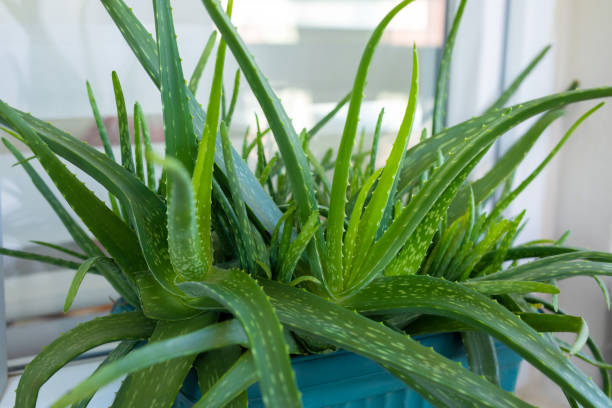
Aloe Vera is a succulent houseplant with thick, fleshy, grey-green leaves edged with small teeth. The clear gel inside the leaves soothes burns and skin irritation, making it a practical as well as decorative plant. It stores water in its leaves and thrives on neglect. It is one of the most widely grown houseplants in the world for good reason.
Soil & Nutrients
Use a fast-draining cactus or succulent mix. Standard potting soil mixed with coarse sand or perlite also works. Feed once in spring and once in summer with a succulent fertilizer at half strength. Avoid over-fertilizing, which causes soft, weak leaves that flop and lose their shape.
Lighting & Climate
Aloe Vera thrives in bright indirect to direct sunlight. A south or west-facing windowsill suits it well. It tolerates medium light but grows slowly and produces thin, pale leaves. Keep temperatures between 13°C and 29°C. It handles dry air and warm conditions very well but dislikes frost and sustained cold below 10°C.
Watering & Moisture
- Allow the soil to dry out completely before watering
- Water every 2 to 3 weeks in summer, every 4 to 6 weeks in winter
- Overwatering is the main cause of failure. The leaves turn soft and brown at the base
- Thin, curling leaves signal the plant needs water
- Always use a pot with drainage holes and empty the saucer after watering
Pests & Problems
Aloe Vera is largely pest-resistant. Mealybugs appear occasionally at the base of the leaves. Treat with rubbing alcohol on a cotton swab followed by neem oil spray. Root rot from overwatering is the most serious problem. Brown, mushy leaf bases confirm rot. Repot into fresh dry soil and allow the roots to dry before rewatering.
Propagation
Aloe Vera produces offsets at the base called pups. Remove the plant from its pot in spring, gently separate the pups with their roots intact, and repot individually in cactus mix. Allow the cut surfaces to callous for a day before potting. Keep new pups dry for the first week to encourage root establishment.
8. Chinese Evergreen (Aglaonema)
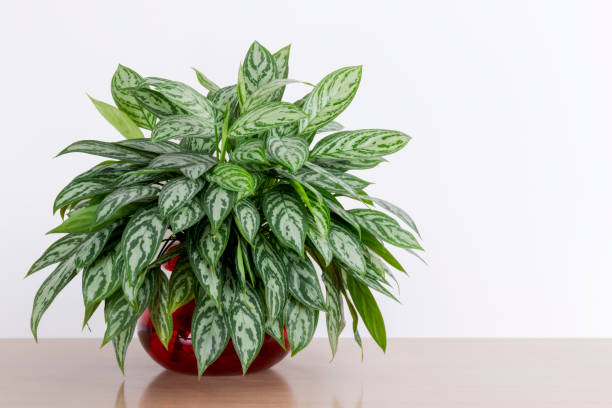
Chinese Evergreen is a compact, slow-growing tropical plant with beautifully patterned leaves in combinations of green, silver, red, and pink. It is one of the most adaptable indoor plants and handles low light, dry air, and irregular watering without showing serious stress. Dozens of varieties are available, ranging from subtle silver-green to vivid pink and red. All are equally easy to grow.
Soil & Nutrients
Use a light, well-draining potting mix. Combine standard potting soil with perlite. Feed once a month in spring and summer with a balanced liquid fertilizer at half strength. Avoid heavy feeding, which causes leaf tip browning. No feeding needed in autumn and winter.
Lighting & Climate
Green and silver varieties tolerate low and medium light very well. Pink, red, and brightly variegated varieties need bright indirect light to keep their color. Avoid direct sun, which bleaches the patterned leaves. Keep temperatures between 16°C and 27°C. Chinese Evergreens are sensitive to cold and dislike temperatures below 13°C and cold drafts.
Watering & Moisture
- Allow the top half of the soil to dry before watering
- Water every 7 to 10 days in summer, every 2 to 3 weeks in winter
- Yellow leaves signal overwatering. Brown tips point to dry air or fluoride in tap water
- Use filtered or room-temperature water where possible
- Average indoor humidity is sufficient for most varieties
Pests & Problems
Mealybugs and spider mites are the most common pests. Check leaf undersides and stem joints regularly and treat with neem oil spray. Yellow leaves almost always result from overwatering. Brown leaf edges point to cold air, dry conditions, or tap water fluoride. Note that Chinese Evergreen is toxic to pets if ingested.
Propagation
Chinese Evergreen propagates easily from stem cuttings in spring and summer. Cut a stem with several leaves just below a node and place in water or moist perlite. Roots form within 3 to 4 weeks. Division during spring repotting also works well. Separate rooted stems carefully and repot each section in fresh soil.
9. Heartleaf Philodendron (Philodendron hederaceum)
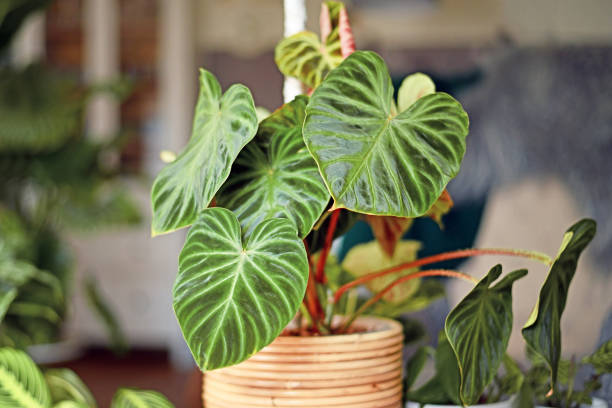
Heartleaf Philodendron is a fast-growing trailing plant with glossy, heart-shaped, deep green leaves. It grows quickly under the right conditions and adapts to a wide range of indoor environments. It works well in hanging baskets, on shelves, or trained up a moss pole. It is one of the most recommended plants for beginners due to its speed of growth and tolerance of imperfect care.
Soil & Nutrients
Use a well-draining, fertile potting mix. Combine standard potting soil with perlite for good drainage. Feed once a month in spring and summer with a balanced liquid fertilizer at half strength. Feeding produces larger leaves and faster growth. No feeding needed in autumn and winter.
Lighting & Climate
Bright indirect light produces the largest leaves and fastest growth. Heartleaf Philodendron tolerates medium and low light well, though growth slows and leaves become smaller. Avoid direct sun, which scorches the glossy leaves. Keep temperatures between 15°C and 29°C. It dislikes cold drafts and temperatures below 12°C.
Watering & Moisture
- Allow the top half of the soil to dry before watering
- Water every 7 to 10 days in summer, every 2 weeks in winter
- Yellow leaves signal overwatering. Wilting with dry soil signals underwatering
- It tolerates occasional drought and recovers quickly from missed waterings
- Average indoor humidity is sufficient. Mist occasionally in very dry conditions
Pests & Problems
Heartleaf Philodendron is generally pest-resistant. Mealybugs and spider mites appear occasionally. Treat with neem oil spray. Yellowing leaves are the most common problem and almost always result from overwatering. Leggy growth with small leaves means the plant needs more light. Note that it is toxic to pets and humans if ingested.
Propagation
Heartleaf Philodendron propagates very easily from stem cuttings. Cut a stem just below a node with one or two leaves attached and place in water or moist perlite. Roots appear within 1 to 2 weeks. It is one of the fastest-rooting houseplants available. Transfer to soil once roots reach 3 to 5 cm and keep in bright indirect light.
10. Jade Plant (Crassula ovata)
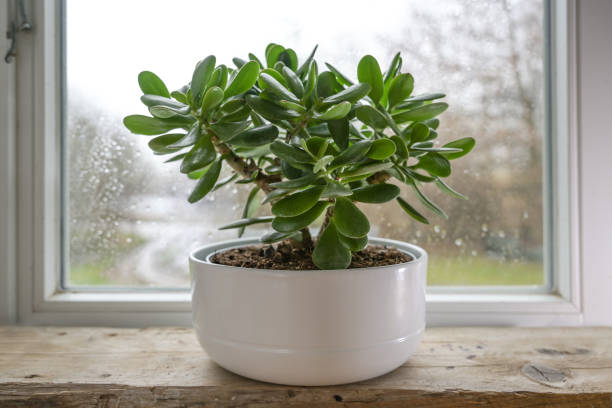
Jade Plant is a slow-growing succulent with thick, oval, glossy leaves on woody stems. It develops into a small tree shape over many years and is considered a symbol of good luck in many cultures. It lives for decades with basic care and becomes more attractive as it matures. It is a rewarding long-term houseplant that suits windowsills, desks, and sunny shelves.
Soil & Nutrients
Use a fast-draining cactus or succulent mix. Good drainage is essential. Feed once in spring and once in summer with a succulent fertilizer at half strength. Avoid over-fertilizing, which causes soft, weak growth. Jade Plants grow slowly and need very little nutrition.
Lighting & Climate
Jade Plants thrive in bright indirect to direct sunlight. A south or west-facing windowsill is ideal. Insufficient light causes leggy, weak growth and leaf drop. Keep temperatures between 13°C and 27°C. They handle dry air and warm indoor conditions well but dislike frost and temperatures below 10°C.
Watering & Moisture
- Allow the soil to dry out completely before watering
- Water every 2 to 3 weeks in summer, every 4 to 6 weeks in winter
- Overwatering causes soft, mushy leaves and root rot
- Wrinkled, shriveled leaves signal the plant needs water
- Always use a pot with drainage holes and discard excess water from the saucer
Pests & Problems
Mealybugs are the most common pest, appearing in leaf joints and stem bases. Remove with a cotton swab dipped in rubbing alcohol and follow up with neem oil spray. Root rot from overwatering is the leading cause of plant loss. Leggy, pale growth points to insufficient light. Move to a brighter spot to correct this.
Propagation
Jade Plants propagate easily from stem or leaf cuttings. Allow cut surfaces to callous for a day or two before placing in dry cactus mix. Avoid watering for the first week to encourage rooting. Stem cuttings root within 3 to 4 weeks. Leaf cuttings take longer but work reliably. Propagate in spring or summer for best results.
11. Cast Iron Plant (Aspidistra elatior)
Cast Iron Plant earns its name. It tolerates deep shade, temperature fluctuations, dust, drought, and neglect without complaint. Its long, dark green, strap-like leaves grow slowly but last for years without damage. It is the ideal choice for dark hallways, offices with no natural light, and anyone who wants a plant that requires almost nothing.
Soil & Nutrients
Use any standard well-draining potting mix. Cast Iron Plant is not demanding about soil quality. Feed once in spring and once in summer with a balanced liquid fertilizer at half strength. It grows slowly and needs minimal nutrition. Over-fertilizing causes leaf tip yellowing.
Lighting & Climate
Cast Iron Plant tolerates deeper shade than almost any other houseplant. It grows best in low to medium indirect light. Avoid direct sun, which bleaches and browns the long leaves. Keep temperatures between 7°C and 27°C. It handles a wide temperature range and tolerates brief cold spells that would damage most indoor plants.
Watering & Moisture
- Allow the top half of the soil to dry out before watering
- Water every 10 to 14 days in summer, every 3 to 4 weeks in winter
- It tolerates drought very well and recovers from occasional missed waterings
- Yellow leaves signal overwatering
- Average indoor humidity is sufficient. No misting required
Pests & Problems
Cast Iron Plant is largely pest-resistant. Spider mites and scale insects appear occasionally in very dry conditions. Treat with neem oil spray. Brown leaf tips are the most common issue and usually result from direct sun or tap water fluoride. Trim brown tips neatly with sharp scissors. Root rot from overwatering is the main serious problem.
Propagation
Cast Iron Plant propagates by division in spring. Remove the plant from its pot and separate the thick rhizomes into sections, each with two or three leaves and healthy roots attached. Repot each section in fresh soil and water sparingly until new growth appears. It grows slowly and takes several months to establish fully after division.
12. Monstera Deliciosa

Monstera Deliciosa is a dramatic tropical plant with large, dark green leaves that develop distinctive splits and holes as they mature. Young plants produce solid, heart-shaped leaves. The iconic split leaves appear as the plant grows larger and receives adequate light. It grows fast in the right conditions and becomes a bold focal point in any room.
Soil & Nutrients
Use a rich, well-draining potting mix. Combine standard potting soil with perlite and a small amount of bark for good aeration. Feed every two weeks in spring and summer with a balanced liquid fertilizer at half strength. Reduce to once a month in autumn and stop in winter.
Lighting & Climate
Bright indirect light produces the fastest growth and the most dramatic leaf splits. Monstera tolerates medium light but produces fewer fenestrations and grows more slowly. Avoid direct sun, which scorches the large leaves. Keep temperatures between 16°C and 30°C and away from cold drafts and temperatures below 13°C.
Watering & Moisture
- Allow the top 3 to 5 cm of soil to dry before watering
- Water every 7 to 10 days in summer, every 2 to 3 weeks in winter
- Yellow leaves signal overwatering. Drooping with dry soil signals underwatering
- Wipe large leaves with a damp cloth monthly to remove dust
- Mist occasionally or place near a humidifier to encourage larger leaves
Pests & Problems
Spider mites, scale insects, and thrips are the most common pests. Check leaf undersides regularly and treat with neem oil spray. Yellow leaves almost always result from overwatering. Leaves without splits indicate insufficient light or a young plant still maturing. Provide a moss pole for support as the plant grows taller.
Propagation
Monstera propagates easily from stem cuttings with at least one node and one aerial root. Place the cutting in water or moist sphagnum moss and roots develop within 3 to 5 weeks. Transfer to soil once roots reach 5 cm. Propagate in spring or summer for fastest results. Cuttings placed in water on a bright windowsill root reliably.
13. Haworthia (Haworthia spp.)

Haworthia is a small, slow-growing succulent with stiff, patterned leaves arranged in tight rosettes. Many varieties have distinctive white stripes or translucent windows on their leaf tips. It stays compact and rarely exceeds 15 cm, making it ideal for windowsills, desks, and small spaces. It is one of the few succulents that tolerates lower light levels, which makes it more practical indoors than most of its relatives.
Soil & Nutrients
Use a fast-draining cactus or succulent mix. Good drainage is essential. Feed once in spring and once in early summer with a succulent fertilizer at quarter strength. Haworthias grow slowly and need very little nutrition. Over-fertilizing causes soft, distorted growth.
Lighting & Climate
Haworthia tolerates medium indirect light better than most succulents. It grows best in bright indirect light. Direct afternoon sun bleaches and damages the leaves. Keep temperatures between 10°C and 26°C. It handles dry indoor air very well and dislikes only frost and prolonged cold below 5°C.
Watering & Moisture
- Allow the soil to dry out completely before watering
- Water every 2 to 3 weeks in summer, every 4 to 6 weeks in winter
- Overwatering causes soft, translucent leaves and root rot
- Shriveled, thin leaves signal the plant needs water
- Always use a pot with drainage holes. Never leave the plant sitting in water
Pests & Problems
Mealybugs are the most common pest, appearing at the base of leaves and in tight rosette centers. Remove with a cotton swab dipped in rubbing alcohol and treat with neem oil. Root rot from overwatering is the leading cause of plant loss. Pale, stretched growth toward a light source means the plant needs a brighter position.
Propagation
Haworthia produces offsets around the base of the mother plant. Remove the plant from its pot in spring, gently detach the offsets with roots intact, and repot individually in cactus mix. Allow cut surfaces to dry for a day before potting. Keep new offsets dry for the first week before beginning a normal watering routine.
14. Dracaena Marginata

Dracaena Marginata is a striking, architectural houseplant with long, narrow, dark green leaves edged in red that grow in tufts from slender canes. It develops an interesting branching shape over time and suits modern and minimalist interiors. It grows slowly but steadily and tolerates indoor conditions that would stress most plants. It is a reliable, long-lived houseplant that demands very little.
Soil & Nutrients
Use a well-draining potting mix. Standard potting soil with added perlite works well. Feed once a month in spring and summer with a balanced liquid fertilizer at half strength. Avoid over-fertilizing, which causes brown leaf tips and salt buildup. No feeding needed in autumn and winter.
Lighting & Climate
Bright indirect light produces the best red leaf margins and compact growth. Dracaena Marginata tolerates medium and low light but the red coloring fades and growth slows significantly. Avoid direct sun, which scorches the narrow leaves. Keep temperatures between 15°C and 27°C and away from cold drafts, which cause yellowing.
Watering & Moisture
- Allow the top half of the soil to dry before watering
- Water every 10 to 14 days in summer, every 3 to 4 weeks in winter
- Yellow leaves signal overwatering. Brown tips point to fluoride in tap water or dry air
- Use filtered or distilled water to prevent tip burn
- It tolerates drought well and recovers quickly from occasional missed waterings
Pests & Problems
Spider mites and scale insects are the most common pests. Check the undersides of leaves and along the canes regularly. Treat with neem oil spray. Brown leaf tips are very common and mostly cosmetic. Trim with sharp scissors at an angle. Root rot from overwatering is the main cause of serious decline.
Propagation
Dracaena Marginata propagates from cane cuttings. Cut a stem section into 10 to 15 cm pieces and insert upright into moist perlite or potting mix. New shoots emerge within 4 to 6 weeks in warm conditions. Top cuttings with a tuft of leaves root well in water before transferring to soil. Propagate in spring for best results.
15. English Ivy (Hedera helix)

English Ivy is a versatile trailing and climbing plant with lobed, waxy leaves in deep green or variegated green and white. It grows quickly and looks striking in hanging baskets, on shelves, or trained up a small trellis. It tolerates cool temperatures and lower light levels that most houseplants struggle with. It is a practical choice for cooler rooms, hallways, and north-facing windows.
Soil & Nutrients
Use a well-draining, slightly fertile potting mix. Standard potting soil with perlite works well. Feed once a month in spring and summer with a balanced liquid fertilizer at half strength. Reduce feeding in autumn and stop in winter. Over-fertilizing produces fast, leggy growth with few leaves.
Lighting & Climate
Bright indirect light produces the fastest growth and best leaf color. Variegated varieties need more light to maintain their patterns. English Ivy tolerates medium and low light but grows more slowly. Avoid intense direct sun in summer, which scorches the waxy leaves. It prefers cooler temperatures between 10°C and 21°C and handles cold better than most houseplants.
Watering & Moisture
- Allow the top 2 to 3 cm of soil to dry before watering
- Water every 7 to 10 days in summer, every 2 weeks in winter
- Overwatering causes yellowing and root rot
- Dry soil and low humidity cause brown, crispy leaf edges
- Mist regularly or place near a humidifier, particularly in heated rooms during winter
Pests & Problems
Spider mites are the most serious pest threat, particularly in warm, dry indoor air. Check the undersides of leaves regularly and treat with neem oil spray. Keeping the air cool and humid prevents most infestations. Yellow leaves point to overwatering. Brown, crispy edges indicate dry air or underwatering. Note that English Ivy is toxic to pets and children if ingested.
Propagation
English Ivy propagates very easily from stem cuttings year round. Cut a stem with three or four leaves just below a node and place in water or moist perlite. Roots form within 2 to 3 weeks. Transfer to soil once roots reach 3 to 5 cm. It is one of the fastest-rooting houseplants available and a single cutting placed in water will root with almost no effort.
Conclusion
These 15 plants prove that indoor gardening does not need to be complicated. Each one tolerates beginner mistakes, adapts to typical home conditions, and rewards basic care with steady growth. Start with one plant, learn how it responds to your space, then add more. Pay attention to light levels, water less than you think you need to, and use well-draining soil. Most problems come from overwatering, not underwatering. Get those basics right and your plants will thrive. The best indoor plant is always the one you enjoy looking at every day.

- How to Grow Microgreens Without Soil Indoors: Easy Home Method - October 5, 2026
- Microgreens vs. Sprouts: Key Differences, Nutrition, Safety, and Which One to Eat - October 5, 2026
- 10 Best Garden Tools For Weed Removal 2027 - October 3, 2026