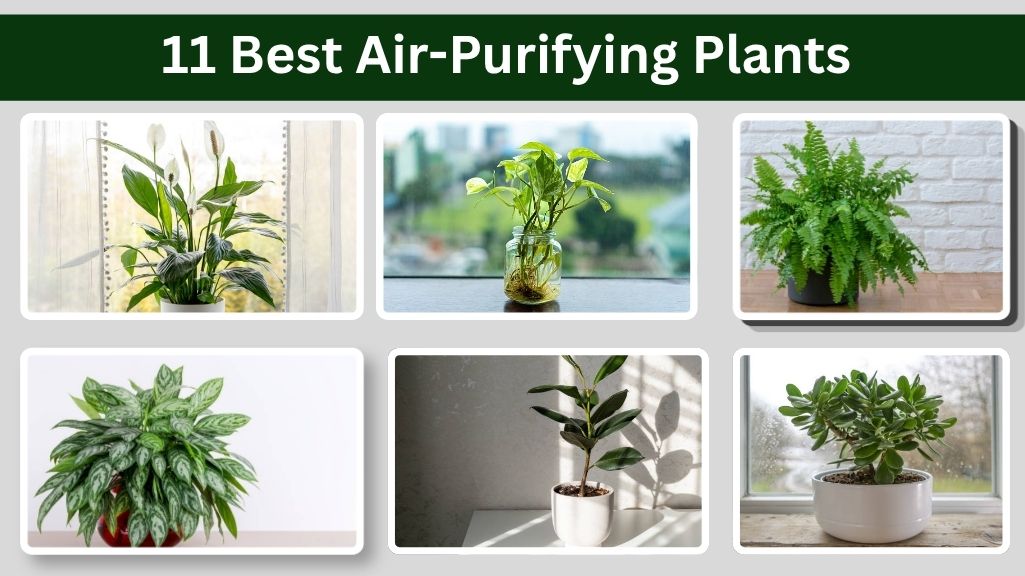
Indoor air carries more pollutants than most people realize. Dust, mold spores, volatile organic compounds from furniture, cleaning products, and synthetic materials build up in enclosed spaces with poor ventilation. Plants absorb carbon dioxide and release oxygen, but certain species go further by filtering specific toxins from the air through their leaves and root systems. NASA research identified dozens of houseplants capable of removing harmful compounds including benzene, formaldehyde, and trichloroethylene. The plants on this list do that work while staying practical to grow in homes, offices, and bedrooms. They vary in size, light requirement, and care demand, so there is a suitable option for every space and every level of experience.
1. Spider Plant (Chlorophytum comosum)
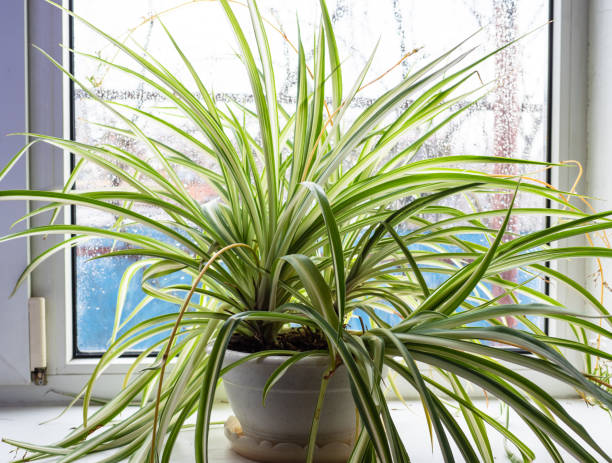
Spider Plant is one of the most effective and widely available air-purifying houseplants. Its long, arching green and white striped leaves grow fast and produce trailing stems tipped with small plantlets. NASA studies identified it as particularly effective at removing formaldehyde and carbon monoxide from indoor air. It is completely non-toxic, making it a safe choice for homes with pets and children.
Soil & Nutrients
Use any standard well-draining potting mix. Spider Plants are not demanding about soil quality. Feed once a month in spring and summer with a balanced liquid fertilizer at half strength. Avoid over-fertilizing, which causes brown leaf tips. No feeding needed in autumn and winter.
Lighting & Climate
Bright indirect light produces the fastest growth and most vibrant leaf color. Spider Plants tolerate medium and low light well. Avoid direct sun, which scorches and bleaches the leaves. Keep temperatures between 13°C and 27°C. They adapt to most indoor environments but dislike frost and prolonged cold.
Watering & Moisture
- Allow the top half of the soil to dry before watering
- Water every 7 to 10 days in summer, every 2 weeks in winter
- Brown leaf tips are common and usually caused by fluoride in tap water
- Use filtered or rainwater to reduce tip browning
- They tolerate occasional drought but prefer consistent moisture
Pests & Problems
Spider Plants are largely pest-free. Aphids and spider mites appear occasionally. Treat with neem oil spray. Brown leaf tips are the most common issue and usually point to tap water fluoride, dry air, or over-fertilizing. Trim brown tips neatly with sharp scissors at an angle to maintain a tidy appearance.
Propagation
Spider Plants are among the easiest houseplants to propagate. Pin the small plantlets hanging from trailing stems into moist soil while still attached to the mother plant. Roots develop within 2 to 3 weeks. Once rooted, cut the connecting stem and grow the new plant independently. Plantlets also root quickly in a glass of water.
2. Peace Lily (Spathiphyllum wallisii)
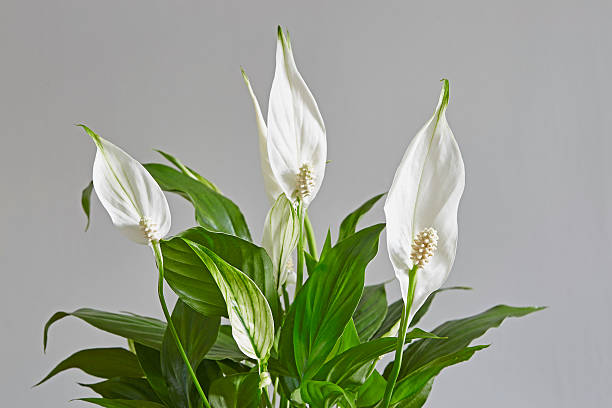
Peace Lily is one of the most powerful air-purifying plants available for indoor spaces. NASA research ranked it among the top performers for removing benzene, formaldehyde, trichloroethylene, ammonia, and xylene from indoor air. It is also one of the few flowering plants that performs well in low light, making it practical for bedrooms and offices. Its white blooms appear in spring and sometimes again in autumn.
Soil & Nutrients
Use a rich, well-draining potting mix. Combine standard potting soil with perlite for good drainage. Feed once a month in spring and summer with a balanced liquid fertilizer at half strength. Feeding promotes flowering. Reduce feeding in autumn and stop in winter when growth slows.
Lighting & Climate
Peace Lilies flower best in bright indirect light but grow well in medium and low light. Direct sun scorches and yellows the leaves quickly. Keep temperatures between 16°C and 27°C. They dislike cold drafts, air conditioning vents blowing directly on them, and temperatures below 13°C, all of which cause browning and leaf drop.
Watering & Moisture
- Water when the soil feels dry 2 to 3 cm down
- Water every 7 to 10 days in summer, every 2 weeks in winter
- Drooping leaves are a reliable sign the plant needs water
- Brown leaf tips point to dry air, tap water fluoride, or over-fertilizing
- Mist occasionally or place on a pebble tray to maintain humidity
Pests & Problems
Mealybugs and spider mites are the most common pests. Check leaf undersides regularly and treat with neem oil spray. Yellow leaves usually signal overwatering or direct sun exposure. Brown tips are common in dry indoor air. Note that Peace Lily is toxic to pets and humans if ingested.
Propagation
Peace Lilies propagate by division in spring. Remove the plant from its pot and gently separate the root clumps into sections, each with several leaves and healthy roots. Repot each section in fresh soil and water well. Keep divided plants in a warm, humid spot with bright indirect light until they establish and show new growth.
3. Snake Plant (Sansevieria trifasciata)

Snake Plant is one of the most effective bedroom plants for air purification. Unlike most plants, it converts carbon dioxide into oxygen at night rather than during the day, making it particularly valuable in sleeping spaces. NASA research confirmed its ability to remove benzene, formaldehyde, trichloroethylene, and xylene from indoor air. It is also one of the toughest houseplants available, tolerating neglect, low light, and dry air without complaint.
Soil & Nutrients
Use a fast-draining cactus or succulent mix. Standard potting soil mixed with coarse sand or perlite also works well. Feed once in spring and once in summer with a balanced liquid fertilizer at half strength. Avoid feeding in autumn and winter. Over-fertilizing causes soft, floppy growth.
Lighting & Climate
Snake Plants tolerate low light but grow faster and produce stronger leaves in bright indirect light. They adapt to a wide range of indoor conditions. Avoid prolonged direct sun, which bleaches the leaves. Keep temperatures between 15°C and 29°C. They handle dry air well but dislike cold drafts and temperatures below 10°C.
Watering & Moisture
- Allow the soil to dry out completely before watering
- Water every 2 to 3 weeks in summer, every 4 to 6 weeks in winter
- Overwatering is the main cause of plant death. When in doubt, wait longer
- Soft, mushy leaves at the base signal root rot from excess water
- It stores water in its leaves and handles drought very well
Pests & Problems
Snake Plants are largely pest-resistant. Spider mites and mealybugs appear occasionally in very dry conditions. Treat with neem oil spray. Root rot from overwatering is the most serious and common problem. Use a pot with drainage holes and never allow the plant to sit in standing water.
Propagation
Snake Plants propagate from leaf cuttings or by division. Cut a healthy leaf into 5 to 7 cm sections and insert upright into moist perlite or water. Roots and new shoots develop within 4 to 8 weeks. Division during spring repotting is faster. Separate offsets from the base of the mother plant and repot individually.
4. Pothos (Epipremnum aureum)

Pothos is one of the most efficient air-purifying plants for offices and homes. It removes formaldehyde, benzene, xylene, and carbon monoxide from indoor air steadily and reliably. Its trailing vines with glossy, heart-shaped leaves grow fast and adapt to almost any indoor condition. It is the most forgiving plant on this list and an ideal starting point for anyone new to houseplants.
Soil & Nutrients
Use any standard well-draining potting mix. Pothos is not fussy about soil as long as it drains well. Feed once a month in spring and summer with a balanced liquid fertilizer at half strength. No feeding needed in autumn and winter. Over-fertilizing causes leggy, pale growth.
Lighting & Climate
Pothos tolerates low, medium, and bright indirect light. Variegated varieties need more light to keep their patterns. Direct sun bleaches and scorches the leaves. Keep temperatures between 15°C and 30°C. It adapts to most indoor environments and dislikes only frost and prolonged cold below 10°C.
Watering & Moisture
- Allow the top half of the soil to dry out before watering
- Water every 7 to 10 days in summer, every 2 to 3 weeks in winter
- Yellowing leaves signal overwatering
- Wilting and dry soil signal underwatering
- It tolerates drought well and bounces back quickly after missing a watering
Pests & Problems
Pothos rarely suffers from serious pest problems. Mealybugs and scale insects appear occasionally. Treat with neem oil spray at the first sign. Yellowing leaves are the most common complaint and almost always point to overwatering. Leggy growth with large gaps between leaves means the plant needs more light.
Propagation
Pothos is one of the easiest plants to propagate. Cut a stem just below a node, remove the lower leaves, and place in water or moist perlite. Roots form within 1 to 2 weeks. Transfer to soil once roots reach 3 to 5 cm. A single cutting placed in a glass of water on a windowsill will root reliably every time.
5. Boston Fern (Nephrolepis exaltata)
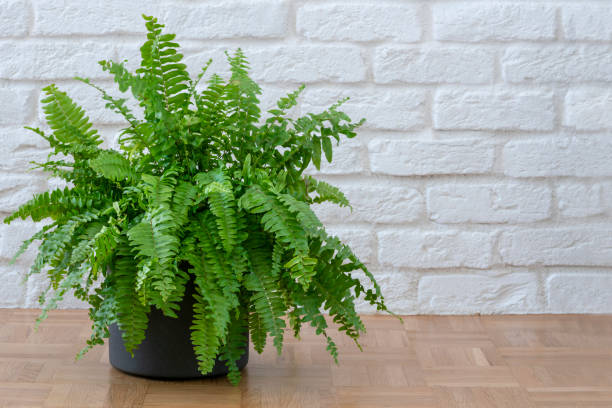
Boston Fern is one of the most effective plants for removing formaldehyde and xylene from indoor air. It also acts as a natural humidifier, releasing moisture into the air through its fronds, which makes it particularly valuable in dry offices and heated bedrooms. Its long, arching fronds filled with small bright green leaflets create a lush appearance in hanging baskets and on shelves.
Soil & Nutrients
Use a rich, well-draining potting mix with good moisture retention. Combine standard potting soil with peat and perlite. Feed once every two weeks in spring and summer with a balanced liquid fertilizer at half strength. Cut feeding back to once a month in autumn and stop entirely in winter when growth slows.
Lighting & Climate
Bright indirect light is ideal. Boston Ferns tolerate medium light but grow more slowly and produce fewer fronds. Direct sun scorches the delicate leaflets fast. Keep temperatures between 15°C and 24°C. They are highly sensitive to cold drafts and heating vents, both of which dry the air and cause rapid frond drop.
Watering & Moisture
- Keep the soil consistently moist but never waterlogged
- Water when the top 1 to 2 cm of soil begins to dry
- Water every 5 to 7 days in summer, every 10 to 14 days in winter
- Dry soil causes rapid yellowing and frond drop
- High humidity above 50% is essential. Mist daily or use a humidifier nearby
Pests & Problems
Spider mites and scale insects are the most common threats, both encouraged by dry air. Check fronds regularly and treat with neem oil spray at the first sign. Yellowing and dropping fronds are the most frequent problem and usually point to low humidity, dry soil, or cold air. Brown, crispy leaflet tips indicate dry air or underwatering.
Propagation
Boston Ferns propagate well by division in spring. Remove the plant from its pot and gently separate the root ball into two or more sections, each with healthy fronds and roots attached. Repot each section in fresh soil and water thoroughly. Keep divided plants in a humid spot with bright indirect light until they establish.
6. Rubber Plant (Ficus elastica)
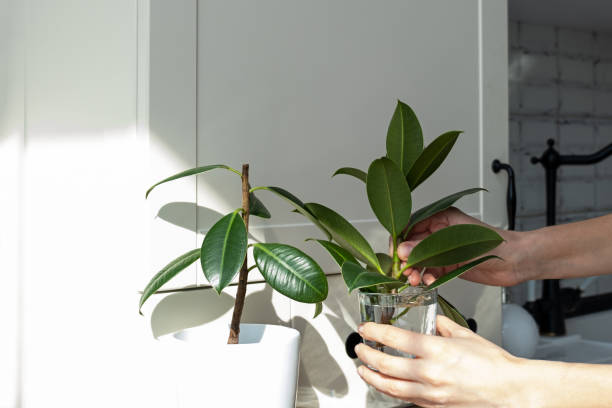
Rubber Plant is a powerful air purifier with large, thick, glossy leaves that absorb airborne toxins including formaldehyde efficiently. Its broad leaf surface area gives it strong filtering capacity relative to its size. It grows into an impressive indoor tree over time and suits living rooms, offices, and open spaces where a large, bold plant works well visually and functionally.
Soil & Nutrients
Use a well-draining, fertile potting mix. Combine standard potting soil with perlite for good drainage. Feed once every two weeks in spring and summer with a balanced liquid fertilizer at half strength. Reduce to once a month in autumn and stop feeding in winter when growth slows.
Lighting & Climate
Bright indirect light produces the fastest growth and the richest leaf color. Rubber Plants tolerate medium light but grow more slowly and lose their deep coloring. Direct sun can scorch the large leaves. Keep temperatures between 15°C and 27°C and away from cold drafts and air conditioning vents, which cause leaf drop.
Watering & Moisture
- Allow the top 3 to 4 cm of soil to dry before watering
- Water every 7 to 10 days in summer, every 2 to 3 weeks in winter
- Yellowing and dropping leaves signal overwatering
- Drooping leaves with dry soil signal underwatering
- Wipe large leaves with a damp cloth monthly to remove dust and improve air filtration
Pests & Problems
Spider mites, mealybugs, and scale insects are the most common pests. Check the undersides of leaves regularly and treat with neem oil spray. Leaf drop is the most common complaint and usually results from sudden temperature changes, cold drafts, or overwatering. The milky sap irritates skin. Wear gloves when pruning.
Propagation
Rubber Plants propagate from stem cuttings in spring and summer. Cut a stem with two or three leaves just below a node. Allow the milky sap to dry for 30 minutes before placing the cutting in moist perlite or water. Roots form within 3 to 5 weeks. Keep cuttings warm and in bright indirect light for best results.
7. Aloe Vera (Aloe barbadensis miller)

Aloe Vera filters formaldehyde and benzene from indoor air, both of which enter homes through cleaning products, paints, and synthetic materials. It releases oxygen at night, which makes it a practical bedroom plant. Its thick, fleshy leaves also contain a clear gel with well-documented soothing properties for burns and skin irritation. It requires very little care and suits sunny windowsills in any room.
Soil & Nutrients
Use a fast-draining cactus or succulent mix. Standard potting soil mixed with coarse sand or perlite also works. Feed once in spring and once in summer with a succulent fertilizer at half strength. Avoid over-fertilizing, which causes soft, weak leaves that flop and lose their shape.
Lighting & Climate
Aloe Vera thrives in bright indirect to direct sunlight. A south or west-facing windowsill suits it well. It tolerates medium light but grows slowly and produces thin, pale leaves. Keep temperatures between 13°C and 29°C. It handles dry air and warm conditions very well but dislikes frost and sustained cold below 10°C.
Watering & Moisture
- Allow the soil to dry out completely before watering
- Water every 2 to 3 weeks in summer, every 4 to 6 weeks in winter
- Overwatering is the main cause of failure. The leaves turn soft and brown at the base
- Thin, curling leaves signal the plant needs water
- Always use a pot with drainage holes and empty the saucer after watering
Pests & Problems
Aloe Vera is largely pest-resistant. Mealybugs appear occasionally at the base of the leaves. Treat with rubbing alcohol on a cotton swab followed by neem oil spray. Root rot from overwatering is the most serious problem. Brown, mushy leaf bases confirm rot. Repot into fresh dry soil and allow the roots to dry before rewatering.
Propagation
Aloe Vera produces offsets at the base called pups. Remove the plant from its pot in spring, gently separate the pups with their roots intact, and repot individually in cactus mix. Allow the cut surfaces to callous for a day before potting. Keep new pups dry for the first week to encourage root establishment.
8. Chinese Evergreen (Aglaonema)
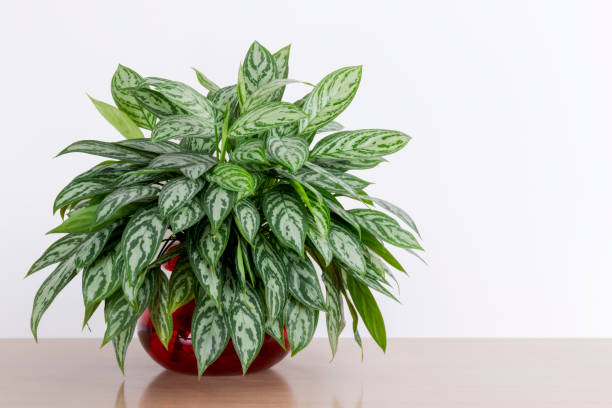
Chinese Evergreen is a reliable air-purifying plant that filters benzene and formaldehyde from indoor air. It is one of the most adaptable plants on this list, tolerating low light, dry air, and irregular watering without visible stress. Its beautifully patterned leaves in combinations of green, silver, red, and pink make it decorative as well as functional. It suits offices, bedrooms, and living rooms equally well.
Soil & Nutrients
Use a light, well-draining potting mix. Combine standard potting soil with perlite. Feed once a month in spring and summer with a balanced liquid fertilizer at half strength. Avoid heavy feeding, which causes leaf tip browning. No feeding needed in autumn and winter.
Lighting & Climate
Green and silver varieties tolerate low and medium light very well. Pink, red, and brightly variegated varieties need bright indirect light to keep their color. Avoid direct sun, which bleaches the patterned leaves. Keep temperatures between 16°C and 27°C. Chinese Evergreens are sensitive to cold and dislike temperatures below 13°C and cold drafts.
Watering & Moisture
- Allow the top half of the soil to dry before watering
- Water every 7 to 10 days in summer, every 2 to 3 weeks in winter
- Yellow leaves signal overwatering. Brown tips point to dry air or fluoride in tap water
- Use filtered or room-temperature water where possible
- Average indoor humidity is sufficient for most varieties
Pests & Problems
Mealybugs and spider mites are the most common pests. Check leaf undersides and stem joints regularly and treat with neem oil spray. Yellow leaves almost always result from overwatering. Brown leaf edges point to cold air, dry conditions, or tap water fluoride. Note that Chinese Evergreen is toxic to pets if ingested.
Propagation
Chinese Evergreen propagates easily from stem cuttings in spring and summer. Cut a stem with several leaves just below a node and place in water or moist perlite. Roots form within 3 to 4 weeks. Division during spring repotting also works well. Separate rooted stems carefully and repot each section in fresh soil.
9. Dracaena (Dracaena marginata)

Dracaena Marginata is one of the strongest performers in NASA air quality research, removing benzene, formaldehyde, trichloroethylene, and xylene from indoor air. Its long, narrow, red-edged leaves grow from slender canes and develop an attractive branching structure over time. It suits modern offices and living rooms and tolerates the low light and dry air common in both environments.
Soil & Nutrients
Use a well-draining potting mix. Standard potting soil with added perlite works well. Feed once a month in spring and summer with a balanced liquid fertilizer at half strength. Avoid over-fertilizing, which causes brown leaf tips and salt buildup. No feeding needed in autumn and winter.
Lighting & Climate
Bright indirect light produces the best red leaf margins and compact growth. Dracaena Marginata tolerates medium and low light but the red coloring fades and growth slows significantly. Avoid direct sun, which scorches the narrow leaves. Keep temperatures between 15°C and 27°C and away from cold drafts, which cause yellowing.
Watering & Moisture
- Allow the top half of the soil to dry before watering
- Water every 10 to 14 days in summer, every 3 to 4 weeks in winter
- Yellow leaves signal overwatering. Brown tips point to fluoride in tap water or dry air
- Use filtered or distilled water to prevent tip burn
- It tolerates drought well and recovers quickly from occasional missed waterings
Pests & Problems
Spider mites and scale insects are the most common pests. Check the undersides of leaves and along the canes regularly. Treat with neem oil spray. Brown leaf tips are very common and mostly cosmetic. Trim with sharp scissors at an angle. Root rot from overwatering is the main cause of serious decline.
Propagation
Dracaena Marginata propagates from cane cuttings. Cut a stem section into 10 to 15 cm pieces and insert upright into moist perlite or potting mix. New shoots emerge within 4 to 6 weeks in warm conditions. Top cuttings with a tuft of leaves root well in water before transferring to soil. Propagate in spring for best results.
10. Heartleaf Philodendron (Philodendron hederaceum)
Heartleaf Philodendron is an efficient remover of formaldehyde from indoor air, particularly useful in rooms with new furniture, flooring, or carpets that off-gas volatile compounds. Its fast-growing trailing vines with glossy, heart-shaped leaves adapt well to offices, bedrooms, and living rooms. It grows quickly, fills space fast, and increases its air-purifying capacity as it matures and produces more leaf surface area.
Soil & Nutrients
Use a well-draining, fertile potting mix. Combine standard potting soil with perlite for good drainage. Feed once a month in spring and summer with a balanced liquid fertilizer at half strength. Feeding produces larger leaves and faster growth. No feeding needed in autumn and winter.
Lighting & Climate
Bright indirect light produces the largest leaves and fastest growth. Heartleaf Philodendron tolerates medium and low light well, though growth slows and leaves become smaller. Avoid direct sun, which scorches the glossy leaves. Keep temperatures between 15°C and 29°C. It dislikes cold drafts and temperatures below 12°C.
Watering & Moisture
- Allow the top half of the soil to dry before watering
- Water every 7 to 10 days in summer, every 2 weeks in winter
- Yellow leaves signal overwatering. Wilting with dry soil signals underwatering
- It tolerates occasional drought and recovers quickly from missed waterings
- Average indoor humidity is sufficient. Mist occasionally in very dry conditions
Pests & Problems
Heartleaf Philodendron is generally pest-resistant. Mealybugs and spider mites appear occasionally. Treat with neem oil spray. Yellowing leaves are the most common problem and almost always result from overwatering. Leggy growth with small leaves means the plant needs more light. Note that it is toxic to pets and humans if ingested.
Propagation
Heartleaf Philodendron propagates very easily from stem cuttings. Cut a stem just below a node with one or two leaves attached and place in water or moist perlite. Roots appear within 1 to 2 weeks. It is one of the fastest-rooting houseplants available. Transfer to soil once roots reach 3 to 5 cm and keep in bright indirect light.
11. Bamboo Palm (Chamaedorea seifrizii)

Bamboo Palm is one of the highest-rated air-purifying plants in NASA research, excelling at removing formaldehyde, benzene, trichloroethylene, and carbon monoxide from indoor air. Its slender canes and graceful, arching fronds create a lush tropical look while working hard to clean the surrounding air. It also releases significant moisture into the air, making it valuable in dry offices and heated rooms during winter.
Soil & Nutrients
Use a well-draining potting mix rich in organic matter. Combine standard potting soil with perlite and a small amount of peat. Feed once a month in spring and summer with a balanced liquid fertilizer at half strength. Avoid over-fertilizing, which causes brown leaf tips. No feeding needed in autumn and winter.
Lighting & Climate
Bamboo Palm grows well in bright indirect light and tolerates medium and low light better than most palms. It produces the most fronds and fullest growth in brighter conditions. Avoid direct sun, which scorches and bleaches the delicate fronds. Keep temperatures between 16°C and 27°C and away from cold drafts, which cause browning and frond dieback.
Watering & Moisture
- Allow the top 3 cm of soil to dry before watering
- Water every 7 to 10 days in summer, every 2 to 3 weeks in winter
- Yellow fronds signal overwatering. Brown tips indicate dry air or tap water fluoride
- Mist regularly or place on a pebble tray filled with water to maintain humidity
- Use filtered water where possible to prevent tip browning
Pests & Problems
Spider mites are the most common threat, particularly in dry indoor air. Check the undersides of fronds regularly and treat at the first sign with neem oil spray. Brown leaf tips are common and mostly cosmetic. Trim neatly with sharp scissors at an angle. Root rot from overwatering causes the most serious damage and is difficult to reverse once established.
Propagation
Bamboo Palm propagates by dividing clumping stems at the base during spring repotting. Each divided clump needs several healthy fronds and intact roots to establish successfully. Handle the shallow root system with care during division to avoid setback. Seed germination is possible but slow, requiring several months and consistently warm temperatures above 25°C. Division is the more practical method for home growers.
Conclusion
These 11 plants clean indoor air while suiting real living and working spaces. You do not need dozens of plants to make a difference. Place two or three in the rooms where you spend the most time, particularly bedrooms and home offices. Prioritize Snake Plant or Aloe Vera for bedrooms due to their night-time oxygen release. Choose Peace Lily or Bamboo Palm for offices with poor ventilation. Keep leaves dust-free to maintain filtering efficiency. Healthy, well-maintained plants purify air more effectively than neglected ones. Start with what suits your light conditions and build from there.

- How to Grow Microgreens Without Soil Indoors: Easy Home Method - October 5, 2026
- Microgreens vs. Sprouts: Key Differences, Nutrition, Safety, and Which One to Eat - October 5, 2026
- 10 Best Garden Tools For Weed Removal 2027 - October 3, 2026