Vertical Garden Ideas for Small Backyards: 24 Creative Ways to Grow More in Less Space
A small backyard does not have to limit your gardening possibilities. Even if you have a narrow outdoor area, a tiny patio, or a compact yard surrounded by fences, you can grow flowers, herbs, vegetables, and decorative plants without sacrificing valuable floor space. The secret is to think vertically.
Vertical gardening uses walls, fences, trellises, shelves, hanging planters, and other structures to grow plants upward instead of spreading them across the ground. This approach can make a small backyard feel greener, more organized, and more inviting while creating room for seating, entertaining, and everyday activities.
Whether you want to grow fresh herbs, create a living privacy screen, or transform a plain fence into a beautiful garden feature, there are plenty of ways to make vertical gardening work for your space and budget.
In this guide, you will discover 24 practical vertical garden ideas for small backyards, along with plant recommendations, DIY tips, maintenance advice, and common mistakes to avoid.
1. Create a Vertical Garden Along Your Backyard Fence
A backyard fence is one of the easiest places to start vertical gardening. Instead of leaving a large wooden or metal surface bare, you can use it to support climbing plants, hanging containers, or a simple wall-mounted planting system.
Fence gardening works particularly well in narrow backyards because it adds greenery along the perimeter without taking up much of the central area. It can also soften an unattractive fence and make the entire outdoor space feel more established.
Use a Trellis to Grow Climbing Plants
A trellis attached securely to a fence provides support for climbing plants while keeping their growth organized. Depending on your climate and available sunlight, you could grow clematis, climbing roses, or suitable vegetable vines.
Place the trellis where plants can receive the light they need, and leave enough room behind the structure for airflow and maintenance. Make sure the fence can support the mature weight of the plants, especially after rain.
If you rent your property, consider a freestanding trellis that can be moved without permanently modifying the fence.
Hang Planters Along the Fence
Hanging planters can turn a plain fence into a colorful vertical garden. Use them for compact flowers, trailing foliage plants, or herbs that suit the amount of sunlight the fence receives.
Choose containers with drainage holes and secure mounting hardware. Water dripping from upper containers should not damage lower plants or create slippery surfaces.
For a coordinated look, repeat a few planter colors rather than using many unrelated styles. This creates a cleaner appearance and helps a small backyard feel less cluttered.
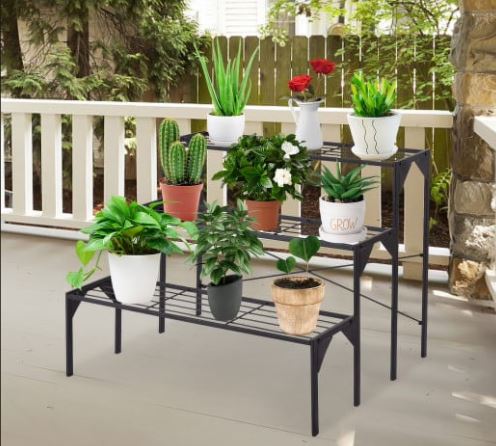
Install a Wall-Mounted Plant Shelf
A sturdy outdoor shelf can hold several small pots without requiring a large planting bed. It is especially useful for herbs, compact succulents, and decorative foliage plants.
- For sunny fences: Consider herbs such as thyme, oregano, and compact basil varieties when temperatures and sunlight are suitable.
- For partially shaded fences: Choose plants that tolerate reduced direct sunlight, such as appropriate ferns or shade-tolerant foliage plants.
- For a decorative display: Arrange plants at different heights and combine upright foliage with a few trailing varieties.
- For easier maintenance: Keep the shelf accessible enough to water, prune, and replace plants without climbing or stretching dangerously.
Use weather-resistant shelves and brackets, and avoid overloading them with heavy, water-saturated containers.
Create a Living Fence With Climbing Greenery
If you want your fence to look more natural, grow suitable climbing plants across a trellis or other appropriate support. The foliage can soften hard edges and provide a lush backdrop for the rest of your garden.
Choose plants according to your climate, growth habits, and maintenance preferences. Some climbers spread aggressively or become heavy over time, so check their mature size and local invasive-species guidance before planting.
A living fence may take time to fill in, especially when starting with young plants. For immediate visual interest, combine the climbers with a few containers placed at ground level.
2. Build a DIY Vertical Garden With Wooden Pallets
Wooden pallets are often used in DIY gardening projects because their slatted structure can accommodate small planters or create a framework for vertical planting. They may be an inexpensive option if you can source suitable materials safely.
However, not every pallet is appropriate for growing edible plants. Pallets may have been exposed to chemicals, spills, or unknown substances during shipping and storage. Select clean, traceable materials intended for a suitable use rather than assuming every discarded pallet is safe.
Turn a Pallet Into a Vertical Herb Garden
A pallet can be adapted to hold small pots of herbs, provided the structure is stable and the containers receive sufficient light.
Place the pallet in a sunny location if you intend to grow most culinary herbs. Attach secure pot holders or create supported planting pockets that allow excess water to drain.
Use containers with adequate drainage instead of filling every opening with dense garden soil. This makes watering, replanting, and seasonal maintenance easier.
Add Landscape Fabric to Suitable Pallet Designs
Some pallet garden designs use landscape fabric to create planting pockets. If you choose this method, use an appropriate horticultural fabric and construct the pockets so they can hold the growing medium securely.
The fabric must allow drainage while preventing soil from spilling through the openings. Avoid using materials with unknown chemical treatments, and ensure the structure can handle the weight of wet soil.
For edible crops, use materials specifically suitable for gardening and food-growing applications.
Choose Plants That Fit Small Planting Pockets
Not every plant thrives in the shallow spaces of a pallet garden. Compact herbs, small annual flowers, and shallow-rooted plants may be better choices than large vegetables or shrubs.
- Culinary herbs: Thyme, oregano, and compact basil varieties can work when light and watering conditions are suitable.
- Small flowering plants: Compact annuals can add seasonal color without overwhelming the structure.
- Trailing plants: Suitable trailing varieties can soften the edges and create a cascading appearance.
- Avoid oversized crops: Large tomato plants, deep-rooted vegetables, and heavy plants generally need more root space and stronger support.
Match the plant to the container depth rather than forcing a large plant into a small pocket.
Position and Secure the Pallet Garden Properly
A pallet garden can become surprisingly heavy after watering. Place it on a stable surface or secure it to a suitable supporting structure using hardware designed for the load.
Consider wind exposure, drainage, and access for maintenance. Water should not run toward a house foundation or create slippery areas.
If the pallet is freestanding, make sure it cannot tip over. For a simpler alternative, place individual pots on a sturdy outdoor shelf instead of building a complete pallet system.
3. Grow Vegetables Vertically in a Small Backyard
Vertical vegetable gardening can help you grow fresh produce without dedicating most of your backyard to traditional garden beds. It works especially well for climbing crops and vining plants that naturally use vertical support.
With the right structure, you can grow vegetables along a fence, beside a patio, or above a compact raised bed.
Grow Climbing Vegetables on a Trellis
Climbing beans, peas, and some cucumber varieties can grow upward when given suitable support. This keeps foliage more organized and may make harvesting easier.
Install the trellis before planting so that you do not damage developing roots later. Choose a structure strong enough for the mature plants and their produce.
Check the plant’s climbing habit before selecting the trellis. Some crops need mesh or narrow supports for tendrils to grip, while others benefit from ties or a different support arrangement.
Use Hanging Containers for Compact Vegetables
Hanging containers can support selected compact vegetables, herbs, and trailing edible plants. They are particularly useful when ground space is limited.
Choose varieties specifically suited to containers, and make sure the hanging system can safely support the combined weight of the container, wet growing medium, and mature plant.
Containers exposed to wind or intense afternoon sun may dry out quickly. Check soil moisture regularly and provide suitable drainage.
Avoid hanging heavy planters over seating areas or frequently used walkways.
Choose the Right Crops for Vertical Growing
The best crops are those that suit the structure, available sunlight, and container size. Compact or climbing varieties are generally more practical than large plants that spread across the ground.
- Climbing beans: Use a sturdy trellis and provide adequate sunlight.
- Peas: Grow well on suitable supports during the appropriate cool growing season.
- Cucumbers: Choose varieties suited to trellising and provide strong support for developing fruit.
- Compact tomatoes: Select determinate or patio varieties and use a suitable cage or support system.
- Leafy greens: Grow them in accessible wall planters or shelves with adequate root space and light.
Check local planting calendars because the best growing season varies across the United States.
Create a Vertical Vegetable Garden Above a Raised Bed
A raised bed with a trellis can combine traditional soil growing with vertical gardening. The bed supports the roots while the trellis gives climbing crops room to grow upward.
Position the trellis to avoid unnecessary shading of shorter crops. If the bed receives sunlight from one main direction, place taller plants where they are least likely to block light from the rest of the garden.
Use suitable growing soil and group plants according to their watering needs. A drip irrigation line can simplify watering when the bed contains several crops.
This setup is particularly practical for small backyards because it combines efficient growing space with straightforward access for planting, weeding, and harvesting.
4. Make a Vertical Garden With Hanging Planters
Hanging planters are an easy way to introduce vertical greenery without building a large structure. They can be attached to suitable pergolas, secure hooks, freestanding frames, or purpose-built outdoor supports.
In small backyards, hanging plants can add color above ground-level beds while keeping paths and seating areas clear.
Hang Flower Baskets Around a Patio
Flower baskets can bring seasonal color to a compact patio or seating area. Choose flowering plants that match the amount of sunlight the location receives.
Sunny locations may suit certain petunias or other sun-loving annuals, while shaded spaces may be better for appropriate shade-tolerant flowers and foliage plants.
Remember that hanging baskets often dry out faster than larger containers. Use a suitable potting mix and monitor moisture during hot weather.
Use Trailing Plants to Create a Cascading Effect
Trailing plants can make a vertical garden look softer and more natural. Their foliage hangs over the sides of containers, helping to connect separate planting levels visually.
Select plants according to local climate and light conditions. Some trailing plants need full sun, while others perform better in partial shade.
Keep trailing growth away from doorways, light fixtures, and walking routes. Trim plants when necessary to maintain a tidy appearance.
Arrange Hanging Planters at Different Heights
A group of planters at different heights can create depth without occupying much floor space. This works particularly well beside a plain fence or along the edge of a small patio.
- Upper level: Place lightweight containers with suitable trailing plants.
- Middle level: Use compact flowering plants or herbs that are easy to reach.
- Lower level: Add larger containers where heavier plants need more root space.
- Maintenance access: Leave enough room to water and prune each container safely.
Avoid creating a dense arrangement that blocks natural light from plants below.
Choose Safe Hooks and Weather-Resistant Supports
Hanging planters need secure mounting because wet growing medium can weigh considerably more than dry soil. Use hooks, brackets, and supports rated for the expected load.
Inspect the mounting points regularly, especially after strong winds or storms. Do not attach heavy containers to weak fence panels or damaged structures.
If you cannot install permanent hooks, use a freestanding plant stand or hanging planter frame. This provides flexibility and is often more suitable for rental properties.
5. Install a Vertical Garden Wall With Modular Planters
A modular vertical garden uses individual planting containers or pockets arranged in a wall-mounted or freestanding system. This can create a dense display of plants in a relatively small footprint.
Modular systems are available in different sizes and materials, making them suitable for decorative flowers, herbs, and selected foliage plants.
Choose a Modular System That Fits Your Backyard
Measure the available wall or fence before purchasing a system. Consider the total height, width, depth, and weight after the planters are filled and watered.
Look for a design that allows individual containers to be removed for cleaning, watering, or replacing plants. Accessible modules are easier to maintain than systems that require dismantling an entire wall.
Check whether the structure needs a waterproof backing or additional protection against moisture. Never mount a heavy system without confirming that the supporting wall or frame can handle the load.
Grow Herbs in a Modular Wall Garden
A modular herb garden can keep frequently used culinary plants within easy reach. Compact herbs are particularly useful when you want to grow fresh ingredients without installing a large raised bed.
Select herbs with compatible sunlight and watering requirements. Mediterranean herbs such as thyme and oregano generally prefer well-drained conditions, while basil usually needs more consistent moisture.
Labeling individual plants can make harvesting and maintenance easier, especially when several herbs are grown in similar containers.
Create a Decorative Wall With Foliage Plants
If your primary goal is appearance rather than food production, use foliage plants with contrasting leaf shapes and colors.
Combine upright plants with compact, spreading varieties where the growing conditions allow. Repeating a few species can create a more cohesive display than using a different plant in every container.
For outdoor walls, choose plants suited to local temperatures and seasonal weather. Indoor tropical plants may not tolerate cold winters or direct outdoor exposure.
Plan Drainage and Watering Before Installation
Water management is one of the most important parts of a vertical garden wall. Upper containers may drain into lower containers, creating uneven moisture levels.
Choose a system that allows excess water to escape without damaging the wall or creating slippery ground below. For larger installations, a compatible drip irrigation system may make watering easier.
Check the moisture needs of plants at different levels instead of assuming that every container requires the same schedule.
A well-designed modular wall can save space and create a striking garden feature, but it works best when drainage, support, and maintenance access are considered from the beginning.
6. Use Vertical Gardening to Create Privacy and Shade
Vertical gardens can do more than grow plants. When planned carefully, they can soften sightlines, screen selected parts of a backyard, and make a seating area feel more secluded.
This is especially helpful in urban neighborhoods where fences are close to neighboring windows or patios.
Grow Climbing Plants Along a Privacy Trellis
A trellis with suitable climbing plants can create a living screen between your patio and nearby properties.
Choose a plant that matches the desired coverage, local climate, and available sunlight. Some vines lose their leaves in winter, so they may not provide year-round privacy.
Position the trellis to block the most intrusive views without making the yard feel enclosed. Keep enough room for access and plant maintenance.
Combine Trellises With Container Plants
A freestanding trellis can be paired with containers to create a flexible privacy feature. The containers can anchor the arrangement visually while supporting plants that climb the structure.
Choose containers large enough for the selected plants and make sure the entire arrangement is stable in windy weather.
This setup is useful when you cannot plant directly in the ground or want a screen that can be moved in the future.
Use Vertical Greenery to Soften a Small Seating Area
A green wall, plant shelf, or trellis can create a visual boundary around a seating area without requiring a solid barrier on every side.
- For a modern patio: Use a simple trellis with repeated foliage plants.
- For a cottage-style garden: Combine suitable climbing flowers with compact containers.
- For a natural look: Mix a few plant textures and allow some foliage to trail.
- For a narrow backyard: Keep the structure close to a boundary so that the main walking area remains open.
Choose plants that will not spread beyond the available space or require constant trimming.
Understand the Limits of Plant-Based Screening
A vertical garden will not automatically provide complete privacy or significant shade. The result depends on plant density, mature growth, seasonal foliage, and the height of the structure.
If you need immediate privacy, combine plants with a suitable fence or screen. If you need shade, evaluate the structure and plant’s actual coverage rather than relying on a small trellis to block intense sunlight.
Also consider wind exposure, drainage, and local building restrictions before installing tall structures.
7. Choose the Best Plants for a Small Backyard Vertical Garden
The success of a vertical garden depends on matching plants to their containers, support systems, and growing conditions. A plant that thrives in an in-ground garden may struggle in a shallow wall pocket or small hanging basket.
Start by deciding what you want the garden to do. You may want fresh herbs, colorful flowers, climbing vegetables, decorative foliage, or a combination of these.
Best Herbs for Vertical Gardens
Many compact herbs are suitable for wall planters, shelves, and small containers when they receive appropriate light and drainage.
Thyme, oregano, chives, and compact basil varieties are common options. Rosemary may also work in a suitably sized container with excellent drainage and appropriate sunlight.
Choose container depth according to the plant’s root requirements. Avoid crowding several large herbs into a small pocket simply to create a fuller appearance.
Best Flowers for Vertical Garden Displays
Flowers can add seasonal color to trellises, hanging baskets, and wall-mounted containers.
Depending on the climate and sunlight, suitable choices may include compact annuals, selected clematis varieties for climbing supports, and other flowering plants adapted to containers.
Check whether the selected plants attract pollinators, require deadheading, or need frequent watering. If low maintenance is a priority, choose varieties that perform well in your local conditions.
Best Vegetables for Vertical Growing
Some vegetables are naturally suited to vertical supports, while others need more room at ground level.
- Climbing beans: Grow upward on suitable supports.
- Peas: Use a trellis or mesh appropriate for their tendrils.
- Cucumbers: Choose climbing varieties and provide a sturdy frame.
- Compact tomatoes: Use varieties bred for patio growing and support them properly.
- Leafy greens: Grow in containers with adequate depth and suitable light.
Pay attention to mature plant size, root space, and the weight of developing produce.
Choose Plants According to Sunlight and Climate
Observe your backyard before buying plants. A south-facing fence in much of the United States may receive intense sunlight, while a narrow area between buildings may remain shaded for much of the day.
Select plants according to local hardiness conditions and the actual light available. Remember that container plants can experience more extreme temperature changes than plants growing in the ground.
Use a suitable potting mix, provide drainage, and group plants with similar moisture requirements.
The right plant selection makes vertical gardening easier to maintain and reduces the likelihood of repeated replacements.
8. Maintain Your Vertical Garden With Less Effort
Vertical gardens can be space-efficient, but they still need routine care. Containers may dry out quickly, climbing plants can outgrow their supports, and upper planting levels can be harder to access.
A simple maintenance plan helps keep the garden healthy without making it a time-consuming project.
Water Plants According to Their Needs
Check container moisture regularly, especially during warm weather. Small wall pockets and hanging baskets often dry faster than larger pots.
Water thoroughly when needed and allow excess water to drain. Avoid following the same watering schedule for every plant because sunlight, container size, soil type, and plant species all affect moisture requirements.
A drip irrigation system may be useful for a large vertical garden, but it should be checked for clogged emitters and uneven watering.
Use the Right Potting Mix and Fertilizer
Choose a potting mix suitable for containers rather than relying on dense garden soil. Container growing media should support root growth and provide appropriate drainage and moisture retention.
Nutrients can gradually be depleted from containers, so plants may need a suitable fertilizer according to their species and growth stage.
Avoid excessive fertilizer application, which can damage roots or encourage weak growth. Follow product directions and account for the specific needs of edible crops.
Prune Plants and Inspect Their Supports
Trim plants when necessary to maintain healthy growth and prevent them from blocking paths or nearby plants.
Check trellises, hooks, shelves, and brackets regularly. Repair loose fittings before they become a safety problem.
Remove dead or diseased plant material where appropriate and monitor plants for pests.
Follow a Simple Maintenance Checklist
- Weekly: Check soil moisture, inspect plants, and remove small weeds or damaged leaves.
- Monthly: Inspect mounting hardware, adjust ties, and look for roots or stems becoming overcrowded.
- Seasonally: Replace tired annuals, prune plants according to their needs, and check whether containers need refreshing.
- Before storms: Secure lightweight planters and inspect freestanding structures for stability.
The goal is not to eliminate maintenance entirely. It is to create a vertical garden that can be managed through short, regular tasks rather than repeated major repairs.
Frequently Asked Questions About Vertical Gardens for Small Backyards
What is the easiest vertical garden for a small backyard?
A fence-mounted planter shelf or a simple trellis is often a good starting point. Both can support a small selection of suitable plants without requiring a complicated installation. Choose a system that is easy to water and maintain.
What vegetables grow best in a vertical garden?
Climbing beans, peas, and suitable cucumber varieties are common choices because they can use vertical support. Compact tomatoes and leafy greens may also work in appropriate containers. Plant selection depends on climate, sunlight, container size, and the strength of the support structure.
How do you make a vertical garden on a budget?
Start with an existing fence, a sturdy outdoor shelf, or a simple trellis. Reuse suitable containers, choose a small number of compatible plants, and expand gradually. Avoid using reclaimed materials of unknown safety when growing edible crops.
Does a vertical garden need daily watering?
Not always. Watering frequency depends on the plant, container size, growing medium, weather, and sunlight. Small containers may need frequent checks during hot weather, while larger containers can retain moisture longer. Check soil conditions instead of watering automatically every day.
What is the best location for a vertical garden?
Choose a location based on the plants you intend to grow. Many vegetables and flowering plants need several hours of direct sunlight, while some foliage plants prefer partial shade. Also consider drainage, wind exposure, safe mounting, and access for maintenance.
Can vertical gardens provide privacy?
Yes. Trellises with climbing plants, wall-mounted greenery, and tall container plants can screen selected views. However, privacy depends on plant density, structure height, and seasonal foliage. For immediate coverage, combine plants with an appropriate fence or screen.
Are vertical gardens suitable for renters?
They can be. Freestanding trellises, portable plant shelves, and container arrangements can provide vertical greenery without permanent changes to a property. Always consider stability, drainage, lease restrictions, and the weight of the structure.
How do you prevent a vertical garden from damaging a fence or wall?
Use appropriate mounting hardware, allow sufficient airflow, and prevent water from continuously running onto vulnerable surfaces. Check the fence or wall’s ability to support the structure and its mature plant load. A freestanding frame may be more suitable for weak fences or rental properties.
Final Thoughts
Vertical gardening is one of the most practical ways to make a small backyard greener without sacrificing valuable floor space. By using fences, trellises, hanging planters, modular systems, and climbing vegetables, you can create a garden that is both attractive and functional.
Start with one vertical feature that matches your goals. A simple herb shelf may be enough for a beginner, while a trellis and raised bed can provide more growing space for vegetables. If privacy is your priority, focus on a suitable climbing plant or a stable container-and-screen arrangement.
Choose plants that fit your local climate, provide enough root space, and match the available sunlight. Plan for drainage, safe mounting, and easy access for watering and pruning.
With a little planning, even a narrow backyard can support a productive, colorful vertical garden that makes better use of every available inch.

- 10 Best 1 Inch Garden Hose 2026 - October 19, 2026
- How to Grow Cucumbers in Containers: A Complete Guide - October 19, 2026
- Best Fertilizer for Cucumbers in Containers: A Complete Growing Guide - October 19, 2026