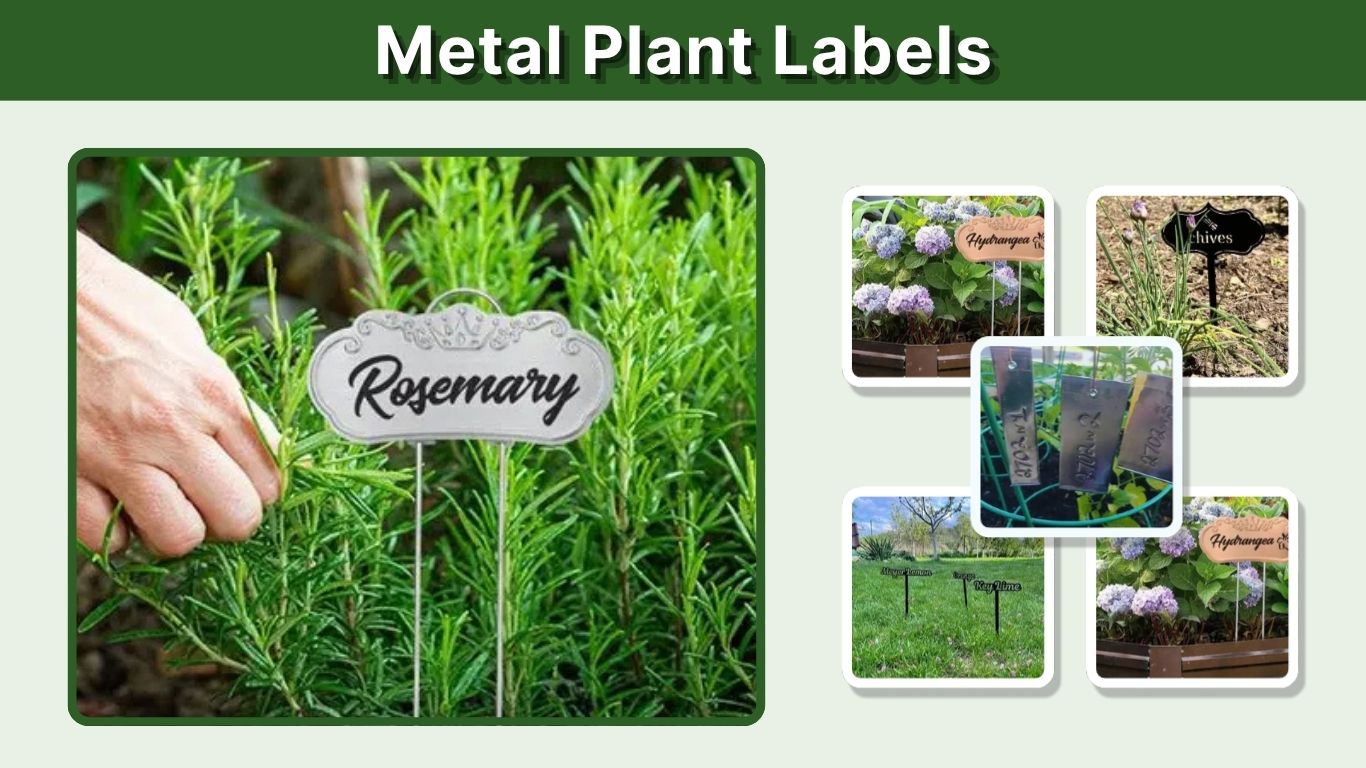
Metal Plant Labels: The Complete Guide to Durable Garden Plant Markers
Metal plant labels are one of the most reliable ways to identify flowers, herbs, vegetables, seedlings, and perennial plants in any garden.
Unlike plastic tags that can fade, crack, or break over time, metal plant labels are built to withstand rain, sunlight, frost, and everyday outdoor conditions.
They are available in durable materials such as aluminum, stainless steel, copper, and zinc, making them ideal for both home gardeners and professional growers.
Whether you want reusable plant markers, engraved identification tags, or decorative garden labels, choosing the right option helps keep your garden organized year after year. This guide explains the different types of metal plant labels, their benefits, how to write on them, and tips for selecting the best labels for your gardening needs.
What Are Metal Plant Labels?
Metal plant labels are durable identification tags used to mark flowers, vegetables, herbs, shrubs, trees, and other plants. They help gardeners keep track of plant names, planting dates, and growing information throughout the season. Unlike plastic labels, metal plant markers are designed to last for years without becoming brittle or fading quickly. They are commonly made from aluminum, stainless steel, copper, or zinc, each offering different levels of durability and appearance.
Whether you’re managing a small balcony garden or a large landscape, metal labels provide a neat, professional, and long-lasting way to organize your plants.
Definition and Purpose of Metal Plant Labels
Metal plant labels are reusable garden markers made from weather-resistant metals. Their primary purpose is to identify plants accurately while withstanding outdoor conditions.
Common uses include:
- Labeling vegetables in raised garden beds
- Identifying herbs in kitchen gardens
- Marking flower varieties
- Tracking seedlings and propagation
- Recording planting dates or cultivar names
- Organizing botanical collections
These labels are especially valuable for gardeners who grow multiple varieties of the same plant and need permanent identification.
| Feature | Benefit |
|---|---|
| Permanent identification | Prevents plant mix-ups |
| Reusable design | Saves money over time |
Common Materials (Aluminum, Stainless Steel, Copper, Zinc)
Metal plant labels are available in several materials, each with unique characteristics.
Aluminum
- Lightweight and affordable
- Rust-resistant
- Easy to engrave or emboss
- Popular for home gardens
Stainless Steel
- Extremely durable
- Resists rust and corrosion
- Ideal for long-term outdoor use
- Excellent for botanical collections
Copper
- Attractive natural finish
- Develops a decorative patina over time
- Strong and weather-resistant
Zinc
- Corrosion-resistant
- Suitable for damp environments
- Long-lasting with minimal maintenance
Choosing the right material depends on your budget, climate, and how long you expect the labels to remain in place.
Why Gardeners Prefer Metal Over Plastic Labels
Many gardeners replace plastic plant tags with metal alternatives because they last much longer and require less maintenance.
Metal plant labels offer several advantages:
- Resist UV damage from sunlight
- Do not become brittle in cold weather
- Stay readable for years
- Handle rain, snow, and heat better
- Can be engraved for permanent text
- Look more attractive in decorative gardens
While metal labels usually cost more initially, their long lifespan often makes them the better value.
Best Plants and Gardens for Metal Markers
Metal plant markers work well in almost every type of garden. They are especially useful where permanent identification is important.
They are ideal for:
- Vegetable gardens
- Herb gardens
- Flower beds
- Rose gardens
- Native plant gardens
- Orchards
- Raised garden beds
- Greenhouses
- Container gardens
- Tree nurseries
Gardeners who grow perennial plants appreciate metal labels because they remain in place season after season, making plant identification simple even after winter dormancy.
Types of Metal Plant Labels
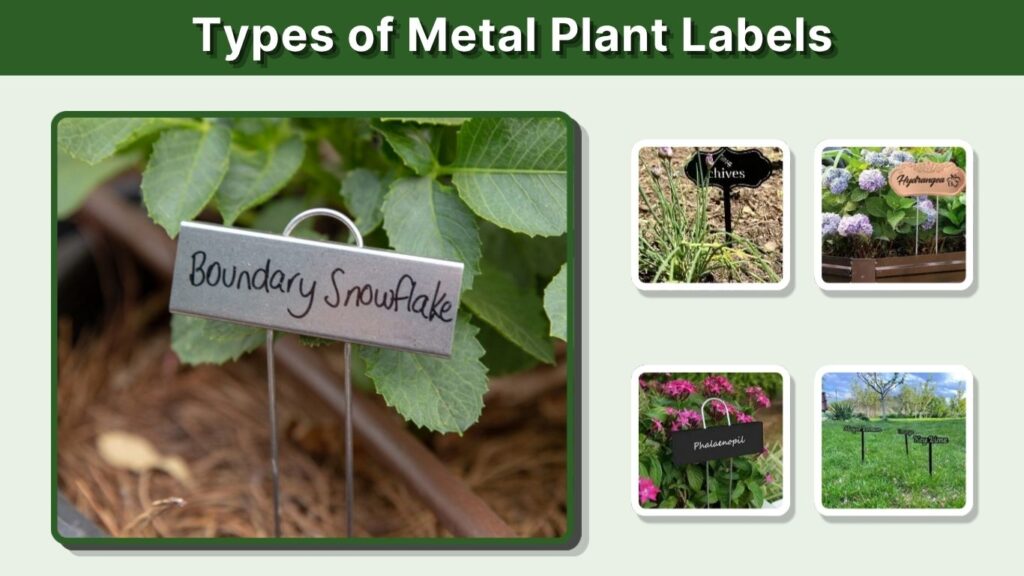
Metal plant labels come in several designs to suit different gardening needs. Some are made for permanent placement in garden beds, while others are designed to hang from branches, pots, or stems. Choosing the right style improves visibility, protects plants from damage, and makes your garden easier to organize.
Stake Plant Labels
Stake plant labels are the most common type of metal plant marker. They feature a long stem that pushes directly into the soil beside the plant.
They are ideal for:
- Vegetable rows
- Flower beds
- Raised beds
- Herbs
- Seedlings
Their elevated design keeps the plant name visible even as plants grow larger.
Hanging Metal Plant Tags
Hanging metal tags attach to branches, stems, trellises, or pots using wire, hooks, or loops.
They are commonly used for:
- Fruit trees
- Shrubs
- Bonsai
- Indoor plants
- Nursery stock
Because they do not require insertion into the soil, hanging tags are easy to move and reuse without disturbing plant roots.
Metal Plant Label Materials Compared
The material you choose affects how long your metal plant labels last, how easy they are to write on, and how well they handle outdoor conditions. Aluminum, stainless steel, copper, and zinc are the most common options, each offering unique advantages for different gardening needs. Understanding these differences helps you select labels that match your climate, budget, and the type of plants you grow.
Aluminum Plant Labels
Aluminum plant labels are among the most popular choices for home gardeners. They are lightweight, affordable, and naturally resistant to rust, making them suitable for both indoor and outdoor use.
Benefits of aluminum labels include:
- Easy to engrave or emboss
- Resistant to moisture and corrosion
- Lightweight yet durable
- Budget-friendly for large gardens
- Ideal for vegetables, herbs, and flowers
Although aluminum is softer than stainless steel, it performs well in most gardening environments and can last for many years with proper care.
Stainless Steel Plant Labels
Stainless steel plant labels are known for their exceptional strength and durability. They resist rust, corrosion, and physical damage, making them an excellent choice for permanent garden identification.
Advantages include:
- Excellent weather resistance
- Strong enough for long-term outdoor use
- Minimal maintenance required
- Suitable for botanical gardens and nurseries
- Maintains a clean, professional appearance
Because of their durability, stainless steel labels are often preferred for orchards, perennial gardens, and landscapes where labels remain in place year-round.
Copper Plant Markers
Copper plant markers combine durability with decorative appeal. Over time, copper develops a natural greenish-brown patina that many gardeners appreciate for its classic look.
Key features include:
- Attractive appearance that ages naturally
- Resistant to rust
- Strong and long-lasting
- Easy to stamp or engrave
- Perfect for ornamental gardens and flower beds
Copper markers are often chosen by gardeners who want both functionality and an elegant garden design.
Zinc and Galvanized Steel Tags
Zinc and galvanized steel plant labels provide excellent protection against moisture and corrosion. These materials are commonly used in gardens with frequent rain or high humidity.
Their advantages include:
- Corrosion-resistant finish
- Long service life
- Strong construction
- Suitable for outdoor landscapes
- Good value for larger planting areas
| Material | Best For |
|---|---|
| Aluminum | Home gardens and raised beds |
| Stainless Steel | Permanent outdoor labels |
| Copper | Decorative flower and herb gardens |
| Zinc/Galvanized Steel | Wet climates and large landscapes |
Benefits of Using Metal Plant Labels
Metal plant labels provide reliable plant identification while improving the appearance and organization of your garden. Their durability makes them a worthwhile investment for gardeners who want labels that remain readable through changing seasons and harsh weather conditions.
Weatherproof and Rust-Resistant Durability
Metal labels are designed to withstand outdoor environments much better than paper or plastic alternatives.
They can resist:
- Heavy rainfall
- Direct sunlight
- Frost and snow
- Wind exposure
- High humidity
- Seasonal temperature changes
Quality stainless steel, aluminum, and zinc labels remain functional for many years without significant deterioration.
Long-Lasting Identification for Perennial Plants
Perennial plants return every year, making permanent labels especially valuable. Instead of replacing faded tags each season, gardeners can rely on metal markers for consistent identification.
Permanent labels help track:
- Plant varieties
- Cultivars
- Bloom times
- Planting dates
- Growth performance
- Collection records
This is particularly useful in orchards, botanical gardens, and perennial flower borders.
Fade-Resistant Writing and Engraving
One of the biggest advantages of metal labels is that engraved or embossed text remains readable much longer than ink written on plastic tags.
Permanent marking options include:
- Metal stamping
- Hand engraving
- Electric engraving pens
- Embossing tools
These methods create labels that stay legible for years, even after prolonged outdoor exposure.
Eco-Friendly and Reusable Garden Markers
Metal plant labels are a sustainable alternative to disposable plastic markers. Because they can be cleaned and reused, they help reduce garden waste over time.
Environmental benefits include:
- Less plastic waste
- Long product lifespan
- Recyclable materials
- Reusable for seasonal planting
- Lower replacement costs
For gardeners seeking environmentally friendly solutions, reusable metal markers are an excellent long-term investment.
How to Write on Metal Plant Labels
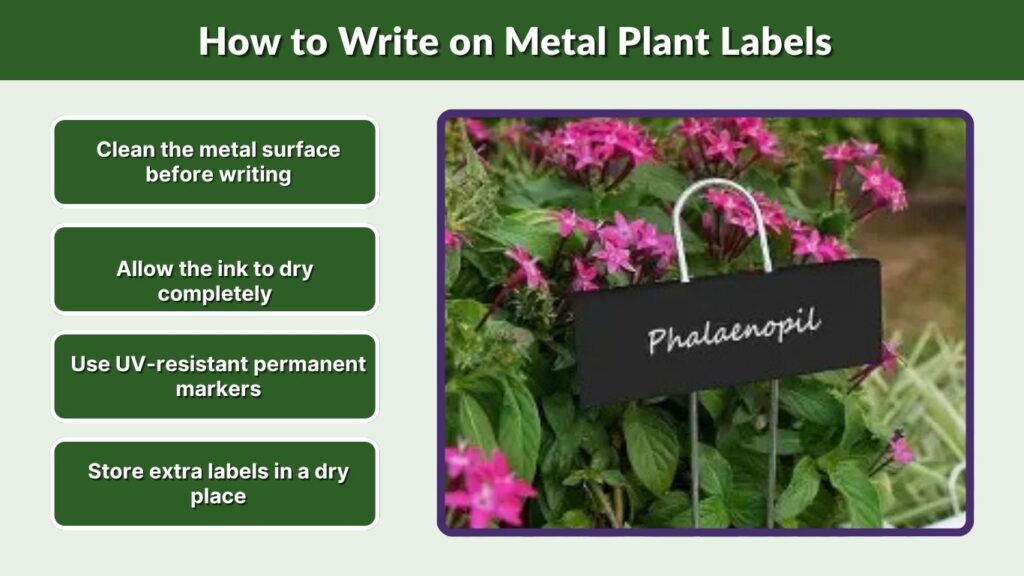
Choosing the right marking method is just as important as selecting the label itself. The goal is to create clear, durable text that remains readable despite rain, sunlight, and everyday wear. Depending on the type of metal label, you can write, engrave, emboss, or stamp permanent plant information.
Permanent Marker Methods
Permanent markers offer the quickest and easiest way to label metal plant markers. High-quality outdoor markers produce dark, readable text that works well for seasonal gardening.
Tips for better results:
- Clean the metal surface before writing
- Allow the ink to dry completely
- Use UV-resistant permanent markers
- Store extra labels in a dry place
While convenient, marker ink may eventually fade after extended exposure to sunlight.
Engraving and Embossing Techniques
Engraving creates permanent lettering by cutting directly into the metal surface, while embossing raises the letters without removing material.
Advantages include:
- Permanent identification
- No fading from sunlight
- Resistant to rain and watering
- Professional appearance
- Excellent for long-term gardens
These methods are ideal for perennial plants, trees, and botanical collections.
Metal Stamping Tools
Metal stamping uses steel letter punches and a hammer to imprint names into soft metals such as aluminum and copper.
Metal stamping is useful because it:
- Produces highly durable labels
- Creates readable lettering
- Requires no electricity
- Works well for personalized garden markers
- Lasts for decades with minimal maintenance
Stamped labels are popular among gardeners who want custom, handcrafted plant markers.
Preventing Fading Over Time
Even durable labels benefit from proper care. A few simple practices can help preserve writing and improve readability.
Best practices include:
- Use engraved or stamped lettering whenever possible
- Choose UV-resistant permanent markers for temporary labels
- Clean labels gently each season
- Avoid scratching the writing surface
- Replace faded ink before it becomes unreadable
With proper maintenance, quality metal plant labels can remain attractive and easy to read for many growing seasons.
Choosing the Best Metal Plant Labels
The best metal plant labels depend on your gardening style, plant collection, and local climate. Some gardeners need durable markers for permanent landscapes, while others prefer decorative labels for container plants or herb gardens. Considering factors like material, size, shape, and intended use will help you make a smart purchase.
Selecting the Right Size and Shape
Metal plant labels are available in a variety of sizes and designs. Choosing the correct size ensures that plant names remain easy to read without overwhelming your garden.
Common options include:
- Small labels for seedlings
- Medium labels for herbs and flowers
- Large markers for shrubs and trees
- Rectangular plant tags
- Oval garden labels
- Decorative engraved plaques
Larger labels provide more space for writing botanical names, planting dates, and care notes.
Matching Labels to Plant Types
Different plants benefit from different styles of metal markers.
Recommended combinations include:
- Vegetables — Stake labels
- Herbs — Compact aluminum markers
- Roses — Decorative copper tags
- Fruit trees — Hanging metal labels
- Shrubs — Stainless steel markers
- Indoor plants — Small engraved tags
Matching the label style to the plant makes identification easier while enhancing the garden’s appearance.
Indoor vs Outdoor Gardening Needs
Indoor and outdoor gardens have different labeling requirements.
Indoor gardens
- Smaller labels
- Decorative finishes
- Lightweight materials
- Minimal weather exposure
Outdoor gardens
- Weatherproof construction
- Rust-resistant metals
- UV-resistant markings
- Heavy-duty stakes
Choosing labels designed for the intended environment improves their lifespan.
Budget vs Premium Options
Metal plant labels range from inexpensive aluminum tags to premium stainless steel and handcrafted copper markers.
Consider these factors before buying:
- Number of plants
- Expected lifespan
- Weather conditions
- Garden size
- Maintenance requirements
Although premium labels cost more initially, they often provide better long-term value because they require fewer replacements.
Metal Plant Labels vs Plastic Plant Labels
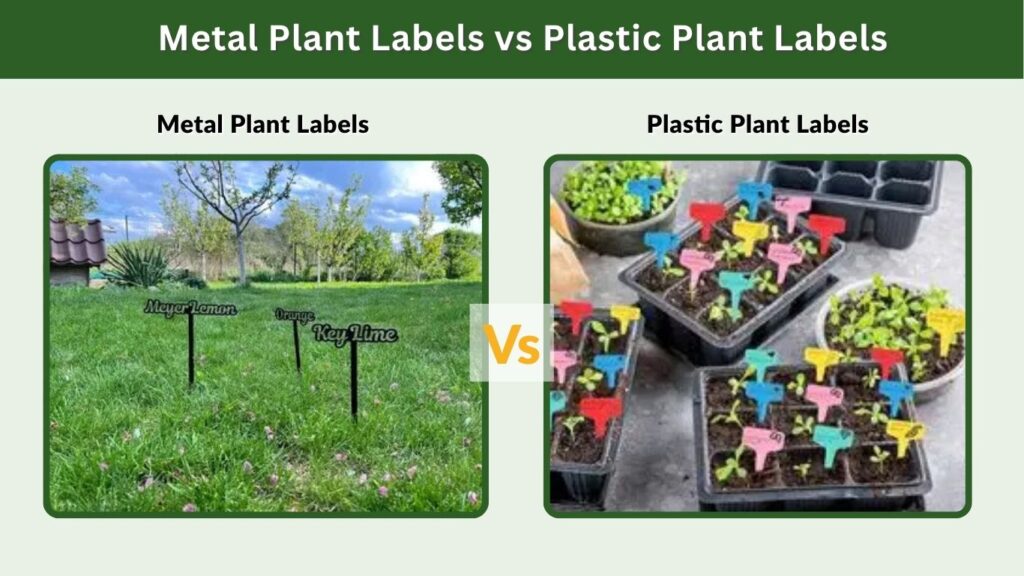
Both metal and plastic plant labels help identify plants, but they differ significantly in durability, appearance, maintenance, and environmental impact. Understanding these differences helps gardeners choose the option that best suits their needs.
Durability Comparison
Metal labels are designed for long-term outdoor use, while plastic labels often deteriorate after prolonged exposure to sunlight and weather.
Metal labels typically offer:
- Greater strength
- Better weather resistance
- Longer lifespan
- Reduced cracking
- Improved stability
Plastic labels may be suitable for temporary plant identification but usually require more frequent replacement.
Cost and Long-Term Value
Plastic labels usually have a lower upfront cost, making them attractive for seasonal gardening. However, repeated replacements can increase overall expenses.
Metal labels provide:
- Long service life
- Fewer replacements
- Better return on investment
- Reliable performance year after year
Many gardeners find that metal markers become more economical over time.
Appearance and Garden Aesthetics
Metal plant labels create a clean, professional appearance that complements both traditional and modern gardens.
They are available in finishes such as:
- Brushed aluminum
- Polished stainless steel
- Antique copper
- Decorative engraved designs
Plastic labels are available in various colors but may fade or discolor after extended outdoor exposure.
Sustainability and Environmental Impact
Reusable metal labels help reduce waste and support more sustainable gardening practices.
Environmental advantages include:
- Recyclable materials
- Long lifespan
- Less plastic waste
- Reusable for multiple seasons
- Reduced landfill contribution
| Feature | Metal Plant Labels | Plastic Plant Labels |
|---|---|---|
| Durability | Excellent | Moderate |
| Weather Resistance | High | Medium |
| Lifespan | Many years | 1–3 seasons |
| Reusable | Yes | Limited |
| Eco-Friendly | High | Lower |
Best Uses for Metal Plant Labels
Metal plant labels are versatile enough for nearly every gardening project. Whether you’re growing vegetables, herbs, flowers, or fruit trees, durable markers help keep your garden organized while improving plant identification.
Vegetable Gardens
Vegetable gardens often contain multiple varieties of similar crops, making accurate labeling essential.
Metal labels help identify:
- Tomatoes
- Peppers
- Cucumbers
- Lettuce
- Beans
- Carrots
Permanent labels are especially useful for crop rotation and succession planting.
Herb Gardens
Herbs often look similar during early growth stages. Metal labels help prevent confusion while adding an attractive touch to kitchen gardens.
Popular herbs to label include:
- Basil
- Rosemary
- Thyme
- Oregano
- Mint
- Parsley
Decorative copper or aluminum labels work particularly well in herb gardens.
Flower Beds and Perennial Borders
Flower gardens benefit from permanent labels that remain visible year after year.
Common plants include:
- Roses
- Lavender
- Coneflowers
- Daylilies
- Hostas
- Peonies
Permanent identification is valuable for tracking bloom times and plant varieties.
Seedlings, Pots, and Greenhouse Plants
Young plants require careful organization during propagation and transplanting.
Metal markers help track:
- Seed starting dates
- Plant varieties
- Hybrid cultivars
- Germination batches
- Propagation experiments
Compact labels are especially useful in greenhouses where moisture can quickly damage paper or plastic tags.
How to Install and Maintain Metal Plant Labels
Proper installation and regular maintenance help extend the life of metal plant labels. Correct placement also improves visibility while protecting plants from accidental damage during growth.
Proper Placement Around Plants
Position labels where they remain easy to read without interfering with plant development.
Best practices include:
- Place labels a few inches from stems
- Keep text facing pathways
- Avoid blocking plant growth
- Insert stakes firmly into the soil
- Leave room for mature plants
Correct placement reduces the chance of damaging roots during installation.
Cleaning and Polishing Metal Markers
Routine cleaning keeps labels attractive and easy to read.
Simple maintenance steps include:
- Wipe with a soft cloth
- Wash with mild soap and water
- Remove dirt and algae
- Dry completely before storage
- Polish copper when desired
Regular cleaning improves readability and extends the marker’s lifespan.
Preventing Corrosion and Bending
Although many metals resist corrosion, proper handling further protects your investment.
Helpful tips include:
- Choose rust-resistant materials
- Avoid forcing stakes into rocky soil
- Straighten bent labels carefully
- Store unused labels indoors
- Inspect labels each growing season
Proper care helps preserve both appearance and durability.
Seasonal Storage and Reuse
Reusable metal plant labels are easy to store between growing seasons.
For best results:
- Clean labels before storage
- Organize by plant type
- Keep labels dry
- Remove old markings if necessary
- Store in labeled containers
With proper seasonal care, quality metal plant labels can remain functional for many years, making them a practical and cost-effective solution for every gardener.
DIY Metal Plant Labels
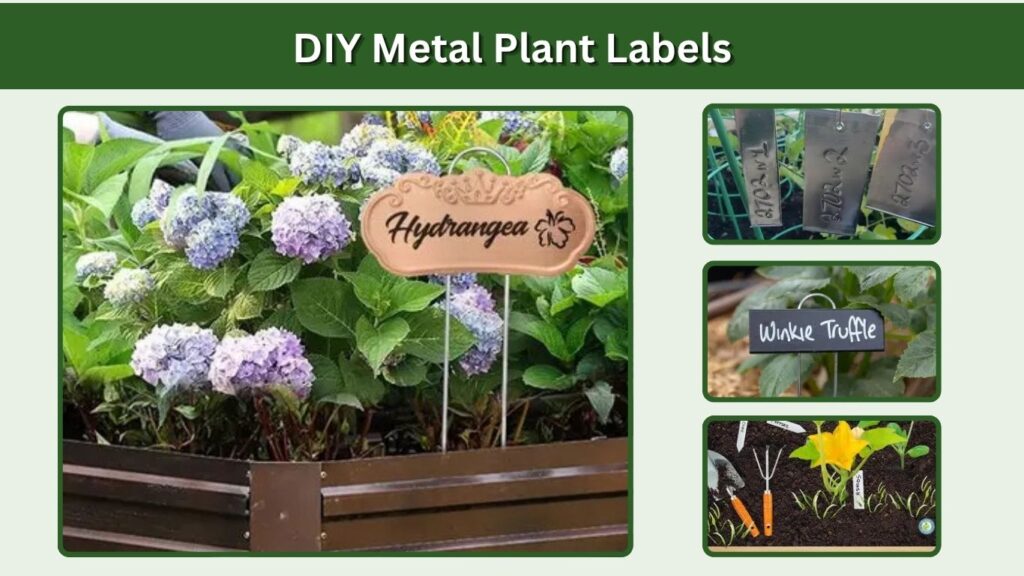
Creating your own metal plant labels is an affordable and enjoyable gardening project. DIY labels allow you to customize the size, shape, and design while using durable materials that can last for years. Whether you prefer a rustic appearance or a polished finish, homemade metal markers add a personal touch to your garden.
Making Labels from Aluminum Strips
Aluminum strips are one of the easiest materials to work with because they are lightweight, inexpensive, and resistant to rust.
Basic supplies include:
- Aluminum strips
- Metal snips
- Permanent marker or engraving pen
- Sandpaper
- Safety gloves
After cutting the strip to the desired length, smooth the edges and write or engrave the plant name before placing it in the soil.
Using Recycled Metal Materials
Recycling old household materials is an eco-friendly way to create durable plant markers.
Suitable materials include:
- Aluminum cans
- Scrap copper sheets
- Old metal flashing
- Stainless steel scraps
- Unused metal tags
Reusing metal reduces waste while giving new life to materials that might otherwise be discarded.
Hand Stamping Personalized Labels
Metal stamping creates permanent lettering that won’t fade with time.
Benefits of hand stamping include:
- Custom plant names
- Decorative designs
- Long-lasting identification
- No ink required
- Professional appearance
Copper and aluminum are especially popular because they are soft enough to stamp without excessive effort.
Creative Decorative Ideas
DIY metal labels can be both practical and decorative.
Popular ideas include:
- Leaf-shaped labels
- Vintage garden markers
- Painted borders
- Decorative embossing
- Botanical illustrations
- Personalized garden gifts
Adding creative details makes plant labels an attractive feature in ornamental gardens.
Common Problems and Solutions
Even high-quality metal plant labels may experience occasional issues after years of outdoor use. Fortunately, most problems are easy to prevent or fix with proper maintenance.
Rust and Corrosion Concerns
While aluminum and stainless steel resist rust, some metals can corrode under certain conditions.
To reduce corrosion:
- Choose rust-resistant materials
- Avoid prolonged exposure to standing water
- Clean labels regularly
- Store unused labels indoors
- Replace severely damaged markers
Selecting quality materials greatly increases label longevity.
Fading or Unreadable Labels
Ink can fade after long exposure to sunlight and weather.
Ways to maintain readability include:
- Use UV-resistant permanent markers
- Engrave or stamp permanent text
- Rewrite faded labels each season
- Keep labels clean
- Avoid abrasive cleaners
Permanent engraving offers the longest-lasting solution.
Bent or Damaged Plant Markers
Thin metal labels may bend if forced into compacted soil.
Prevent damage by:
- Moistening hard soil before installation
- Avoiding rocks and roots
- Using thicker gauge metal
- Straightening bends carefully
- Replacing severely damaged stakes
Proper installation significantly reduces bending.
Keeping Labels Securely in Place
Loose labels may shift during watering or heavy rain.
Helpful solutions include:
- Push stakes deep into the soil
- Use hanging tags for trees
- Secure wire loops tightly
- Check labels periodically
- Reposition markers as plants mature
Proper placement ensures labels remain visible throughout the growing season.
Buying Guide for Metal Plant Labels
Choosing the right metal plant labels involves more than selecting the lowest price. Material quality, durability, writing method, and intended use all affect long-term performance. Investing in well-made labels helps keep your garden organized for many years.
Features to Look for Before Buying
Look for labels that offer durability, readability, and ease of use.
Important features include:
- Rust-resistant material
- Smooth writing surface
- Strong stake construction
- Easy-to-read size
- Weatherproof finish
- Reusable design
Quality labels require less maintenance and remain attractive longer.
Best Label Thickness and Gauge
The thickness of the metal affects both strength and flexibility.
General recommendations:
- Thin gauge for seedlings
- Medium gauge for flowers and herbs
- Heavy gauge for shrubs and trees
- Thick stakes for hard soil
Choosing the correct thickness prevents bending and improves durability.
Individual Labels vs Bulk Packs
The best purchasing option depends on the size of your garden.
Individual labels
- Ideal for small gardens
- Suitable for decorative collections
- Higher cost per label
Bulk packs
- Better value
- Consistent appearance
- Perfect for vegetable gardens
- Convenient for large landscapes
Bulk packages are often the most economical choice for gardeners with many plants.
Value for Home Gardeners and Professionals
Both hobby gardeners and commercial growers benefit from long-lasting plant markers.
Professional-grade labels provide:
- Better durability
- Permanent identification
- Lower replacement costs
- Professional appearance
- Reliable outdoor performance
Choosing durable labels reduces maintenance while improving overall garden organization.
| Buying Factor | Recommendation |
|---|---|
| Material | Stainless steel or aluminum |
| Durability | Weatherproof and rust-resistant |
| Writing Method | Engraving or metal stamping |
| Garden Size | Bulk packs for larger gardens |
| Best Value | Reusable metal labels |
Frequently Asked Questions About Metal Plant Labels
Are Metal Plant Labels Weatherproof?
Yes. Most metal plant labels are designed to withstand rain, sunlight, frost, humidity, and changing temperatures. Stainless steel, aluminum, copper, and zinc are all excellent choices for outdoor gardens because they resist corrosion better than plastic or paper labels.
What Is the Best Metal for Plant Labels?
Stainless steel is generally considered the best choice because it offers exceptional durability, corrosion resistance, and strength. Aluminum is an excellent budget-friendly option, while copper provides a decorative appearance with long-lasting performance.
Can Metal Plant Labels Rust?
It depends on the material. Stainless steel, aluminum, and copper are naturally resistant to rust, while untreated steel may corrode over time. Choosing high-quality, weather-resistant materials greatly reduces the risk of rust.
How Long Do Metal Plant Labels Last?
Quality metal plant labels can last anywhere from 10 to 30 years or more, depending on the material, weather conditions, and maintenance. Engraved or stamped labels typically remain readable much longer than labels written with permanent marker.
Conclusion
Metal plant labels are one of the most reliable solutions for keeping gardens organized and plants properly identified. Their durability, weather resistance, and reusable design make them a smart investment for vegetable gardens, herb beds, flower borders, orchards, greenhouses, and container gardens. Whether you choose lightweight aluminum, heavy-duty stainless steel, decorative copper, or corrosion-resistant zinc, quality metal markers provide years of dependable service. By selecting the right material, using permanent marking methods, and performing simple seasonal maintenance, you can enjoy clear, long-lasting plant identification while enhancing the beauty and organization of your garden.

- 10 Best Garden Hose For Herb Gardens 2026 - October 21, 2026
- 10 Best Garden Hose For Perennial Gardens 2026 - October 21, 2026
- 10 Best Garden Hose For Flower Beds 2026 - October 21, 2026