Low-Maintenance Small Backyard Garden Ideas: 21 Easy Ways to Create a Beautiful Outdoor Space
A small backyard can become a beautiful, relaxing retreat without requiring hours of watering, pruning, weeding, and general upkeep every week. The secret is choosing the right plants, using practical landscaping materials, and designing a garden that works with your available space rather than against it. Whether you have a tiny urban yard, a narrow outdoor area, or a compact backyard behind your home, there are plenty of ways to create an attractive garden with less effort.
These low-maintenance small backyard garden ideas combine easy-care plants, simple layouts, drought-tolerant landscaping, container gardening, and budget-friendly improvements. With a few thoughtful choices, you can enjoy a greener outdoor space that looks inviting throughout the growing season without turning gardening into another full-time job.
1. Choose Low-Maintenance Plants for Small Backyards
One of the easiest ways to reduce garden maintenance is to start with plants that naturally suit your climate, soil, sunlight, and available space. Plants that thrive in the conditions your backyard already provides generally need less intervention than varieties that require constant watering, frequent pruning, or special soil treatments.
For a small backyard, prioritize plants with manageable growth habits, reliable performance, and limited maintenance requirements. Compact perennials, native plants, and appropriately sized shrubs can create a lush appearance without overwhelming your garden.
Best Easy-Care Plants for Small Gardens
Consider these options when planning your backyard:
- Coneflowers: These flowering perennials attract pollinators and generally tolerate periods of dry weather once established.
- Black-eyed Susans: Their bright flowers bring color to sunny garden beds, and many varieties are relatively easy to grow.
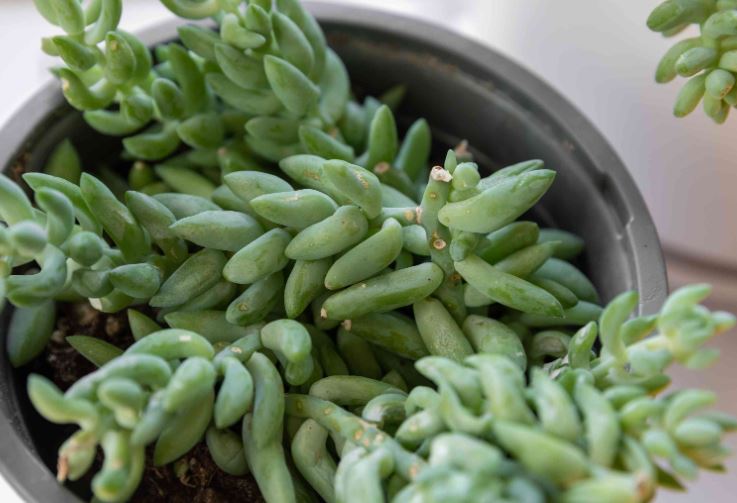
- Sedum: Many sedum varieties are drought-tolerant and work well in sunny borders, containers, and rock gardens.
- Dwarf evergreen shrubs: Compact varieties can provide year-round structure without the space requirements of larger shrubs.
- Ornamental grasses: Depending on the variety, these plants can add movement and texture while requiring relatively little pruning.
- Native perennials: Plants native to your region are often well adapted to local conditions and can support local wildlife.
The best choices depend on your location. For example, a plant that thrives in a dry Arizona backyard may struggle in a shaded New England garden.
Before purchasing anything, check the plant’s mature height, width, sunlight requirements, and hardiness zone. Choosing plants that fit your space from the beginning prevents overcrowding and reduces the need for repeated trimming or transplanting.
2. Create a Simple Garden Layout With Clear Borders
A complicated garden layout can make even a small backyard feel difficult to maintain. Multiple tiny flower beds, winding edges, scattered containers, and narrow planting strips create more areas to weed, trim, and manage.
A simpler design is often more practical and visually appealing.
Start by dividing your backyard into two or three functional areas. You might create a compact planting bed along the fence, a small seating area near the house, and an open section for walking or relaxing.
Use clean borders to separate planting areas from paths, patios, or lawn sections. Straight edges are usually easier to maintain than intricate curves, although a few gentle curves can soften a formal layout.
How to Design an Easy-Care Backyard Layout
Follow these steps to simplify your garden:
- Identify the areas that receive the most sunlight and the areas that remain shaded.
- Decide where you want to sit, walk, grow plants, or store gardening supplies.
- Group plants with similar watering and sunlight requirements.
- Keep planting beds accessible so you can reach plants without stepping into the soil.
- Avoid narrow gaps where weeds and debris are difficult to remove.
For example, a rectangular flower bed along the back fence can provide a colorful backdrop while leaving most of the yard open. A compact patio near the house can create an outdoor living area without requiring a large lawn.
A clear layout also makes it easier to install irrigation, spread mulch, and maintain the garden with fewer tools.
3. Replace High-Maintenance Grass With Easy-Care Alternatives
Traditional lawns can require regular mowing, edging, watering, fertilizing, and occasional reseeding. In a small backyard, maintaining a lawn may consume a surprising amount of time compared with the space it provides.
If you rarely use your lawn for playing or other activities, consider replacing part of it with lower-maintenance landscaping.
Gravel paths, mulched planting beds, compact patios, and suitable ground covers can reduce the amount of grass that needs regular care.
Practical Lawn Alternatives for Small Backyards
Gravel and stone: Gravel works well for paths, seating areas, and decorative sections. It does not need mowing, although it may require occasional raking, weed control, and replenishment.
Mulched garden beds: Organic mulch helps suppress weeds and moderate soil moisture around plants. It needs periodic replenishment as it decomposes.
Low-growing ground covers: Depending on your climate, suitable ground covers can fill spaces between larger plants and reduce the need for mowing. Choose varieties appropriate for the light, soil, and expected foot traffic.
Native meadow-style planting: A carefully designed planting of locally appropriate grasses and flowering plants can reduce mowing compared with a conventional lawn. However, it still requires establishment care and periodic management.
Patio or paver areas: A small patio creates a useful outdoor living space without the ongoing mowing requirements of grass.
You do not have to remove your entire lawn. Replacing even one section can reduce maintenance while making the backyard more functional.
Remember that lawn alternatives are not completely maintenance-free. The best option is the one that suits your climate, intended use, and tolerance for occasional upkeep.
4. Use Mulch to Reduce Weeds and Watering
Mulch is one of the most useful materials for creating a low-maintenance backyard garden. Applied correctly, it can reduce weed growth, slow moisture loss from the soil, and make planting beds look tidy.
Organic mulches, such as shredded bark, wood chips, and leaf mulch, gradually decompose and contribute organic matter to the soil. Inorganic materials, such as decorative stone, can be useful in some dry-climate designs, although they may absorb and retain heat.
How to Use Mulch Effectively
Start by removing established weeds and watering the soil if it is dry. Spread an appropriate layer of mulch over the planting bed, generally around 2–3 inches for many common organic mulches.
Keep mulch away from plant crowns and avoid piling it against tree trunks or shrub stems. Excessive mulch can create moisture problems and interfere with healthy growth.
For small backyard flower beds, shredded bark or wood chips can provide a neat, natural appearance. Leaf mulch can be useful where locally available, while gravel may suit certain drought-tolerant gardens.
Do not assume every plant prefers a thick organic mulch layer. Some Mediterranean plants, succulents, and other drought-adapted species may perform better with carefully selected mineral mulch and excellent drainage.
Mulch will not eliminate every weed, but it can make weed management much easier. Inspect beds periodically and remove small weeds before they become established.
5. Plant Native Species for Easier Garden Care
Native plants are often an excellent choice for low-maintenance small backyard landscaping because they have evolved under the environmental conditions of their region.
When matched to the correct site, native plants may require less supplemental watering and fertilizer than poorly suited ornamental varieties. They can also provide food and shelter for local pollinators, birds, and other wildlife.
However, native plants are not automatically maintenance-free. Some spread aggressively, grow taller than expected, or need specific soil and moisture conditions.
How to Build a Native Plant Garden
Choose plants based on your local ecosystem rather than selecting varieties simply because they are labeled native.
For a sunny backyard in parts of the eastern United States, regionally appropriate coneflowers, native asters, and certain native grasses may be suitable. In the Southwest, different drought-adapted native species may be more appropriate.
Check your local native plant society, university extension service, or regional gardening resources for recommendations.
A practical approach is to select three to five compatible species and repeat them throughout the planting bed. Repetition creates a cohesive design and simplifies watering and maintenance.
Group plants according to their mature size, soil preferences, and moisture requirements. Leave enough space between them to reduce overcrowding and improve airflow.
Once established, a well-planned native garden can offer seasonal color and ecological benefits without requiring constant replacement or intensive fertilization.
6. Install a Simple Drip Irrigation System
Watering can become one of the most time-consuming tasks in a small backyard, especially during hot summer weather. A basic drip irrigation system can deliver water directly to plant roots and reduce the need for frequent hand watering.
Drip systems are particularly useful for raised beds, container gardens, narrow planting borders, and rows of shrubs.
Make Watering Easier With Drip Lines
A simple system may include a hose connection, filter, pressure regulator, tubing, and emitters suited to your plants.
Arrange the tubing so that water reaches the root zones of the plants rather than spraying paths or empty soil. A compatible timer can automate watering, although the schedule should be adjusted for rainfall, temperature, soil type, and plant needs.
Check the system regularly for clogged emitters, leaks, and uneven watering.
A timer does not mean you can ignore your garden completely. Newly planted flowers and shrubs usually need more frequent attention than established plants. Container plants may also dry out faster than plants growing in the ground.
The goal is to make watering consistent and efficient, not to apply water automatically regardless of conditions.
For a small backyard, a simple drip system can be a worthwhile investment if you have several planting beds or regularly travel. If you have only a few plants, a watering can or hose may be more practical.
7. Grow Compact Shrubs That Need Little Pruning
Shrubs provide structure, privacy, and greenery throughout the year. However, large shrubs can quickly overwhelm a small backyard and create a constant need for trimming.
Compact, naturally shaped varieties are usually better choices for easy-care landscaping.
Look for dwarf cultivars or shrubs that remain within the available planting space at maturity. Depending on your climate, suitable options may include compact evergreen varieties, dwarf spirea, or appropriately sized native shrubs.
How to Choose the Right Shrubs
Before buying a shrub, check its expected height and width after several years of growth. A plant sold in a small nursery pot may eventually become much larger than the available space.
Avoid planting shrubs too close together simply to create an instant privacy screen. Crowded plants compete for light and airflow, and they may need more pruning to remain healthy.
Instead, use a small number of well-positioned shrubs to frame a patio, soften a fence, or define a garden corner.
Choose naturally compact plants rather than fast-growing varieties that require repeated cutting to control their size.
Evergreen shrubs can provide year-round structure, while deciduous flowering shrubs may add seasonal interest. The right combination depends on the climate and the appearance you want.
With appropriate selection and spacing, shrubs can form the backbone of a backyard garden without becoming a weekly maintenance task.
8. Create a Low-Maintenance Container Garden
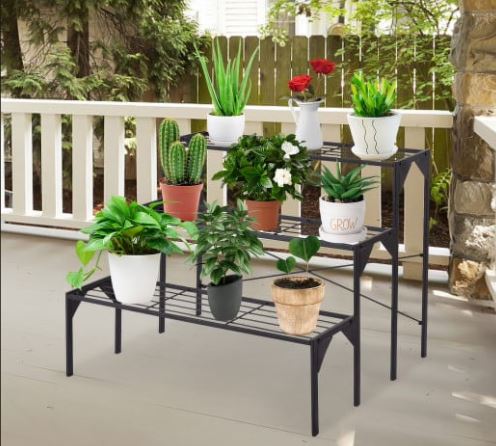
Container gardening is ideal for small backyards where planting space is limited or the existing soil is unsuitable. Pots allow you to grow flowers, herbs, compact vegetables, and ornamental plants on patios, decks, and paved areas.
The main maintenance challenge is that containers dry out faster than many in-ground beds. Choosing suitable pots and growing media can make a substantial difference.
Choose Containers That Make Gardening Easier
Use containers with adequate drainage holes. Larger pots generally hold more moisture than small pots, so they may require less frequent watering during warm weather.
Select a quality potting mix designed for containers rather than using dense garden soil alone. Garden soil can compact in pots and restrict drainage and root growth.
Group containers according to their water and sunlight needs. For example, herbs that prefer similar conditions can share a sunny area, while shade-tolerant foliage plants can occupy a cooler corner.
Consider self-watering planters if you regularly struggle to maintain consistent moisture. They can reduce watering frequency, although the reservoir still needs checking and refilling.
To keep the arrangement visually organized, repeat the same container colors or use a consistent style. Three coordinated planters often look more intentional than many unrelated pots scattered across the yard.
Remember that container plants still need appropriate fertilizer, periodic repotting, and checks for pests.
9. Add a Small Rock Garden for a Natural Look
A rock garden can bring texture and visual interest to a small backyard while reducing the amount of space devoted to conventional lawn or flower beds.
It can work especially well in sunny areas with well-drained soil, particularly when paired with plants adapted to relatively dry conditions.
Design a Rock Garden With Minimal Upkeep
Begin by selecting a suitable location and assessing drainage. Choose a limited palette of stones in complementary sizes and colors instead of mixing too many unrelated materials.
Position larger stones first, then add smaller rocks and plants around them. Use plants suited to your region, such as appropriate sedums, compact ornamental grasses, or locally suitable drought-tolerant species.
Avoid placing rocks directly against plant stems or blocking access to the planting areas.
A rock garden is not automatically weed-free. Weed seeds can still germinate between stones, and some aggressive plants may spread into the area.
A properly prepared site, appropriate plant selection, and occasional weeding will keep the design manageable.
For a compact backyard, a small rock garden near a fence or along the edge of a patio can provide a low-profile focal point without requiring extensive planting or seasonal flower replacements.
10. Choose Perennials Instead of Replanting Every Season
Annual flowers often provide beautiful color, but they typically need to be replanted each year. If your priority is reducing garden work, perennials can be a practical foundation for your planting beds.
Perennials generally return for multiple growing seasons, although their performance depends on climate, growing conditions, and the individual species.
Easy-Care Perennials for a Small Backyard
Consider regionally suitable options such as:
- Coneflowers: Attractive summer flowers that can support pollinators.
- Black-eyed Susans: Bright, daisy-like blooms for suitable sunny sites.
- Daylilies: Available in many sizes and colors, with varieties suited to different conditions.
- Sedum: Useful for sunny locations where drainage is appropriate.
- Hostas: Popular foliage plants for shaded gardens, although deer and slugs may be a concern in some areas.
- Native asters: Useful for seasonal flowers where locally appropriate species are available.
Check the hardiness zone, mature size, and growing requirements before selecting a plant.
For a cohesive look, repeat a few perennial varieties instead of planting a different species in every available space. This reduces the number of plants you need to learn about and makes routine care more predictable.
Although perennials can reduce annual replanting, they may still need dividing, deadheading, or seasonal cutting back. Choose varieties with manageable growth habits and maintenance needs.
11. Design a Low-Maintenance Shade Garden
A shaded backyard can be easier to manage than a hot, exposed garden, particularly when plants are selected for the actual light conditions. The challenge is identifying how much sunlight the area receives.
Full shade, partial shade, and dappled light support different types of plants. A location beneath a dense evergreen tree may be much drier than a shaded bed beside a house.
Plants and Materials for Shady Backyards
Depending on your climate, consider suitable ferns, hostas, native woodland perennials, and shade-tolerant ground covers.
Use leaf mulch or another appropriate organic mulch to help moderate soil moisture. Avoid assuming that shade means plants never need watering; trees and large shrubs may compete with smaller plants for available moisture.
A simple shade garden can include a narrow planting bed, a few larger foliage plants, and a small seating area.
Choose plants with different leaf shapes and shades of green to create visual interest without relying on constant seasonal flower changes.
If the area receives very little natural light, focus on plants adapted to deep shade rather than trying to grow sun-loving flowers in unsuitable conditions.
A well-planned shade garden can turn an awkward corner into a calm, attractive space with relatively little routine work.
12. Use Gravel Paths to Reduce Mud and Weeding
A clear path makes a small backyard easier to navigate and reduces the amount of planting area that needs regular care.
Gravel paths are a flexible option for many backyard designs. They can connect a patio to a garden bed, provide access to containers, or create a simple walkway along a fence.
How to Build a Practical Gravel Path
Start by marking the route and removing the existing vegetation. Prepare a stable, well-drained base appropriate for the soil and expected foot traffic.
Landscape fabric may be useful in some installations, but it does not eliminate weeds permanently. Soil and organic debris can accumulate on top, allowing new weeds to germinate.
Use suitable edging to keep gravel from spreading into the lawn or planting beds. Select a gravel size and shape that are comfortable to walk on and appropriate for the intended use.
Keep paths wide enough to use comfortably and avoid creating unnecessary narrow passages between plants.
For a small backyard, a straightforward path is often easier to maintain than an elaborate network of stepping stones and decorative borders.
Gravel requires occasional raking, topping up, and weed removal, but it can be a practical alternative to a high-maintenance lawn area.
13. Add a Small Raised Garden Bed
Raised beds can make a backyard garden more organized and accessible. They are especially useful where the existing soil is poor, compacted, or difficult to work.
A single raised bed can provide enough space for herbs, compact vegetables, or a mixture of seasonal flowers without spreading gardening tasks throughout the yard.
Build a Raised Bed That Is Easy to Maintain
Choose a sunny location if you plan to grow most vegetables. Many fruiting vegetables need several hours of direct sunlight, while leafy greens and some herbs can tolerate less.
Keep the bed narrow enough that you can reach the center from either side without stepping into the soil.
Use suitable, well-draining growing soil and select plants that match the available space. Compact tomato varieties, leafy greens, and herbs may be practical options depending on your climate.
Mulch exposed soil where appropriate and group plants with similar water requirements.
A raised bed does need occasional maintenance. Wooden structures may eventually require repair or replacement, and the growing medium may need replenishing as it settles.
However, a thoughtfully positioned raised bed can simplify planting, weeding, harvesting, and watering while giving a small backyard a neat, defined appearance.
14. Install Simple Garden Lighting
Outdoor lighting can make a small backyard feel welcoming after sunset without requiring additional planting or complex landscaping.
A few carefully positioned lights may be more effective than illuminating every corner.
Easy Lighting Ideas for Small Gardens
Solar pathway lights can mark walking routes where they receive enough daylight to charge. Low-voltage landscape lights can provide more consistent illumination when installed correctly.
Consider lighting near steps, seating areas, and changes in ground level. These locations offer practical benefits as well as visual appeal.
Warm-toned lighting can create a relaxed atmosphere around a patio or planting bed. Avoid excessively bright lights that shine directly into neighboring windows or disrupt wildlife.
Solar lights are convenient, but their performance depends on sunlight exposure, battery quality, and weather. Shaded locations may require wired lighting or a different arrangement.
Keep fixtures accessible for cleaning and replacement, and position them so that routine gardening tasks do not disturb cables or fittings.
Lighting is not entirely maintenance-free, but it generally requires less ongoing work than seasonal flower arrangements or elaborate water features.
15. Choose Drought-Tolerant Plants for Sunny Areas
Sunny backyards can dry out quickly, especially during hot summers. Selecting plants adapted to your local rainfall and soil conditions can reduce the need for frequent supplemental watering once the plants are established.
Drought tolerance does not mean a plant can survive indefinitely without water. Newly planted specimens still need appropriate watering while their roots develop.
Create a Water-Wise Backyard Garden
In suitable climates, consider regionally appropriate sedums, native grasses, and drought-tolerant flowering perennials.
In dry parts of the United States, some landscapes may also benefit from appropriately selected succulents or other water-wise plants. In colder regions, choose varieties that can tolerate winter conditions.
Improve soil where necessary, maintain suitable mulch, and group plants with similar moisture requirements.
Avoid mixing plants that need frequent watering with those that prefer relatively dry soil. This makes irrigation less efficient and can create problems for one group or the other.
For particularly hot locations, consider whether a little afternoon shade could reduce stress on sensitive plants.
A water-wise garden can be attractive and practical, but the best design depends on local climate, seasonal rainfall, and the specific needs of each species.
16. Add Privacy With Compact Plants and Simple Screening
Privacy can make a small backyard more comfortable, particularly in urban neighborhoods where homes are close together.
However, planting a row of large trees or fast-growing hedges may create more maintenance than the space can accommodate.
Instead, combine compact plants with practical screening.
Low-Maintenance Privacy Solutions
Consider these approaches:
- Compact evergreen shrubs: Useful for year-round greenery when the mature size suits the space.
- A simple trellis: Can provide structure for suitable climbing plants.
- Decorative privacy panels: Offer screening without requiring plant growth.
- Large containers: Can create flexible visual boundaries around a patio.
- Clumping ornamental grasses: Suitable varieties can provide seasonal screening and movement.
Check local regulations before installing fences or tall structures.
When using climbing plants, choose varieties that are appropriate for your climate and avoid species known to spread aggressively in your region.
Position screening where it blocks the most intrusive sightlines without unnecessarily reducing sunlight or airflow.
A combination of one or two compact shrubs and a well-placed panel may provide all the privacy you need, without the repeated trimming associated with a dense, oversized hedge.
17. Create a Simple Pollinator-Friendly Garden
A small backyard can support pollinators without becoming difficult to maintain. Bees, butterflies, and other beneficial insects may visit even a compact garden if it provides suitable flowers and habitat.
You do not need dozens of plant varieties. A small selection of locally appropriate flowering plants that bloom at different times can offer a more consistent source of nectar and pollen.
How to Support Pollinators With Less Work
Choose native flowering plants suitable for your region and growing conditions. Whenever possible, include a mix of bloom periods so that the garden offers resources across multiple seasons.
Avoid unnecessary pesticide use, especially when plants are flowering and pollinators are active.
Leave some healthy plant stems or seed heads over winter where appropriate for your local wildlife and garden conditions. Clean up selectively rather than removing every natural feature immediately after flowering.
A small water source may be useful in some settings, provided it is maintained safely and does not become stagnant.
Pollinator-friendly planting can overlap with your existing perennial beds, reducing the need to create a separate garden area.
The result is a backyard that feels lively and natural while relying on relatively simple planting and maintenance routines.
18. Use Repeated Planting to Create a Neat Appearance
One of the easiest ways to make a small backyard look professionally designed is to repeat the same plants in several locations.
A garden with too many different species can appear cluttered and may require more individual care. Repetition creates a visual rhythm and helps different parts of the backyard feel connected.
How to Repeat Plants Effectively
Choose a small palette of plants suited to your site. For example, you might repeat a compact evergreen shrub along the fence, use one flowering perennial throughout the sunny border, and place the same ornamental grass beside the patio.
Vary plant heights to create depth, but avoid adding so many species that the layout becomes complicated.
Consider how the plants will look in different seasons. Evergreen structure can provide a consistent foundation while flowering perennials supply seasonal color.
Leave adequate spacing for mature growth rather than planting everything too closely for an immediate full appearance.
Repeated planting also makes shopping easier because you can purchase fewer types of plants in larger quantities.
This approach works particularly well in narrow yards, compact patios, and small suburban gardens where visual simplicity can make the entire space feel more spacious.
19. Keep Garden Furniture Simple and Weather-Resistant
Garden furniture can turn a small backyard into a comfortable outdoor living area, but oversized furniture and delicate materials may create unnecessary maintenance.
Choose pieces that fit the available space and can withstand your local weather.
Practical Furniture Ideas for Small Backyards
A compact bench, two lightweight chairs, or a small outdoor table may be sufficient for a seating area.
Weather-resistant materials can reduce the need for frequent refinishing. However, no material is completely maintenance-free, and cleaning or seasonal storage may still be necessary.
Consider folding chairs or stackable furniture if you need to free up space occasionally.
Place furniture on a stable surface, such as an existing patio or suitable pavers, instead of directly on muddy soil.
Leave enough room to walk around the seating area and access nearby planting beds.
Avoid placing furniture where it blocks irrigation equipment or makes mowing and pruning difficult.
By keeping the seating arrangement simple, you can create a relaxing outdoor space without introducing a long list of cleaning, repair, and storage tasks.
20. Make Composting Easy With a Compact System
Composting can improve garden soil and reduce the amount of organic kitchen and garden waste sent to landfill. A small backyard does not necessarily need a large compost pile.
A compact, enclosed compost bin may be suitable for households that generate moderate amounts of compostable material.
Choose a Composting Method That Fits Your Space
A small enclosed bin can help keep materials contained and reduce visual clutter. Place it in a practical location with suitable drainage and enough access for adding materials and removing finished compost.
Balance nitrogen-rich materials, such as vegetable scraps and fresh green plant material, with carbon-rich materials, such as dry leaves and shredded untreated cardboard.
Avoid adding meat, dairy products, or oily food scraps to a basic backyard compost system unless you are using a system specifically designed to manage them.
Maintain appropriate moisture and airflow, and follow local guidance for composting.
Composting does require occasional attention. If you prefer an even simpler approach, using leaf mulch or purchasing suitable finished compost may be more practical.
The best system is the one you can manage consistently without allowing the process to become another unwanted chore.
21. Follow a Simple Seasonal Garden Maintenance Routine
Even the easiest backyard garden needs some care. The difference is that a well-designed garden can make maintenance predictable rather than constant.
A short seasonal routine helps you identify problems early and prevents small tasks from becoming larger projects.
Spring: Prepare for the Growing Season
- Remove damaged plant material where appropriate.
- Check irrigation lines and garden hoses.
- Replenish mulch where needed.
- Inspect shrubs for winter damage.
- Plant suitable perennials and shrubs at the recommended time.
Avoid cutting back every plant immediately. Some perennials benefit from leaving their stems until spring, depending on local conditions and wildlife considerations.
Summer: Water Efficiently and Monitor Growth
- Check soil moisture before watering.
- Inspect plants for pests, disease, or heat stress.
- Remove weeds while they are small.
- Trim plants only when necessary.
- Refill container reservoirs where applicable.
Water deeply when appropriate for the plant and soil rather than relying on frequent, shallow watering for every species.
Fall: Prepare the Garden for Cooler Weather
- Remove diseased plant material.
- Collect healthy leaves for mulch or compost where suitable.
- Check drainage before periods of heavy rain.
- Plant bulbs or perennials within the recommended local planting window.
- Protect vulnerable containers when necessary.
Do not automatically remove every seed head or fallen leaf. Some can provide habitat and seasonal interest.
Winter: Plan and Review
- Inspect outdoor structures for damage.
- Clean and store tools.
- Review which plants performed well.
- Plan replacements for plants that struggled.
- Order seeds and supplies for the next growing season.
The exact timing varies by climate and hardiness zone. A seasonal checklist adapted to your area will be more useful than following a fixed national calendar.
How to Make a Small Backyard Garden Even Easier to Maintain
The most effective low-maintenance backyard combines several of these ideas rather than relying on one particular plant or landscaping material.
Start with the changes that remove the most repetitive work. If you spend too much time mowing, reduce unnecessary lawn space. If watering is your biggest challenge, choose suitable drought-tolerant plants and consider drip irrigation. If weeds are the main problem, simplify planting beds and apply mulch appropriately.
Avoid These Common Landscaping Mistakes
Choosing plants that grow too large: Oversized plants can require repeated pruning and eventually crowd paths or seating areas.
Installing too many small flower beds: Every separate planting area creates another space to weed, water, and maintain.
Using plants with different watering requirements together: This makes it difficult to provide the right amount of moisture to every plant.
Ignoring mature plant size: A garden that looks perfect immediately after planting may become crowded within a few growing seasons.
Assuming artificial turf or gravel needs no maintenance: These materials may reduce mowing but can still need cleaning, weed control, drainage management, or repairs.
Buying plants before checking the site: Sunlight, soil, drainage, and climate should guide plant selection.
A little planning at the beginning can save a considerable amount of work later.
Frequently Asked Questions
What is the easiest garden to maintain in a small backyard?
A simple garden with regionally appropriate perennials, compact shrubs, mulched planting beds, and a small paved or gravel area is often relatively easy to maintain. The best design depends on your climate, sunlight, soil, and how much time you want to spend gardening.
How can I make my small backyard look nice without much maintenance?
Use a simple layout, repeat a limited selection of plants, define garden edges, and reduce unnecessary lawn space. Add a compact seating area and a few well-positioned containers or decorative features rather than filling every corner with plants.
What are the best low-maintenance plants for small backyards?
Suitable options may include compact evergreen shrubs, native perennials, ornamental grasses, sedum, and other plants adapted to local conditions. Check the mature size, sunlight requirements, hardiness zone, and watering needs before choosing specific varieties.
How do I maintain a small backyard garden on a budget?
Start with the plants and materials you already have. Divide suitable perennials, use locally available mulch, build a simple planting bed, and improve the layout before purchasing decorative features. Native plants and appropriately selected perennials can also reduce recurring replacement costs.
Are gravel gardens easier to maintain than traditional lawns?
Gravel gardens generally eliminate mowing, but they still require occasional weed removal, raking, and replenishment. They can be easier to maintain than a traditional lawn in suitable locations, especially when paired with drought-tolerant plants and effective site preparation.
How often should I water a low-maintenance backyard garden?
There is no single schedule that works for every garden. Watering frequency depends on temperature, rainfall, soil type, plant species, and whether plants are newly established. Check soil moisture and water according to plant needs rather than following a rigid daily schedule.
Can I create a low-maintenance garden in a shaded backyard?
Yes. Select plants suited to the actual shade conditions, such as appropriate ferns, hostas, or native woodland perennials. Use a simple layout, maintain suitable soil moisture, and choose plants that can tolerate the available light.
What is the cheapest way to landscape a small backyard?
Keeping the existing layout where possible, reducing unnecessary lawn, using suitable locally available materials, and planting a small number of compatible species can help control costs. Prioritize practical improvements before adding expensive decorative features.
How can I reduce weeds in a small backyard garden?
Remove existing weeds, apply an appropriate mulch layer, use defined planting-bed edges, and avoid leaving large areas of bare soil. Regularly removing small weeds is generally easier than waiting until they become established.
Is a low-maintenance garden completely maintenance-free?
No. Every garden needs some attention, including watering during dry periods, monitoring plant health, and occasional pruning or weeding. The aim is to reduce unnecessary work by selecting suitable plants and designing a garden that fits your available time and conditions.
Final Thoughts
Creating a low-maintenance small backyard garden is less about eliminating gardening tasks and more about making smarter choices. A simple layout, suitable plants, effective mulching, practical paths, and efficient watering can transform a compact outdoor area into a beautiful space that is easier to manage throughout the year.
Start with one or two improvements instead of redesigning everything at once. Replace an awkward lawn section, simplify a crowded planting bed, or introduce a few easy-care perennials. As you learn which plants thrive in your backyard, you can gradually build a garden that suits your lifestyle, budget, and local climate.
A well-planned small backyard does not need constant attention to remain attractive. With the right combination of plants and practical landscaping, you can spend less time maintaining your garden and more time enjoying it.

- How to Grow Cucumbers in Containers: A Complete Guide - October 19, 2026
- Best Fertilizer for Cucumbers in Containers: A Complete Growing Guide - October 19, 2026
- How to Grow Peppers in Pots: A Complete Guide for Beginners - October 19, 2026