Roses are often misunderstood as fragile plants that cannot handle harsh weather. In reality, many rose bushes are capable of surviving even the tough winters found across Canada. The key is understanding which types are naturally cold-hardy and how to care for them properly before, during, and after winter. If you choose the right variety and follow correct growing practices, roses can return every year and even thrive in cold climates.
This guide explains in detail how rose bushes respond to Canadian winters, which types perform best, and what practical steps you need to take to ensure long-term success.
What Does “Hardy” Mean for Rose Bushes?
When gardeners say a plant is “hardy,” they are referring to its ability to survive cold temperatures without dying. For rose bushes, hardiness means the plant can tolerate freezing conditions, frost, and snow while remaining alive at the root or stem level.
In Canada, this is especially important because winter temperatures can drop very low, sometimes below -30°C in certain regions. A hardy rose bush will either survive fully above ground or die back partially but regrow from its roots in spring.
Hardiness is not just about cold tolerance. It also includes how well a plant handles:
- Sudden temperature changes
- Dry winter winds
- Frozen soil conditions
Understanding this helps you choose roses that match your local climate instead of struggling with varieties that are not suited to your region.
Are Rose Bushes Hardy in Canadian Winters?
Yes, many rose bushes are hardy in Canada, but not all roses will survive equally well. The outcome depends on the type of rose you plant and how you manage it throughout the year.
Some roses are specifically bred for cold climates and can survive winter with little to no protection. Others are more delicate and may suffer damage or die if left exposed.
Several important factors influence whether a rose bush survives winter:
- Climate zone: Colder zones require more resilient varieties
- Rose type: Some roses are naturally stronger than others
- Soil condition: Poor drainage increases winter damage
- Winter preparation: Proper care improves survival rates
- Exposure: Wind and open areas can increase stress on plants
For most Canadian gardeners, success comes from combining the right variety with proper seasonal care.
Canadian Hardiness Zones for Roses
Canada is divided into plant hardiness zones based on average minimum winter temperatures. These zones help gardeners understand what plants are most likely to survive in their area.
In colder zones (Zone 2–3), only the toughest roses can survive. These areas experience extremely low temperatures and strong winds. In moderate zones (Zone 4–5), a wider range of hardy roses can grow successfully. In milder zones (Zone 6–7), gardeners can grow more varieties, including some that are less cold-tolerant.
Winter conditions in Canada present several challenges:
- Deep freezing temperatures
- Rapid freeze-thaw cycles
- Dry winds that remove moisture from stems
- Ice buildup around roots
Choosing a rose suited to your zone is one of the most important decisions you can make.
Best Cold-Hardy Rose Bushes for Canada
Not all roses are equal when it comes to winter survival. Some have been specifically developed to handle cold climates, while others are better suited to milder regions.
Canadian Explorer Roses
These are among the best choices for Canadian gardens. They were bred to survive harsh winters and are known for their durability and disease resistance. These roses can handle very low temperatures and often require minimal winter protection.
Parkland Roses
Parkland roses are another group designed for cold climates. They tend to be compact and bushy, making them suitable for smaller gardens. They also offer repeat blooms throughout the growing season.
Rugosa Roses
Rugosa roses are naturally tough and adaptable. They can tolerate poor soil, strong winds, and cold weather. In addition to their resilience, they produce fragrant flowers and decorative rose hips.
Shrub Roses
Many shrub roses are hardy and easy to grow. They develop strong root systems and can survive winter conditions with basic care, making them a good option for beginners.
Roses That Struggle in Cold Climates
Some popular roses, such as hybrid tea and certain floribunda varieties, are not well-suited for extreme cold. These roses often require heavy protection and may still suffer damage in harsh winters.
How Winter Affects Rose Bushes
Winter causes rose bushes to enter a dormant phase. During this time, growth stops, and the plant conserves energy in its roots. While dormancy is natural and necessary, extreme conditions can still cause damage.
Common winter-related issues include:
- Cane dieback: The upper stems die due to exposure to cold air
- Root damage: Freezing soil can harm the root system
- Moisture loss: Dry winds pull moisture from the plant, leading to dehydration
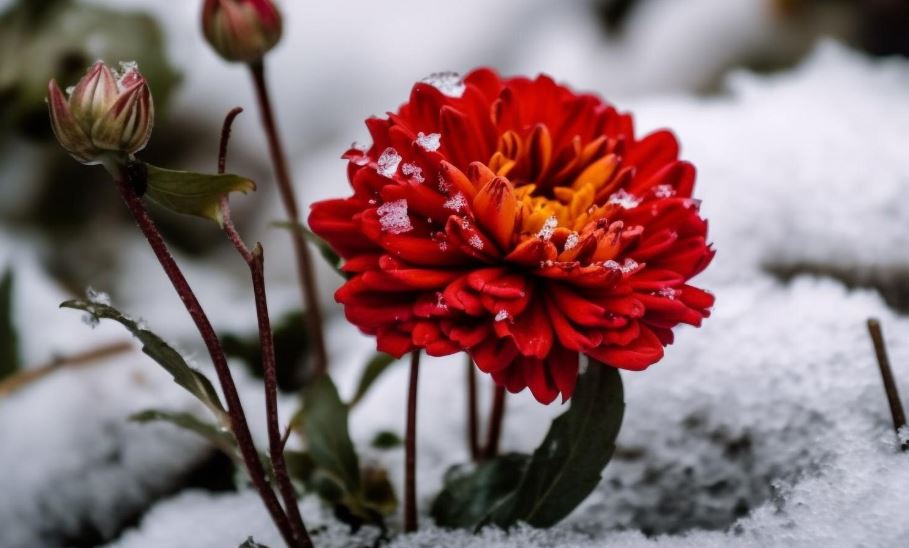
Snow can actually be helpful because it acts as a natural insulating layer, protecting the plant from extreme temperature changes. However, ice buildup or excessive moisture can be harmful.
Understanding these effects helps you take preventive measures before winter arrives.
Do Rose Bushes Come Back After Canadian Winters?
Most hardy rose bushes will come back after winter, but the way they return can vary.
Some roses survive completely intact and begin growing again in spring without much damage. Others may lose their top growth but regrow from the base. This is known as dieback and is common in colder climates.
What you see in spring depends on:
- The hardiness of the variety
- The severity of the winter
- How well the plant was protected
Even if a rose appears dead above ground, it may still be alive below the surface. New shoots often emerge once temperatures warm up.
How to Plant Roses for Winter Survival
Proper planting is essential for helping roses survive Canadian winters. A well-planted rose is much more likely to withstand cold conditions.
Location
Roses need full sun to grow strong and healthy. Plant them in a spot that receives at least six hours of sunlight daily. It is also helpful to choose a location that offers some protection from strong winds.
Planting Depth
In colder climates, planting roses slightly deeper than usual helps protect them. The base of the plant should be covered with soil to shield it from freezing temperatures.
Soil Conditions
Good soil is critical. Roses prefer well-drained soil that does not retain excess water. Heavy clay soil can trap moisture, which may freeze and damage roots during winter. Adding compost improves soil structure and drainage.
Watering Before Winter
Watering deeply before the ground freezes ensures that the plant enters winter in a hydrated state. Dry plants are more vulnerable to cold damage.
Common Mistakes That Kill Roses in Winter
Many problems with rose survival are caused by simple mistakes that can be avoided with better planning.
One of the most common issues is choosing a rose that is not suited to the local climate. Non-hardy varieties struggle to survive extreme cold.
Poor drainage is another major problem. Waterlogged soil can freeze and damage the roots, leading to plant failure.
Fertilizing too late in the season can also be harmful. It encourages new growth that is not strong enough to survive frost.
Improper pruning, especially late in the fall, can weaken the plant and expose it to damage. Roses should not be heavily pruned before winter.
Finally, ignoring winter protection entirely can reduce survival rates, even for hardy varieties.
Preparing Roses for Canadian Winter (Basics)
Preparing roses for winter is an important step that should not be skipped. Even hardy roses benefit from some basic care.
Stop fertilizing in late summer to allow the plant to slow its growth and prepare for dormancy. Gradually reduce watering as temperatures drop to prevent excess moisture in the soil.
Cleaning the area around the plant is also important. Removing fallen leaves and debris helps prevent disease from carrying over into the next season.
Pruning should be kept minimal at this stage. Only remove dead or damaged stems. Heavy pruning should be done in spring instead of fall.
These simple steps help roses enter winter in a strong and healthy condition.

- How to Grow Microgreens Without Soil Indoors: Easy Home Method - October 5, 2026
- Microgreens vs. Sprouts: Key Differences, Nutrition, Safety, and Which One to Eat - October 5, 2026
- 10 Best Garden Tools For Weed Removal 2027 - October 3, 2026