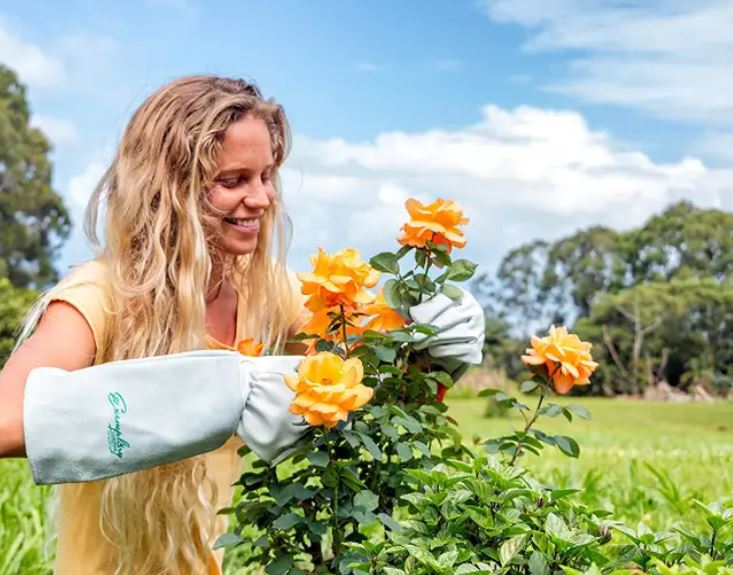
Is It Better to Garden With or Without Gloves?
Gardening with or without gloves isn’t a one-size-fits-all decision. The better choice depends on what you’re doing in the garden, the plants you’re handling, and how much protection or precision you need. Gloves protect your hands from thorns, blisters, dirt, chemicals, and harmful bacteria, while bare hands provide better touch, flexibility, and control for delicate gardening tasks.
Many experienced gardeners don’t stick to just one method—they switch between gloves and bare hands throughout the day. For example, they may wear gloves while digging, pruning roses, or handling compost, then remove them when sowing tiny seeds, transplanting seedlings, or checking soil moisture. Using the right approach for each task helps you work more efficiently while keeping your hands comfortable and safe.
In this guide, you’ll learn the advantages and disadvantages of both methods, discover which gardening jobs truly require gloves, and find out when working with bare hands can actually improve your gardening results.
Should You Wear Gardening Gloves?
For most gardeners, the best approach is to use gloves for heavy, dirty, or potentially hazardous jobs and remove them for delicate tasks that require precision. Gardening gloves are designed to reduce injuries and keep your hands clean, but they can also limit your sense of touch. Bare hands offer better control, making them ideal for handling seedlings, seeds, and fragile plants.
When gloves are the better choice
- Protect your hands from thorns, splinters, cuts, and blisters.
- Prevent direct contact with compost, manure, fertilizers, and garden chemicals.
- Reduce the risk of skin irritation from plant sap, stinging nettles, or poison ivy.
- Improve grip when digging, lifting heavy pots, or using garden tools.
- Keep your hands cleaner during muddy or wet gardening conditions.
| Gardening Task | Wear Gloves | Bare Hands |
|---|---|---|
| Pulling weeds | Usually | Small weeds |
| Planting seedlings | ⚪ Optional | Best |
| Rose pruning | Essential | ❌ Not recommended |
| Harvesting vegetables | ⚪ Optional | Often preferred |
| Digging soil | Recommended | ⚪ Possible |
| Potting houseplants | ⚪ Optional | Good choice |
Benefits of Gardening With Gloves
Gardening gloves do much more than keep your hands clean. They provide a protective barrier against sharp objects, rough surfaces, moisture, and substances that may irritate your skin. Choosing the right type of glove also improves comfort during long gardening sessions and reduces hand fatigue.
Protects against thorns, splinters, and cuts
- Prevents painful injuries from roses, blackberry canes, holly, and thorny shrubs.
- Shields your skin from wood splinters, sharp stones, and rough branches.
- Reduces blisters caused by repetitive digging, raking, or hoeing.
- Adds confidence when working with sharp hand tools.
- Helps avoid small wounds that can become infected after contact with soil.
Keeps hands cleaner
Gardening often involves contact with soil, compost, mulch, fertilizers, and decaying plant material. Gloves prevent dirt from becoming trapped under your fingernails and make cleanup much easier after gardening. They also reduce exposure to bacteria and fungi that naturally live in garden soil.
Reduces skin irritation
Some plants release sap or tiny hairs that can cause itching, redness, or allergic reactions. Wearing gloves creates a protective layer between your skin and irritating plants, making it safer to remove weeds or prune unfamiliar species. This is especially helpful if you have sensitive skin or eczema.
Improves grip during heavy work
Modern gardening gloves feature textured palms or rubber-coated surfaces that improve grip in both dry and wet conditions. Better grip makes it easier to hold tools securely, carry heavy containers, and control digging equipment without slipping.
Benefits of Gardening Without Gloves
While gloves provide protection, gardening without them offers unmatched sensitivity and control. Many gardeners prefer using bare hands for jobs that require careful handling because they can better feel roots, stems, and soil texture.
Better touch and precision
- Makes it easier to plant tiny seeds accurately.
- Helps handle delicate seedlings without crushing stems.
- Improves precision when separating roots during transplanting.
- Allows gentle pruning or pinching of flowers and herbs.
- Gives better control for detailed gardening work.
Easier to feel soil moisture
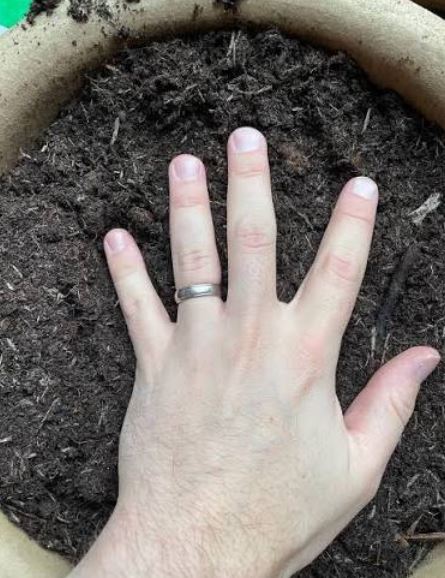
One of the biggest advantages of bare hands is being able to judge soil conditions naturally. You can instantly tell whether the soil is dry, slightly moist, or waterlogged, making it easier to decide when plants need watering. Feeling the soil also helps identify compacted areas and healthy root development.
Greater finger flexibility
Without gloves, your fingers move freely, making tasks like tying tomato vines, removing dead flowers, harvesting herbs, or gently untangling roots much easier. The increased dexterity can also reduce accidental damage to fragile plants.
More comfort in warm weather
During hot summer days, gloves can trap heat and moisture, causing sweaty, uncomfortable hands. Gardening without gloves allows better airflow, keeps your hands cooler, and can feel more natural during light tasks such as watering, harvesting vegetables, or caring for container plants.
Risks of Gardening Without Gloves
Working with bare hands can feel natural and comfortable, but it also comes with several risks. Even routine gardening tasks can expose your hands to sharp objects, harmful microorganisms, and irritating plants. Understanding these risks helps you decide when wearing gloves is the safer option.
Cuts, scratches, and blisters
- Sharp rocks, sticks, and garden tools can easily cut your skin.
- Thorny plants like roses, blackberries, and bougainvillea can cause painful puncture wounds.
- Repeated digging or raking may lead to blisters and sore hands.
- Small cuts can become infected if not cleaned promptly.
Exposure to bacteria and fungi in soil
Garden soil naturally contains bacteria and fungi. While most are harmless, some can enter the body through open cuts or broken skin. Wearing gloves reduces this risk, especially when handling compost, manure, or damp soil.
Skin irritation from certain plants
Some plants contain sap, oils, or tiny hairs that can irritate sensitive skin. Poison ivy, poison oak, stinging nettles, and certain ornamental plants may cause itching, redness, or allergic reactions after direct contact.
Dry or cracked hands after gardening
Frequent exposure to soil, water, and sunlight can strip natural oils from your skin. Without gloves, your hands may become dry, rough, or cracked, particularly during long gardening sessions or in cold weather.
Risks of Wearing Gloves All the Time
Although gloves provide valuable protection, wearing them continuously isn’t always the best solution. Certain gardening tasks require precision and direct contact with plants, and gloves can sometimes get in the way.
Reduced dexterity for delicate work
Thick gardening gloves make it harder to:
- Sow tiny seeds accurately.
- Separate delicate seedlings.
- Handle fragile roots.
- Tie soft plant stems without damage.
Hands become hot and sweaty
Gloves can trap heat and moisture, especially during summer. This may lead to:
- Sweaty palms.
- Reduced comfort during long gardening sessions.
- Minor skin irritation from prolonged moisture.
- Less flexibility when working for extended periods.
Harder to detect pests and plant problems
Without direct touch, you may miss:
- Soft spots on stems.
- Early pest infestations.
- Root damage.
- Changes in soil texture or moisture.
Gloves can spread diseases if not cleaned
Dirty gloves may transfer fungal spores, bacteria, or plant diseases between different parts of your garden. Wash reusable gloves regularly and replace damaged pairs to reduce the risk of spreading infections.
Which Gardening Jobs Need Gloves?
Certain gardening tasks involve hazards that make gloves strongly recommended or even essential.
Pruning thorny plants
Wear sturdy leather or reinforced gloves when pruning:
- Roses
- Blackberries
- Holly
- Bougainvillea
- Hawthorn
Digging and landscaping
Gloves protect against:
- Blisters
- Sharp stones
- Broken glass
- Rough tool handles
- Splinters
Handling compost and manure
Compost and manure may contain bacteria, fungi, and other microorganisms. Waterproof or nitrile-coated gloves help reduce direct contact and make cleanup easier.
Using power tools or sharp hand tools
When operating pruners, hedge shears, loppers, or shovels, gloves improve grip while protecting your hands from accidental scrapes and abrasions.
Which Gardening Jobs Are Easier Without Gloves?
Some gardening activities benefit from the sensitivity and control that only bare hands provide.
Sowing tiny seeds
Small seeds such as lettuce, carrots, basil, and petunias are much easier to place accurately without bulky gloves.
Transplanting seedlings
Bare hands allow you to gently support stems and roots while reducing the chance of crushing delicate young plants.
Harvesting herbs and leafy greens
Picking basil, parsley, spinach, lettuce, and other leafy crops is often faster and gentler without gloves.
Indoor plant care
Houseplant maintenance—including repotting small plants, checking soil moisture, removing dead leaves, and inspecting roots—is usually more comfortable with bare hands because these tasks involve minimal hazards.
Tips for Healthy Hands While Gardening
Wash hands thoroughly after gardening
Use soap and warm water after every gardening session, especially before eating or touching your face.
Moisturize to prevent dry skin
Apply a quality hand cream after gardening to restore moisture and prevent cracked skin.
Clean gloves regularly
Wash reusable gloves according to the manufacturer’s instructions and allow them to dry completely before storing.
Replace worn or damaged gloves
Replace gloves with holes, torn fingertips, or worn palms since they no longer provide adequate protection.
Common Mistakes Gardeners Make
Wearing thin gloves for thorny plants
Lightweight cotton gloves won’t stop sharp thorns. Choose reinforced leather gloves for thorn protection.
Gardening bare-handed around unknown plants
If you’re unfamiliar with a plant, wear gloves until you know it won’t irritate your skin.
Reusing dirty gloves without washing
Dirty gloves can carry soil-borne diseases and transfer pathogens between plants.
Ignoring small cuts or scratches
Even minor wounds should be washed, disinfected, and covered before continuing to garden.
Frequently Asked Questions
1. Is it safe to garden without gloves?
Yes, for light tasks like planting seeds, transplanting seedlings, or harvesting vegetables. However, gloves are recommended when handling thorny plants, compost, chemicals, or sharp tools to reduce the risk of injury and infection.
2. Can gardening damage your hands?
It can. Repeated digging, pruning, and handling rough materials may cause blisters, cuts, dry skin, or scratches. Wearing appropriate gloves and moisturizing afterward helps protect your hands.
3. What are the best gloves for vegetable gardening?
Nitrile-coated gloves are an excellent choice because they provide flexibility, good grip, and protection while allowing enough dexterity for harvesting and planting.
4. Should children wear gardening gloves?
Yes. Lightweight, properly fitting gardening gloves help protect children’s hands from cuts, dirt, splinters, and irritating plants while they learn to garden safely.
5. Do professional gardeners always wear gloves?
No. Many professional gardeners switch between gloves and bare hands depending on the task. They typically wear gloves for digging, pruning, and heavy work but remove them for seed sowing, transplanting, and other precision tasks.
Final Verdict
So, is it better to garden with or without gloves? The answer is both. Gloves are the best choice for tasks involving thorns, heavy digging, compost, chemicals, and sharp tools because they protect your hands from injuries and irritation. On the other hand, gardening without gloves provides superior touch, flexibility, and precision when planting seeds, transplanting seedlings, harvesting vegetables, or checking soil moisture.
Instead of choosing one method exclusively, keep a good pair of gardening gloves nearby and use them whenever protection is needed. Then remove them for delicate work where direct contact with plants improves accuracy and care. This balanced approach gives you the safety of gloves without sacrificing the precision and enjoyment of gardening with your bare hands.

- 10 Best Kink Resistant Rubber Garden Hose 2026 - October 26, 2026
- 10 Best Kink Resistant Expandable Garden Hose 2026 - October 26, 2026
- 10 Best Garden Hose For Washing Fences 2026 - October 26, 2026