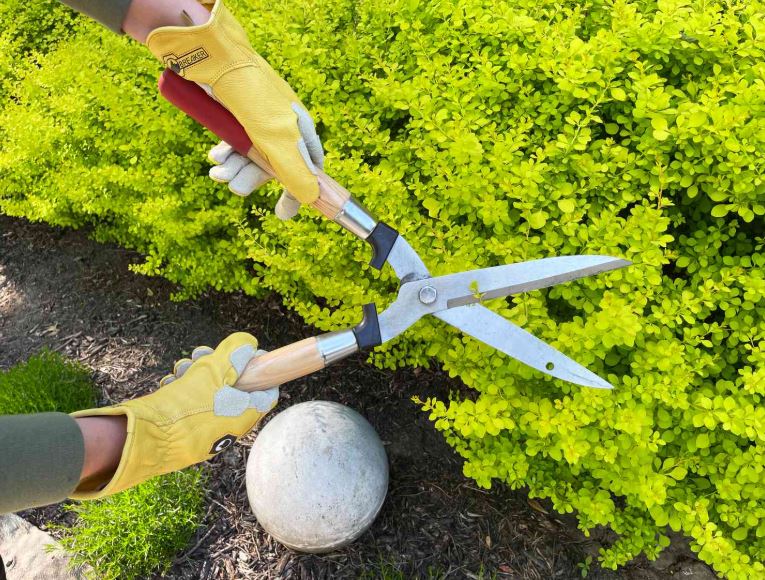
Are Gardening Gloves Worth It?
Yes, gardening gloves are worth it for most gardeners. A good pair of gardening gloves protects your hands from cuts, scratches, blisters, dirt, and irritating plants while improving your grip on tools and reducing hand fatigue. Whether you’re planting vegetables, pulling weeds, pruning shrubs, or moving pots, the right gloves make gardening safer, cleaner, and more comfortable.
However, not every gardener needs the same type of glove. Lightweight nitrile gloves are ideal for everyday gardening, while leather gloves provide better protection for thorny plants and heavy-duty work. Choosing the right glove for the task gives you the best value and extends the life of your gloves.
In this guide, you’ll learn the real benefits of gardening gloves, when they’re worth buying, when you can skip them, and how to choose the best pair for your needs.
Gardening Gloves: Are They Worth Buying?
| Gardening Need | Are Gloves Worth It? | Recommended Glove |
|---|---|---|
| Planting and transplanting | ✅ Yes | Nitrile or latex |
| Pulling weeds | ✅ Yes | Nitrile |
| Harvesting vegetables | ✅ Yes | Nitrile or latex |
| Rose pruning | ✅ Absolutely | Leather |
| Heavy digging | ✅ Yes | Heavy-duty work gloves |
| Watering plants | Optional | Lightweight nitrile |
| Indoor houseplants | Optional | Thin nitrile or bare hands |
Why Gardening Gloves Are Worth It
Gardening may seem gentle, but it exposes your hands to soil, rough surfaces, sharp stems, moisture, insects, and repetitive movements. Gloves create a protective barrier while still allowing you to work comfortably.
The biggest advantage is that gloves let you spend more time gardening with less discomfort. Instead of dealing with sore hands, dirty fingernails, or small cuts, you can focus on caring for your plants.
For anyone who gardens regularly, a quality pair of gloves is a practical investment rather than an unnecessary expense.
Protect Your Hands from Injuries
One of the main reasons gardeners wear gloves is to prevent minor injuries.
Gardening gloves help protect against:
- Small cuts from tools.
- Scratches from branches.
- Splinters.
- Blisters from repeated gripping.
- Rough soil and gravel.
- Minor insect bites.
Although lightweight gloves won’t stop large thorns, they greatly reduce everyday wear and tear on your hands.
Keep Your Hands Clean
Soil contains organic matter, bacteria, fungi, and moisture that can be difficult to remove from your skin.
Gloves help by:
- Keeping dirt out from under fingernails.
- Reducing contact with compost.
- Preventing stained hands.
- Limiting exposure to fertilizers and soil amendments.
- Making cleanup much easier after gardening.
For people who garden several times each week, this convenience alone makes gloves worthwhile.
Improve Grip and Comfort
Many gardening gloves have textured coatings that improve grip on both plants and tools.
A secure grip makes it easier to handle:
- Hand trowels.
- Pruners.
- Watering cans.
- Pots and containers.
- Seed trays.
- Garden forks.
Better grip also reduces the chance of dropping tools or accidentally damaging delicate seedlings.
Reduce Hand Fatigue
Long gardening sessions involve constant gripping, lifting, digging, and pulling.
Well-designed gloves reduce fatigue by:
- Cushioning the palms.
- Reducing friction.
- Improving tool control.
- Preventing blisters.
- Allowing natural finger movement.
This makes gardening more enjoyable, especially during spring planting or seasonal cleanup.
What Gardening Tasks Benefit Most from Gloves?
Not every gardening task requires gloves, but many become easier and safer with them.
Gardening gloves are particularly useful for:
Planting and Transplanting
Handling soil, compost, and seedlings becomes cleaner and more comfortable.
Gloves also improve grip when moving pots and pressing soil around plant roots.
Weeding
Repeated pulling can quickly cause sore hands.
Nitrile-coated gloves provide excellent grip on weeds while protecting your skin from rough soil and small scratches.
Potting and Repotting
Working with compost and potting mix often leaves hands dirty and dry.
Gloves keep your hands cleaner while making it easier to grip slippery containers.
Harvesting
Many gardeners prefer gloves when harvesting:
- Tomatoes.
- Peppers.
- Cucumbers.
- Beans.
- Herbs.
- Lettuce.
The textured palms provide a secure grip while keeping produce clean.
Pruning
Lightweight gloves work well for trimming soft stems.
For roses, blackberries, or thorny shrubs, leather gloves provide much better protection.
When Gardening Gloves May Not Be Worth It
Although gloves are helpful, there are situations where they aren’t always necessary.
Some gardeners prefer working without gloves when:
- Sowing tiny seeds.
- Pollinating flowers by hand.
- Handling delicate bonsai.
- Performing quick indoor plant care.
These jobs require maximum finger sensitivity, which some people find easier without gloves.
Even so, many gardeners choose thin nitrile gloves because they still provide protection without sacrificing dexterity.
Choosing the Right Gardening Gloves
Buying the right gloves is just as important as deciding to wear them.
Nitrile Gloves
Best for:
- Planting.
- Weeding.
- Potting.
- Harvesting.
- General gardening.
Advantages include excellent grip, durability, flexibility, and resistance to moisture.
Latex Gloves
Best for:
- Light gardening.
- Seedling care.
- Indoor plants.
Latex offers exceptional flexibility but usually wears out faster than nitrile and may cause allergic reactions.
Leather Gloves
Best for:
- Rose pruning.
- Thorny shrubs.
- Heavy digging.
- Landscaping.
Leather provides superior puncture resistance but reduces finger dexterity.
Waterproof Gloves
Ideal for:
- Rainy weather.
- Wet soil.
- Winter gardening.
- Cleaning ponds or water features.
These gloves keep your hands dry during extended outdoor work.
How Much Should You Spend?
You don’t need expensive gloves to enjoy gardening.
Generally:
| Price Range | What to Expect |
|---|---|
| Budget | Good for occasional gardening |
| Mid-range | Better durability and comfort |
| Premium | Superior materials and longer lifespan |
For most home gardeners, a mid-range pair of nitrile-coated gloves offers the best balance between price and performance.
How to Make Gardening Gloves Last Longer
Proper care helps extend the lifespan of your gloves.
Simple maintenance tips include:
- Shake off soil after every use.
- Wash according to the care label.
- Air dry completely.
- Avoid leaving gloves in direct sunlight.
- Store them somewhere cool and dry.
- Use separate gloves for heavy-duty jobs.
Replacing gloves before they become badly worn ensures they continue protecting your hands effectively.
Are Gardening Gloves Worth It for Beginners?
Absolutely.
Beginners often spend more time learning proper gardening techniques, which can involve repetitive digging, planting, and weeding. Gloves reduce discomfort while helping new gardeners build confidence.
A lightweight nitrile-coated glove is usually the best starting point because it combines comfort, durability, and versatility.
Frequently Asked Questions
Are expensive gardening gloves worth the money?
Not always. Mid-priced gardening gloves often provide excellent durability and comfort for most home gardeners. Premium gloves are worth considering if you garden frequently or perform demanding tasks.
Do professional gardeners wear gloves?
Yes. Most professional gardeners wear gloves every day to protect their hands from cuts, blisters, moisture, and repetitive strain. They often use nitrile gloves for general gardening and leather gloves for thorny plants or heavy work.
How often should gardening gloves be replaced?
Replace gardening gloves when they develop holes, worn palms, loose stitching, peeling coatings, or reduced grip. With regular use, a quality pair can last several months to over a year, depending on the material and gardening tasks.
Can gardening gloves prevent blisters?
Yes. Gloves reduce friction between your hands and garden tools, helping prevent blisters during digging, raking, pruning, and weeding.
What is the best all-around gardening glove?
For most gardeners, nitrile-coated gardening gloves are the best all-around option. They offer excellent grip, flexibility, abrasion resistance, and comfort while performing well for planting, weeding, potting, harvesting, and general garden maintenance.
Conclusion
Gardening gloves are well worth the investment for anyone who spends time outdoors caring for plants. They protect your hands from cuts, scratches, dirt, blisters, and minor irritants while improving your grip and making long gardening sessions more comfortable.
For everyday gardening, nitrile-coated gloves provide the best balance of durability, flexibility, and value. If you regularly prune roses or work with thorny shrubs, keeping a pair of leather gloves on hand offers the extra protection those jobs require.
Rather than thinking of gardening gloves as an optional accessory, consider them an essential gardening tool. The right pair helps you work more safely, stay comfortable, and enjoy your time in the garden season after season.

- 10 Best Burst Resistant Garden Hose 2026 - October 26, 2026
- 10 Best Leak Resistant Garden Hose 2026 - October 26, 2026
- 10 Best 1 Hp Garden Water Pump 2026 - October 26, 2026