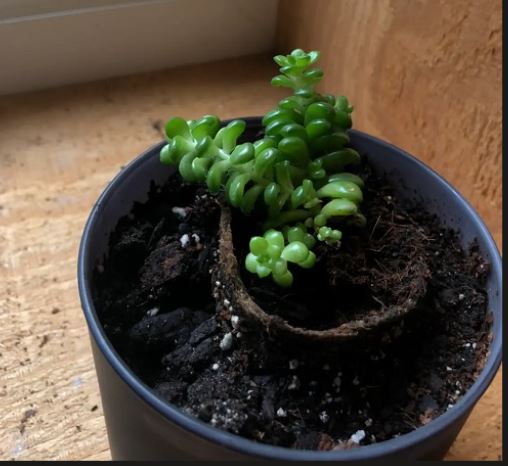
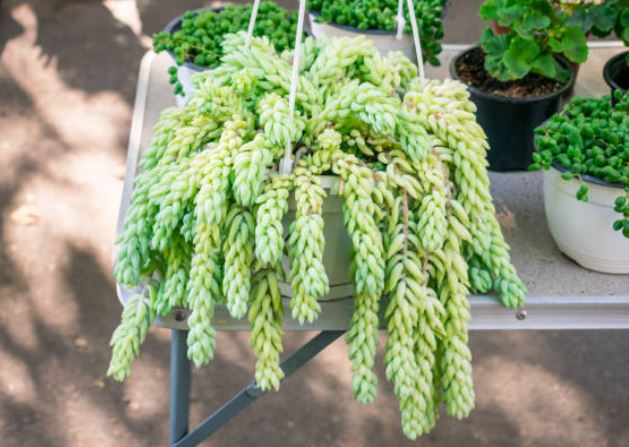
The Burro’s Tail, also called the donkey tail plant, is a beautiful trailing succulent loved for its cascading stems and plump leaves. It’s a low-maintenance houseplant, but proper care is important to prevent leaf drop, root rot, and weak growth. With the right balance of sunlight, watering, and soil, this succulent can thrive indoors for years. In this donkey tail plant care guide, you’ll learn everything from watering schedules to propagation tips and common problem solutions to help your plant stay healthy and full.
Donkey Tail Plant Care at a Glance

The donkey tail succulent is easy to care for when grown in bright light with well-draining soil. Like most succulents, it prefers infrequent watering and dry conditions. This plant works best in hanging baskets where its trailing stems can grow freely. Understanding its basic care requirements helps prevent common issues like overwatering, leaf loss, and leggy growth.
Light Requirements
Bright indirect sunlight encourages compact growth and healthy leaves. A few hours of soft morning sunlight can be beneficial, but intense afternoon sun may scorch the foliage.
Watering Needs
Water only when the soil feels completely dry. Excess moisture around the roots can quickly cause rot and damage the stems.
Best Soil Type
Well-draining succulent soil prevents water from sitting around the roots for too long. Adding perlite or coarse sand improves drainage and airflow.
Temperature Range
Warm temperatures support steady growth throughout the year. Cold conditions and sudden temperature drops can stress the plant and damage the leaves.
Humidity Preferences
Dry indoor air is ideal for healthy growth. High humidity may increase the risk of fungal issues and moisture-related problems.
Fertilizer Needs
A light feeding during the growing season helps support fuller stems and healthier growth. Too much fertilizer can weaken the plant over time.
Growth Rate and Size
Growth is usually slow to moderate, but mature trailing stems can eventually grow several feet long when given proper care and enough space.
How Much Light Does a Donkey Tail Plant Need?

Lighting is one of the most important factors for maintaining healthy growth and compact stems. Bright conditions help the plant stay full and vibrant, while insufficient light can cause stretched and weak growth. Finding the right balance prevents both sun damage and poor development.
Best Indoor Lighting Conditions
A bright location with indirect sunlight works best indoors. Windows that receive gentle morning light usually provide ideal growing conditions.
Can Donkey Tail Handle Direct Sun?
Limited direct sunlight is generally safe, especially during the early morning hours. Strong afternoon sunlight may burn the leaves and dry out the stems.
Signs of Too Much Sunlight
Too much sun exposure can cause leaves to appear yellow, pale, brown, or crispy. Faded color and dry spots are also common signs of sun stress.
Signs of Low Light Stress
Low light conditions often lead to leggy stems, sparse leaves, and weak overall growth. The plant may lose its compact trailing appearance over time.
Best Window Placement for Indoor Growth
East-facing windows are usually the best choice because they provide soft morning sunlight. South-facing windows can also work well when filtered with a sheer curtain.
How Often Should You Water a Donkey Tail Plant?
Proper watering is essential for keeping a donkey tail plant healthy and preventing root rot. Since the leaves store water, the plant can tolerate dry conditions much better than excess moisture. Allowing the soil to dry completely between waterings helps protect the roots and keeps the stems firm and healthy.
Summer Watering Schedule
During spring and summer, the plant actively grows and may need watering every two to three weeks. Warmer temperatures and brighter light can cause the soil to dry faster.
Winter Watering Schedule
Growth slows during winter, so watering should be reduced significantly. In cooler months, watering once every three to four weeks is usually enough.
Overwatering Symptoms
Yellow leaves, mushy stems, and soggy soil are common signs of overwatering. Persistent moisture can quickly lead to root rot and stem damage.
Underwatering Symptoms
Wrinkled or shriveled leaves often indicate the plant needs water. Extremely dry soil may also cause leaves to fall off more easily.
Best Watering Method
Water deeply until excess moisture drains from the bottom of the pot. Always empty standing water from trays to prevent the roots from sitting in moisture.
Best Soil for Donkey Tail Succulents

Well-draining soil is important for healthy root development and proper moisture control. Heavy soil that retains too much water can increase the risk of root rot and fungal problems. A loose succulent mix creates the ideal environment for steady growth.
Ideal Soil Mix
A cactus or succulent potting mix works best because it drains quickly and prevents water buildup around the roots.
Importance of Drainage
Good drainage protects the roots from staying wet for long periods. Pots with drainage holes help excess water escape easily after watering.
Best Pot Types
Terracotta pots are often recommended because they absorb excess moisture and improve airflow around the roots. Hanging containers also support the plant’s trailing growth habit.
Temperature and Humidity Requirements
Warm and dry conditions help donkey tail plants grow steadily throughout the year. Sudden cold exposure or excessive humidity may stress the plant and affect its overall health. Stable indoor conditions usually provide the best growing environment.
Ideal Temperature Range
Temperatures between 65°F and 80°F support healthy growth and strong stems. Consistent warmth encourages fuller trailing growth.
Cold Tolerance
Cold temperatures below 50°F can damage the leaves and slow growth. Frost exposure may permanently harm the plant.
Indoor Humidity Needs
Low humidity levels are ideal for succulents. Average indoor air conditions work well and help reduce the risk of fungal diseases and rot.
How to Propagate a Donkey Tail Plant
Propagation is one of the easiest ways to grow new donkey tail plants from healthy stems or fallen leaves. With proper care and patience, small roots and new growth can develop within a few weeks. Propagating the plant is also a great way to reuse leaves that naturally fall off during handling.
Propagation From Fallen Leaves
Healthy fallen leaves can grow into new plants when placed on top of dry succulent soil. Keep the leaves in bright indirect light and avoid excessive watering while roots begin to form.
Stem Cutting Propagation
Stem cuttings are one of the fastest and most reliable propagation methods. Allow the cut end to dry for a day or two before placing it into well-draining soil.
Step-by-Step Propagation Guide
Choose a healthy stem or leaf, allow it to callous, and place it on dry succulent soil. Mist lightly only when the soil becomes very dry and keep the container in a warm, bright location.
How Long Rooting Takes
Roots usually begin developing within two to four weeks depending on temperature, humidity, and lighting conditions. New growth may take slightly longer to appear.
Common Problems and Solutions
Although donkey tail plants are relatively easy to maintain, improper watering, lighting, or handling can lead to common issues. Identifying problems early helps prevent long-term damage and keeps the plant healthy.
Leaves Falling Off
Leaf drop is common when the plant is moved frequently or handled roughly. Sudden environmental changes and overwatering may also cause leaves to detach easily.
Mushy Stems
Soft or mushy stems are usually caused by excess moisture and poor drainage. Reducing watering and replacing wet soil can help prevent further rot.
Wrinkled Leaves
Wrinkled leaves often indicate dehydration or prolonged dry soil conditions. A deep watering usually helps the leaves regain their plump appearance.
Leggy Growth
Insufficient sunlight may cause stretched stems with larger gaps between leaves. Moving the plant to a brighter location encourages more compact growth.
Pests and Diseases
Mealybugs and fungal issues occasionally affect donkey tail plants, especially in overly humid conditions. Proper airflow and avoiding excess moisture help reduce pest and disease problems.
Repotting a Donkey Tail Plant
Repotting helps refresh the soil and provides more space for healthy root growth. Since the leaves are delicate and fall off easily, careful handling is important during the process.
When to Repot
Repotting is usually needed every two to three years or when the roots outgrow the current container.
How to Repot Safely
Gently remove the plant from its pot and transfer it into fresh succulent soil. Avoid squeezing or pressing the trailing stems during handling.
Preventing Leaf Drop During Repotting
Handle the stems as little as possible and support the plant carefully while moving it. Repotting slowly and gently helps minimize leaf loss.
Donkey Tail Plant Indoor Care Tips
Donkey tail plants grow exceptionally well indoors when placed in bright conditions with proper airflow and minimal moisture. Their trailing stems make them a popular choice for shelves, hanging baskets, and decorative indoor planters. Simple care habits can help maintain fuller growth and healthier foliage throughout the year.
Best Room Placement
Bright rooms with indirect sunlight provide the best environment for indoor growth. Placing the plant near east-facing or south-facing windows usually supports healthy development.
Hanging Basket Ideas
Hanging baskets allow the trailing stems to grow naturally without damage. Elevated shelves and wall planters also help showcase the plant’s cascading appearance.
Pet Safety Information
Although generally considered mildly toxic if consumed in large amounts, it is still best to keep the plant away from curious pets and small children.
Seasonal Care Tips for Donkey Tail Plants
Seasonal changes can affect growth, watering needs, and overall plant health. Adjusting care routines throughout the year helps maintain strong stems and prevents stress caused by temperature or light changes.
Spring and Summer Care
The growing season usually begins in spring, making this the best time for watering, fertilizing, and propagation. Brighter light and warmer temperatures encourage active growth.
Fall and Winter Care
Growth slows during colder months, so watering should be reduced. Keeping the plant away from cold drafts and frost helps prevent damage.
Seasonal Light Adjustments
Indoor lighting conditions may change throughout the year. Moving the plant closer to a bright window during winter can help maintain healthy growth.
FAQs About Donkey Tail Plant Care
Many beginners have questions about watering schedules, sunlight, propagation, and leaf drop. Understanding the plant’s natural growing habits makes it easier to avoid common mistakes and maintain long-term health.
Why Is My Donkey Tail Plant Dropping Leaves?
Leaf drop commonly happens from rough handling, sudden environmental changes, or overwatering. The leaves are naturally delicate and detach easily when touched.
Can Donkey Tail Grow Indoors?
Yes, donkey tail plants adapt very well to indoor conditions when provided with bright indirect sunlight and proper drainage.
Does Donkey Tail Need Full Sun?
Bright indirect light is usually best indoors. Limited morning sunlight can help growth, but harsh afternoon sun may damage the leaves.
How Fast Does Donkey Tail Grow?
Growth is generally slow to moderate, although healthy plants can eventually develop long trailing stems over time.
Is Donkey Tail Toxic to Pets?
The plant is considered mildly toxic if ingested in large quantities, so keeping it out of reach of pets is recommended.

- How to Grow Microgreens Without Soil Indoors: Easy Home Method - October 5, 2026
- Microgreens vs. Sprouts: Key Differences, Nutrition, Safety, and Which One to Eat - October 5, 2026
- 10 Best Garden Tools For Weed Removal 2027 - October 3, 2026