Drought tolerant plants are perfect for gardeners who want beautiful landscapes with minimal watering and maintenance. These hardy plants can survive hot temperatures, dry soil, and long periods without rain once established. From colorful wildflowers and fragrant herbs to sculptural succulents and ornamental grasses, drought-resistant plants add texture, color, and beauty to gardens while conserving water naturally. Popular choices like Lavender, Sedum, and Agave thrive in sunny conditions and require very little care. Whether you are creating a xeriscape garden, rock garden, or low-maintenance landscape, these drought hardy plants are ideal for sustainable outdoor spaces.
1. Sedum – A Hardy Drought Tolerant Succulent
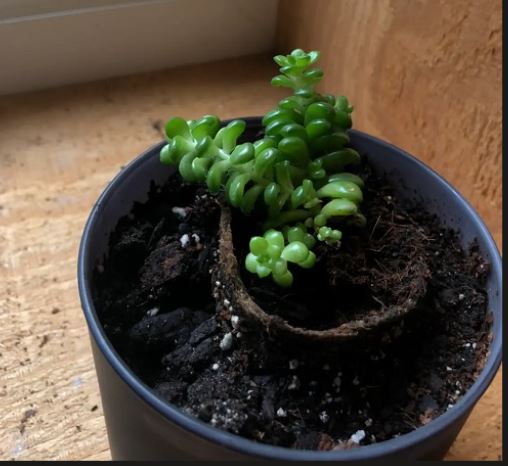
The Sedum is one of the best drought tolerant plants for dry gardens and low-maintenance landscapes. Commonly known as stonecrop, sedum stores water inside its thick fleshy leaves, allowing it to survive long periods without rainfall. This hardy succulent thrives in sunny locations, rocky soil, and hot climates where many other plants struggle to grow. Sedum varieties come in different colors, textures, and sizes, making them perfect for ground cover, rock gardens, borders, and container gardening while requiring very little care or watering once established.
Why Sedum Is Perfect for Dry Climates
Sedum naturally grows in harsh dry environments where water is limited, making it one of the most reliable drought resistant plants for outdoor gardens. Its succulent leaves act as water reservoirs, helping the plant stay healthy during long heat waves and dry seasons. Unlike moisture-loving plants, sedum thrives in poor rocky soil and does not require frequent irrigation to maintain healthy growth.
Many gardeners choose sedum because it performs well in full sunlight and continues growing beautifully even in extreme summer temperatures. Ground-cover varieties spread quickly across dry landscapes, helping reduce soil erosion while adding texture and greenery to outdoor spaces. Taller varieties like Autumn Joy create seasonal color with beautiful blooms that attract bees and butterflies naturally.
Sedum is also highly resistant to neglect, making it ideal for beginners and low-maintenance gardening. Once established, this hardy plant survives mostly on rainfall alone. Its ability to thrive in difficult conditions while still looking vibrant makes it one of the top choices for xeriscaping and sustainable landscaping projects.
Benefits of Growing Sedum Plants
Sedum plants offer several decorative and practical advantages for dry gardens:
- Requires minimal watering once established
- Thrives in rocky and sandy soil
- Excellent plant for xeriscaping gardens
- Succulent leaves store water naturally
- Attracts pollinators like bees and butterflies
- Suitable for rock gardens and containers
- Low-maintenance outdoor plant option
- Survives hot weather and drought conditions
Care Tips for Healthy Sedum Growth
Sedum grows best in full sunlight where the leaves can maintain strong color and healthy growth. Well-drained sandy or rocky soil is essential because excessive moisture may damage the roots. Water newly planted sedum occasionally during establishment, but mature plants rarely need supplemental watering except during extreme drought.
Pruning faded flowers and damaged stems helps keep the plant tidy and encourages healthier growth throughout the season. Adding a thin layer of mulch around the base can reduce weed growth while still allowing proper drainage. Sedum also performs exceptionally well in containers and raised beds where water drains quickly. With proper sunlight and minimal care, sedum remains one of the easiest drought tolerant plants to grow outdoors.
Best Landscaping Ideas for Sedum Plants
Sedum works beautifully in rock gardens, dry borders, gravel landscapes, and modern xeriscape designs because of its low-growing succulent foliage. Ground-cover varieties create colorful carpets across sunny areas while taller sedums add height and seasonal blooms to mixed flower beds. Many homeowners also use sedum in container gardens, rooftop landscapes, and pathways where drought-resistant plants are needed.
Its colorful foliage pairs perfectly with ornamental grasses, lavender, and desert-style landscaping plants. Because sedum requires little maintenance and survives harsh outdoor conditions, it remains one of the best choices for sustainable low-water gardening projects.
2. Lavender – A Fragrant Drought Resistant Plant
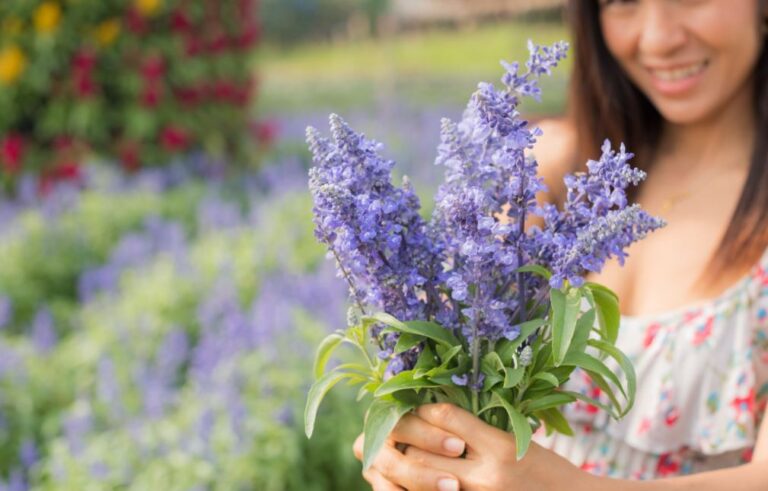
The Lavender is one of the most popular drought tolerant flowering plants thanks to its fragrant purple blooms and silvery-green foliage. Native to Mediterranean climates, lavender thrives in dry sunny environments with minimal watering once established. This hardy perennial is widely used in borders, herb gardens, pollinator gardens, and xeriscaping because of its beauty, fragrance, and exceptional heat resistance. Lavender not only survives drought conditions but also adds color, texture, and calming aroma to outdoor spaces throughout the growing season.
Why Lavender Thrives in Dry Conditions
Lavender is naturally adapted to hot dry climates where rainfall is limited and soil drains quickly. Its narrow silvery leaves help reduce water loss, allowing the plant to survive intense sunlight and prolonged drought conditions. Unlike thirsty garden flowers, lavender performs best in dry soil and can struggle in overly wet environments.
Gardeners love lavender because it continues blooming beautifully even during summer heat waves when many other plants begin to wilt. Its fragrant flowers attract bees, butterflies, and pollinators, making it valuable for eco-friendly gardens and wildlife-friendly landscapes. Lavender also grows well in poor sandy soil where traditional flowering plants may fail.
Once established, lavender needs very little maintenance or supplemental irrigation. Pruning after flowering helps maintain bushy healthy growth and encourages more blooms in future seasons. Because of its durability, fragrance, and timeless beauty, lavender remains one of the best low-water plants for drought resistant gardens.
Benefits of Growing Lavender Plants
Lavender provides several benefits for dry landscapes and gardens:
- Highly drought tolerant flowering plant
- Produces fragrant purple flowers
- Attracts bees and butterflies naturally
- Thrives in poor sandy soil
- Perfect for borders and rock gardens
- Requires minimal watering and maintenance
- Adds Mediterranean beauty to landscapes
- Suitable for xeriscaping and pollinator gardens
Care Tips for Healthy Lavender Plants
Lavender grows best in full sunlight and well-drained soil where excess moisture cannot collect around the roots. Avoid heavy clay soil because poor drainage may lead to root rot. Water newly planted lavender occasionally during establishment, but mature plants generally survive on natural rainfall.
Pruning lavender after flowering helps maintain a compact shape and encourages stronger blooming in the following season. Adding gravel or sand around the base improves drainage and recreates the dry Mediterranean conditions lavender prefers. Avoid overwatering because lavender thrives better in slightly dry soil than overly wet conditions. With proper sunlight and drainage, lavender can remain healthy and productive for many years.
Best Landscaping Ideas for Lavender Plants
Lavender looks stunning in herb gardens, cottage gardens, rock landscapes, and dry sunny borders because of its vibrant purple flowers and silver foliage. Many gardeners use lavender along pathways and garden edges where its fragrance can be enjoyed easily. It also pairs beautifully with succulents, ornamental grasses, and drought tolerant wildflowers in Mediterranean-style landscapes.
Container-grown lavender works well on patios and balconies where sunlight is abundant. Because of its elegant appearance and ability to thrive with little water, lavender remains one of the most versatile drought tolerant plants for outdoor decoration.
3. Prairie Dropseed – A Beautiful Drought Tolerant Grass
The Prairie Dropseed is a graceful ornamental grass known for its fine green foliage and excellent drought tolerance. Native to North American prairies, this hardy grass thrives in hot dry conditions and survives long periods without irrigation once established. Prairie dropseed creates soft flowing texture in landscapes and works beautifully in native gardens, borders, and xeriscape designs. Its low-maintenance nature and ability to tolerate poor soil make it one of the best ornamental grasses for sustainable low-water landscaping.
Why Prairie Dropseed Survives Drought So Well
Prairie dropseed naturally grows in open grasslands where rainfall is limited and temperatures can become extremely hot. Its deep root system allows the plant to access moisture far below the soil surface, helping it survive dry periods with little or no watering. Unlike shallow-rooted grasses, prairie dropseed remains healthy even during extended drought conditions.
This ornamental grass also tolerates poor rocky soil and full sunlight exceptionally well. Its narrow arching foliage creates movement and softness in landscapes while remaining highly resilient throughout summer heat. During late summer, prairie dropseed produces delicate airy flower spikes with a subtle pleasant fragrance that adds seasonal interest to gardens.
Because of its strong drought resistance and elegant appearance, prairie dropseed is widely used in native prairie gardens and eco-friendly landscaping. Once mature, it requires almost no maintenance while continuing to provide year-round beauty and texture outdoors.
Benefits of Growing Prairie Dropseed
Prairie dropseed offers several landscaping and environmental benefits:
- Extremely drought tolerant ornamental grass
- Thrives in hot sunny environments
- Deep roots improve drought survival
- Perfect for native and xeriscape gardens
- Low-maintenance landscaping plant
- Adds movement and texture outdoors
- Tolerates poor rocky soil conditions
- Attractive seasonal flower plumes
Care Tips for Healthy Prairie Dropseed Growth
Prairie dropseed grows best in full sunlight where its foliage remains dense and healthy. Well-drained soil is ideal, although this hardy grass tolerates sandy and rocky conditions easily. Water occasionally during the first growing season to establish strong roots, but mature plants rarely require irrigation.
Cutting back old foliage in late winter or early spring helps encourage fresh new growth. Mulching lightly around the base can reduce weeds while still allowing moisture to reach the roots naturally. Prairie dropseed does not require heavy fertilization because excessive nutrients may reduce its drought resistance. With minimal care, this ornamental grass remains beautiful and resilient for many years.
Best Landscaping Ideas for Prairie Dropseed
Prairie dropseed works beautifully in native prairie gardens, dry borders, meadow landscapes, and modern xeriscape designs because of its graceful texture and drought tolerance. It pairs well with wildflowers like coneflowers and black-eyed Susans for naturalistic garden styles. Many homeowners use prairie dropseed along walkways, slopes, and open sunny areas where low-maintenance grasses are needed.
Its flowing foliage softens hard landscapes while creating movement in the wind. Because it survives harsh conditions with little water, prairie dropseed remains one of the best ornamental grasses for sustainable drought resistant landscaping.
4. Black-Eyed Susan – A Bright Drought Tolerant Flower
The Black-eyed Susan is a cheerful drought tolerant flower known for its bright yellow petals and dark brown center. This hardy wildflower thrives in hot sunny gardens and survives dry conditions once established. Black-eyed Susans bloom for long periods during summer and attract bees, butterflies, and pollinators naturally. Their colorful appearance makes them perfect for borders, wildflower gardens, and low-maintenance landscapes that need little watering.
Why Black-Eyed Susan Grows Well in Dry Soil
Black-eyed Susan naturally adapts to dry grasslands and sunny environments where rainfall is limited. Its strong roots help the plant survive heat and drought without constant watering. This flower also tolerates poor soil and continues blooming during hot weather, making it ideal for drought resistant gardens and xeriscaping projects.
Benefits of Growing Black-Eyed Susan
Black-eyed Susan offers several benefits for outdoor spaces:
- Bright yellow flowers add color
- Survives hot dry climates easily
- Attracts butterflies and pollinators
- Low-maintenance flowering plant
- Perfect for wildflower gardens
- Thrives in poor soil conditions
- Long blooming summer flowers
Care Tips for Healthy Black-Eyed Susan Plants
Black-eyed Susan grows best in full sunlight and well-drained soil. Water occasionally during the first growing season, but mature plants usually survive on rainfall alone. Removing faded flowers encourages longer blooming and keeps the plant looking fresh. These flowers require very little fertilizer and grow well in natural landscapes with minimal maintenance.
Best Landscaping Ideas for Black-Eyed Susan
Black-eyed Susan looks beautiful in cottage gardens, pollinator gardens, and sunny borders. Many gardeners combine these flowers with ornamental grasses and native wildflowers for natural-looking landscapes. Their bright blooms create strong visual impact while helping support bees and butterflies in eco-friendly gardens.
5. Blanket Flower – A Colorful Low Water Plant
The Blanket Flower is a vibrant drought tolerant flower famous for its red, orange, and yellow blooms. This hardy perennial thrives in dry sunny conditions and blooms from early summer until fall with very little care. Blanket flowers tolerate poor soil, heat, and drought extremely well, making them perfect for xeriscaping and low-maintenance outdoor gardens. Their colorful daisy-like flowers also attract pollinators and brighten landscapes naturally.
Why Blanket Flowers Survive Drought Conditions
Blanket flowers are native to dry open plains where temperatures are hot and water is limited. Their deep roots help them absorb moisture efficiently during dry periods. These flowers also continue blooming even in extreme summer heat, making them highly reliable for drought resistant gardens and low-water landscaping projects.
Benefits of Growing Blanket Flowers
Blanket flowers provide many advantages for gardens:
- Bright colorful flowers bloom for months
- Thrives in hot sunny weather
- Requires very little watering
- Attracts bees and butterflies naturally
- Great for xeriscaping gardens
- Easy-to-grow low-maintenance flower
- Performs well in poor soil
Care Tips for Healthy Blanket Flowers
Blanket flowers grow best in full sunlight and sandy well-drained soil. Water lightly during establishment, but mature plants rarely need extra watering. Deadheading faded blooms helps encourage continuous flowering throughout the season. Avoid overly rich soil because these flowers perform better in lean dry conditions with excellent drainage.
Best Landscaping Ideas for Blanket Flowers
Blanket flowers work beautifully in rock gardens, sunny borders, and native wildflower landscapes. Their bold colors pair perfectly with ornamental grasses, lavender, and coneflowers. Many gardeners also plant blanket flowers in containers and dry garden beds where long-lasting summer blooms are desired.
6. Thyme – A Hardy Drought Tolerant Herb
The Thyme is a fragrant low-growing herb that thrives in hot dry climates with minimal watering. This drought tolerant plant is widely used in herb gardens, rock gardens, and borders because of its strong aroma and excellent heat resistance. Thyme spreads easily across dry soil and produces tiny flowers that attract pollinators during the growing season. Its ability to survive poor soil and drought makes it one of the best low-water herbs for outdoor gardens.
Why Thyme Thrives in Dry Conditions
Thyme naturally grows in Mediterranean climates where sunlight is strong and rainfall is limited. Its tiny leaves reduce water loss, helping the plant survive long dry periods. This herb also prefers dry rocky soil and struggles in overly wet conditions. Once established, thyme can survive mainly on rainfall and requires very little maintenance.
Benefits of Growing Thyme Plants
Thyme offers several practical and decorative benefits:
- Requires minimal watering outdoors
- Fragrant herb for cooking and gardens
- Thrives in rocky dry soil
- Excellent ground cover plant
- Attracts bees and pollinators
- Perfect for herb and rock gardens
- Easy-to-maintain drought resistant herb
Care Tips for Healthy Thyme Growth
Thyme grows best in full sunlight with sandy or rocky soil that drains quickly. Water lightly during the first growing season, then reduce watering once established. Pruning thyme occasionally helps maintain compact growth and encourages fresh foliage. Avoid overwatering because thyme prefers dry conditions and strong sunlight for healthy development.
Best Landscaping Ideas for Thyme Plants
Thyme works beautifully between stepping stones, along pathways, and in herb gardens because of its spreading growth habit. Many gardeners use thyme as a drought tolerant ground cover in sunny areas where grass struggles to grow. Its fragrant leaves and tiny flowers also pair perfectly with lavender, sedum, and other Mediterranean-style plants.
7. Agave – A Bold Drought Tolerant Succulent
The Agave is a striking drought tolerant succulent known for its thick pointed leaves and dramatic desert appearance. This hardy plant stores water inside its fleshy leaves, allowing it to survive long dry periods with almost no maintenance. Agave thrives in hot sunny climates and is commonly used in xeriscaping, rock gardens, and desert-style landscapes. Its sculptural shape adds bold texture and modern beauty to outdoor spaces while requiring very little watering once established.
Why Agave Thrives Without Much Water
Agave naturally grows in desert regions where rainfall is rare and temperatures are extremely hot. Its thick succulent leaves hold moisture for long periods, helping the plant survive drought conditions easily. Agave also grows well in sandy rocky soil where water drains quickly, making it one of the best plants for dry climates and low-water landscaping.
Benefits of Growing Agave Plants
Agave plants offer several advantages for drought resistant gardens:
- Stores water in thick succulent leaves
- Survives hot dry weather easily
- Requires very little maintenance
- Perfect for desert-style landscaping
- Excellent plant for rock gardens
- Thrives in sandy poor soil
- Adds bold architectural beauty outdoors
Care Tips for Healthy Agave Plants
Agave grows best in full sunlight with well-drained sandy soil. Water lightly during establishment, but mature plants rarely need irrigation. Avoid overwatering because excess moisture may damage the roots. Removing damaged leaves occasionally helps maintain the plant’s neat appearance. Agave performs best in warm dry environments with strong sunlight throughout the year.
Best Landscaping Ideas for Agave Plants
Agave looks stunning in rock gardens, desert landscapes, and modern xeriscape designs. Many homeowners use agave as a focal point because of its dramatic shape and bold foliage. It pairs beautifully with gravel pathways, succulents, and ornamental grasses in low-maintenance outdoor spaces.
8. Echeveria – A Small Drought Resistant Succulent
The Echeveria is a beautiful drought tolerant succulent admired for its rosette-shaped leaves and soft pastel colors. This low-maintenance plant thrives in dry sunny conditions and stores water in its thick leaves, helping it survive long periods without watering. Echeveria is perfect for container gardens, rock gardens, and small xeriscape landscapes because of its compact size and decorative appearance.
Why Echeveria Survives Dry Conditions
Echeveria naturally grows in arid regions where water is limited and sunlight is strong. Its fleshy leaves store moisture efficiently, allowing the plant to remain healthy during drought conditions. Echeveria also prefers dry soil and bright sunlight, making it ideal for hot climates and low-water gardening projects.
Benefits of Growing Echeveria Plants
Echeveria plants provide several decorative benefits:
- Compact succulent for small spaces
- Requires minimal watering and care
- Beautiful rosette-shaped foliage
- Perfect for container gardens
- Thrives in sunny dry conditions
- Great for rock gardens and xeriscaping
- Beginner-friendly drought resistant plant
Care Tips for Healthy Echeveria Growth
Echeveria grows best in full sunlight or bright indirect light with fast-draining soil. Water only when the soil becomes completely dry because overwatering can damage the roots. Containers with drainage holes help prevent moisture buildup. These succulents prefer warm temperatures and dry conditions for healthy colorful growth.
Best Landscaping Ideas for Echeveria Plants
Echeveria works beautifully in succulent arrangements, rock gardens, and decorative containers. Many gardeners combine echeveria with agave, sedum, and cacti for modern desert-style landscapes. Its colorful rosettes add texture and beauty to patios, balconies, and sunny garden spaces.
9. Texas Mountain Laurel – A Hardy Drought Tolerant Shrub
The Texas Mountain Laurel is a tough evergreen shrub known for its fragrant purple flowers and excellent drought resistance. Native to dry regions, this hardy plant thrives in hot sunny climates and survives with very little watering once established. Texas mountain laurel is widely used in xeriscape gardens and low-maintenance landscapes because of its glossy green foliage and beautiful spring blooms.
Why Texas Mountain Laurel Handles Drought Well
Texas mountain laurel naturally grows in rocky dry environments where rainfall is limited. Its deep root system helps the plant absorb moisture from deeper soil layers during drought periods. This shrub also tolerates extreme heat and poor soil conditions, making it ideal for sustainable landscaping and dry gardens.
Benefits of Growing Texas Mountain Laurel
Texas mountain laurel offers many landscaping advantages:
- Beautiful purple fragrant flowers
- Excellent drought and heat tolerance
- Evergreen foliage for year-round beauty
- Low-maintenance outdoor shrub
- Thrives in poor rocky soil
- Great for xeriscaping landscapes
- Attracts pollinators during blooming season
Care Tips for Healthy Texas Mountain Laurel
Texas mountain laurel grows best in full sunlight with well-drained soil. Water occasionally during establishment, but mature plants need very little irrigation. Pruning lightly after flowering helps maintain shape and healthy growth. Avoid overly wet soil because this shrub prefers dry conditions and strong sunlight.
Best Landscaping Ideas for Texas Mountain Laurel
Texas mountain laurel looks beautiful in dry borders, native gardens, and desert landscapes. Many homeowners use it as a flowering accent shrub in low-water gardens. Its evergreen foliage pairs well with ornamental grasses, agave, and other drought resistant plants in sustainable outdoor designs.
10. Blue Fescue – A Decorative Drought Tolerant Grass
The Blue Fescue is a compact ornamental grass known for its icy blue foliage and drought resistance. This low-maintenance grass thrives in hot dry conditions and adds texture and color to outdoor landscapes. Blue fescue grows in neat clumps and performs exceptionally well in rock gardens, borders, and xeriscape designs where minimal watering is needed.
Why Blue Fescue Thrives in Dry Gardens
Blue fescue naturally adapts to dry rocky environments with strong sunlight and limited rainfall. Its narrow blue-gray leaves reduce water loss and help the plant survive drought conditions easily. This ornamental grass also grows well in poor sandy soil where other plants may struggle.
Benefits of Growing Blue Fescue
Blue fescue provides several landscaping benefits:
- Attractive blue-gray ornamental foliage
- Thrives in hot dry climates
- Requires very little watering
- Compact grass for borders and rock gardens
- Easy-to-maintain outdoor plant
- Perfect for xeriscape landscaping
- Adds texture and contrast to gardens
Care Tips for Healthy Blue Fescue Growth
Blue fescue grows best in full sunlight and fast-draining soil. Water lightly during establishment, but mature plants rarely require additional watering. Trimming dead foliage in early spring helps encourage fresh healthy growth. Avoid heavy wet soil because this ornamental grass prefers dry conditions and good airflow.
Best Landscaping Ideas for Blue Fescue
Blue fescue looks beautiful in rock gardens, gravel pathways, and dry sunny borders. Many gardeners use it to create contrast beside flowering drought tolerant plants and succulents. Its soft blue foliage works especially well in modern minimalist landscapes and low-maintenance outdoor designs.
11. Russian Sage – A Beautiful Drought Tolerant Flower
The Russian Sage is a stunning drought tolerant plant known for its silvery foliage and soft purple flowers. This hardy perennial thrives in hot sunny climates and blooms for months with very little watering. Russian sage creates a light airy look in gardens and works perfectly in xeriscaping, dry borders, and pollinator-friendly landscapes. Its strong heat tolerance and long blooming season make it one of the best low-water flowering plants for outdoor spaces.
Why Russian Sage Thrives in Dry Conditions
Russian sage naturally grows in dry regions with strong sunlight and limited rainfall. Its silvery leaves help reduce water loss, allowing the plant to survive heat and drought easily. This plant also prefers dry well-drained soil and performs best in hot climates where many flowers struggle during summer.
Benefits of Growing Russian Sage
Russian sage offers several landscaping benefits:
- Beautiful purple flowers bloom for months
- Highly drought and heat tolerant
- Attracts bees and butterflies naturally
- Thrives in poor dry soil
- Perfect for xeriscape gardens
- Low-maintenance flowering perennial
- Adds soft texture to landscapes
Care Tips for Healthy Russian Sage Plants
Russian sage grows best in full sunlight and sandy well-drained soil. Water lightly during establishment, but mature plants rarely need extra watering. Pruning in early spring encourages fresh growth and fuller blooms. Avoid overwatering because this plant prefers dry conditions and strong airflow around the roots.
Best Landscaping Ideas for Russian Sage
Russian sage looks beautiful in cottage gardens, dry borders, and wildflower landscapes. Many gardeners combine it with ornamental grasses, lavender, and coneflowers for colorful low-water gardens. Its airy purple blooms also create movement and softness in modern outdoor spaces.
12. Yarrow – A Tough Low Water Flowering Plant
The Yarrow is a hardy drought tolerant flower admired for its flat flower clusters and fern-like foliage. This low-maintenance perennial thrives in hot dry conditions and continues blooming throughout summer with minimal watering. Yarrow is commonly used in wildflower gardens, pollinator landscapes, and xeriscaping because of its strong drought resistance and colorful flowers.
Why Yarrow Handles Drought So Well
Yarrow naturally grows in dry open fields and grasslands where water is limited. Its deep roots help absorb moisture efficiently during drought periods, allowing the plant to remain healthy in hot weather. Yarrow also tolerates poor soil and strong sunlight exceptionally well, making it ideal for sustainable low-water gardening.
Benefits of Growing Yarrow Plants
Yarrow provides many practical and decorative benefits:
- Colorful long-lasting summer flowers
- Excellent drought resistant perennial
- Attracts butterflies and pollinators
- Thrives in poor dry soil
- Low-maintenance outdoor flower
- Great for xeriscaping projects
- Easy-to-grow beginner-friendly plant
Care Tips for Healthy Yarrow Growth
Yarrow grows best in full sunlight and fast-draining soil. Water occasionally during establishment, but mature plants usually survive on rainfall alone. Deadheading faded blooms encourages more flowers throughout the season. Avoid rich wet soil because yarrow performs better in dry lean conditions.
Best Landscaping Ideas for Yarrow Plants
Yarrow works beautifully in meadow gardens, sunny borders, and pollinator landscapes. Many gardeners combine yarrow with black-eyed Susans, blanket flowers, and ornamental grasses for natural-style gardens. Its colorful blooms also make excellent cut flowers for decorative arrangements.
13. Rosemary – A Fragrant Drought Resistant Herb
The Rosemary is a fragrant evergreen herb that thrives in dry sunny climates with very little watering. This drought tolerant plant is widely used in herb gardens, borders, and Mediterranean-style landscapes because of its strong aroma and excellent heat resistance. Rosemary’s needle-like leaves help conserve moisture, allowing the plant to survive drought conditions once established.
Why Rosemary Thrives in Hot Dry Weather
Rosemary naturally grows in Mediterranean regions where sunlight is intense and rainfall is limited. Its narrow leaves reduce water evaporation, helping the plant stay healthy during dry periods. Rosemary also prefers sandy rocky soil and grows best in areas with excellent drainage and full sun exposure.
Benefits of Growing Rosemary Plants
Rosemary offers several useful benefits for gardens:
- Fragrant herb for cooking and décor
- Highly drought and heat tolerant
- Evergreen foliage year-round
- Perfect for herb and rock gardens
- Attracts bees during flowering season
- Easy-to-maintain outdoor herb
- Great for Mediterranean landscapes
Care Tips for Healthy Rosemary Plants
Rosemary grows best in full sunlight with well-drained soil. Water lightly during establishment, then reduce watering as the plant matures. Pruning rosemary regularly encourages bushy healthy growth and prevents woody stems. Avoid overly wet conditions because rosemary prefers dry soil and warm temperatures.
Best Landscaping Ideas for Rosemary Plants
Rosemary looks beautiful in herb gardens, raised beds, and sunny borders. Many gardeners use rosemary as a fragrant hedge or decorative edging plant in dry landscapes. It pairs perfectly with lavender, thyme, and succulents in Mediterranean-style garden designs.
14. Aloe Vera – A Popular Drought Tolerant Succulent
The Aloe Vera is one of the most popular drought tolerant plants thanks to its thick water-storing leaves and easy maintenance. This hardy succulent survives hot dry conditions with minimal watering and grows well in outdoor gardens and containers. Aloe vera is valued for both its decorative appearance and soothing gel found inside the leaves, making it a practical and attractive plant for low-water landscapes.
Why Aloe Vera Survives Without Much Water
Aloe vera naturally grows in arid desert climates where rainfall is scarce. Its fleshy leaves store water efficiently, helping the plant survive long dry periods. Aloe also thrives in sandy well-drained soil and performs best in warm sunny environments with little moisture.
Benefits of Growing Aloe Vera Plants
Aloe vera offers several decorative and practical benefits:
- Stores water inside thick succulent leaves
- Requires minimal watering and care
- Useful gel inside the leaves
- Perfect for containers and rock gardens
- Thrives in hot sunny climates
- Beginner-friendly drought resistant plant
- Attractive modern succulent appearance
Care Tips for Healthy Aloe Vera Growth
Aloe vera grows best in full sunlight or bright indirect light with fast-draining soil. Water only when the soil becomes completely dry because excessive moisture may damage the roots. Containers with drainage holes help prevent overwatering problems. Aloe prefers warm temperatures and dry conditions for healthy growth.
Best Landscaping Ideas for Aloe Vera Plants
Aloe vera works beautifully in succulent gardens, desert landscapes, and decorative containers. Many homeowners use aloe in patios, balconies, and rock gardens because of its sculptural appearance and low-maintenance care needs. Its green fleshy leaves pair perfectly with agave, echeveria, and other drought tolerant succulents.
15. Coneflower – A Colorful Drought Tolerant Wildflower
The Coneflower is a beautiful drought tolerant wildflower known for its large daisy-like blooms and strong heat resistance. This hardy perennial thrives in sunny gardens and survives dry conditions once established. Coneflowers bloom throughout summer and attract butterflies, bees, and pollinators naturally. Their vibrant purple, pink, and white flowers make them perfect for wildflower gardens, borders, and low-maintenance landscapes that need very little watering.
Why Coneflowers Thrive in Dry Conditions
Coneflowers naturally grow in prairie environments where rainfall is limited and temperatures are hot. Their deep root systems help absorb moisture from deeper soil layers, allowing them to survive drought periods easily. Coneflowers also tolerate poor soil and continue blooming during hot summer weather with minimal care.
Benefits of Growing Coneflowers
Coneflowers provide several landscaping benefits:
- Bright colorful flowers for summer gardens
- Excellent drought and heat tolerance
- Attracts bees and butterflies naturally
- Low-maintenance perennial flower
- Thrives in poor dry soil
- Perfect for pollinator gardens
- Long blooming outdoor plant
Care Tips for Healthy Coneflower Plants
Coneflowers grow best in full sunlight and well-drained soil. Water occasionally during establishment, but mature plants usually survive on rainfall alone. Deadheading faded flowers can encourage additional blooms throughout the season. These flowers require little fertilizer and perform best in natural dry garden conditions.
Best Landscaping Ideas for Coneflowers
Coneflowers look stunning in prairie gardens, sunny borders, and wildflower landscapes. Many gardeners pair them with black-eyed Susans, yarrow, and ornamental grasses for colorful drought resistant gardens. Their long-lasting flowers also work beautifully in fresh-cut floral arrangements.
16. Portulaca – A Heat Loving Drought Resistant Flower
The Portulaca is a vibrant drought tolerant flowering plant admired for its colorful rose-like blooms and succulent foliage. Also known as moss rose, this hardy plant thrives in extreme heat and dry soil with very little watering. Portulaca spreads quickly across sunny garden beds and containers, creating bright carpets of flowers throughout summer. Its low-maintenance nature makes it one of the best plants for hot dry climates and xeriscape gardens.
Why Portulaca Survives Hot Dry Weather
Portulaca naturally grows in arid regions where sunlight is intense and rainfall is limited. Its fleshy succulent leaves store water efficiently, helping the plant survive drought conditions easily. Portulaca also prefers sandy well-drained soil and continues blooming beautifully even during extreme summer heat.
Benefits of Growing Portulaca Plants
Portulaca offers several decorative advantages:
- Bright colorful flowers bloom continuously
- Excellent drought and heat tolerance
- Succulent leaves store water naturally
- Perfect for rock gardens and containers
- Low-growing ground cover plant
- Requires minimal maintenance outdoors
- Thrives in poor sandy soil
Care Tips for Healthy Portulaca Growth
Portulaca grows best in full sunlight with dry well-drained soil. Water lightly during establishment, then reduce watering significantly as the plant matures. Avoid overly wet conditions because excessive moisture may damage the roots. Occasional trimming helps maintain compact healthy growth and encourages more flowering.
Best Landscaping Ideas for Portulaca Plants
Portulaca works beautifully in rock gardens, hanging baskets, borders, and sunny containers. Many gardeners use it as colorful ground cover in dry landscapes where traditional flowers struggle to survive. Its vibrant blooms pair perfectly with succulents, agave, and other low-water plants in desert-style gardens.
Frequently Asked Questions (FAQs)
What are the best drought tolerant plants for beginners?
Some of the best beginner-friendly drought tolerant plants include Lavender, Sedum, Aloe Vera, and Portulaca. These plants require very little watering, grow well in sunny conditions, and are easy to maintain in outdoor gardens.
Which plants can survive the longest without water?
Succulents like Agave, Echeveria, and Sedum can survive for long periods without watering because they store moisture inside their thick leaves. Deep-rooted plants like Prairie Dropseed also tolerate drought exceptionally well.
Do drought tolerant plants need any watering?
Yes, most drought tolerant plants need occasional watering during their first growing season to establish strong roots. Once mature, many plants survive mainly on natural rainfall and require very little additional irrigation except during extreme drought conditions.
What type of soil is best for drought resistant plants?
Most drought tolerant plants grow best in sandy, rocky, or well-drained soil. Good drainage prevents root rot and helps plants adapt to dry conditions more effectively. Succulents and Mediterranean plants especially prefer dry soil that does not hold excessive moisture.
Are drought tolerant plants good for hot climates?
Yes, drought tolerant plants are ideal for hot climates because they are naturally adapted to strong sunlight, heat, and low rainfall. Plants like Russian Sage, Rosemary, and Blanket Flower thrive in extreme summer temperatures.
Can drought tolerant plants grow in containers?
Many drought tolerant plants grow very well in containers, especially succulents and herbs. Echeveria, Aloe Vera, and Thyme are excellent choices for pots, balconies, and patios because they need minimal watering.
How can I make my garden more drought resistant?
To create a drought resistant garden:
- Use well-drained soil
- Add mulch to reduce evaporation
- Plant drought tolerant species
- Water deeply but less frequently
- Group plants with similar water needs
- Choose native plants for your region
These simple practices help conserve water while keeping gardens healthy and attractive.
Conclusion
Drought tolerant plants are the perfect solution for creating beautiful low-maintenance gardens that survive with minimal watering. From colorful flowers like Coneflower and Black-eyed Susan to hardy succulents like Agave and Aloe Vera, these resilient plants thrive in hot sunny conditions while conserving water naturally. Many drought resistant plants also attract pollinators, improve landscaping, and require very little care once established. By choosing the right low-water plants and following smart gardening practices, you can build a sustainable outdoor space that remains colorful, healthy, and vibrant even during dry weather conditions.

- How to Grow Microgreens Without Soil Indoors: Easy Home Method - October 5, 2026
- Microgreens vs. Sprouts: Key Differences, Nutrition, Safety, and Which One to Eat - October 5, 2026
- 10 Best Garden Tools For Weed Removal 2027 - October 3, 2026