Burro’s Tail is a popular succulent that loves bright light, but too much direct sunlight can quickly damage the plant. Harsh sun exposure may cause brown spots, faded leaves, dryness, and heat stress. Many plant owners mistake these signs for watering problems, which can make the condition worse. Understanding how sunlight affects Burro’s Tail is important for keeping the succulent healthy and attractive. In this guide, you will learn the common signs of sunburn, the best lighting conditions, and simple ways to fix and prevent sunlight damage.
Signs of Sunburn on Burro’s Tail
Sunburn is a common problem for Burro’s Tail plants exposed to intense direct sunlight for long periods. Although succulents enjoy bright light, harsh afternoon sun and sudden exposure to strong heat can damage the leaves quickly. Sunburn usually appears as brown, white, faded, or crispy spots on the succulent leaves. Severe damage may also weaken stems and slow plant growth. Learning the early signs of sunburn helps protect Burro’s Tail from permanent leaf damage and keeps the succulent healthy in indoor or outdoor environments.
Why Leaves Turn Brown or White
Burro’s Tail leaves may turn brown, white, or pale when exposed to excessive direct sunlight. Strong UV rays damage the leaf surface and remove moisture quickly. Sunburned areas often become dry and permanently discolored over time.
Dry and Crispy Leaf Damage
Too much heat and sunlight can dry out the leaves faster than the plant can replace moisture. Damaged leaves may feel crispy, thin, or brittle. Severe sunburn can also cause shriveled stems and unhealthy succulent growth.
Sunburn Spots vs Normal Color Changes
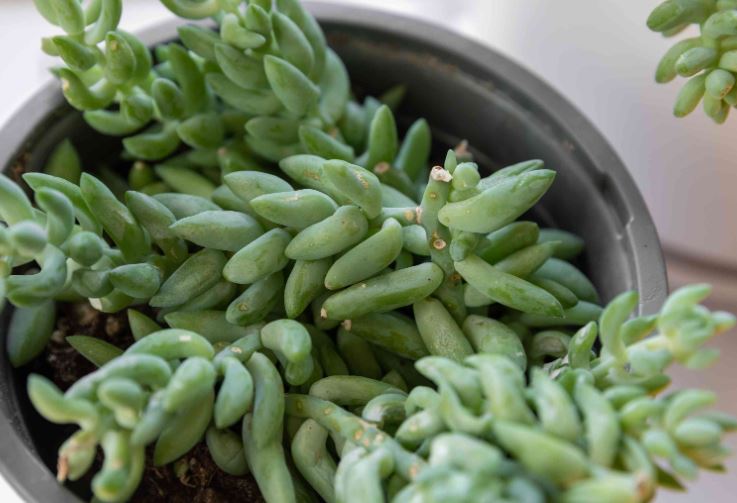
Healthy Burro’s Tail leaves may develop slight color changes in bright light, but sunburn spots look dry, rough, and uneven. Burned areas usually appear white or brown instead of the normal soft green or blue-green color.
Common Signs of Sunburn
- Brown or white leaf spots
- Crispy succulent leaves
- Dry and wrinkled stems
- Faded leaf color
- Sudden leaf drop
- Weak or stressed growth
How Fast Sun Damage Can Happen
Sun damage can happen within a few hours during extreme heat or after moving the plant suddenly into direct sunlight. Young or indoor-grown Burro’s Tail plants are especially sensitive to sudden sunlight exposure and heat stress.
How Direct Sunlight Affects Burro’s Tail
Direct sunlight affects Burro’s Tail differently depending on the intensity, temperature, and growing environment. This succulent prefers bright indirect sunlight and gentle morning sun instead of harsh afternoon heat. Too much direct sunlight can burn the leaves, dry out the stems, and cause stress-related leaf drop. However, too little sunlight may lead to weak and stretched growth. Finding the right balance of sunlight helps maintain healthy leaf color, stronger stems, and compact succulent growth throughout the year indoors or outdoors.
Best Light Conditions for Succulents
Burro’s Tail grows best in bright indirect sunlight with 4–6 hours of filtered light daily. East-facing windows provide gentle morning sunlight that supports healthy growth without causing leaf burn or excessive heat stress.
Problems With Harsh Afternoon Sun
Strong afternoon sunlight creates high heat and intense UV exposure that can burn succulent leaves quickly. Outdoor plants placed in direct afternoon sun often develop brown spots, faded color, and dry leaf edges during summer.
Indoor vs Outdoor Sun Exposure
Indoor Burro’s Tail plants usually receive softer light than outdoor plants. Outdoor succulents need gradual sun exposure to avoid sudden sunburn. Indoor plants moved outside too quickly are more likely to suffer heat and leaf damage.
Best Sunlight Tips for Burro’s Tail
- Provide bright indirect light
- Avoid harsh afternoon sunlight
- Use filtered window light indoors
- Move plants gradually outdoors
- Rotate the plant regularly
- Protect during extreme summer heat
Why Young Plants Burn Faster
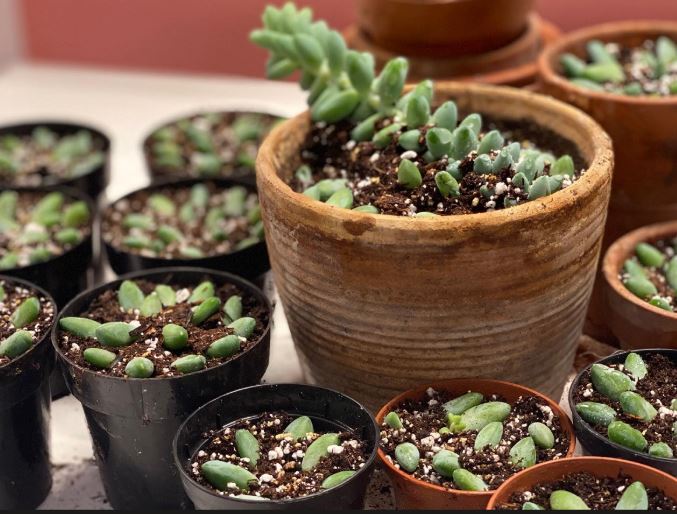
Young Burro’s Tail plants have softer leaves and weaker protection against intense sunlight. Newly propagated or recently repotted succulents are especially vulnerable to heat stress and may burn faster than mature established plants.
Common Symptoms of Too Much Sunlight
Too much sunlight can stress Burro’s Tail plants and affect their overall health. Succulent leaves may lose moisture quickly, causing dryness, discoloration, and weak growth. Excessive heat combined with strong sunlight can also damage roots and increase dehydration problems. Common symptoms include wrinkled leaves, faded color, crispy edges, and sudden leaf drop. Indoor plants placed near hot windows may also experience heat stress during summer. Identifying these symptoms early helps prevent permanent sun damage and supports healthier succulent care throughout the year.
Wrinkled and Dry Succulent Leaves
Excessive sunlight and heat can cause Burro’s Tail leaves to lose stored moisture rapidly. The leaves may appear wrinkled, dry, or thin instead of plump and firm. Dehydration often becomes worse during hot weather conditions.
Faded or Bleached Leaf Color
Too much sunlight may bleach the natural blue-green color of Burro’s Tail leaves. Sun-stressed succulents often look pale, faded, or yellowish instead of vibrant and healthy under balanced lighting conditions.
Heat Stress and Weak Growth
Heat stress weakens the plant and slows healthy growth. Burro’s Tail may develop smaller leaves, weak stems, and dry tips when exposed to excessive heat and direct sunlight for long periods during summer.
Signs of Too Much Sunlight
- Wrinkled succulent leaves
- Brown or crispy leaf edges
- Faded or bleached color
- Dry and weak stems
- Sudden leaf drop
- Slow succulent growth
Sudden Leaf Drop From Heat
Extreme heat and direct sunlight can shock the plant and cause leaves to fall off suddenly. This stress response is common during heatwaves or when the plant is moved too quickly into stronger sunlight conditions.
How to Save a Sunburned Burro’s Tail
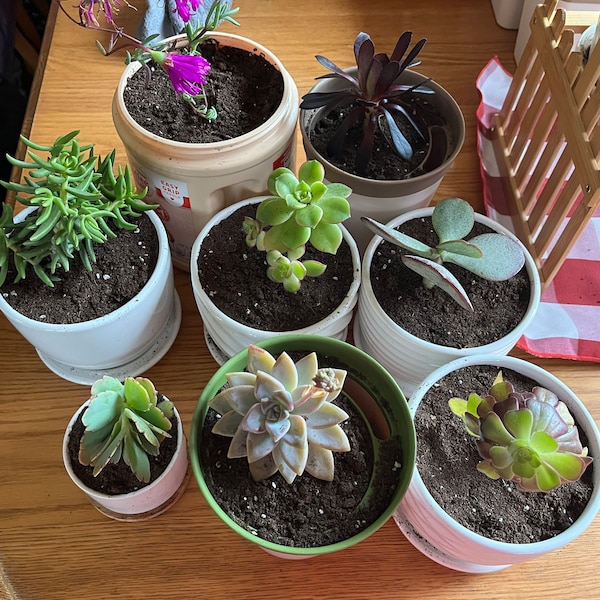
A sunburned Burro’s Tail can recover if the damage is treated early and the plant is moved to better growing conditions. Excessive direct sunlight and heat stress can dry out the leaves, cause discoloration, and weaken the stems. Recovery depends on reducing further sun exposure and improving overall succulent care. Proper watering, filtered sunlight, and gentle handling help the plant regain strength over time. Although severely burned leaves may not heal completely, healthy care habits encourage new growth and prevent future sunburn problems in Burro’s Tail plants.
Moving the Plant to Safer Light
Move the Burro’s Tail to a location with bright indirect sunlight instead of harsh direct sun. East-facing windows or filtered indoor light help reduce additional leaf damage while supporting healthy succulent recovery and balanced growth conditions.
Watering Tips After Sun Stress
Sun-stressed succulents may lose moisture faster than normal, but avoid overwatering during recovery. Water deeply only when the soil becomes fully dry. Proper watering helps restore moisture without increasing the risk of root rot problems.
Removing Damaged Leaves Properly
Remove completely dry or severely burned leaves using clean scissors or gentle hand removal. Avoid pulling healthy leaves because Burro’s Tail stems are fragile. Trimming damaged areas improves appearance and helps the plant focus on new growth.
Recovery Tips for Sunburned Burro’s Tail
- Move away from harsh sunlight
- Provide bright indirect light
- Water only when soil is dry
- Remove badly damaged leaves
- Keep stable indoor temperatures
- Avoid sudden light changes
Helping the Plant Recover Slowly
Burro’s Tail recovery takes time because succulents grow slowly after stress. Keep the plant in stable conditions with good airflow and moderate light. Consistent care encourages healthier leaves, stronger stems, and gradual recovery from sunburn damage.
Best Indoor Lighting for Burro’s Tail
Proper indoor lighting is essential for healthy Burro’s Tail growth and long trailing stems. This succulent prefers bright indirect sunlight rather than intense direct heat. Insufficient light can cause weak, stretched growth, while harsh sunlight may burn the leaves. Indoor placement near bright windows usually provides the best balance for healthy succulent development. Light quality also affects leaf color, stem strength, and moisture balance. Creating the right indoor lighting conditions helps Burro’s Tail maintain fuller growth, vibrant leaves, and better resistance to environmental stress.
Bright Indirect Light Benefits
Bright indirect light helps Burro’s Tail grow compact, healthy, and colorful without sunburn risk. Gentle filtered sunlight supports strong stems, healthy leaves, and balanced moisture levels while reducing stress caused by excessive direct sunlight exposure.
Best Window Placement Indoors
East-facing windows are ideal because they provide gentle morning sunlight without harsh afternoon heat. South-facing windows can also work if filtered with curtains. Avoid placing Burro’s Tail in dark corners with poor natural lighting.
Using Sheer Curtains for Protection
Sheer curtains help filter strong sunlight and protect succulent leaves from burning. Indoor plants near bright windows benefit from filtered light because it reduces heat stress while still providing enough brightness for healthy growth.
Best Indoor Lighting Tips
- Use bright indirect sunlight
- Place near east-facing windows
- Filter harsh afternoon sun
- Rotate the plant regularly
- Avoid dark indoor spaces
- Use grow lights if needed
How Much Daily Light the Plant Needs
Burro’s Tail usually needs about 4–6 hours of bright indirect sunlight daily for healthy growth. Too little light may cause weak stems, while excessive direct sunlight can damage leaves and increase dehydration stress problems.
Can Burro’s Tail Grow in Full Sun?
Burro’s Tail can tolerate some direct sunlight, but full intense sun is often too harsh for this succulent, especially during hot afternoons. Outdoor plants may adapt better over time if introduced slowly to stronger light conditions. Sudden exposure to full sun can cause leaf burn, heat stress, and dehydration. Morning sunlight is usually safer because it is gentler and cooler than afternoon heat. Proper acclimation and balanced lighting conditions help Burro’s Tail grow healthier while reducing the risk of severe sunburn damage outdoors.
Morning Sun vs Afternoon Sun
Morning sunlight is softer and safer for Burro’s Tail than strong afternoon sun. Afternoon heat creates intense UV exposure that can quickly burn succulent leaves, especially during summer or in hot outdoor environments.
Outdoor Growing Tips for Succulents
Outdoor Burro’s Tail plants need filtered sunlight, good airflow, and protection from extreme heat. Shade cloth or partial shade areas help reduce sun stress while still providing enough light for healthy succulent growth outdoors.
Acclimating the Plant to Sunlight
Acclimation helps Burro’s Tail adjust safely to stronger sunlight over time. Increase sun exposure gradually over several days or weeks to prevent shock, leaf burn, and dehydration caused by sudden environmental changes.
Signs the Plant Is Getting Too Much Sun
- Brown or white leaf spots
- Dry and crispy leaves
- Wrinkled succulent stems
- Faded leaf color
- Sudden leaf drop
- Slow or weak growth
Signs the Plant Needs Less Light
If the leaves become burned, faded, or extremely dry, the plant may need less direct sunlight. Moving the Burro’s Tail to filtered light or partial shade can help reduce stress and prevent future sun damage problems.
| Burro’s Tail Sunlight Problem | Common Signs | Best Solution |
|---|---|---|
| Too Much Direct Sun | Brown, white, or crispy leaves | Move to bright indirect light |
| Low Light Conditions | Weak and stretched stems | Place near a bright window |
| Heat Stress | Wrinkled and dry leaves | Keep in cooler filtered light |
| Sudden Sun Exposure | Leaf burn and leaf drop | Acclimate the plant slowly |
| Indoor Light Problems | Pale or faded color | Use grow lights if needed |
| Sunburn Recovery | Dry damaged leaf spots | Remove damaged leaves carefully |
Seasonal Sunlight Changes and Plant Stress
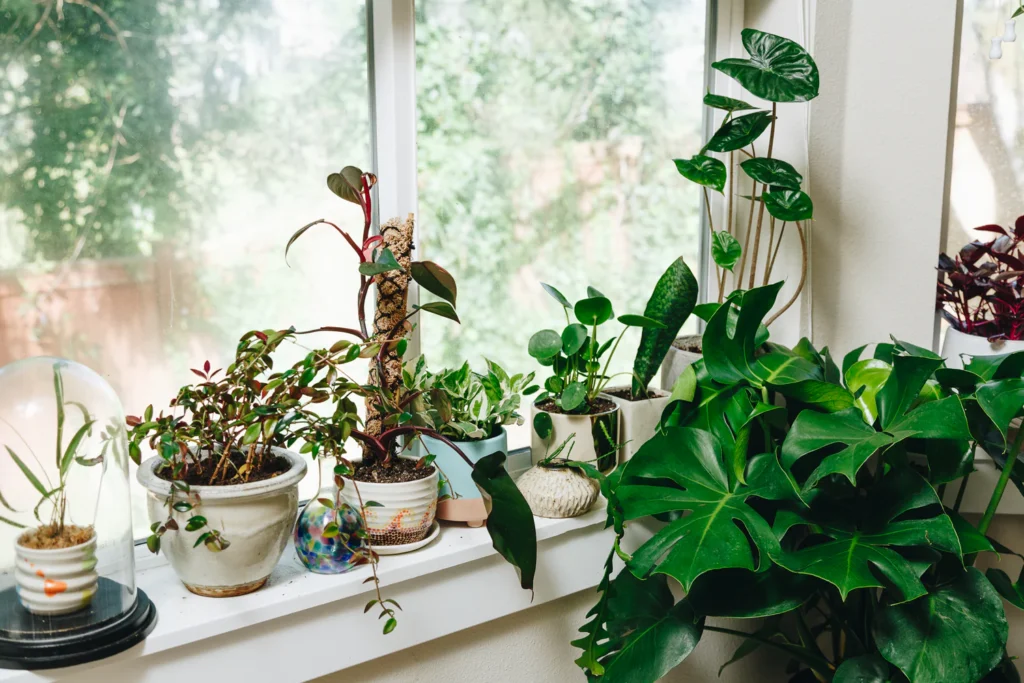
Seasonal sunlight changes can affect Burro’s Tail growth and overall plant health throughout the year. Summer heat often increases the risk of sunburn, dehydration, and leaf stress, while reduced winter sunlight may slow growth and weaken stems. Sudden changes in temperature and light intensity can also shock the plant. Adjusting light exposure during different seasons helps maintain healthy succulent growth and prevents stress-related problems. Understanding how seasonal conditions affect Burro’s Tail makes it easier to provide balanced lighting and long-term succulent care indoors or outdoors.
Summer Heat Problems for Succulents
Hot summer temperatures and intense afternoon sunlight can quickly dry out Burro’s Tail leaves. Excessive heat may cause crispy leaf edges, dehydration, faded color, and sunburn spots, especially in outdoor succulent plants exposed to direct sunlight.
Winter Sunlight Care Tips
Burro’s Tail needs bright light during winter because shorter days reduce natural sunlight exposure. Place the plant near a bright window and reduce watering slightly since succulent growth slows during cooler winter conditions.
Protecting Plants During Heatwaves
During heatwaves, move Burro’s Tail away from strong afternoon sunlight and provide filtered light or partial shade. Proper airflow and cooler indoor conditions help reduce heat stress and prevent severe succulent leaf damage.
Seasonal Care Tips for Burro’s Tail
- Protect from harsh summer heat
- Increase winter light exposure
- Avoid sudden light changes
- Provide good indoor airflow
- Reduce stress during heatwaves
- Monitor leaves for sunburn signs
Adjusting Light Throughout the Year
Burro’s Tail may need different lighting conditions during each season. Gradually adjust sunlight exposure as temperatures change to prevent stress. Stable lighting helps maintain healthier leaves, compact growth, and stronger succulent stems year-round.
Preventing Future Sun Damage
Preventing sun damage is easier than treating severe leaf burn on Burro’s Tail plants. Proper sunlight management helps maintain healthy leaves, strong stems, and balanced moisture levels throughout the year. This succulent grows best in bright indirect light with gradual exposure to stronger sunlight. Sudden changes in light intensity often cause stress and dehydration problems. Monitoring the plant regularly and adjusting its growing location when needed can prevent long-term damage. Good succulent care habits help Burro’s Tail stay healthy and attractive indoors or outdoors.
Gradually Increasing Sun Exposure
Introduce Burro’s Tail to stronger sunlight slowly over several days or weeks. Gradual acclimation helps the leaves adjust safely to brighter conditions and reduces the risk of sudden sunburn or heat stress damage.
Monitoring Leaf Color Changes
Leaf color changes can help identify early sunlight problems. Healthy Burro’s Tail leaves should appear firm and vibrant, while faded, white, or brown leaves often indicate excessive direct sunlight and growing stress conditions.
Choosing the Right Growing Location
Choose a bright location with indirect sunlight and good airflow for healthy succulent growth. East-facing windows and partially shaded outdoor spaces usually provide safer lighting conditions without exposing the plant to harsh heat.
Best Ways to Prevent Sun Damage
- Use bright indirect sunlight
- Avoid harsh afternoon heat
- Acclimate plants slowly outdoors
- Monitor leaf color regularly
- Keep stable growing conditions
- Protect during extreme summer heat
Long-Term Care for Healthy Growth
Long-term succulent care includes balanced watering, proper lighting, and regular plant monitoring. Stable indoor temperatures, fast-draining soil, and gentle sunlight help Burro’s Tail develop healthier leaves, stronger stems, and better resistance to stress problems.
Frequently Asked Questions About Burro’s Tail Sun Damage
Can Burro’s Tail recover from sunburn?
Yes, Burro’s Tail can recover from mild sunburn if moved to bright indirect light quickly. Damaged leaves may not heal completely, but healthy care encourages new growth and prevents further succulent stress.
How much sunlight does Burro’s Tail need daily?
Burro’s Tail usually needs about 4–6 hours of bright indirect sunlight daily. Gentle morning sun is beneficial, but strong afternoon sunlight may cause leaf burn and dehydration problems.
Why are my Burro’s Tail leaves turning white?
White leaves are often a sign of sunburn caused by excessive direct sunlight or heat exposure. Burned leaf areas may later become dry, crispy, or permanently damaged if conditions do not improve.
Is direct afternoon sun bad for Burro’s Tail?
Yes, harsh afternoon sunlight can damage Burro’s Tail leaves quickly, especially during hot summer weather. Filtered sunlight or partial shade is safer for maintaining healthy succulent growth outdoors.
Can Burro’s Tail grow outdoors?
Burro’s Tail can grow outdoors in warm climates with filtered sunlight and protection from extreme heat. Gradual acclimation is important because sudden outdoor sun exposure may burn indoor-grown succulents.
How do I protect Burro’s Tail during summer?
Protect Burro’s Tail during summer by keeping it in bright indirect light, avoiding intense afternoon sun, and maintaining proper watering habits. Good airflow also helps reduce heat stress and leaf damage.

- How to Grow Microgreens Without Soil Indoors: Easy Home Method - October 5, 2026
- Microgreens vs. Sprouts: Key Differences, Nutrition, Safety, and Which One to Eat - October 5, 2026
- 10 Best Garden Tools For Weed Removal 2027 - October 3, 2026