What Gloves Do Professional Gardeners Use? The Ultimate Expert Guide
I learned the hard way that not all gardening gloves are made for serious work. Cheap cotton gloves may be fine for light planting, but they can fail quickly when you’re pulling thorny brambles, digging, or moving rough materials. Professional gardeners usually keep several pairs for different jobs. Nitrile-coated gloves are popular for weeding, planting, and detail work because they provide good grip and dexterity. For heavy digging and landscaping, many pros prefer durable leather work gloves. When handling roses, blackberry brambles, or other thorny plants, leather gauntlet gloves offer extra protection for the wrists and forearms. The best choice depends on the task.
The Philosophy of the Professional Gardener’s Hands
For a casual weekend hobbyist, a blister or a minor scrape is a temporary annoyance. For a professional landscaper, horticulturalist, or arborist, hand injuries mean lost wages and decreased productivity. Professionals view their gloves as essential PPE (Personal Protective Equipment).
When evaluating what makes a glove “professional grade,” industry experts look at three critical factors:
- Tactile Dexterity: Can you feel the delicate roots of a seedling, or pick up a tiny seed, without taking the glove off?
- Abrasion and Puncture Resistance: Will the material withstand repetitive friction against rough stone, concrete pavers, and sharp wooden splinters?
- Breathability and Moisture Management: Can the gloves be worn for a grueling 10-hour shift in the July heat without causing severe hand sweat, which leads to skin maceration and blistering?
Because no single material can perfectly achieve all three of these goals simultaneously, professional crews keep a rotation of different gloves in their tool buckets. Let’s break down exactly what they use and when they use it.
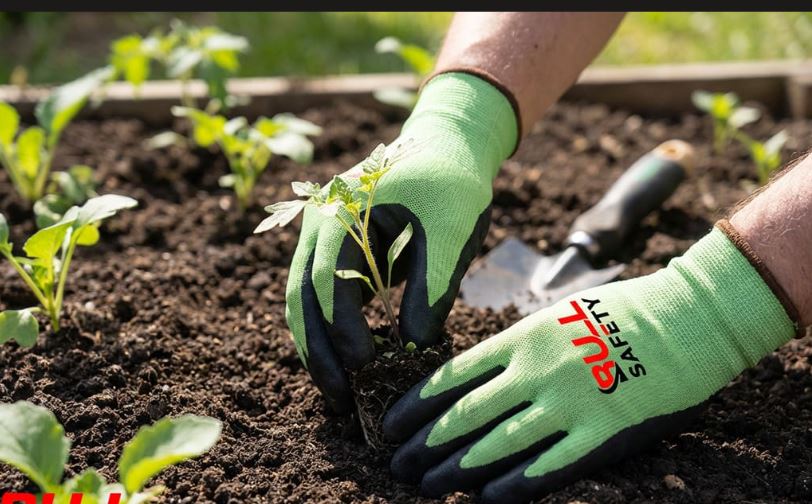
The Everyday Workhorse: Nitrile and Latex-Coated Synthetics
If you look at the hands of a professional crew planting annuals, laying mulch, or weeding flower beds, you will almost universally see them wearing dipped synthetic gloves.
Why Pros Love Them
These gloves feature a seamless, breathable knit shell (usually made of nylon, polyester, or bamboo) that is dipped into a liquid polymer (nitrile, latex, or polyurethane) to coat the palms and fingertips.
- Unmatched Dexterity: They fit like a second skin. You can easily operate the tiny safety buttons on power equipment, tie knots in twine, and grasp thin weeds by the root without slipping.
- Water and Mud Resistance: The coated palms keep hands perfectly dry when handling wet soil, mud, or dewy morning plants, while the uncoated back allows heat to escape.
- Cost-Effective: Landscapers view these as semi-consumable. Because they are relatively inexpensive, crews can buy them in bulk packs and rotate them out when the grip finally wears down.
Top Brands Used by Professionals
- Showa Atlas (Specifically the 370 Nitrile model): This is arguably the most famous glove in the professional landscaping industry. It is touted by everyone from organic farmers to commercial landscapers for its incredible, tactile grip and machine-washable durability.
- West County Gardener Grip Gloves: Made from recycled plastics, these are highly favored by horticulturalists for their excellent balance of thickness and flexibility.
- Mud Gloves: A staple for wet weather, these feature a thick, crinkle-textured latex exterior over a soft cotton lining, providing heavy-duty waterproofing for muddy spring cleanups.
Heavy-Duty Armor: Leather Work Gloves
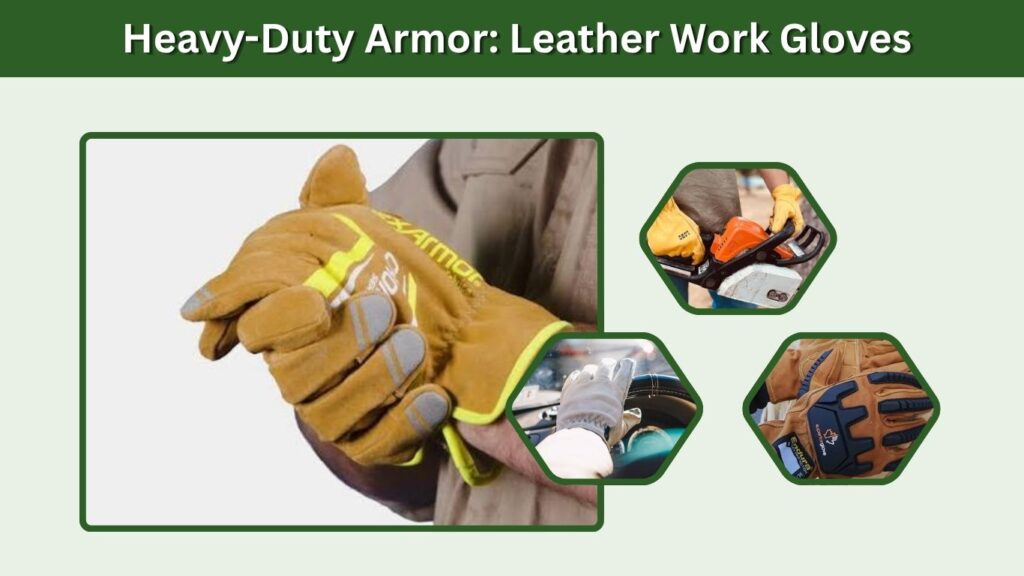
When the task shifts from planting delicate begonias to hauling jagged flagstone, digging trenches through rocky soil, or clearing thick brush, the synthetics are put away, and the leather comes out.
The Leather Hierarchy
Not all leather is created equal, and pros select specific animal hides based on the job requirements:
- Cowhide: The most common and affordable. It is incredibly tough and highly resistant to abrasion, making it the go-to choice for moving rocks, carrying lumber, or operating heavy machinery like tillers.
- Pigskin: Naturally resistant to moisture. Unlike cowhide, which dries stiff and crusty after getting wet, pigskin remains soft and pliable even after being soaked.
- Goatskin: The premium choice for professionals. Goatskin has the highest tensile strength of any leather, meaning it can be cut incredibly thin while still providing massive puncture resistance. It offers the best dexterity among leather options.
Top Brands Used by Professionals
- Duluth Trading Hestra Work Gloves: A premium, heavy-duty option blending tough split cowhide with supple goatskin. Professionals use these when they are facing a full day of repetitive digging to prevent deep-tissue blisters.
- Ozero Leather Work Gloves: Known for their thoughtful, flexible design, these cowhide gloves are favored by tree removal crews and hardscapers for their thick, protective barrier against splinters and rough edges.
Expert Sizing Tip: When a professional buys leather gloves, they intentionally buy them to fit incredibly snug—almost too tight. High-quality leather stretches and molds to the exact shape of the user’s hand as it absorbs natural sweat and oils. Buying a loose leather glove results in sloppy grip and dangerous friction blisters.
The Specialist Tool: Gauntlet Pruning Gloves
No professional touches a mature rose bush, a hawthorn tree, or a blackberry thicket without gauntlets. A standard glove stops at the wrist, leaving the entire forearm exposed to vicious thorns that can cause serious lacerations and infections (such as Sporotrichosis, also known as “Rose Gardener’s Disease”).
What Defines a Professional Gauntlet?
A gauntlet glove features a standard reinforced hand (usually made of thick goatskin or synthetic puncture-proof material) attached to a long, flared cuff that reaches all the way up to the elbow.
Top Brands Used by Professionals
- Magid Handmaster Extra-Long Thornproof Gloves: These feature a puncture-resistant synthetic build with added knuckle guards. They are essential for arborists who spend their days reaching deep into the canopies of prickly shrubs.
- Exemplary Gardens Rose Pruning Gloves: Crafted from buttery-soft goat leather with long suede cuffs, these offer the flexibility required to use hand-pruners delicately while providing an impenetrable shield against thorns.
- HandLandy Rose Pruning Gloves: Made from breathable pigskin, these gauntlets feature reinforced zones across the palms and fingertips where thorns are most likely to strike when grabbing a branch.
Extreme Weather and Specialty Gloves

Professional landscaping doesn’t stop when it rains, nor does it pause when the temperature drops below freezing. Pros rely on highly specialized gear to survive the elements.
Winter and Wet Weather
Cold, wet hands are not just uncomfortable; they are a severe safety hazard. When hands go numb, the user loses control of sharp tools like shears and chainsaws.
- Wondergrip Insulated Waterproof Gloves: These are double-dipped in natural rubber latex for complete waterproofing and lined with thick, looped acrylic fabric to retain body heat. Pros use these for late-fall cleanups, winter pruning, and handling freezing, wet debris.
Ergonomic and Medical Support
Gardening takes a massive toll on the joints. Older professionals, or those suffering from repetitive strain injuries and arthritis, turn to medically engineered gloves.
- Bionic Relief Grip Gloves: Designed by a leading orthopedic hand surgeon, these gloves feature a patented pad system that evens out the surface of the hand. This allows professionals to grip shovels and heavy tools securely without having to squeeze tightly, drastically reducing hand fatigue and joint pain.
Bamboo and Touchscreen Technology
In the modern landscaping business, professionals constantly need to answer client phone calls, check digital landscape blueprints on tablets, or respond to dispatch texts.
- Pine Tree Tools Bamboo Gloves: Made from highly breathable bamboo fibers, these feel like a second skin and are naturally cooling in the summer heat. More importantly, the synthetic coating on the fingertips is capacitive, meaning landscapers can operate touchscreen devices without stripping off their muddy gloves every ten minutes.
The Professional Maintenance Routine
A common misconception is that professionals just throw their dirty gloves in the back of a truck and forget about them. In reality, maintaining gloves is a critical part of a landscaper’s routine. Neglected gloves harbor fungal spores, transfer plant diseases (like powdery mildew or blight) from one client’s yard to the next, and rot prematurely.
- Synthetic Care: At the end of the day, professionals often wash their nitrile-coated gloves exactly like they wash their hands. While wearing them, they squirt dish soap onto the palms, scrub them under a hose, and hang them to dry overnight. They are also frequently tossed directly into the washing machine.
- Leather Care: Leather is never machine washed. Pros brush dry dirt off their leather gloves with a stiff wire brush. Every few weeks, they treat the leather with saddle soap or mink oil to restore the natural fats, keeping the gloves supple and preventing the material from cracking over time.
The Takeaway: Building Your Own Pro Toolkit
You don’t need to be a commercial landscaper to garden like one. If you want to upgrade your gardening experience, stop looking for one single glove to do it all.
Instead, build a three-part arsenal:
- Buy a multi-pack of Showa Atlas nitrile gloves for your daily weeding and planting.
- Invest in a high-quality pair of snug-fitting goatskin or cowhide gloves for shoveling and hardscaping.
- Keep a dedicated pair of leather gauntlets hidden away for the days you have to do battle with the roses.
By adopting the professional approach to hand protection, you will work faster, stay safer, and find far more joy in the dirt.

- 10 Best Twist Resistant Garden Hose 2026 - October 26, 2026
- 10 Best Tangle Free Garden Hose For Large Yards 2026 - October 26, 2026
- 10 Best Tangle Free Garden Hose For Small Yards 2026 - October 26, 2026