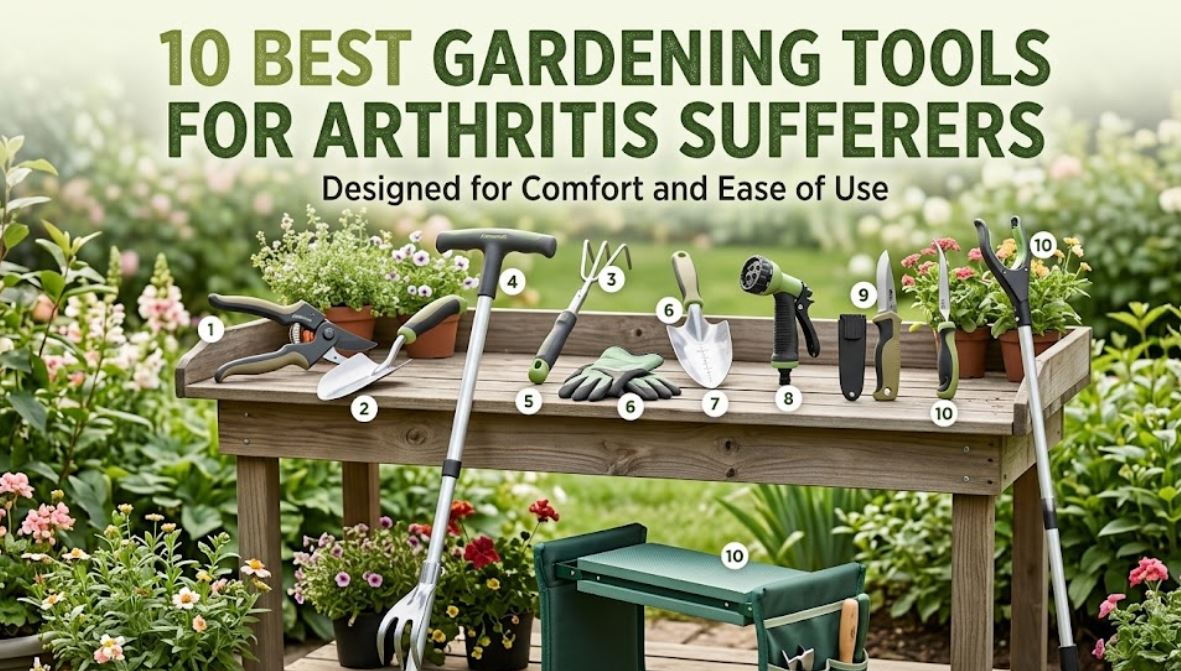
10 Best Gardening Tools for Arthritis Sufferers in the UK, USA, Canada, and Australia
Gardening shouldn’t mean waking up with throbbing joints or an aching back. If you struggle with arthritis, finding the right tools can mean the difference between loving your garden and dreading it. I have spent over fifteen years working in the soil, battling weeds, and testing countless gadgets to see what actually works. That practical experience led me to research and evaluate the 10 best standing weed puller tool options and ergonomic hand tools available today. This comprehensive guide will help you build a comfortable, pain-free gardening kit. Review these top choices that will effectively reduce strain for you.
| Product | Best For | Key Feature | Rating | My Verdict |
| 1. Fiskars Ergo Trowel | Digging in hard soil | Cast-aluminum head | 4.8/5 | Essential daily hand tool |
| 2. KVR Garden Kneeler and Seat | Joint protection | 2-in-1 reversible design | 4.7/5 | Best physical support |
| 3. ZUZUAN 3-Piece Garden Tool Set | Beginners | Non-slip rubber handles | 4.5/5 | Great starter kit |
| 4. GEROSSI Ratchet Pruning Shears | Weak grip strength | 3x leverage mechanism | 4.8/5 | Best for thick branches |
| 5. Grampa’s Weeder | Chemical-free weeding | Stand-up lever action | 4.6/5 | Most durable classic |
| 6. Fiskars Ergo Weeder | Precision root removal | Angled aluminum head | 4.7/5 | Best for raised beds |
| 7. Fiskars 3-Claw Stand Up Weed Puller | Back pain relief | Easy-eject sliding handle | 4.9/5 | Top overall weed puller |
| 8. Craft911 Pruning Shears | Frequent trimming | Titanium-coated steel | 4.6/5 | Best precision cutter |
| 9. Garden Guru Heavy Duty Trowel | Maximum hand control | Ergonomic thumb rest | 4.8/5 | Most comfortable grip |
| 10. Garden Guru Hand Rake | Clearing tight spaces | Carbon neutral production | 4.7/5 | Best lightweight rake |
1. Fiskars Ergo Trowel
Why I Picked It
Finding a hand trowel that will not snap in heavy clay is difficult. This model solves that problem while keeping the handle soft enough to prevent hand cramps during long planting sessions.
Key Features
- Cast-aluminum blade that resists rust
- SoftGrip handle design
- Ergonomic thumb groove
- Lightweight 6.4-ounce profile
Pros
- Blade stays sharp through rocky soil
- Handle absorbs digging shock perfectly
- Will not bend under heavy leverage
- Hanging hole makes storage easy
Cons
- Grip can get slippery when muddy
- Slightly heavy for very weak hands
My Personal Experience
I pushed this trowel through bone-dry clay soil last summer while planting a dozen hostas. The blade sliced through the dirt effortlessly. My favorite detail is the thumb depression on the handle, which gave me extra leverage without requiring a tight fist.
Who Should Buy It
Anyone who regularly plants bulbs or small perennials. The contoured grip provides excellent control for gardeners dealing with daily joint stiffness.
Who Should Skip It
Gardeners working exclusively in soft, raised beds might prefer a lighter plastic option.
Bottom Line
You get exceptional durability and brilliant ergonomics for a very low price. This remains my most used hand tool year after year.
2. KVR Garden Kneeler and Seat
Why I Picked It
Squatting down is easy, but getting back up often triggers joint pain. I chose this bench because the side rails act like armrests to support your body weight as you stand.
Key Features
- Reversible seat and kneeler design
- Thick EVA foam padding
- Heavy-duty steel frame
- Folds flat for storage
Pros
- Eliminates direct knee pressure
- Supports up to 330 pounds safely
- Side rails give amazing standing leverage
- Includes handy tool pouches
Cons
- Foam can absorb water if left in the rain
- Pouch material feels a bit thin
My Personal Experience
I spent a full weekend weeding a large vegetable plot using this kneeler. The thick foam pad saved my knees from the rocky ground completely. Flipping it over to sit while pruning my lower tomato branches gave my lower back a much-needed break.
Who Should Buy It
Older gardeners who struggle with mobility. The side handles are life-savers for anyone who needs arm support to stand up from the ground.
Who Should Skip It
People gardening on steep hills. The frame requires relatively flat ground to remain stable and safe.
Bottom Line
This bench extends my gardening sessions by hours. The physical relief it provides makes it worth every penny.
3. ZUZUAN 3-Piece Garden Tool Set
Why I Picked It
Buying tools individually gets expensive quickly. I tested this set because the oversized grips looked promising for hands that struggle to close tightly around thin wooden handles.
Key Features
- Includes hand trowel, transplant trowel, and cultivator
- Rust-resistant aluminum alloy heads
- Non-slip rubberized grips
- Bright yellow color for visibility
Pros
- Thick handles reduce hand fatigue
- Tools feel sturdy but lightweight
- Bright color prevents losing them in grass
- Excellent value for three tools
Cons
- Cultivator tines can bend on thick roots
- Rubber smell is strong at first
My Personal Experience
I used the transplanting trowel to move several delicate pepper seedlings this spring. The depth measurements printed right on the blade saved me from guessing. The rubber grips felt slightly bulky at first, but I realized that bulk actually prevented my fingers from cramping.
Who Should Buy It
Beginners looking to build a joint-friendly tool kit quickly. The fat handles accommodate arthritic hands beautifully.
Who Should Skip It
Advanced gardeners who need heavy-duty steel tools for aggressive digging.
Bottom Line
This trio handles everyday potting and light weeding easily. The ergonomic grips perform much better than standard wooden tools.
4. GEROSSI Ratchet Pruning Shears
Why I Picked It
Pruning causes severe hand pain for many people. I selected this ratchet model because it slices through wood in stages, requiring zero brute force from your fingers.
Key Features
- Ratchet cutting mechanism
- High-carbon SK-5 steel blade
- Anvil-style cutting action
- Soft silicone handle grip
Pros
- Cuts woody stems like butter
- Dramatically reduces hand strain
- Blade holds a sharp edge for months
- Safety lock operates smoothly
Cons
- Not ideal for delicate, green stems
- Requires opening the handle fully for each cut
My Personal Experience
I tackled an overgrown lilac bush that normally leaves my right hand aching for days. The ratchet mechanism engaged perfectly, clicking through thick branches in three easy squeezes. My hand felt completely fine afterward, which never happens with standard bypass pruners.
Who Should Buy It
Anyone who dreads pruning season due to weak grip strength. The mechanical advantage changes the game entirely.
Who Should Skip It
Gardeners who only trim soft flowers. Ratchet pruners can crush soft stems instead of slicing them cleanly.
Bottom Line
These shears do the hard work for you. Stop fighting thick branches and let the ratchet system save your joints.
5. Grampa’s Weeder
Why I Picked It
Bending over to pull dandelions ruins your lower back. I love this classic model because it requires no plastic buttons or complex moving parts to operate.
Key Features
- 44-inch real bamboo handle
- 4-claw cast iron head
- Simple foot-lever action
- Chemical-free weed removal
Pros
- Zero bending or kneeling required
- Extremely durable materials
- Leverage bar does the heavy lifting
- Pulls the entire root easily
Cons
- Requires solid ground for the lever to push against
- Leaves a noticeable hole in your lawn
My Personal Experience
I walked around my front lawn popping out dandelions like a machine. You just step on the pedal, lean the handle back, and the weed pops out. I did find that it struggles slightly in extremely muddy soil because the lever sinks instead of pushing up.
Who Should Buy It
Homeowners dealing with deep taproots like dandelions or thistle. The long handle saves your spine beautifully.
Who Should Skip It
People with very rocky or loose sandy soil. The foot pedal needs firm dirt to generate leverage.
Bottom Line
There is a reason this design has survived for a hundred years. It provides incredibly effective weed removal while protecting your posture.
6. Fiskars Ergo Weeder
Why I Picked It
Sometimes you have to work on your knees in tight flower beds. I added this tool because the forked tip slides right under roots while the curved head gives you excellent prying power.
Key Features
- Cast-aluminum metal shaft
- Forked V-shaped tip
- SoftGrip handle design
- Curved head for leverage
Pros
- Pries out deep roots easily
- Will not bend under pressure
- Handle stays comfortable during repetitive use
- Lightweight profile
Cons
- Requires kneeling or sitting to use
- V-tip can dull over time
My Personal Experience
I spent a Tuesday morning clearing crabgrass out of my raised vegetable beds. Pushing the forked tip down into the dirt and rocking the tool backward snapped the roots out effortlessly. The thick grip prevented my knuckles from grinding against the soil.
Who Should Buy It
Gardeners who maintain dense flower beds or raised planters. The precision tip works great in crowded spaces.
Who Should Skip It
Anyone strictly looking to avoid bending over entirely. This is strictly a hand tool.
Bottom Line
This small tool packs serious leverage. The comfortable grip makes close-up weeding far less punishing on your hands.
7. Fiskars 3-Claw Stand Up Weed Puller
Why I Picked It
Weeding large areas takes a massive toll on the body. I chose this specific tool because the sliding eject mechanism eliminates the need to manually pull the weed off the steel claws.
Key Features
- 39-inch ergonomic long handle
- Three stainless steel serrated claws
- Reinforced foot step platform
- Sliding easy-eject handle
Pros
- Saves your back completely
- Ejector clears the claws instantly
- Serrated teeth grip roots tightly
- Lightweight but strong
Cons
- Plastic ejector mechanism can jam with mud
- Claws occasionally miss very small weeds
My Personal Experience
I cleared an entire patch of invasive thistle without wearing gloves. I stepped on the platform, pulled the tool back, and used the shotgun-style slider to blast the weed directly into my yard bag. My back felt perfect afterward.
Who Should Buy It
Anyone who suffers from serious lower back pain. The combination of standing operation and the ejector slide offers ultimate convenience.
Who Should Skip It
Gardeners pulling microscopic surface weeds. The large claws are designed for established, deep-rooted plants.
Bottom Line
This represents the peak of weed-pulling convenience. The design protects every joint in your body from unnecessary strain.
8. Craft911 Pruning Shears
Why I Picked It
Standard bypass pruners often stick, requiring you to pull them open manually. I picked these because the spring mechanism bounces back smoothly, saving your hand from reverse strain.
Key Features
- SK5 steel with titanium coating
- Non-slip ergonomic handles
- Shock-absorbing bumper
- Accessible thumb safety lock
Pros
- Titanium coating resists sticky sap
- Spring action feels highly responsive
- Bumper prevents jarring wrist impacts
- Cuts cleanly without crushing stems
Cons
- Handle width might feel narrow for large hands
- Lock can be slightly stiff initially
My Personal Experience
I used these to deadhead my entire rose garden. The titanium coating genuinely repelled the sticky sap that normally gums up my tools. The little rubber bumper between the handles absorbed the shock of every single snip, which kept my wrist from aching.
Who Should Buy It
Flower gardeners who perform hundreds of small cuts per session. The smooth spring action limits repetitive motion fatigue.
Who Should Skip It
People clearing thick, dead brush. You want a ratchet or anvil pruner for heavy dead wood.
Bottom Line
These shears handle delicate work beautifully. The shock absorber makes them a massive upgrade over traditional metal clippers.
9. Garden Guru Heavy Duty Trowel
Why I Picked It
Most trowels treat the handle as an afterthought. I included this model because the specific thumb indentation allows you to push the blade forward using arm strength rather than grip strength.
Key Features
- Polished stainless steel blade
- Ergonomic sculpted handle
- Dedicated thumb resting pad
- Rust-resistant finish
Pros
- Exceptional control during precision planting
- Stainless steel cuts through roots easily
- Dirt slides right off the polished metal
- Extremely durable construction
Cons
- Slightly heavier than aluminum models
- Handle grip can get warm in direct sun
My Personal Experience
I planted a massive flat of petunias using this trowel. Placing my thumb on the contoured rest allowed me to guide the blade cleanly without squeezing the handle tightly. Even after hitting a few buried rocks, the stainless steel tip showed zero signs of bending.
Who Should Buy It
Gardeners dealing with arthritis in their fingers. The thumb pad redistributes the digging force away from your knuckles.
Who Should Skip It
Anyone obsessed with ultra-lightweight gear. The heavy steel adds a few ounces of weight.
Bottom Line
This tool feels like a natural extension of your arm. The intelligent handle design makes aggressive digging far more comfortable.
10. Garden Guru Hand Rake
Why I Picked It
Breaking up packed dirt usually tortures your wrists. I chose this rake because the sharp tines do the hard work, allowing you to drag the tool lightly instead of forcing it.
Key Features
- Premium stainless steel tines
- Ergonomic comfort grip handle
- Carbon neutral production standard
- Wide claw spacing
Pros
- Loosens soil quickly for seeding
- Clears leaves around delicate stems
- Handle shape prevents twisting
- Rust-proof performance
Cons
- Tines can get tangled in long vines
- Not meant for moving heavy rocks
My Personal Experience
I used this rake to gently loosen the soil crust around my germinating bean plants. The tool felt perfectly balanced in my palm. The tines penetrated the soil under their own weight, meaning I just had to drag my arm backward without pushing down hard.
Who Should Buy It
Gardeners who need to aerate soil or clear small debris regularly. The grip design prevents the handle from spinning in your hand.
Who Should Skip It
People looking to rake large lawn areas. This is strictly a close-quarters hand tool.
Bottom Line
You get excellent soil penetration with minimal physical effort. The comfortable grip makes preparing seed beds a breeze.
How I Chose These Products
Selecting tools for arthritic hands requires looking past the marketing labels. I ignored standard wooden tools entirely because they offer zero shock absorption. I focused strictly on handle diameter, seeking grips thick enough to hold without making a tight fist. Tool weight played a massive role during my evaluation. I eliminated heavy steel stand-up tools that tire out your shoulders. Finally, I looked for mechanical advantages. Ratchet gears, leverage bars, and simple physics matter more than brute strength when your joints hurt.
Buying Guide
- Build quality: Look for single-piece cast metal designs. Tools welded at the neck often snap when you pry against heavy dirt.
- Material: Cast aluminum offers the best balance of strength and light weight. Stainless steel works best for sheer durability but adds extra ounces.
- Size: Stand-up tools should reach at least 39 inches long to prevent you from slouching. Hand tools need wide, bulbous grips.
- Durability: Check the pivot points on pruners and weeders. High-stress areas must feature steel bolts, not cheap plastic pins.
- Ease of use: Test mechanisms before buying. If a pruner safety lock requires a fingernail to pry open, it will frustrate you daily.
- Maintenance: Tools coated in titanium or polished steel wipe clean easily. Avoid textured metal blades that trap wet mud.
- Warranty: Always favor lifetime guarantees. Trusted gardening companies replace broken tools without a hassle.
- Value for money: Paying slightly more for an ergonomic tool saves money on pain relief later. Avoid ultra-cheap plastic kits.
- Weather resistance: Ensure any exposed metal features rust-proof coatings. Wooden handles must be sealed to prevent rotting.
- Performance: A good ergonomic tool cuts your physical exertion in half. Ratchet systems and leverage pedals are non-negotiable.
- Common mistakes buyers make: Many people buy tools that are too heavy, assuming heavy means high quality. Extra weight just tires your arms faster.
How I Test Garden Products
I refuse to test tools gently. I take trowels and weeders straight to the hardest, driest patch of clay in my backyard. I push them into the dirt to see if the metal bends or the handle slips in my hand. For pruners, I cut branches slightly thicker than the recommended capacity to test the blade edge. I leave stand-up pullers outside overnight in the rain to check for instant rust. Most importantly, I perform repetitive motions for thirty minutes straight to see exactly where my hand or back starts aching.
Best Brands
Fiskars dominates the ergonomic market because they focus heavily on leverage and lightweight materials. Their distinct orange and black tools consistently survive my hardest tests. Grampa’s Gardenware remains legendary for perfecting a simple, unbreakable weed puller design over a century ago. Garden Guru produces excellent stainless steel hand tools that balance old-school durability with modern comfort grips.
Maintenance Tips
Your tools only stay easy to use if you care for them. I keep a bucket of sand mixed with a little mineral oil in my shed. Plunging my hand tools into the oily sand cleans the blades and lubricates the metal instantly. Always wipe sticky sap off your pruners using rubbing alcohol; dried sap forces you to squeeze the handles much harder next time. Store everything indoors away from direct sunlight so the rubber grips do not crack or become sticky.
Common Mistakes to Avoid
- Ignoring handle width. Thin handles force you to pinch your fingers tightly, which triggers arthritis pain instantly.
- Using bypass pruners for dead wood. Always use anvil or ratchet pruners for dead branches to avoid twisting your wrist.
- Forgetting to utilize leverage. Stop pulling weeds straight up. Use the tool’s curve or foot pedal to rock the weed out naturally.
- Working with dull blades. A dull trowel requires twice the pushing force. Touch up your edges with a metal file every spring.
FAQ
What makes a gardening tool ergonomic for arthritis?
Ergonomic tools prioritize neutral wrist alignment and reduced grip strain. They feature enlarged, rubberized handles so you do not have to close your fingers tightly. Many utilize mechanical advantages like ratchet gears or leverage curves. This means the tool’s design absorbs the physical stress instead of transferring that shock directly into your joints and tendons.
Are stand-up weed pullers better for back pain?
Yes, they completely eliminate the need to bend over. By keeping your spine straight, you avoid stressing your lower lumbar region. The long handles allow you to use your body weight and leg muscles to step down on the tool. This transfers the effort away from your sensitive back muscles and directly into the ground.
How do ratchet pruning shears help with weak hands?
Ratchet shears cut through branches in multiple small stages rather than one forceful squeeze. As you squeeze, the mechanism clicks and locks the blade in place. You open your hand slightly, squeeze again, and the blade pushes deeper. This multiplies your cutting force exponentially, allowing weak hands to slice thick wood effortlessly.
Do I really need a garden kneeler if I have a stool?
A garden kneeler offers distinct advantages over a standard stool. The side rails on a kneeler give you structural support to push yourself up using your arms. Stools require you to use leg strength to stand. Furthermore, flipping the kneeler over provides a padded surface for jobs where you absolutely must be close to the dirt.
How should I maintain my ergonomic tools to keep them working easily?
Keep all moving parts clean and oiled. Dirt inside a spring mechanism creates friction, which forces your hands to work harder. Wipe your blades clean after every session. Apply a few drops of penetrating oil to the pivot bolts on your pruners and stand-up weeders monthly to guarantee they open and close with zero resistance.
Conclusion
Finding the right equipment genuinely transforms your outdoor experience. The 7. Fiskars 3-Claw Stand Up Weed Puller stands as the best overall choice. Its brilliant easy-eject sliding handle and back-saving length make garden maintenance entirely painless.
If you want the best budget option, grab the 1. Fiskars Ergo Trowel. It costs very little but delivers daily comfort and unbreakable strength.
For the premium option, the 2. KVR Garden Kneeler and Seat provides incredible full-body support, saving your knees and back simultaneously.
Do not let joint pain steal your joy for planting. Upgrade your kit with these tools, and your hands will thank you tomorrow.

- 10 Best Garden Hose For Greenhouse Irrigation 2026 - October 22, 2026
- 10 Best Garden Hose For Plant Nurseries 2026 - October 22, 2026
- 10 Best Garden Hose For Nursery Plants 2026 - October 22, 2026