Trees provide an essential shelter network for thousands of avian species across the globe. From high canopy branches to hollow trunks, tree-based nesting designs have evolved into sophisticated architectural structures adapted for predator avoidance, thermal regulation, and structural safety during severe weather.
Classic cup nest in tree fork. Source: Jasmina81 / Getty Images
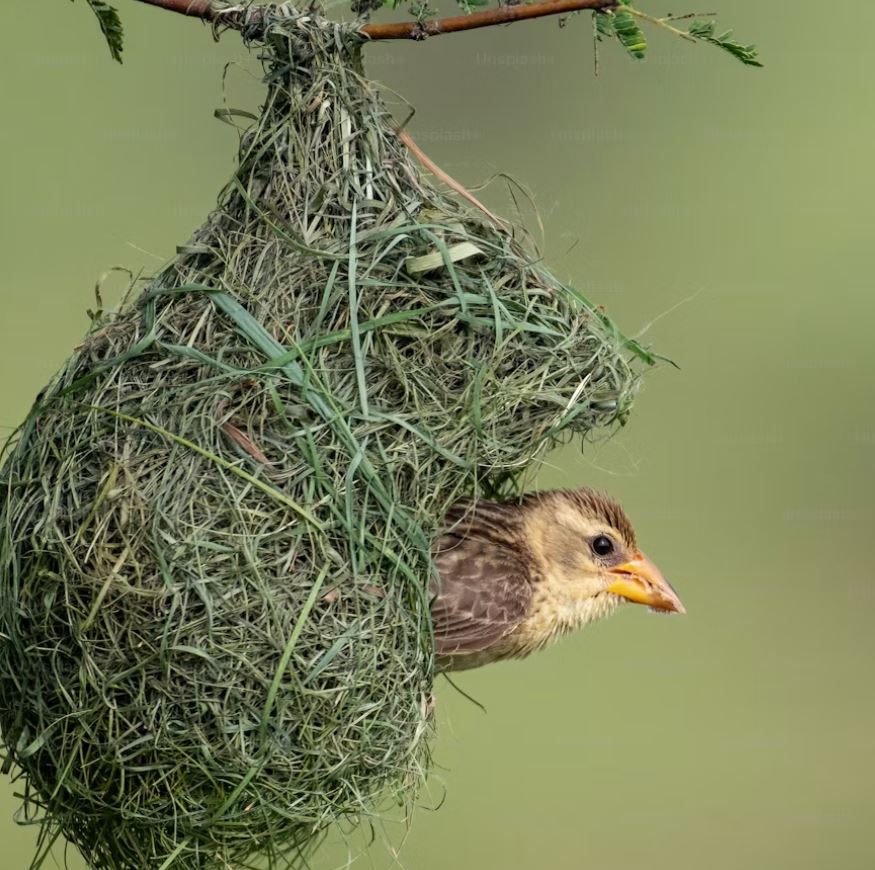
Pendant pouch nests in branches. Source: sasimoto / Getty Images
Excavated tree cavity nest. Source: Caroline Munsterman / Getty Images
Heavy canopy platform nest. Source: Gregory Adams / Getty Images
1. Classic Woven Cup Nest
The classic woven cup nest is one of the most recognizable avian structures found in tree crotches and branch forks. Builders select stable structural forks in deciduous and evergreen trees that offer overhead leaf protection. The cup shape fits the brooding parent’s body closely, conserving heat and keeping eggs centered during incubation. Construction requires weaving techniques where outer twigs form a supportive basket lined with soft organic fibers, hair, and feathers to protect sensitive hatchlings.
Overview & Typical Builders
- Primary Builders: American Robins, Song Thrushes, Blue Jays, Yellow Warblers, and Northern Cardinals.
- Location: Forked branches, horizontal limbs, or dense foliage at mid-canopy heights.
- Function: Provides a compact, thermally efficient vessel for clutch incubation and early chick rearing.
Construction Materials
- Structural Outer Layer: Stiff twigs, dried grass stems, rootlets, and coarse bark strips.
- Binding Agents: Mud, damp clay, and caterpillar silk used to cement the base into branch crotches.
- Inner Lining: Animal hair, fine plant down, animal wool, soft moss, and down feathers.
Architectural Structure
- Hemispherical Bowl: Carefully shaped by the female pressing her chest against the walls while spinning.
- Reinforced Rim: Thickened upper edge preventing structural collapse under adult body weight.
- Deep Center Depressions: Engineered to prevent eggs from rolling out during strong wind movement.
Survival & Ecological Advantages
- Microclimate Control: Insulating inner lining reduces thermal energy expenditure during cold nights.
- Foliage Camouflage: Concealed within leaf clusters to shield eggs from aerial raptors and corvids.
- Structural Flexibility: Anchored flexibly to sway with tree branches without dislodging eggs.
2. Pendant & Hanging Pouch Nest
Pendant nests are long, sock-like woven sacks suspended from the tips of flexible tree branches. These pendulous structures hang over open space or water, creating a barrier against flightless tree predators. Building a pendant pouch requires advanced textile weaving skills: birds tie initial knot loops around twigs before expanding downward into an elongated chamber. Entrance holes are placed near the top or side, sometimes with specialized tubes that deter invaders while keeping offspring warm and dry.
Overview & Typical Builders
- Primary Builders: Baltimore Orioles, Baya Weavers, Bushtits, and Montezuma Oropendolas.
- Location: Suspended from thin, outer branch tips of tall trees, often overhanging water or clearings.
- Function: Isolates eggs and nestlings from tree-climbing snakes, raccoons, and rodents.
Construction Materials
- Flexible Plant Fibers: Long grass blades, shredded milkweed fibers, and flexible vine tendrils.
- Binding Elements: Spider silk, fungal mycelium strands, and horsehair for high tensile strength.
- Internal Padding: Plant down, willow fluff, and small feathers line the bottom incubation chamber.
Architectural Structure
- Anchored Top Loop: Tight knotting wrapped around small branch tips to support hanging weight.
- Suspended Neck: Narrow upper neck opening leading into an expanded lower brood chamber.
- Concealed Portal: Side or downward-facing entrance tube designed to block larger predators.
Survival & Ecological Advantages
- Predator Exclusion: Branch tips are too thin to support the weight of climbing predators.
- Wind Resistance: Flexible swinging motion absorbs kinetic energy from strong wind gusts without tearing.
- Thermal Regulation: Woven mesh permits airflow while insulating the bottom brood pocket.
3. Tree Cavity & Excavated Hole Nest
Tree cavity nests are hollow chambers carved into dead wood or formed through natural heartwood decay. Primary cavity nesters use specialized beaks to excavate clean, protected chambers inside tree trunks or large branches. Secondary cavity nesters inhabit previously excavated or natural hollows, lining the wooden floor with nesting materials. These enclosed wooden chambers provide insulation against temperature extremes and physical protection against severe weather and larger predators.
Overview & Typical Builders
- Primary Excavators: Woodpeckers (Downy, Hairy, Pileated) and Toucans.
- Secondary Users: Chickadees, Nuthatches, Screech Owls, Kestrels, and Wood Ducks.
- Location: Inside dead trees (snags), decaying heartwood of live trees, or large branch bases.
- Function: Delivers extreme thermal protection and security within solid wood walls.
Construction Materials
- Chamber Walls: Solid trunk heartwood and sapwood layer providing natural insulation.
- Floor Bedding: Wood chips created during excavation, dried moss, leaves, fur, and feathers.
- Substance Additions: Some species add aromatic leaves to discourage parasites and insects.
Architectural Structure
- Entry Tunnel: Circular opening tailored precisely to the body diameter of the nesting adult.
- Vertical Shaft: Downward-sloping channel preventing rainwater from draining into the nest pocket.
- Expanded Bulb: Deep internal chamber carved out below the entrance level for brooding.
Survival & Ecological Advantages
- Thermal Buffer: Thick wood surrounds the chamber, protecting against freezing or scorching weather.
- Predator Security: Small entry holes prevent larger predators from reaching eggs or chicks.
- Weatherproof Enclosure: Keeps rain, hail, and strong winds completely outside the nesting zone.
4. Heavy Canopy Platform Nest
Platform nests are massive, flat structures constructed in the upper forks of sturdy forest trees or emergent canopy trees. Built by large birds of prey and waterfowl, these structures consist of heavy stick foundations anchored into major trunk forks. Because adult birds reuse and expand these nests annually, platform nests can grow several feet wide and deep, accumulating hundreds of pounds of timber over multiple breeding seasons.
Overview & Typical Builders
- Primary Builders: Bald Eagles, Red-tailed Hawks, Ospreys, Great Blue Herons, and Ospreys.
- Location: Upper crotches of tall trees, emergent canopy trees, or dead tree snags.
- Function: Supports large adult raptors and multiple large chicks high above ground hazards.
Construction Materials
- Foundation Timber: Thick branches, large tree sticks, and heavy wooden limbs up to several feet long.
- Interlocking Layer: Medium twigs, evergreen sprays, bark strips, and corn stalks.
- Bowl Lining: Soft grasses, green leafy sprigs, moss, lichen, and shed adult feathers.
Architectural Structure
- Massive Framework: Layered interlocked sticks forming a broad, heavy platform.
- Central Shallow Cup: A slightly indented section in the middle lined with soft vegetation.
- Multi-Year Expansion: Annual additions build thick wooden layers over time.
Survival & Ecological Advantages
- Structural Capacity: Supports heavy adult body weight and active nestling movements.
- Canopy Vantage: Elevated position provides clear 360-degree visibility to spot approaching threats.
- Green Leaf Sanitation: Fresh greenery added continuously may emit volatile compounds that repel pests.
5. Domed & Spherical Tree Nest
Domed tree nests are fully enclosed, spherical or globe-shaped structures built within leafy branches or dense shrubby trees. Unlike open cup nests, spherical nests feature an integrated roof woven directly into the walls, creating a private inner room accessed via a small side portal. This enclosed design conceals eggs and adults, while protecting the nest interior from overhead rainfall and direct sunlight.
Overview & Typical Builders
- Primary Builders: Black-billed Magpies, Cactus Wrens, Ovenbirds, and Winter Wrens.
- Location: Dense lower canopy, thorny tree branches, or dense vine tangles.
- Function: Encloses eggs and brooding adults, shielding them from weather and visual detection.
Construction Materials
- Outer Shell: Interlocking thorny twigs, stiff sticks, pine needles, and coarse grasses.
- Binding Fibers: Mud, wet soil, spider webs, and shredded bark strips.
- Soft Interior: Down feathers, animal wool, fine dried moss, and seed fluff.
Architectural Structure
- Overhead Roof: Woven canopy dome integrated directly into side wall supports.
- Side Entry Hole: Compact side portal often hidden by an outer twig hood or porch.
- Layered Walls: Thick double-walled construction offering thermal protection and waterproofing.
Survival & Ecological Advantages
- Visual Concealment: Completely masks white or spotted eggs from overhead sight.
- Precipitation Shielding: Woven twig canopy sheds rainwater outward away from the dry core.
- Thorny Defense: External stick domes deter climbing snakes and mammals from entering.
6. Communal Canopy Nest
Communal canopy nests are massive, multi-family structures built high in tree branches. These shared housing systems house dozens to hundreds of individual bird pairs within a single interconnected mound of twigs and grasses. Each breeding pair maintains its own private nesting chamber with a dedicated entrance, while sharing the protection and thermal insulation provided by the surrounding structure.
Overview & Typical Builders
- Primary Builders: Sociable Weavers and Monk Parakeets.
- Location: Large, sturdy tree branches (such as Acacias or Oaks) capable of supporting immense weight.
- Function: Provides multi-generational shelter and social protection for large colonies.
Construction Materials
- Structural Lattice: Large twigs, thorny sticks, and stiff grass stems interlocked into a frame.
- Thatching Material: Soft grasses, straws, and reed fibers packed tightly around chambers.
- Chamber Lining: Feathers, plant down, and animal hair filling individual nest cavities.
Architectural Structure
- Integrated Colony Mound: A single continuous structure spanning major tree limbs.
- Independent Chambers: Separate living cavities embedded throughout the lower surface.
- Downward Access: Entry tunnels located on the underside to deter climbing predators.
Survival & Ecological Advantages
- Thermal Mass Insulation: Large structure retains heat during cold nights and buffers against heat.
- Vigilance Network: High bird numbers increase predator detection across the colony.
- Long-Term Durability: Maintained year-round and passed down through generations.
7. Saddle Cup Nest on Horizontal Branches
Saddle cup nests are small, compact architectural structures attached directly onto the upper curve of horizontal tree branches. Rather than resting inside a branch fork, these nests sit atop a branch, secured with dense wraps of spider silk and plant down. The exterior is often covered with living lichens and bark flakes, camouflage that makes the nest look like a natural branch knot or lichen growth.
Overview & Typical Builders
- Primary Builders: Hummingbirds (Ruby-throated, Anna’s), Western Wood-Pewees, and Blue-gray Gnatcatchers.
- Location: Upper side of slender horizontal branches in deciduous or evergreen trees.
- Function: Holds tiny clutches securely on open branches using camouflage techniques.
Construction Materials
- Core Framing: Soft plant down, dandelion fluff, willow catkins, and fine mosses.
- Adhesive Wrap: Silk from spider webs and caterpillar cocoons wrapped around the limb.
- Outer Camouflage: Small lichen flakes, tree bark scales, and moss particles.
Architectural Structure
- Conformable Saddle: Flexible base molded to fit the contour of the supporting branch.
- Elastic Walls: Spider silk weaving allows walls to stretch as nestlings grow larger.
- Low Profile: Low rim design matches the width of the branch to prevent cast shadows.
Survival & Ecological Advantages
- Mimicry Concealment: Disguised as a tree knot to blend into the branch.
- Expandable Capacity: Elastic silk expands to fit growing nestlings without breaking.
- High Anchor Stability: Wrapped silk anchors the nest securely during windy weather.
8. Suspended Fork & Hammock Nest
Suspended fork nests are flexible, basket-like cups anchored between the two arms of a horizontal branch fork. Unlike classic cups that sit directly on top of wood, hammock nests hang suspended below the fork rim, supported by their woven upper rim edges. This design keeps the nest clear of the underlying limb, protecting it from crawling insects and small branch-crawling predators.
Overview & Typical Builders
- Primary Builders: Red-eyed Vireos, White-eyed Vireos, and Acadian Flycatchers.
- Location: Y-shaped horizontal fork branches in mid-story foliage layers.
- Function: Suspends eggs beneath leaf clusters away from main branch pathways.
Construction Materials
- Structural Rim: Fine bark strips, birch bark peels, and tough plant fibers.
- Suspension Threads: Spider silk and caterpillar webbing wrapped around fork arms.
- Body Basket: Grasses, rootlets, lichen pieces, and dry leaves bound into a light mesh.
Architectural Structure
- Two-Point Rim Anchor: Upper rim wrapped securely around both arms of a Y-fork branch.
- Suspended Basin: Deep pocket hanging below the branch plane without touching lower wood.
- Thin Breathable Walls: Light, strong walls that allow wind to pass through smoothly.
Survival & Ecological Advantages
- Crawler Avoidance: Hanging clearance keeps crawling insects away from eggs.
- Overhead Leaf Canopy: Hidden underneath leaf clusters to shield against rain and sun.
- Wind Dissipation: Flexible hanging design sways gently in wind without spilling contents.
9. Lichen-Camouflaged Branch Nest
Lichen-camouflaged branch nests use external plant materials to blend into their host tree’s bark. Built on horizontal branches or crotches, these cup nests are covered with live lichens, mosses, and bark scales bound together with spider silk. This camouflage mimics the color and texture of surrounding tree bark, making the nest difficult for visually hunting predators to detect.
Overview & Typical Builders
- Primary Builders: Chaffinches, Common Chaffinches, Blue-gray Gnatcatchers, and Wood Pewees.
- Location: Lichen-covered branches of mature deciduous and coniferous trees.
- Function: Shields eggs and brooding adults through background matching.
Construction Materials
- Interior Cup: Fine grasses, moss stems, wool, animal hair, and soft feathers.
- Binding Matrix: High volumes of spider webs and insect silk wrapping the exterior.
- Camouflage Shell: Fresh lichens, tree moss, and papery bark flakes matched to the host tree.
Architectural Structure
- Thick Insulated Rim: Rounded upper rim that blends smoothly into the branch contour.
- Seamless Exterior: Outer wall covered in lichens to eliminate hard structural edges.
- Compact Cavity: Deep inner cup designed to hold eggs securely.
Survival & Ecological Advantages
- Disruptive Coloration: Lichen flakes break up the nest’s outline against tree bark.
- Thermal Retention: Thick moss and wool layers keep eggs warm in cool weather.
- Weather Integration: Live lichens can remain green, maintaining camouflage over time.
10. Adherent Twig-and-Saliva Trunk Nest
Adherent trunk nests are lightweight half-cups attached directly to vertical tree trunks, hollow bark interiors, or vertical wooden surfaces. Built without supporting branches beneath them, these nests rely on adhesive saliva produced by specialized adult salivary glands. The birds cement individual twigs together and glue the entire structure directly onto vertical wood surfaces.
Overview & Typical Builders
- Primary Builders: Chimney Swifts, Vaux’s Swifts, and Tree Swifts.
- Location: Interior vertical walls of hollow trees, deep bark fissures, or sheltered trunks.
- Function: Secures offspring on sheer vertical surfaces away from ground predators.
Construction Materials
- Primary Material: Short, clean tree twigs snapped off branches mid-flight.
- Adhesive Agent: Mucinous saliva produced by enlarged salivary glands during breeding season.
- Secondary Linings: Rarely lined; some species leave the open twig matrix unlined.
Architectural Structure
- Half-Cup Bracket: Semicircular shelf attached flat against a vertical tree surface.
- Open Grid Lattice: Twigs glued together in a crisscross arrangement for airflow.
- Direct Wall Bond: Sticky saliva hardens into a durable bond against the wood.
Survival & Ecological Advantages
- Inaccessible Placement: Vertical placement keeps nests safe from non-climbing predators.
- Space Efficiency: Requires no horizontal branches or forks for mounting.
- High Structural Integrity: Hardened saliva bonds firmly to rough tree bark.
11. Thorny Canopy & Shrub-Tree Dome Nest
Thorny canopy nests are built inside spiky, thorny tree branches, such as acacia, hawthorn, or citrus trees. Builders construct a dense outer shell made of interlocking thorny twigs, creating an armor layer around the soft internal nesting chamber. Predators attempting to reach the eggs face sharp thorns, while the nesting birds navigate through small, hidden entrance passages.
Overview & Typical Builders
- Primary Builders: Babblers, Shrike-weavers, Acacia Pied Barbets, and Mockingbirds.
- Location: Middle foliage of thorny trees, dense thickets, or hawthorn scrub.
- Function: Combines physical thorn barriers with structural concealment.
Construction Materials
- Armor Shell: Sharp, thorny twigs from acacia, hawthorn, or wild plum trees.
- Structural Weave: Dry grasses, vines, and plant stalks held with mud or spider silk.
- Soft Inner Lining: Plant fluff, animal fur, soft grass heads, and fine rootlets.
Architectural Structure
- Interlocked Thorn Barrier: Tightly woven outer twig matrix with outward-pointing thorns.
- Narrow Tunnel Entry: Concealed entrance passageway sized for the nesting species.
- Protected Core: Smooth interior cup insulated against sharp outer twigs.
Survival & Ecological Advantages
- Physical Deterrent: Sharp thorns prevent raccoons, snakes, and larger birds from reaching eggs.
- Predator Disincentive: Discourages animals from trying to force entry into the nest.
- Wind Anchoring: Interlocking thorns lock into surrounding tree branches for stability.
12. Crevice & Loose Bark Nest
Crevice and loose bark nests are small structures built behind peeling tree bark or within narrow vertical fissures in mature tree trunks. Rather than excavating wood or building on open branches, these birds use natural gaps created by aging, dead, or fire-damaged trees. They fill narrow slots with lightweight materials to construct a small, sheltered nesting shelf.
Overview & Typical Builders
- Primary Builders: Brown Treecreepers, Eurasian Treecreepers, and Prothonotary Warblers.
- Location: Narrow gaps behind peeling bark, trunk splits, or deep tree fissures.
- Function: Conceals nests within natural tree bark gaps without major excavation.
Construction Materials
- Foundation Filling: Small twigs, bark strips, and dried pine needles wedged into the gap.
- Structural Softening: Shredded cedar bark, soft moss, and spider silk fibers.
- Inner Pocket: Fine animal fur, feathers, and delicate plant down forming a soft cup.
Architectural Structure
- Conforming Shape: Flattened profile shaped to fit narrow bark crevices.
- Wedged Base: Twigs packed into the bottom of the crevice to form a flat floor.
- Vertical Shielding: Outer bark covers the nest, leaving small side entry slits.
Survival & Ecological Advantages
- Natural Camouflage: Completely hidden behind existing bark without altering the trunk’s shape.
- Rain Protection: Peeling bark sheds water away from the internal nesting pocket.
- Thermal Shielding: Dead bark layers insulate the nest pocket against temperature drops.
Comparative Summary of Tree Nest Types
| Nest Type | Primary Location in Tree | Key Construction Materials | Major Structural Feature | Primary Defensive Advantage |
|---|---|---|---|---|
| Classic Cup | Branch forks & crotches | Twigs, mud, moss, hair | Hemispherical bowl | Foliage camouflage & thermal cup |
| Pendant Pouch | Outer branch tips | Woven grass, silk, plant down | Suspended hanging bag | Isolates from climbing predators |
| Tree Cavity | Inside trunk heartwood | Wood chips, moss, feathers | Excavated hollow shaft | Solid wood insulation & safety |
| Canopy Platform | Upper major tree crotches | Large branches, twigs, greenery | Heavy flat timber stage | High vantage & structural capacity |
| Domed Sphere | Dense canopy / thickets | Thorny twigs, mud, plant down | Enclosed roofed dome | Shields eggs from weather & sight |
| Communal Nest | Heavy tree limbs | Twigs, thatched grass | Multi-chamber mound | Thermal retention & shared security |
| Saddle Cup | Upper horizontal limb | Plant down, spider silk, lichen | Branch-conforming saddle | Blends into branch line |
| Suspended Fork | Horizontal Y-forks | Bark strips, spider silk, moss | Hanging basket under fork | Keeps crawling pests away |
| Lichen Cup | Lichen-covered limbs | Moss, wool, spider silk, lichens | Seamless bark-like shell | Visual background matching |
| Adherent Trunk | Vertical trunk bark | Small twigs, hardened saliva | Saliva-glued half-cup | Fits sheer vertical surfaces |
| Thorny Canopy | Thorny tree foliage | Thorny twigs, grass, fur | Armored thorn wall | Physical barrier against predators |
| Crevice / Bark | Behind peeling bark | Bark shreds, moss, fur | Flattened narrow pocket | Hidden behind natural tree bark |
Frequently Asked Questions
Why do different bird species build different nest types in the same tree?
Birds have evolved distinct nest designs to occupy specific ecological niches and minimize competition. A tree cavity provides solid protection for woodpeckers, while outer branch tips support hanging pouch nests for orioles, keeping both species safe from different threats within the same tree ecosystem.
How do birds attach nests to smooth tree branches without them falling?
Birds use binding agents like spider silk, caterpillar webbing, mud, and wet clay. Spider silk is strong and elastic, allowing birds to wrap materials around branches to create durable anchors that flex with the wind.
Do birds reuse tree nests year after year?
Larger species like eagles, hawks, and herons rebuild and expand their platform nests annually. Most small songbirds build fresh nests each season to avoid built-up parasites, mites, and locations that predators may have previously discovered.
What happens to tree nests during heavy storms and severe winds?
Nests placed in flexible branch tips or anchored with elastic spider silk sway with the tree to absorb wind energy. Cup and cavity nests benefit from surrounding wood and foliage, which break up wind forces and keep the interior dry.
E

- How to Grow Microgreens Without Soil Indoors: Easy Home Method - October 5, 2026
- Microgreens vs. Sprouts: Key Differences, Nutrition, Safety, and Which One to Eat - October 5, 2026
- 10 Best Garden Tools For Weed Removal 2027 - October 3, 2026