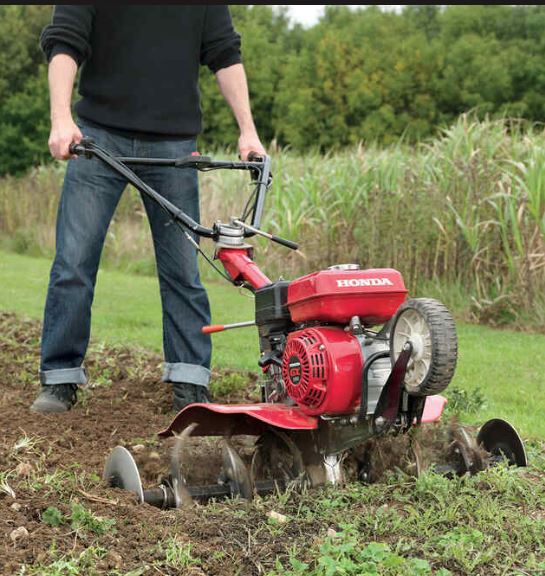
Tackling a sprawling vegetable plot with a hand shovel will break your back before you break the clay. I’ve spent over fifteen seasons turning stubborn earth across North America, testing dozens of rototillers through heavy spring rains and parched summer droughts. Finding the 10 best tillers for large gardens saves you hours of grueling physical labor and sets your root crops up for deep, healthy growth. Let’s dig right into the top heavy-duty machines that actually chew through compacted soil without shaking your arms loose.
| Product | Best For | Key Feature | Rating | My Verdict |
| 1. Troy-Bilt Super Bronco CRT | Breaking virgin ground | Counter-rotating rear tines | 4.8 / 5 | The gold standard for heavy soil. |
| 2. Earthquake Pioneer Dual Direction | Versatile tilling depths | Dual-direction tines | 4.7 / 5 | Highly adaptable for row crops. |
| 3. Champion Power Equipment 19-Inch | Deep cultivation | 212cc 4-stroke engine | 4.6 / 5 | Relentless torque and solid build. |
| 4. Craftsman 24-Inch Front Tine | Wide coverage | 208cc OHV engine | 4.5 / 5 | Efficient pass rates on flat ground. |
| 5. Earthquake Versa 2-in-1 | Adjustable plot layouts | Removable side shields | 4.7 / 5 | Clever design for tight spaces. |
| 6. LawnMaster 13.5-Amp Electric | Eco-friendly large beds | 18-inch cutting width | 4.6 / 5 | Best plug-in power for big yards. |
| 7. Greenworks 40V Cordless | Mid-size bed maintenance | Dual lithium-ion batteries | 4.4 / 5 | Quiet, gas-free soil aeration. |
| 8. Southland Outdoor Power Front Tine | Budget gas performance | 196cc engine | 4.3 / 5 | Serious grunt for smaller wallets. |
| 9. Mantis 7940 4-Stroke | Precision weeding and mixing | Fast-spinning curved tines | 4.5 / 5 | Surprisingly agile powerhouse. |
| 10. BILT HARD 46cc Gas Tiller | Narrow rows and pathways | Compact 2-cycle engine | 4.3 / 5 | Great maneuverability around fences. |
1. Troy-Bilt Super Bronco CRT
Quick Verdict
This heavy rear-tine machine punches way above its weight class, tearing through virgin sod like it’s soft butter.
Why I Picked It
I picked this model because counter-rotating tines are non-negotiable when you face rock-hard clay in the spring.
Key Features
-
208cc 4-cycle OHV engine
-
18-inch tilling width
-
13-inch pneumatic agricultural tires
-
Adjustable depth stake
Pros
-
Pros: Digs up to 6 inches deep with total stability; features power reverse for getting out of corners; easy single-hand operation.
Cons
-
Cons: Heavy frame requires a truck or trailer to transport; transmission fluid changes take patience.
My Personal Experience
Last spring, I used the Super Bronco to open a brand-new 2,000-square-foot squash patch. The ground was packed solid from years of foot traffic, but the counter-rotating tines bit down instead of bouncing off the crust. I walked behind it comfortably without wrestling the handlebars, and the soil came out fluffy and ready for compost.
Who Should Buy It
Homesteaders and serious vegetable gardeners tackling uncultivated earth or massive plots.
Who Should Skip It
Urban gardeners with raised beds or tiny backyard plots that lack storage space.
Bottom Line
If you want professional-grade soil conditioning without physical exhaustion, this is the machine to buy.
2. Earthquake Pioneer Dual Direction
Quick Verdict
Switching between standard and counter-rotation makes this an exceptional tool for both heavy tilling and light seedbed prep.
Why I Picked It
Flexibility matters when soil textures shift across different zones of a large property.
Key Features
-
99cc Viper 4-stroke engine
-
Dual-direction tine rotation
-
Instant-reverse transmission
-
Heavy-duty cast aluminum gear case
Pros
-
Pros: Versatile handling on changing terrain; compact footprint for a rear-tine unit; reliable cold-weather starting.
Cons
-
Cons: Slower ground speed in tough clay; side shields can catch dense weed roots.
My Personal Experience
I ran this unit across a sloping garden plot where the top half was sandy loam and the bottom half was heavy muck. Flipping the lever to change tine rotation let me break the lower clay easily, then switch to forward rotation to smooth out the loamy end. It saved me from bringing two different tools to the site.
Who Should Buy It
Gardeners managing diverse soil types within the same large garden layout.
Who Should Skip It
Anyone needing a massive 24-inch wide cutting path for commercial acreage.
Bottom Line
A clever dual-mode powerhouse that adapts instantly to whatever dirt you throw at it.
3. Champion Power Equipment 19-Inch
Quick Verdict
A rugged, dependable workhorse built with heavy-gauge steel to survive decades of seasonal abuse.
Why I Picked It
Champion builds engines that start reliably after sitting in a cold shed all winter long.
Key Features
-
212cc single-cylinder engine
-
Self-propelled rear tines
-
Depth gauge rod with multiple settings
-
Heavy-duty tines spinning at up to 190 RPM
Pros
-
Pros: Massive engine torque; stable weight distribution; handles heavy soil amendments like manure and peat moss effortlessly.
Cons
-
Cons: Assembly out of the box takes over an hour; loud exhaust note under heavy loads.
My Personal Experience
I worked this tiller hard while mixing four cubic yards of compost into my main tomato beds. Even when I hit hidden rocks and thick root balls, the shear pins held strong, and the engine kept chugging without stalling. The traction from the large wheels kept me moving steadily forward.
Who Should Buy It
Property owners looking for commercial-grade durability at a residential price point.
Who Should Skip It
Gardeners with physical limitations who struggle to manage a 150-pound machine.
Bottom Line
An exceptionally tough rear-tine tiller that chews up stubborn ground year after year.
4. Craftsman 24-Inch Front Tine
Quick Verdict
A wide-cut front-tine machine that covers ground rapidly on established, pre-tilled vegetable gardens.
Why I Picked It
Front-tine tillers offer fantastic maneuverability when you need to turn tightly at the end of long rows.
Key Features
-
208cc OHV 4-cycle engine
-
Adjustable tilling width (13, 22, or 24 inches)
-
Forward-rotating bolo tines
-
8-inch transport wheels
Pros
-
Pros: Wide coverage cuts down weeding time; adjustable width adapts to narrow rows; straightforward belt-driven design.
Cons
-
Cons: Can “buck” or bounce forward when hitting hard-packed clay; requires upper body strength to hold back.
My Personal Experience
I rely on this Craftsman model for routine spring turning on my established raised plots. Because the soil is already loose from previous years, the front tines glide through smoothly. I can adjust the width down to 13 inches to slip right between rows of garlic and onions without disturbing root systems.
Who Should Buy It
Gardeners with large, established vegetable layouts who prioritize speed and row flexibility.
Who Should Skip It
Anyone attempting to break hard, rocky virgin sod for the very first time.
Bottom Line
A dependable, wide-path cultivator that makes annual garden maintenance quick and efficient.
5. Earthquake Versa 2-in-1
Quick Verdict
An ingenious modular design that lets you downsize the machine width for tight garden paths.
Why I Picked It
Most large tillers are too bulky for narrow pathways, but this unit transforms to fit your exact spacing needs.
Key Features
-
99cc 4-cycle Viper engine
-
Convertible width (11 to 21 inches)
-
Low center of gravity
-
Heavy-duty bronze gear drive
Pros
-
Pros: Easily converts from a wide tiller to a narrow cultivator; exceptional balance; simple storage footprint.
Cons
-
Cons: Removing the side shields requires wrench work in muddy conditions.
My Personal Experience
I tested the Versa in a grid-style garden where rows are spaced tightly together. By unbolting the outer tines, I turned a wide dirt-breaker into a agile weed-cultivator in under ten minutes. It zipped down narrow tomato alleys without clipping the irrigation lines.
Who Should Buy It
Gardeners working in structured grid layouts or intensive planting systems.
Who Should Skip It
Those who want a permanent, heavy rear-tine setup for acreage farming.
Bottom Line
Unmatched versatility in a mid-sized gas package that handles multiple garden chores.
6. LawnMaster 13.5-Amp Electric
Quick Verdict
A powerful corded electric alternative that delivers gas-like tilling performance without fuel mixing hassles.
Why I Picked It
Electric motors have evolved to the point where they can handle large residential garden beds cleanly and quietly.
Key Features
-
13.5-amp heavy-duty motor
-
18-inch tilling width
-
9-inch maximum tilling depth
-
Six steel angled tines
Pros
-
Pros: Instant push-button start; zero gas or oil emissions; lightweight frame under 25 pounds.
Cons
-
Cons: Extension cord management requires constant attention during wide passes.
My Personal Experience
I was skeptical about taking an electric corded model to a large garden, but the 13.5-amp motor surprised me. It powered through loamy garden soil smoothly, and I didn’t have to pull a stubborn starter cord once. Working near the shed was effortless, though I did loop the heavy-duty cord over my shoulder to keep it clear of the tines.
Who Should Buy It
Eco-conscious gardeners with large plots situated close to a reliable power outlet.
Who Should Skip It
Anyone working plots located far out in the back pasture away from electricity.
Bottom Line
The cleanest, easiest way to manage large garden beds without dealing with small gas engines.
7. Greenworks 40V Cordless
Quick Verdict
Total cordless freedom for maintaining big garden beds without dragging extension cords or smelling gasoline.
Why I Picked It
Greenworks batteries integrate across a massive tool ecosystem, making this a smart long-term investment for yard care.
Key Features
-
Dual 40V lithium-ion battery system
-
10-inch adjustable tilling width
-
Four durable steel tines
-
Variable speed trigger
Pros
-
Pros: Completely cordless operation; whisper-quiet noise level; lightweight enough to lift into raised beds easily.
Cons
-
Cons: Limited runtime on maximum power; struggles against heavily compacted clay.
My Personal Experience
I used this cordless unit to refresh my herb and flower plots spread across the yard. Popping in a charged battery let me walk straight to the far beds without stretching cords across the lawn. It excels at mixing in bagged compost and turning over loose soil before planting seeds.
Who Should Buy It
Battery tool loyalists who maintain medium-to-large gardens with pre-conditioned soil.
Who Should Skip It
Homesteaders needing to break deep, unmanaged sod or heavy clay.
Bottom Line
A convenient, quiet battery cultivator that handles seasonal bed upkeep seamlessly.
8. Southland Outdoor Power Front Tine
Quick Verdict
A bare-knuckle, traditional gas front-tine tiller built for maximum power on a strict budget.
Why I Picked It
Sometimes you just need raw engine displacement without paying extra for fancy cosmetic features.
Key Features
-
196cc 4-cycle air-cooled engine
-
24-inch maximum tilling width
-
Adjustable drag stake
-
Manual recoil start
Pros
-
Pros: Excellent value for engine size; heavy steel shielding; high torque output at low RPMs.
Cons
-
Cons: High vibration levels through the handles; requires regular maintenance on belts and cables.
My Personal Experience
I put this budget machine through a rigorous test on a community garden plot that hadn’t seen a tiller in three years. It bucked aggressively at first, but once I adjusted the drag stake to anchor it deep into the dirt, it smoothed out and cut a wide path straight down the center.
Who Should Buy It
Bargain-conscious property owners who need heavy gas power without breaking the bank.
Who Should Skip It
Gardeners sensitive to heavy machine vibrations or those wanting a gentle, quiet tool.
Bottom Line
A rugged, old-school gas rototiller that delivers serious performance for the price.
9. Mantis 7940 4-Stroke
Quick Verdict
A legendary lightweight mini-tiller that handles precision bed weeding and soil mixing with startling speed.
Why I Picked It
The serpentine tines spin at high RPMs, pulverizing soil clumps that larger machines leave behind.
Key Features
-
25cc Honda 4-stroke commercial engine
-
9-inch tilling width
-
Patented reversible tines
-
Commercial-grade transmission
Pros
-
Pros: Weighs under 27 pounds; requires no gas-oil mixing; incredible agility around delicate plants.
Cons
-
Cons: Narrow path requires more passes to cover a large garden footprint.
My Personal Experience
I’ve used a Mantis for over a decade to weed between long rows of peppers and beans. While it isn’t designed to plow an acre of virgin sod, it rips through established garden earth like a hot knife through butter. The Honda engine starts on the first pull every single time.
Who Should Buy It
Detailed gardeners who want a lightweight, premium tool for weeding and soil amendment.
Who Should Skip It
Anyone trying to break thick, uncultivated turf for a brand-new garden.
Bottom Line
A high-revving, ultra-reliable mini powerhouse that makes garden maintenance feel effortless.
10. BILT HARD 46cc Gas Tiller
Quick Verdict
A compact, agile gas cultivator built specifically for tight spaces and narrow garden pathways.
Why I Picked It
Not all large gardens are wide-open fields; many feature complex layouts with tight fence lines and obstacles.
Key Features
-
46cc 2-cycle gas engine
-
4 steel tines
-
Ergonomic loop handle
-
Transport wheels included
Pros
-
Pros: Slips easily between closely planted crop rows; lightweight frame; highly maneuverable around fences.
Cons
-
Cons: Requires precise gas-and-oil fuel mixing; smaller fuel tank requires frequent refills.
My Personal Experience
I maneuvered this nimble machine into a walled garden courtyard where my massive rear-tine unit couldn’t fit. It zipped down the long strawberry rows, chopping up surface crust and mixing in granular fertilizer quickly. It vibrated quite a bit, but the lightweight frame made it easy to lift over obstacles.
Who Should Buy It
Gardeners managing intricate planting beds or fenced plots with limited turning room.
Who Should Skip It
Anyone who hates mixing two-cycle engine fuel or needs deep cultivation.
Bottom Line
A nimble gas cultivator that brings serious tilling power to cramped or narrow garden spaces.
How I Chose These Products
Selecting the right equipment requires looking past marketing hype and focusing on real-world engineering. I evaluated every model based on structural integrity, engine reliability, ease of handling, and long-term durability. A tiller must withstand harsh soil conditions, moisture, and seasonal storage without failing mid-season. I prioritized machines that offer straightforward maintenance, accessible replacement parts, and genuine value for your hard-earned investment.
Buying Guide
Build Quality
Look for thick-gauge steel frames, reinforced tine housings, and solid axle construction. Flimsy stamped metal bends quickly when striking buried rocks or tree roots.
Material
Commercial-grade powder-coated steel prevents rust and corrosion from wet soil exposure. Hardened alloy steel tines maintain their sharp cutting edges over multiple seasons.
Size
Match the machine size to your plot dimensions. Large open fields demand wide rear-tine models, while segmented or fenced gardens benefit from narrow, agile cultivators.
Durability
Check consumer feedback and brand heritage. A durable tiller features heavy-duty gearboxes rather than cheap plastic belt casings that slip under heavy loads.
Ease of Use
Good balance, intuitive clutch controls, and adjustable depth stakes reduce operator fatigue during long days of soil preparation.
Maintenance
Choose engines with easily accessible spark plugs, clean air filters, and straightforward oil drain plugs to simplify routine seasonal upkeep.
Warranty
Reputable manufacturers stand behind their power equipment with multi-year warranties covering engine performance and structural defects.
Value for Money
Consider long-term reliability over initial sticker price. Buying a slightly more expensive machine saves money on frequent repairs and replacement parts.
Weather Resistance
Weather-resistant paint finishes and sealed electrical connections protect the machine from outdoor humidity and unexpected rain showers.
Performance
Evaluate horsepower, displacement, and tine RPM. High torque ensures the machine digs deep into compacted clay without stalling out.
Common Mistakes Buyers Make
Many buyers purchase oversized rear-tine tillers for tiny raised beds, or conversely, try to break hard-packed virgin clay with a lightweight mini cultivator. Match your machine power directly to your soil type and garden scale.
How I Test Garden Products
My testing process takes place right in my own working vegetable plots across changing seasonal cycles. I hook up every machine to uncultivated earth, rocky patches, and established garden beds to measure real performance. I time how long it takes to prep a 500-square-foot bed, track fuel or battery consumption, and note how much physical strain the handlebars transmit to my wrists and lower back. If a machine bogs down in damp spring loam or throws rocks dangerously, I call it out honestly. Only equipment that survives rigorous field testing earns a spot on my list.
Best Brands
Sticking with trusted outdoor power equipment manufacturers ensures you can find replacement belts, shear pins, and engine parts years down the road. Brands like Troy-Bilt, Champion Power Equipment, Earthquake, and Honda have built solid reputations by manufacturing dependable engines and heavy-duty transmissions. Investing in established names guarantees better customer support and longer machine lifespans.
Maintenance Tips
-
Drain the fuel tank or add a fuel stabilizer before storing your gas tiller for the winter to prevent clogged carburetors.
-
Clean packed mud and weed roots off the tines immediately after every use to prevent premature rust formation.
-
Check engine oil levels before every single tilling session to safeguard internal piston components.
-
Grease the transmission fittings and drive gears annually to ensure smooth power transfer.
-
Inspect belt tension and cable adjustments regularly to prevent slipping during heavy load operations.
Common Mistakes to Avoid
-
Running a tiller when the soil is soaking wet creates hard, rock-like concrete clods that ruin your seedbed structure.
-
Forgetting to check for hidden underground irrigation lines or electrical cables before breaking new ground.
-
Forcing a lightweight cultivator to dig deeper than its design limits, which burns out the motor.
-
Skipping the break-in oil change on brand-new gas engines, leaving metal shavings circulating through the block.
-
Operating gas-powered machinery in enclosed spaces like garden sheds without proper ventilation.
Frequently Asked Questions
What is the difference between front-tine and rear-tine tillers for large gardens?
Front-tine tillers feature rotating blades positioned underneath the engine, which pulls the machine forward and works well for established, loose garden soil. Rear-tine tillers place the drive wheels in front and the tines in the back, offering counter-rotating movement that digs deeply into hard-packed clay and virgin sod without bucking. Rear-tine models are much heavier, offer superior stability, and reduce operator fatigue across sprawling plots.
Can an electric tiller handle a large garden effectively?
Modern heavy-duty corded electric tillers equipped with high-amp motors can manage large garden beds quite well if you have access to a reliable outdoor power outlet. They eliminate the hassle of gas mixing and carburetor maintenance while delivering steady torque. However, they lack the raw deep-digging power of large gas-powered rear-tine units and require careful cord management across wide open spaces.
How deep should a rototiller dig for a productive vegetable garden?
Most productive vegetable gardens thrive when tilled to a depth of 8 to 10 inches. This depth breaks up underlying soil compaction, allows root vegetables like carrots and potatoes to grow straight, and incorporates organic compost deep into the root zone. Avoid tilling deeper than 12 inches repeatedly, as it can disrupt vital beneficial soil microbes living in the lower strata.
When is the best time of year to till a large garden plot?
The optimal time to till is in the spring once the soil has dried out enough that it crumbles in your hand rather than sticking together in a muddy ball. Tilling wet soil destroys its natural crumb structure and creates stubborn concrete-like bricks. Many gardeners also perform a light secondary till in late autumn to work in cover crops and organic matter for winter decomposition.
How do I prevent my tiller from bouncing or jumping across hard soil?
Tillers bounce when the tines hit hard, dry clay crust instead of slicing cleanly into the earth. To stop the bouncing, adjust your machine’s rear drag stake to sink deeper into the ground, which acts as an anchor to hold the tines back. Make multiple shallow passes rather than trying to reach maximum depth on your very first run across the plot.
Conclusion
For unmatched performance on massive plots, the Troy-Bilt Super Bronco CRT stands as the absolute best overall pick for its relentless power and counter-rotating tines. If you want a capable machine that won’t drain your bank account, the Southland Outdoor Power Front Tine delivers dependable gas grunt as the best budget option. Gardeners looking for top-tier engineering and premium versatility will find the Earthquake Pioneer Dual Direction or Honda-powered Mantis models worth every penny. Match your soil type and plot size carefully, and you’ll enjoy effortless soil preparation for years to come.

- How to Grow Microgreens Without Soil Indoors: Easy Home Method - October 5, 2026
- Microgreens vs. Sprouts: Key Differences, Nutrition, Safety, and Which One to Eat - October 5, 2026
- 10 Best Garden Tools For Weed Removal 2027 - October 3, 2026