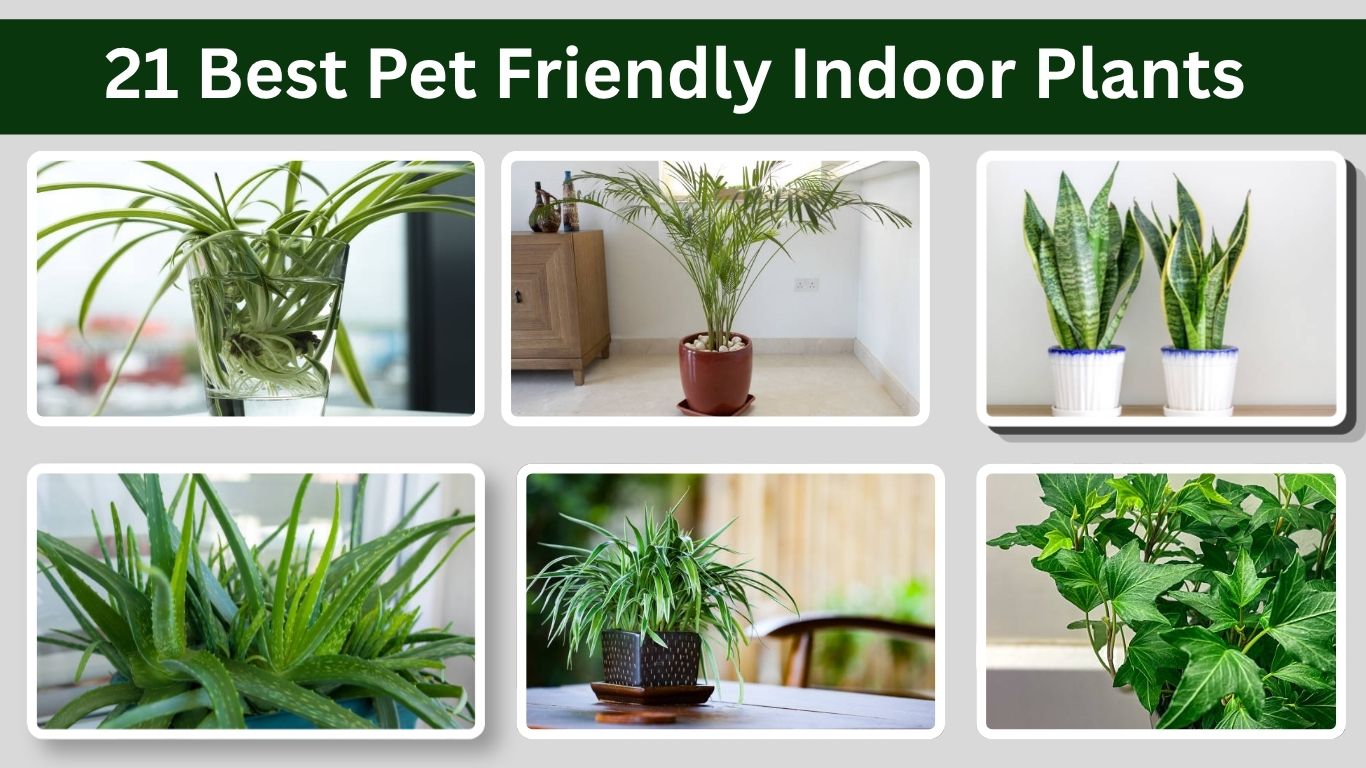
Bedroom plants improve air feel, reduce stress, and make the room more calm and natural. Many indoor plants grow well in low light and need little care, which suits bedroom spaces. Some plants also help control humidity and remove indoor pollutants. Choosing the right plants matters because bedrooms need safe, quiet, and low-maintenance greenery. This list includes 20 bedroom plants that fit different room sizes, lighting levels, and care needs. You can use them to create a fresh sleeping environment without heavy upkeep.
1. Spider Plant
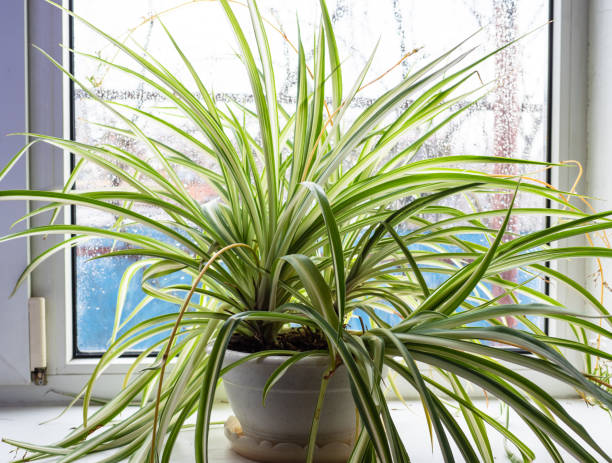
Spider plant is a beginner-friendly indoor plant known for fast growth and easy care. It adapts to different indoor environments and survives with minimal attention. Its long striped leaves make it ideal for decorative hanging setups. It is widely used in homes with pets because it is considered non-toxic. This plant works well for people who want greenery without complex maintenance.
Light Requirements
Spider plant grows best in bright, indirect light. It can also survive in moderate light, but growth becomes slower. Direct sunlight can cause leaf burn and brown tips. Indoor placement near windows with filtered light works best. Rotating the plant helps even leaf growth on all sides. It adjusts well to indoor lighting changes, making it reliable for beginners. Poor light reduces its vibrant leaf color and slows down new shoot development.
Watering and Soil Needs
Water spider plant when the top soil becomes dry. Overwatering leads to root rot, so drainage is important. Use a pot with drainage holes and light soil mix. It prefers slightly dry conditions over constant moisture. During warm months, watering frequency increases. In winter, reduce watering. Clean water helps prevent leaf tip browning. Proper watering keeps leaves healthy and supports faster growth.
Placement and Pet Safety
Spider plant fits well in hanging baskets, shelves, and corners. It adds movement and freshness to indoor spaces. It is safe for cats and dogs, making it suitable for pet households. Pets may chew leaves, but it does not cause serious harm. Regular trimming keeps the plant neat and healthy. It improves room appearance while maintaining safety in shared spaces.
Common Problems
- Brown leaf tips from fluoride or dry air
- Root rot from overwatering
- Slow growth in low light
- Dust buildup on leaves
- Weak leaves from poor drainage
2. Parlor Palm

Parlor palm is a slow-growing indoor plant with a soft tropical appearance. It is popular for shaded rooms because it survives in low light conditions. It requires little maintenance and works well in offices and apartments. It is also safe for pets, making it a common decorative choice for indoor environments.
Light Conditions
Parlor palm grows in low to medium indirect light. It does not need direct sunlight and performs well in shaded areas. Strong sunlight can damage leaves and cause dryness. It is suitable for hallways, corners, and indoor rooms with limited natural light. Growth remains slow but steady under proper conditions. Artificial lighting can also support its survival in darker spaces.
Watering Needs
Keep soil slightly moist but avoid waterlogging. Overwatering causes yellow leaves and root issues. Allow top soil to dry before watering again. Reduce watering during colder months. Good drainage is essential for healthy roots. Mist leaves occasionally to support humidity. Consistent watering routine keeps plant stable and green.
Indoor Use and Safety
Parlor palm creates a calm, soft green indoor atmosphere. It is often used in floor pots for decoration. It is safe for pets and widely recommended for households with animals. It does not produce harmful substances. It fits modern interior designs and adds natural balance to empty corners.
Maintenance Tips
- Remove dry leaves regularly
- Rotate plant for even growth
- Clean leaves gently
- Avoid strong sunlight exposure
- Use light fertilizer during growth season
3. African Violet
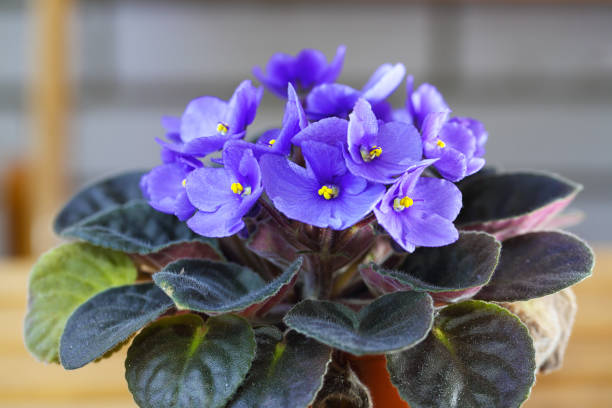
African violet is a compact flowering plant known for colorful indoor blooms. It is widely used for decoration because it flowers multiple times a year under proper care. It is safe for pets and suitable for small indoor spaces like desks and windowsills.
Light Requirements
African violet needs bright but indirect light. Direct sunlight damages leaves and reduces flowering. Stable lighting helps continuous bloom cycles. It grows well near east or north-facing windows. Artificial indoor lights also support growth. Light balance directly affects flower quality and frequency.
Watering Method
Water at soil level or from the bottom tray. Avoid wet leaves because they cause spotting and disease. Soil should remain lightly moist, not soggy. Overwatering reduces flowering and weakens roots. Consistent watering supports healthy blooms.
Flowering and Care
Remove dead flowers to encourage new buds. Use mild fertilizer during growth periods. Keep temperature stable for better flowering results. Small pots improve bloom performance. Clean leaves gently to avoid dust buildup.
Pet Safety and Use
- Safe for cats and dogs
- Ideal for decorative indoor display
- Works well on windowsills
- Adds color to small spaces
- Easy to maintain flowering plant
4. Peperomia

Peperomia is a compact indoor plant with thick decorative leaves. It suits small spaces and requires minimal care. It is popular for desks and shelves. It is also safe for pets, making it a practical indoor option for homes with animals.
Light Preference
Peperomia grows best in bright, indirect light. It tolerates moderate light but avoids direct sunlight. Too much sun damages leaf texture and color. It adapts well to indoor lighting conditions. Growth remains steady under stable light environments.
Watering Needs
Peperomia stores water in leaves. It requires less frequent watering. Allow soil to dry between watering cycles. Overwatering causes root rot. Use light, well-draining soil for best results. Watering control is key for healthy growth.
Leaf Types and Appearance
Peperomia includes many varieties with unique leaf patterns. Some have striped leaves, others have thick glossy surfaces. This variety makes it visually attractive indoors. It adds texture and color to small spaces.
Pet Safety and Benefits
- Safe for pets
- Low maintenance indoor plant
- Fits small apartments and desks
- Requires minimal pruning
- Long-lasting decorative plant
5. Money Tree
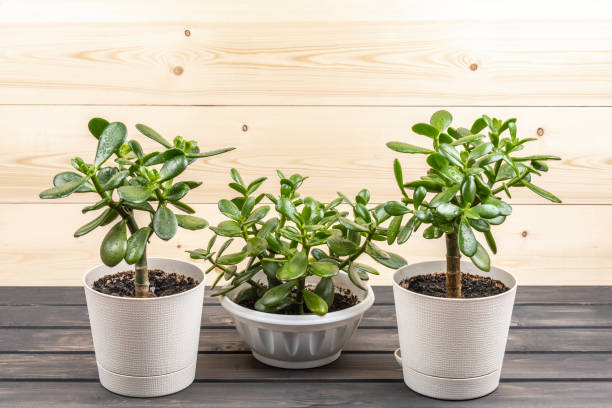
Money tree is a popular indoor plant known for its braided trunk and glossy green leaves. It is widely used in home decoration because it adds structure and visual focus to living spaces. It is also considered safe for pets, making it suitable for households with cats and dogs. This plant grows well indoors and does not require complex care routines.
Light Requirements
Money tree grows best in bright, indirect light. It can tolerate moderate light but should not be placed in direct sunlight because leaves may scorch. Indoor placement near windows with filtered light works well. Too little light slows growth and causes leaf drop. Rotating the plant ensures even growth on all sides. Stable lighting helps maintain healthy green color and strong leaf structure over time.
Watering and Soil Care
Water money tree when the top layer of soil becomes dry. Overwatering is a common problem and leads to root rot. Use a pot with proper drainage and light soil mix. During warm months, watering frequency increases slightly. In colder seasons, reduce watering. Avoid letting water sit in the pot tray. Balanced moisture keeps leaves firm and prevents yellowing.
Placement and Indoor Use
Money tree works well in living rooms, offices, and entryways. It is often used as a decorative focal plant. Its braided trunk adds a unique design element to interiors. It is considered safe for pets, so it fits well in family homes. Keep it away from heavy foot traffic areas to avoid damage. Regular leaf cleaning helps maintain shine and healthy appearance.
Common Issues
- Yellow leaves from overwatering
- Leaf drop from low light
- Dry tips from low humidity
- Slow growth in poor soil
- Weak stems from lack of drainage
6. Calathea
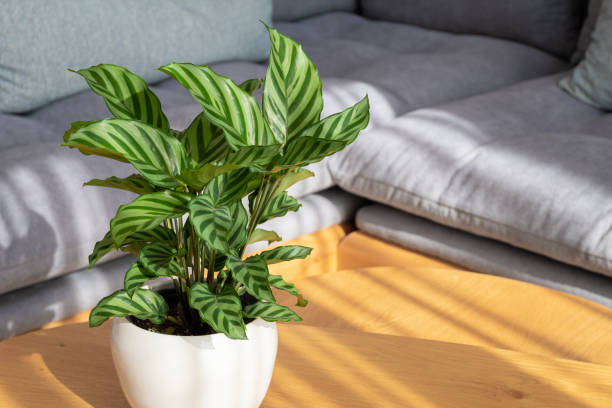
Calathea is a decorative indoor plant known for its bold leaf patterns and colors. It is often used in modern interior design because of its visual appeal. It is also pet-safe, making it suitable for homes with animals. Calathea requires stable care conditions and responds strongly to environmental changes.
Light Requirements
Calathea prefers low to medium indirect light. Direct sunlight can damage leaves and fade patterns. It grows best in shaded indoor areas with consistent lighting. Artificial light can also support growth in low-light homes. Sudden changes in light conditions may stress the plant. Stable lighting helps maintain leaf patterns and healthy growth. It is not suitable for bright sunny windows.
Watering and Humidity Needs
Calathea needs consistently moist soil but should not be waterlogged. It prefers high humidity environments. Dry air can cause leaf curling and browning. Water with filtered or clean water for best results. Mist leaves occasionally to maintain humidity. Good moisture balance keeps leaves soft and vibrant. Inconsistent watering causes stress and weak growth.
Indoor Decoration Value
Calathea adds strong visual texture to indoor spaces. Its patterned leaves create a decorative impact in living rooms and bedrooms. It works well in modern interiors and shaded corners. It is safe for pets, making it a reliable decorative choice. Keep it in stable indoor conditions for best appearance. Avoid moving it frequently.
Care Problems
- Leaf curling from dry air
- Faded patterns from strong light
- Brown edges from poor humidity
- Slow growth from unstable watering
- Root stress from overwatering
7. Hoya
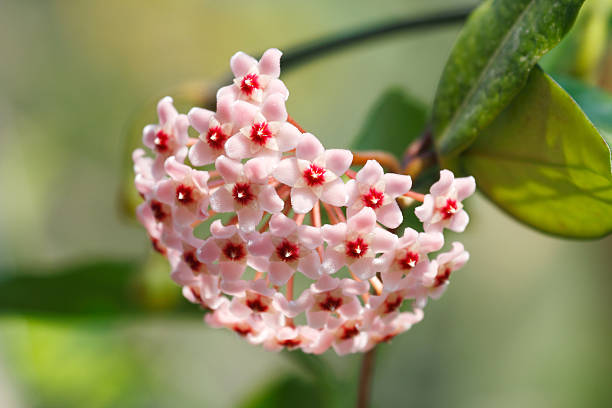
Hoya is a trailing indoor plant known for waxy leaves and star-shaped flowers. It is popular in hanging baskets and decorative plant setups. It is considered safe for pets and works well in indoor environments. Hoya grows slowly but produces attractive blooms under proper care.
Light Requirements
Hoya grows best in bright, indirect light. It can tolerate moderate light but flowers better with good brightness. Direct sunlight may damage leaves. Stable light conditions help flowering. It is ideal for hanging near windows with filtered light. Insufficient light reduces flower production and slows growth.
Watering and Soil Care
Hoya prefers dry conditions between watering. Overwatering damages roots and reduces growth. Use well-draining soil to avoid moisture buildup. Water only when soil becomes dry. Reduce watering during cooler months. This plant handles drought better than excess moisture. Proper watering supports healthy leaves and flowers.
Flowering and Growth
Hoya produces star-shaped flowers in clusters. Flowering depends on light and maturity. It grows as a trailing vine, making it suitable for hanging pots. It can spread across shelves or supports. Patience is required because growth is slow but long-lasting.
Pet Safety and Use
- Safe for cats and dogs
- Ideal for hanging baskets
- Decorative flowering plant
- Low water requirement
- Long-lasting indoor plant
8. Boston Fern
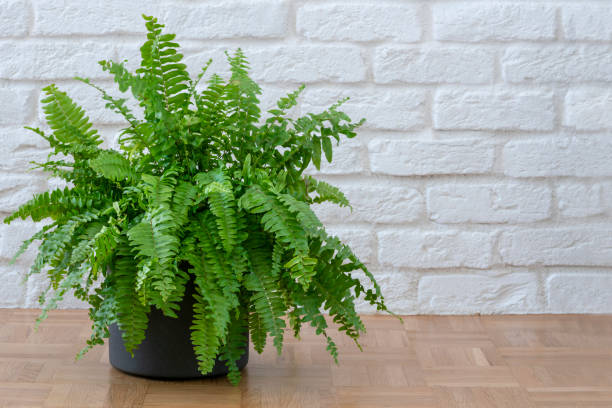
Boston fern is a lush green indoor plant known for its full and soft fronds. It is commonly used in indoor decoration because it creates a fresh and natural look. It is non-toxic for pets and grows well in humid environments. It is suitable for bathrooms and shaded indoor spaces.
Light Requirements
Boston fern prefers indirect light and shaded areas. Direct sunlight dries out its leaves quickly. It grows best in filtered light conditions. Low light areas with humidity support healthy growth. Avoid placing it in hot, dry locations.
Watering and Humidity Needs
Boston fern needs consistent moisture and high humidity. Soil should stay lightly moist at all times. Dry air causes leaf drop and browning. Regular misting helps maintain leaf freshness. It performs best in humid indoor spaces like kitchens and bathrooms.
Appearance and Indoor Use
This plant creates a dense green texture that enhances indoor decoration. It works well in hanging pots and stands. It is safe for pets, making it a good choice for family homes. It adds softness and natural greenery to interiors.
Care Issues
- Leaf drop from dryness
- Brown fronds from low humidity
- Weak growth from poor light
- Root stress from dry soil
- Dust buildup on leaves
9. Areca Palm

Areca palm is a popular tropical indoor plant known for its tall and graceful fronds. It is widely used in home interiors because it creates a fresh and natural atmosphere. It is also safe for pets and fits well in larger indoor spaces.
Light Requirements
Areca palm grows best in bright, indirect light. It can tolerate partial shade but grows faster in good lighting. Direct sunlight may scorch leaves. Balanced lighting supports strong and healthy fronds. Rotate plant regularly for even growth.
Watering and Soil Needs
Keep soil lightly moist but avoid overwatering. Drainage is important to prevent root rot. Water more in summer and less in winter. Mist leaves occasionally for humidity. Consistent watering supports healthy growth.
Indoor Use and Placement
Areca palm is ideal for living rooms, hallways, and entry spaces. It works as a floor plant and adds height to interiors. It is safe for pets and commonly used in family homes. It improves indoor air feel and decoration.
Care Problems
- Yellow leaves from overwatering
- Dry tips from low humidity
- Slow growth in low light
- Weak fronds from poor soil
- Dust on leaves reduces shine
10. Orchids
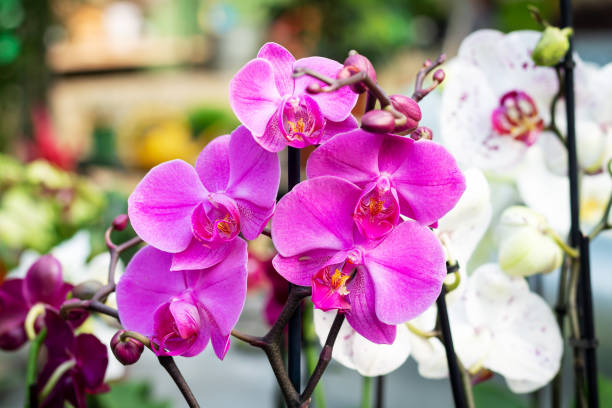
Orchids are elegant flowering indoor plants known for long-lasting blooms. They are widely used for decoration and are considered safe for pets. Orchids require stable care but reward with beautiful flowers. They are suitable for desks, tables, and display areas.
Light Requirements
Orchids need bright but indirect light. Direct sunlight damages flowers and leaves. East-facing windows work best. Stable lighting supports long blooming periods. Too little light reduces flower production.
Watering and Root Care
Orchids need careful watering. Roots should dry slightly between watering. Overwatering causes root rot. Use orchid-specific potting mix for airflow. Water once or twice a week depending on climate. Proper drainage is essential.
Flowering and Maintenance
Orchids can bloom for several weeks under proper care. Remove dry flower stems to support new blooms. Keep temperature stable for better flowering cycles. They require minimal pruning.
Pet Safety and Benefits
- Safe for pets
- Decorative flowering plant
- Long bloom duration
- Suitable for indoor display
- Adds elegance to interiors
11. Ponytail Palm

Ponytail palm is a unique indoor plant known for its bulb-like trunk and long curly leaves. It is a slow-growing plant that fits well in modern interiors. It is considered safe for pets and works well in homes with cats and dogs. Its unusual shape makes it a decorative focal point in living rooms and offices. It requires minimal care and suits beginners who want a low-maintenance plant with strong visual appeal.
Light Requirements
Ponytail palm grows best in bright, indirect light. It can tolerate some direct sunlight but prefers filtered light for long-term health. Low light slows growth and reduces leaf strength. It adapts well to indoor environments with stable lighting. Rotating the plant helps maintain even leaf direction. It is suitable for sunny indoor corners where light is not too harsh.
Watering and Soil Needs
This plant stores water in its trunk, so it needs infrequent watering. Overwatering is the main cause of damage. Allow soil to dry completely before watering again. Use sandy or well-draining soil for best results. In winter, reduce watering further. Dry conditions are better than excess moisture for this plant.
Appearance and Indoor Use
Ponytail palm adds a sculptural look to indoor spaces. It works well on floors, tables, and decorative corners. It is safe for pets, making it suitable for shared spaces. Its long leaves create movement and visual interest. It requires little pruning and stays attractive for years.
Care Problems
- Root rot from overwatering
- Slow growth in low light
- Leaf browning from poor drainage
- Weak structure from excess moisture
- Dust buildup on leaves
12. Chinese Money Plant

Chinese money plant is a popular indoor plant known for its round, coin-shaped leaves. It is widely used in modern home decoration because of its clean and minimal look. It is considered pet-safe and fits well in small indoor spaces. It grows quickly under proper conditions and is easy to propagate, making it a favorite for beginners.
Light Requirements
Chinese money plant grows best in bright, indirect light. Direct sunlight can scorch leaves and cause fading. It adapts well to indoor lighting conditions but grows faster with good brightness. Rotating the plant helps maintain symmetrical growth. Low light causes leggy stems and weak leaf development.
Watering and Soil Care
Water when the top layer of soil becomes dry. Avoid overwatering because roots are sensitive to moisture buildup. Use well-draining soil and a pot with drainage holes. Consistent but moderate watering supports healthy leaf growth. Reduce watering during colder months to prevent root issues.
Indoor Decoration Value
This plant is widely used for shelves, desks, and small tables. Its round leaves create a modern decorative effect. It is safe for pets and suitable for apartments. It grows compactly and does not take much space. Regular leaf cleaning keeps it visually fresh.
Care Problems
- Drooping leaves from overwatering
- Stretching stems from low light
- Yellow leaves from poor drainage
- Slow growth in dark spaces
- Weak stems from inconsistent watering
13. Prayer Plant
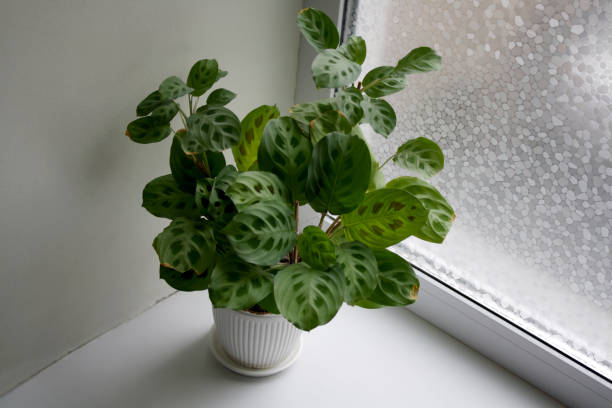
Prayer plant is known for its patterned leaves and daily leaf movement. Leaves fold upward at night, which gives it a unique behavior among indoor plants. It is often grouped with Calathea and is safe for pets. It is used in decorative indoor setups because of its striking leaf designs and color patterns.
Light Requirements
Prayer plant prefers low to medium indirect light. Direct sunlight damages leaves and fades patterns. It grows best in stable indoor lighting with no harsh exposure. Artificial lighting can support growth in low-light homes. Consistent light helps maintain leaf color and movement.
Watering and Humidity Needs
This plant needs consistently moist soil but not waterlogged conditions. High humidity supports healthy growth and prevents leaf curling. Dry air causes browning and stress. Use filtered water if possible. Mist leaves regularly to maintain moisture balance. Stable watering improves plant health.
Decorative Features
Prayer plant is valued for its moving leaves and colorful patterns. It fits well in bedrooms and living rooms. It is safe for pets and adds visual interest to indoor spaces. It works well in decorative plant collections and mixed plant setups.
Care Problems
- Leaf curling from dry air
- Faded patterns from strong light
- Brown edges from low humidity
- Weak growth from inconsistent watering
- Root stress from poor drainage
14. Polka Dot Plant
Polka dot plant is a colorful indoor plant known for its spotted leaves. It adds bright tones such as pink, red, and white to indoor spaces. It is pet-safe and commonly used in decorative plant arrangements. It grows best in compact spaces and works well in pots and small containers.
Light Requirements
Polka dot plant needs bright, indirect light to maintain leaf color. Low light reduces vibrancy and makes colors fade. Direct sunlight can damage leaves. It performs best in stable indoor lighting conditions. Rotating the plant helps even growth and balanced color distribution.
Watering and Soil Needs
Keep soil slightly moist but not soggy. Dry soil causes leaf drop and weak growth. Overwatering leads to root issues. Use light soil with good drainage. Regular but moderate watering supports healthy foliage. Humidity improves plant color and strength.
Indoor Use and Appearance
This plant is ideal for small decorative pots, desks, and shelves. It adds a playful and colorful touch to interiors. It is safe for pets and suitable for family homes. It is often used in mixed plant displays for contrast.
Care Problems
- Faded colors from low light
- Leaf drop from dry soil
- Root rot from overwatering
- Weak stems from poor lighting
- Short lifespan without pruning
15. Cast Iron Plant
Cast iron plant is one of the toughest indoor plants available. It is known for surviving low light, irregular watering, and general neglect. It is safe for pets and widely recommended for beginners. It works well in difficult indoor conditions where other plants struggle.
Light Tolerance
Cast iron plant grows in low to medium light. It does not require direct sunlight and performs well in shaded areas. It is suitable for hallways, corners, and offices. It tolerates artificial light and remains stable in poor lighting conditions. Growth is slow but consistent.
Watering and Maintenance
This plant prefers slightly dry conditions. Overwatering should be avoided because it can damage roots. Water when soil is dry to touch. It requires minimal fertilizing and little pruning. Its strong structure makes it easy to maintain long-term.
Indoor Strength and Use
Cast iron plant is often used in low-maintenance indoor setups. It fits homes, offices, and rental spaces. It is safe for pets and extremely durable. It maintains green leaves even with neglect. It is ideal for beginners who want reliability.
Care Problems
- Yellow leaves from overwatering
- Slow growth in very dark areas
- Dust buildup on leaves
- Weak roots from poor drainage
- Stress from frequent repotting
16. Baby’s Tears
Baby’s tears is a soft trailing plant with tiny round leaves that form a dense green carpet. It is widely used in terrariums and hanging containers because of its delicate texture. It is considered non-toxic for pets, making it suitable for homes with cats and dogs. Its fast-spreading growth creates a natural decorative effect indoors. It works best in humid environments where moisture levels remain stable. This plant is often chosen for decorative layering in indoor plant arrangements.
Light Requirements
Baby’s tears prefers bright, indirect light. Direct sunlight can dry out its delicate leaves and reduce density. It grows well in filtered light near windows. Low light slows growth and makes the plant thin and weak. Stable lighting supports compact and healthy foliage. It is commonly used in terrariums where light conditions remain controlled and balanced.
Watering and Humidity Needs
This plant needs consistently moist soil. Dry soil quickly causes wilting and damage. High humidity supports strong growth and dense leaf coverage. It performs best in environments like bathrooms or enclosed glass containers. Regular misting helps maintain moisture levels. Avoid letting soil dry completely because recovery becomes difficult.
Indoor Use and Appearance
Baby’s tears creates a soft green carpet effect in pots and containers. It is used in hanging baskets and terrariums for decorative layering. It is safe for pets and works well in small indoor setups. It spreads quickly, so occasional trimming helps maintain shape. It adds texture to plant collections.
Care Problems
- Dry soil damage
- Thin growth in low light
- Yellow leaves from poor humidity
- Overgrowth in small containers
- Root stress from inconsistent watering
17. Bromeliad
Bromeliad is a tropical indoor plant known for its bright, long-lasting flower bracts. It adds strong color to indoor spaces and is widely used as a decorative accent plant. Many bromeliad types are considered pet-safe and suitable for homes with cats and dogs. It grows well in indoor environments with stable conditions and minimal maintenance.
Light Requirements
Bromeliad grows best in bright, indirect light. Direct sunlight can fade colors and damage leaves. It adapts well to indoor lighting and performs well near windows with filtered light. Low light reduces flower quality and slows growth. Stable lighting helps maintain bright coloration and healthy structure.
Watering and Growth Needs
Bromeliads store water in their central cup, so watering should focus on filling this area lightly. Soil should stay slightly moist but not soaked. Overwatering soil can cause root rot. Proper drainage is essential. Water quality also matters because clean water prevents damage.
Decorative Use
Bromeliad is used as a bold accent plant in living rooms and office spaces. Its bright colors make it a focal point in interiors. It is safe for pets and works well in decorative arrangements. It requires little maintenance after flowering and maintains visual appeal for weeks.
Care Problems
- Faded bracts from low light
- Rot from overwatering
- Dry leaf tips from low humidity
- Weak growth in dark spaces
- Short lifespan after bloom cycle
18. String of Hearts
String of hearts is a trailing indoor plant with small heart-shaped leaves. It is popular in hanging pots and shelves due to its delicate and elegant look. It is considered pet-safe and widely used in modern plant styling. It grows in long vines and creates a soft decorative effect indoors.
Light Requirements
String of hearts prefers bright, indirect light. It can handle some direct sun but performs best in filtered light. Low light causes weak growth and fewer leaves. Consistent lighting supports long vine development. It is often placed near windows where light is stable.
Watering and Soil Needs
This plant prefers dry conditions between watering. Overwatering can quickly damage roots. Use well-draining soil and avoid water retention. Water only when soil is fully dry. It is drought tolerant and stores moisture in its vines and tubers.
Indoor Decoration Value
String of hearts is widely used in hanging baskets and wall displays. Its trailing vines create a flowing decorative effect. It is safe for pets and ideal for compact indoor spaces. It adds elegance to modern home interiors and plant shelves.
Care Problems
- Root rot from overwatering
- Weak vines from low light
- Leaf drop from poor drainage
- Slow growth in dark areas
- Thin vines from lack of nutrients
19. Christmas Cactus
Christmas cactus is a seasonal flowering indoor plant known for blooming during cooler months. It is widely used for festive decoration and is considered safe for pets. It grows well indoors and produces colorful flowers under proper care. It is a long-lasting plant that can bloom every year.
Light Requirements
Christmas cactus prefers bright, indirect light. Direct sunlight can damage its segmented stems. It performs well near windows with filtered light. Stable lighting supports healthy bud formation. Too little light reduces flowering performance.
Watering and Seasonal Care
Water moderately and allow soil to dry slightly between watering. Overwatering leads to root damage. Reduce watering after blooming season. It requires well-draining soil to stay healthy. Seasonal changes affect watering needs significantly.
Flowering and Use
This plant produces bright flowers in winter or holiday seasons. It is used for indoor decoration during festive periods. It is safe for pets and suitable for living rooms and dining areas. It can live for many years with proper care.
Care Problems
- Bud drop from stress
- Root rot from excess water
- Weak flowering from low light
- Wrinkled stems from dehydration
- Slow bloom cycle in poor conditions
20. Fittonia
Fittonia is a small decorative plant known for its striking vein patterns on leaves. It is often called nerve plant or mosaic plant. It is pet-safe and commonly used in small pots, terrariums, and bathroom setups. It thrives in humid indoor environments and adds strong visual detail.
Light Requirements
Fittonia prefers low to medium indirect light. Direct sunlight damages leaves and fades patterns. It grows well in shaded indoor areas. Artificial light can support growth in low-light homes. Stable lighting helps maintain color contrast.
Watering and Humidity Needs
This plant needs consistently moist soil and high humidity. Dry conditions cause wilting quickly. Regular misting helps maintain leaf health. Bathrooms and kitchens are ideal locations due to humidity levels. Soil should never fully dry out.
Indoor Decoration Use
Fittonia is widely used in small pots and terrariums. Its vein patterns create strong visual contrast. It is safe for pets and suitable for compact spaces. It adds detail to plant collections and decorative arrangements.
Care Problems
- Wilting from dry soil
- Faded patterns from strong light
- Leaf curl from low humidity
- Weak growth from inconsistent watering
- Root stress from poor drainage
FAQ
1. Which pet-friendly indoor plant is easiest for beginners
Spider plant and cast iron plant are the easiest. They survive low care, irregular watering, and different light conditions. Spider plant grows faster. Cast iron plant survives neglect better.
2. Can pet-safe plants still harm pets
Yes. “Pet-safe” means non-toxic, not harmless. Pets can still get mild stomach upset if they eat large amounts. Keep plants out of chewing range.
3. Which pet-friendly plants grow well in low light
Parlor palm, cast iron plant, and calathea perform well in low light. These plants adapt to shaded rooms and indoor corners without strong sunlight.
4. Do pet-friendly plants need special soil
Yes. Most indoor plants need well-draining soil. Heavy soil holds water and causes root rot. Use light potting mix with drainage holes for best results.
5. Which pet-safe plant gives flowers indoors
African violet, orchid, Christmas cactus, and bromeliad produce indoor flowers. They need stable light and correct watering to bloom consistently.
Conclusion
Pet-friendly indoor plants give safe greenery without risking cats and dogs. Spider plant, parlor palm, and cast iron plant work for easy care. Calathea and fittonia add strong decorative leaf patterns. Flowering options like orchid and African violet improve indoor color. Trailing plants like string of hearts and baby’s tears help with shelves and hanging displays.
Choose plants based on your space, light level, and maintenance time. Match low-light rooms with tolerant plants and bright rooms with flowering varieties. A balanced mix creates a safe, green, and visually rich indoor environment for both you and your pets.

- How to Grow Microgreens Without Soil Indoors: Easy Home Method - October 5, 2026
- Microgreens vs. Sprouts: Key Differences, Nutrition, Safety, and Which One to Eat - October 5, 2026
- 10 Best Garden Tools For Weed Removal 2027 - October 3, 2026