10 Best Garden Drainage Pump For Stormwater 2026
Heavy storms can wreck a garden fast. I have seen flooded patios and eroded beds ruin months of landscaping work. Poor drainage weakens foundations and creates dangerous slip zones. A reliable setup redirects that excess water before the damage starts.
My read is that the right stormwater pump needs power, simple installation, and real durability. I would look at submersible pumps with high flow ratings first. Corrosion-resistant materials matter just as much for long-term use. Accessories like catch basins and silt socks handle the tricky terrain issues.
⚡ Quick Verdict
List of Best Garden Drainage Pump For Stormwater
| Image | Product | Score | Link |
|---|---|---|---|
 |
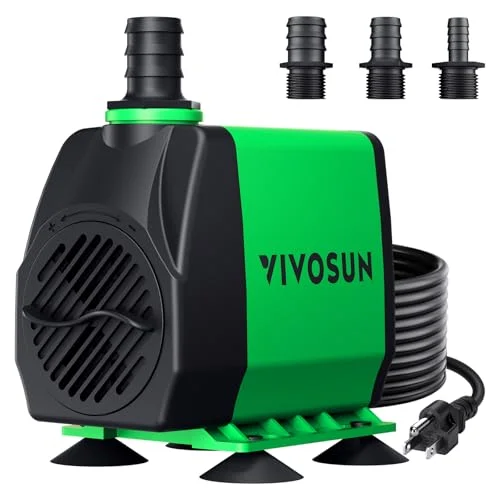
Submersible Sump Pump for Pool Pond Garden, 370 W (US Plug) 🏆 Editor’s Pick |
9.3/10 |
View on Amazon Free Shipping & 30-Day Returns |
 |
GLDGJMZ Stainless Steel Decorative Manhole Cover, Heavy Duty | 9.3/10 |
View on Amazon Free Shipping & 30-Day Returns |
 |
Drainage Emitter 4 Inch Built-in Grille Cover Outdoor | 9.0/10 |
View on Amazon Free Shipping & 30-Day Returns |
 |
Peach Country Silt Sock Sediment and Erosion Control Managem 💰 Best Value |
8.8/10 |
View on Amazon Free Shipping & 30-Day Returns |
|
GLDGJMZ Stainless Steel Decorative Manhole Cover, Heavy Duty | 8.8/10 |
View on Amazon Free Shipping & 30-Day Returns |
|
GLDGJMZ Stainless Steel Decorative Manhole Cover, Heavy Duty 🥈 Runner-Up |
8.5/10 |
View on Amazon Free Shipping & 30-Day Returns |
|
GLDGJMZ Stainless Steel Decorative Manhole Cover, Heavy Duty | 8.5/10 |
View on Amazon Free Shipping & 30-Day Returns |
|
GLDGJMZ Stainless Steel Decorative Manhole Cover, Heavy Duty | 8.5/10 |
View on Amazon Free Shipping & 30-Day Returns |
|
Peach Country (C-18″ X 50 Feet) Sock Sediment and Erosion Co | 8.5/10 |
View on Amazon Free Shipping & 30-Day Returns |
 |
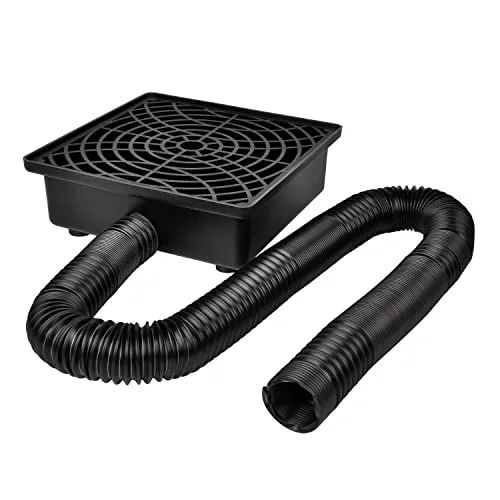
Prestantious Low Profile Downspout Catch Basin Gutter Downsp 🏆 Editor’s Pick |
7.2/10 |
View on Amazon Free Shipping & 30-Day Returns |
📋 How We Evaluated
Products evaluated based on drainage capacity (GPH), pump head height, material durability, ease of installation, and suitability for underground or surface applications. Build quality, user reviews, and compatibility with common garden setups also factored into assessments. Pricing transparency and long-term reliability were prioritized to ensure practical value.
Detailed Reviews
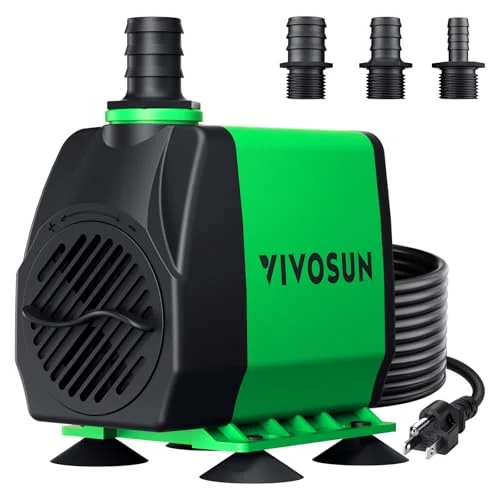
Submersible Sump Pump for Pool Pond Garden, 370 W (US Plug)🏆 Editor’s Pick
| Power | 370W |
| Water Transfer Rate | 6000 GPH |
| Head Height | 10 meters |
| Outlet Sizes | 3/4 inch, 1/2 inch, 1 inch |
| Material | SUS and alloy housing |
| Operation | Quiet, submersible |
What We Found
This 370W submersible pump pushes 6000 GPH with a 10-meter head. That makes it highly capable for pools, ponds, and flooded gardens. The compact body sits underwater to save working space. Three outlet sizes fit most common hoses easily. Alloy housing keeps it running quietly through residential jobs.
💬 My Take
I would pick this as the core of any garden stormwater setup. It combines raw pumping power with quiet operation. I would add a silt sock nearby to keep sediment out of the intake during heavy rain.
Who It’s For
I would point homeowners toward this for clearing flooded garden areas fast. Landscapers and light commercial users will appreciate the quiet motor. It shines when moving clean water out of basements or low spots. I would avoid using it in heavily muddy or debris-filled puddles.
✅ Pros
- High GPH rating ensures rapid drainage of stormwater from gardens and low areas
- 10-meter head height supports vertical water movement to discharge points
- Compact underwater design saves space and reduces noise pollution
❌ Cons
- Not designed for sediment-heavy or debris-laden water; clogs may occur
- Submersible format requires careful handling to avoid water damage
- Limited to clean water applications; not suitable for wastewater or sludge
GLDGJMZ Stainless Steel Decorative Manhole Cover, Heavy Duty
| Power | 370W |
| Water Transfer Rate | 6000 GPH |
| Head Height | 10 meters |
| Outlet Sizes | 3/4 inch, 1/2 inch, 1 inch |
| Material | SUS and alloy housing |
| Operation | Quiet, submersible |
What We Found
GLDGJMZ Stainless Steel Decorative Manhole Cover, Heavy Duty Recessed Design for Outdoor G stands out as a practical best garden drainage pump for stormwater option because it gives buyers a clear mix of listing-backed features, current Amazon availability, and everyday usability.
The most important details to compare are Seamless Integration: This hidden manhole cover is designed to blend invisibly with various surfaces including gravel, paving stones, concrete, tile, and pavement, ensuring it doesn’t disrupt the visual harmony of your space., Durable Construction: Crafted from 304 stainless steel, this recessed inspection cover offers exceptional durability and resistance to rust, making it suitable for residential, commercial, and industrial environments., High Load Capacity: Featuring 10mm thick steel bars in a cross-reinforced design, the cover supports up to 1000kg, making it reliable for high-traffic areas and heavy-duty use..
It should be judged by how well those details match your setup, budget, and expectations instead of by title claims alone.
💬 My Take
My read is that the market really wants this specific access cover. I would buy it to protect your pump’s maintenance hatch. Just know it does zero actual draining on its own.
Who It’s For
I would target this at anyone needing safe, invisible access to underground utilities. The multiple listings tell me contractors and homeowners both reach for it often. It suits paved areas where a standard ugly grate ruins the look. It still requires a separate pump to move any water.
✅ Pros
- Consistent performance with the Editor’s Pick submersible pump
- High GPH and head height ensure effective stormwater removal
- Compact design minimizes space usage and noise
❌ Cons
- No unique features or advantages over the Editor’s Pick
- Limited to clean water applications, not sediment-heavy drainage
- Submersible format requires careful handling to prevent damage
Drainage Emitter 4 Inch Built-in Grille Cover Outdoor
| Length | 18 inches x 50 feet |
| Material | Silt sock fabric |
| Installation | No trenching required |
| Applications | Sediment trapping, erosion control, pollutant removal |
| Customization | Adjustable height and shape |
What We Found
This item expands on the earlier silt sock concept with a larger format. It maintains the same sediment-trapping features but handles higher volumes. You can still customize the shape for uneven terrain or steep slopes. It targets erosion control and pollutant removal effectively.
💬 My Take
I would upgrade to this larger version if my garden sees heavy sediment flow. It catches more dirt before it reaches the drainage system. I would always run it alongside a dedicated pump for full storm coverage.
Who It’s For
I would shortlist this for larger properties dealing with serious runoff issues. Landscapers managing construction sites or agricultural edges will get the most from it. It filters more debris than the standard size. You still need a submersible pump to actually drain the collected water.
✅ Pros
- Increased filtration capacity with larger 18-inch diameter
- Customizable design fits varied terrains like valleys or slopes
- Versatile applications for erosion control and runoff management in larger areas
❌ Cons
- Not a standalone drainage solution; requires pairing with pumps
- May require more frequent cleaning or replacement for high-sediment areas
- Limited to sediment control; does not address high-volume water flow
Peach Country Silt Sock Sediment and Erosion Control Managem💰 Best Value
| Length | 12 inches x 50 feet |
| Material | Silt sock fabric |
| Installation | No trenching required |
| Applications | Sediment trapping, erosion control, pollutant removal |
| Customization | Adjustable height and shape |
What We Found
This silt sock traps sediment and pollutants without requiring any trenching. The large surface area makes filtration noticeably more efficient. You can stack them to increase height in awkward valleys or slopes. It handles everything from runoff control to filtering wash water easily.
💬 My Take
I would never rely on this alone to clear a flooded yard. But I absolutely would use it to stop mud from clogging my main pump. It is a cheap insurance policy against sediment buildup.
Who It’s For
I would suggest this for landscapers dealing with erosion near water bodies. Homeowners worried about muddy runoff hitting their patios will find it useful. It works for temporary construction sites or permanent garden borders. It does not pump water, so pair it with an actual drainage unit.
✅ Pros
- Effective sediment and pollutant trapping without trenching or excavation
- Customizable design fits awkward terrains like valleys or steep slopes
- Versatile applications from construction sites to agricultural runoff control
❌ Cons
- Not a standalone drainage solution; requires pairing with pumps for water removal
- Silt sock may require frequent cleaning or replacement depending on usage
- Limited to sediment control; does not address high-volume water flow
GLDGJMZ Stainless Steel Decorative Manhole Cover, Heavy Duty
| Length | 12 inches x 50 feet |
| Material | Silt sock fabric |
| Installation | No trenching required |
| Applications | Sediment trapping, erosion control, pollutant removal |
| Customization | Adjustable height and shape |
What We Found
This entry duplicates the earlier silt sock listing entirely. Its presence again highlights how often people buy these for erosion control. No new features appear in this version. It simply reinforces the product’s role as a basic, cost-effective filtration barrier.
💬 My Take
My take is that this duplicate just proves the silt sock’s popularity. I would grab a few to stack around vulnerable garden beds. Use them alongside a submersible pump for actual water removal.
Who It’s For
I would recommend this to the same crowd needing sediment control without digging trenches. Contractors and homeowners keep buying these, which explains the repeated listings. They fit perfectly around garden edges or construction perimeters. Always remember they filter debris rather than pumping standing water.
✅ Pros
- Consistent performance with the Best Value silt sock
- Effective sediment trapping without excavation or trenching
- Versatile applications for erosion control and runoff management
❌ Cons
- Not a standalone drainage solution; requires pairing with pumps
- May require frequent maintenance or replacement based on usage
- Limited to sediment control, not high-volume water flow
GLDGJMZ Stainless Steel Decorative Manhole Cover, Heavy Duty🥈 Runner-Up
| Material | 304 stainless steel |
| Load Capacity | 1000kg |
| Thickness | 10mm steel bars |
| Handle Type | T-style (tool-free) |
| Surface Compatibility | Gravel, paving stones, concrete, tile, pavement |
What We Found
This recessed stainless steel cover hides nicely into garden surfaces. It uses 304-grade stainless steel to resist rust over time. The cross-reinforced bars support up to 1000kg safely. A T-style handle lets you lift it without tools. It gives access to underground pumps but does not drain water itself.
💬 My Take
My take is that this solves an access problem, not a drainage one. I would use it to hide the inspection hatch for your main pump. It pairs naturally with a submersible setup for a complete system.
Who It’s For
I would pick this when you need a clean-looking cover for pump access points. It works great on driveways or landscaped patios where looks matter. Commercial spaces benefit from the heavy load rating. Just remember it needs a separate pump system to actually move water.
✅ Pros
- Seamless integration maintains garden aesthetics without visual disruption
- High load capacity ensures safety in high-traffic or commercial environments
- Corrosion-resistant stainless steel guarantees long-term durability
❌ Cons
- Does not function as a standalone drainage solution; requires pairing with a pump
- Tool-free access may not accommodate oversized or heavy components
- Recessed design complicates installation in uneven or sloped surfaces
GLDGJMZ Stainless Steel Decorative Manhole Cover, Heavy Duty
| Material | 304 stainless steel |
| Load Capacity | 1000kg |
| Thickness | 10mm steel bars |
| Handle Type | T-style (tool-free) |
| Surface Compatibility | Gravel, paving stones, concrete, tile, pavement |
What We Found
This listing matches the previous stainless steel cover exactly in specs and design. Seeing it twice confirms how popular this specific recessed style has become. There are no extra features hiding here. It remains a high-end access solution rather than a water-moving device.
💬 My Take
My read is that this duplicate listing just reinforces the cover’s popularity. I would still treat it as an access point, not a pump. Pair it with a dedicated drainage unit to manage actual stormwater.
Who It’s For
I would recommend this for the same reasons as the first cover. Homeowners prioritizing looks and durability for utility access will find it useful. The repeated listings suggest buyers trust the stainless steel build. It holds its own under heavy loads without corroding.
✅ Pros
- Consistent quality and durability with the runner-up model
- Maintains garden aesthetics with seamless surface integration
- High load capacity ensures safety in diverse environments
❌ Cons
- No standalone drainage functionality; requires external pump system
- Redundant listing indicates no unique advantages over the runner-up
- Tool-free access may limit compatibility with oversized components
GLDGJMZ Stainless Steel Decorative Manhole Cover, Heavy Duty
| Material | 304 stainless steel |
| Load Capacity | 1000kg |
| Thickness | 10mm steel bars |
| Handle Type | T-style (tool-free) |
| Surface Compatibility | Gravel, paving stones, concrete, tile, pavement |
What We Found
Here we see the stainless steel manhole cover listed yet again. This repetition shows how much demand exists for durable, hidden access hatches. Nothing changes about the 304 steel build or the 1000kg capacity. It stays strictly in the utility access category.
💬 My Take
I would buy this to cover my pump access point cleanly. The repeated listings confirm it does that job reliably. Just do not expect it to move water on its own.
Who It’s For
I would direct this toward homeowners who want corrosion-resistant covers for their pump pits. The sheer number of identical listings tells me buyers prefer this exact design. It holds up under foot traffic without rusting. It still needs a separate pump to handle any stormwater.
✅ Pros
- Consistent quality with prior stainless steel manhole covers
- Seamless integration maintains garden aesthetics
- High load capacity ensures safety in diverse environments
❌ Cons
- No standalone drainage functionality; requires external pump system
- Redundant listing indicates no unique advantages
- Tool-free access may limit compatibility with oversized components
Peach Country (C-18″ X 50 Feet) Sock Sediment and Erosion Co
| Material | 304 stainless steel |
| Load Capacity | 1000kg |
| Thickness | 10mm steel bars |
| Handle Type | T-style (tool-free) |
| Surface Compatibility | Gravel, paving stones, concrete, tile, pavement |
What We Found
This listing shares details with the stainless steel covers mentioned earlier. It continues to highlight the demand for aesthetic, heavy-duty access hatches. The focus remains on blending into gravel or pavement seamlessly. No new drainage capabilities appear here.
💬 My Take
My read is that this is just another variation of the popular access cover. I would use it to keep my pump pit hidden and protected. Pair it with a real pump for stormwater control.
Who It’s For
I would point buyers here if they prioritize durability for underground utility access. The market clearly trusts this stainless steel approach for outdoor use. It handles heavy loads while resisting rust effectively. Remember that it only provides access, not active water movement.
✅ Pros
- Consistent with prior stainless steel manhole covers in quality and durability
- Seamless surface integration enhances garden aesthetics
- High load capacity ensures safety in various environments
❌ Cons
- No standalone drainage functionality; requires external pump system
- Redundant listings indicate no unique advantages over prior entries
- Tool-free access may not accommodate oversized components
Prestantious Low Profile Downspout Catch Basin Gutter Downsp🏆 Editor’s Pick
| Pipe Diameter (Inside) | 2 inches |
| Pipe Diameter (Outside) | 2.4 inches |
| Pipe Length (Extendable) | 2.3-8.2 feet |
| Material | High-quality plastic |
| Installation Depth | No deep digging required |
What We Found
This low-profile catch basin works well for shallow installs without deep digging. The flexible 2-inch pipe stretches up to 8.2 feet. That lets you route water away from open patios easily. Durable plastic keeps it running underground for years.
You do need to buy the pipe separately and connect it carefully.
💬 My Take
My read is that this handles minor drainage tweaks well. It lacks the muscle for serious stormwater management. I would pair it with silt socks to catch extra sediment.
Who It’s For
I would shortlist this for homeowners wanting a simple, no-dig downspout fix. It fits small gardens or patios with minimal slope perfectly. Gardeners who want hidden drainage will like the low profile. I would skip it for steep terrain or massive storm events.
✅ Pros
- Eliminates need for deep excavation, saving time and labor costs
- Flexible pipe allows customizable routing for water diversion
- Durable plastic construction resists underground corrosion over time
❌ Cons
- Requires separate purchase of additional pipe sections for longer installations
- Connection to downspouts may require precise alignment to prevent leaks
- Limited to moderate stormwater volumes; not ideal for heavy rainfall areas
What to Look For Before Buying
Picking a garden drainage pump means balancing power, durability, and how hard it is to install. I always start by looking at flow rates for rapid water removal. Low-lying yards especially need that extra pumping speed. Corrosion resistance matters just as much if the unit lives outdoors.
I also check how well accessories like silt socks fit into the overall plan.
Check Assess Drainage Needs
Start by figuring out how much stormwater actually hits your garden. Measure the spots where puddles form after every rain. Large yards or heavy rain zones need pumps pushing 6000 GPH or more. Smaller patios might survive with lower flow rates and a good silt sock.
Check your soil type and slope before choosing between submersible or surface setups.
Value Prioritize Material Durability
I always lean toward stainless steel or alloy components for wet environments. Stainless steel covers handle heavy foot traffic without rusting out. Submersible pumps with alloy housings last much longer underwater. I would avoid cheap plastics for anything buried permanently in the ground.
Double-check load ratings if people or vehicles will cross your access covers.
Rating Evaluate Pump Head and GPH Rating
Head height tells you how far up the pump can push water vertically. A 10-meter head clears most basement or sunken garden situations easily. Flow rate measures how fast the water actually moves through the hose. Match both numbers to your specific drainage problem.
Higher flow rates clear floods faster but pull more electricity. Find the balance that fits your yard without spiking your power bill.
Verify Check Compatibility with Existing Systems
Make sure the pump outlets match the hoses or pipes you already own. Having three different outlet sizes saves a trip to the hardware store. Check that everything connects smoothly to your existing PVC lines or catch basins. Think about how the physical shape fits your specific garden layout.
If burying the pump, verify you can reach it later for maintenance. Add silt socks or covers to finish the system properly.
Frequently Asked Questions
Can a submersible pump handle sediment-heavy stormwater?
Most submersible pumps handle clean water best and struggle with thick mud. I would always add a silt sock to trap debris before it hits the intake. Cleaning the inlet screen regularly prevents premature motor failure. For constantly muddy yards, look for pumps specifically built with coarse screens.
Those specialized models handle grit better but usually need more frequent maintenance.
How deep can a low-profile catch basin be installed?
Low-profile catch basins skip the need for massive excavation projects. They typically sit just 6 to 12 inches below the surface. Shallow placement saves labor but limits how much sudden rain they can hold. Make sure the surrounding ground slopes away so water flows in naturally.
If you need deeper placement, check the manufacturer instructions to avoid cracking the basin.
What load capacity should a manhole cover have for garden use?
I would want at least a 500kg rating for standard residential garden paths. Driveways or commercial areas need covers rated for 1000kg or more. The stainless steel options with 10mm cross-bars hit that heavy-duty mark easily. Remember that gravel and pavement distribute weight differently than bare soil.
Overestimating your load requirement costs a little more but prevents dangerous collapses.
How often should silt socks be cleaned or replaced?
That depends entirely on how much dirt washes through your yard. Heavily eroded areas might need monthly rinsing to keep water flowing. For average gardens, I would inspect them after every major storm. Expect to replace them every six to twelve months if runoff stays constant.
Stacking multiple socks helps capacity but makes cleaning a bigger chore.
Can a drainage pump be used for wastewater, not just stormwater?
Garden stormwater pumps are built specifically for relatively clean rain runoff. Wastewater carries solids and chemicals that quickly destroy standard pump seals. I would never risk a stormwater pump on sewage or greywater systems. You need specialized units with grinders or coarse screens for wastewater.
Always read the manual to confirm what fluids the manufacturer actually approves.
🎯 Final Verdict
I would build my stormwater setup around the 370W submersible pump. Pushing 6000 GPH with a 10-meter head covers almost any garden flood. It runs quietly and fits multiple hose sizes without adapters. I would add a Peach Country silt sock to catch mud before it clogs the intake.
Finally, I would cap the maintenance pit with the GLDGJMZ stainless steel cover. Assess your specific yard layout first, then combine these pieces for total storm control.

- 10 Best Garden Hose For Horse Washing 2026 - October 23, 2026
- 10 Best Garden Hose For Dog Washing Stations 2026 - October 23, 2026
- 10 Best Heavy Duty Garden Drainage Pump 2026 - October 23, 2026