10 Best Garden Irrigation Pump For River Water 2026
Choosing the best garden irrigation pump for river water requires more than comparing horsepower. Mud, debris, elevation, and long hose runs can quickly expose weak suction systems.
A suitable pump needs dependable priming, useful head pressure, manageable fuel use, and construction that tolerates outdoor work. Electrical compatibility also matters when comparing gasoline, diesel, and submersible models.
⚡ Quick Verdict
List of Best Garden Irrigation Pump For River Water
| Image | Product | Score | Link |
|---|---|---|---|
 |
FXEIPOL Gas-Powered Water Pump 2 Inch, 4 Stroke 212cc Water 🏆 Editor’s Pick |
9.1/10 |
View on Amazon Free Shipping & 30-Day Returns |
 |
7.5HP Gasoline Trash Pump, 212cc 4 Stroke Engine Gas Water P 💰 Best Value |
8.7/10 |
View on Amazon Free Shipping & 30-Day Returns |
 |
Diesel Water Pump, 3-inch 4 Stroke 196CC Diesel Engine Water 🥈 Runner-Up |
8.5/10 |
View on Amazon Free Shipping & 30-Day Returns |
 |
3 Inch Diesel Engine Water Pump 196CC 4 Cycle 168F Engine Di | 8.2/10 |
View on Amazon Free Shipping & 30-Day Returns |
 |
SHYLIYU Submersible Pumps 3″ OD Pipe 110V/60HZ 0.75KW 1HP St 👑 Premium Pick |
8.1/10 |
View on Amazon Free Shipping & 30-Day Returns |
 |
196CC Trash Pump 3 inch, 2300W 4-Cycle Diesel-powered Engine | 8.0/10 |
View on Amazon Free Shipping & 30-Day Returns |
 |
Diesel Engine Water Pump, 2-inch 131.23ft ³/h 85ft Lift, 23f | 7.8/10 |
View on Amazon Free Shipping & 30-Day Returns |
 |
LFGUD 0.75HP Deep Well Pump, 220V/60Hz, 4.8GPM, 206ft Head S | 7.6/10 |
View on Amazon Free Shipping & 30-Day Returns |
 |
Submersible Well Pump, 0.5HP 110V 16GPM 157ft Lift, Stainles | 7.4/10 |
View on Amazon Free Shipping & 30-Day Returns |
 |
Red Lion RJS-50-PREM 115/230V, 1 HP, 12 GPM, Shallow Well Je | 6.8/10 |
View on Amazon Free Shipping & 30-Day Returns |
📋 How We Evaluated
Products were evaluated for build quality, claimed performance, portability, and suitability for river or pond irrigation. Value considerations included included accessories, operating practicality, and maintenance demands. Amazon rating signals were unavailable for every listing, so scores reflect specifications, feature completeness, and likely user suitability.
Detailed Reviews
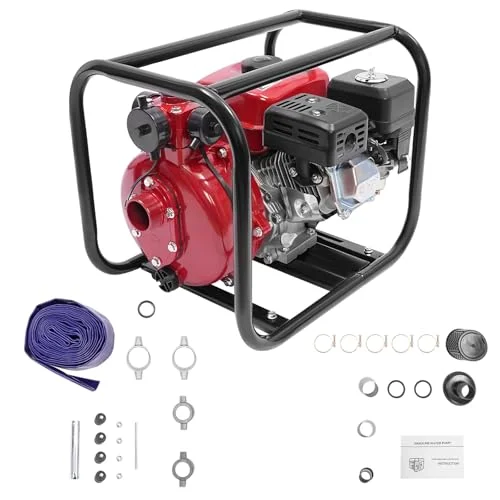
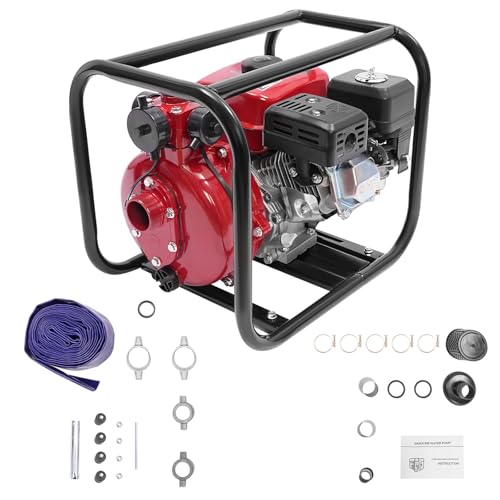
FXEIPOL Gas-Powered Water Pump 2 Inch, 4 Stroke 212cc Water 🏆 Editor’s Pick
| Engine | 212cc four-stroke gasoline engine |
| Rated Power | 7.5 HP, up to 4 kW peak |
| Maximum Head | 328.1 feet |
| Included Pipe | 24.6 feet |
What We Found
The FXEIPOL combines a 212cc four-stroke gasoline engine with a twin-impeller pump design. Its aluminum-alloy body uses die-casting and paint spraying for improved weather resistance. Claimed output reaches 1,659.79 cubic feet per hour, while maximum head reaches 328.1 feet.
Those figures make this model unusually ambitious for garden irrigation and challenging elevation changes. A high-precision carburetor reportedly improves fuel efficiency during extended transfer work. The low-oil protection system sounds an alarm before shutting the engine down. That feature helps prevent expensive damage during unattended or demanding operation.
The included 24.6-foot water pipe adds immediate utility. However, the listing provides no verified rating, price, or independent performance evidence.
💬 My Take
My read is that this is a strong choice for demanding jobs. I would verify the performance claims before relying on that head rating.
Who It’s For
This pump suits property owners who need strong water movement from rivers, ponds, or reservoirs without electrical service nearby. It can support lawn irrigation, agricultural watering, drainage, and emergency transfer tasks. The twin-impeller design may appeal to users facing long runs or substantial elevation.
Its gasoline engine requires fuel storage, oil checks, ventilation, and routine maintenance. Buyers should verify hose fittings and realistic flow at their required head. The included pipe improves initial value, especially for users building a complete transfer setup.
✅ Pros
- The twin-impeller design and high claimed head suit demanding river transfer applications.
- Low-oil shutdown protection adds an important safeguard during extended pumping sessions.
- The included water pipe reduces initial setup purchases.
❌ Cons
- The listing provides no price, customer rating, or independent flow verification.
- Gasoline operation creates noise, emissions, and regular maintenance requirements.
- The claimed performance may require ideal hose, priming, and elevation conditions.
7.5HP Gasoline Trash Pump, 212cc 4 Stroke Engine Gas Water P💰 Best Value
| Engine | 212cc four-stroke gasoline |
| Power | 7.5 HP |
| Maximum Head | 98.43 feet |
| Fuel Tank | 0.95 gallons |
What We Found
This gasoline trash pump uses a 212cc four-stroke engine rated at 7.5 horsepower and 3,600 rpm. The listing claims 918 cubic feet per hour, 22.97 feet of suction, and 98.43 feet of total head. A 0.95-gallon tank reportedly supports up to five hours of operation.
Aluminum, carbon steel, and cast iron components target outdoor durability. Two-inch inlet and outlet ports accept standard hoses. Anti-slip feet reduce vibration, while a built-in filter handles particles up to one-third inch. The recoil starter and throttle shutdown support straightforward operation.
Included hoses and hardware improve readiness, though claimed runtime and flow require real-world verification.
💬 My Take
This is the most balanced gasoline option for ordinary river irrigation. Its runtime, filter, and included accessories create strong practical value.
Who It’s For
This pump suits gardeners and small farms needing mobile river irrigation without electrical access. Its two-inch connections balance manageable hoses with useful transfer capacity. The long claimed runtime benefits repeated watering or remote plots. Users should still expect fuel storage, engine noise, and seasonal maintenance.
The debris filter helps, but river water still requires a suitable intake strainer. Buyers should confirm whether the included hose matches their required distance and pressure.
✅ Pros
- The claimed five-hour runtime supports longer irrigation sessions between refills.
- A built-in filter handles particles up to one-third inch.
- Included hose and hardware improve the package’s immediate usefulness.
❌ Cons
- Gasoline operation brings noise, exhaust, fuel handling, and maintenance.
- The claimed 918-cubic-foot-per-hour flow needs verification under load.
- The 98.43-foot head may fall with restrictive hoses or elevation.
Diesel Water Pump, 3-inch 4 Stroke 196CC Diesel Engine Water🥈 Runner-Up
| Engine | 196cc four-stroke diesel |
| Power | 2.3 kW |
| Flow Rate | Up to 40 m3/h |
| Suction and Lift | 22.97-foot suction, 85.3-foot total lift |
What We Found
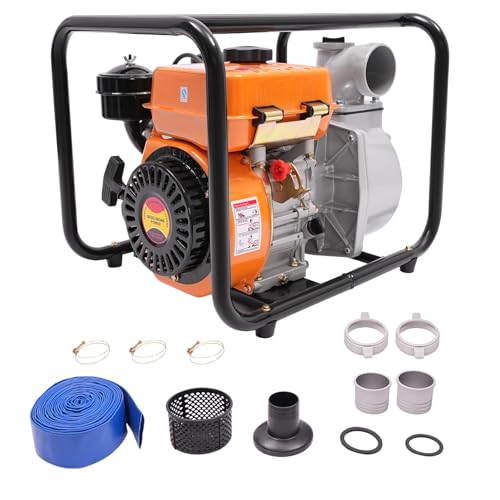
This orange diesel pump uses a 196cc four-stroke engine rated at 2.3 kW and 3,600 rpm. The listing claims 40 cubic meters per hour, 22.97 feet of suction, and 85.3 feet of total lift. A 1.06-gallon fuel tank reportedly supports two hours of operation.
Its three-inch plumbing favors high-volume transfer from rivers, ponds, and reservoirs. The included 24.61-foot pipe simplifies initial installation. Ventilation openings support engine cooling during longer sessions. Diesel power can offer useful torque for agricultural or drainage work, although startup, noise, and fuel handling remain considerations.
No customer rating or price appears in the supplied information, limiting certainty around value and reliability.
💬 My Take
This is a capable alternative for high-volume users. Its practical 85.3-foot lift looks more credible for ordinary garden irrigation than extreme headline figures.
Who It’s For
This model fits users who prioritize substantial water volume over compact garden convenience. Three-inch connections can move water efficiently across fields, drainage areas, and larger gardens. The two-hour claimed runtime supports focused irrigation sessions without constant refueling.
It makes less sense for small beds, quiet residential yards, or users without suitable diesel storage. Buyers should confirm discharge fittings and ensure the suction line remains properly sealed. The included pipe helps offset accessory costs for first-time pump buyers.
✅ Pros
- Three-inch plumbing supports high-volume river and pond transfer.
- The large fuel tank reportedly enables two hours of continuous operation.
- Included piping makes the package more useful immediately.
❌ Cons
- Diesel engines generally create more noise and vibration than electric alternatives.
- The listing does not identify a verified customer rating or current price.
- The two-hour runtime may feel limited during large irrigation projects.
3 Inch Diesel Engine Water Pump 196CC 4 Cycle 168F Engine Di
| Engine | 196cc four-cycle diesel |
| Flow Rate | Up to 40 m3/h |
| Maximum Lift | 85.3 feet |
| Dimensions | 20.28 x 15.55 x 16.73 inches |
What We Found
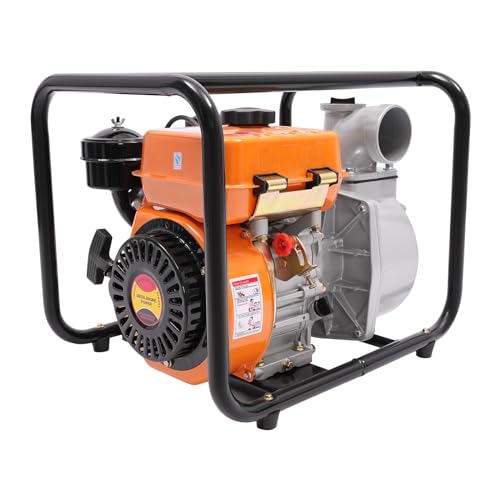
This three-inch diesel trash pump combines a 196cc four-cycle engine with a portable, aluminum-bodied design. The listing claims 2.3 kW, 3,600 rpm, 40 cubic meters per hour, 22.97 feet of suction, and 85.3 feet of lift. Its 1.06-gallon tank reportedly supports two hours of operation.
Multiple seals aim to reduce water leakage during transfer. A 24.61-foot pipe comes included, while the 20.28-by-15.55-by-16.73-inch body includes an integrated handle. The smooth exterior should simplify cleaning after muddy river work. Aluminum construction resists corrosion and deformation. However, the supplied information lacks independent ratings, price, and detailed debris-handling limits.
💬 My Take
This is the most practical diesel package among the closely related listings. Its portability adds value, though expected flow still requires verification.
Who It’s For
This pump is aimed at users moving water between rivers, ponds, pools, and larger garden areas. The handle and compact dimensions improve transport between storage and work locations. Three-inch plumbing can benefit drainage and field irrigation.
Its diesel engine suits locations without dependable power, but operation requires fuel, ventilation, and maintenance. The two-hour claim suits planned sessions more than all-day unattended work. Buyers should add a source strainer when river water contains leaves or grit.
✅ Pros
- The integrated handle and compact body support easier movement between work sites.
- Included piping improves convenience for immediate garden irrigation setup.
- Seals and aluminum construction address leakage and outdoor durability concerns.
❌ Cons
- The two-hour runtime may not cover extensive fields without refueling.
- Three-inch connections can require heavier hoses and more storage space.
- The listing lacks verified performance data and customer rating signals.
SHYLIYU Submersible Pumps 3″ OD Pipe 110V/60HZ 0.75KW 1HP St👑 Premium Pick
| Motor | 1 HP, 0.75 kW, 110 volts |
| Maximum Flow | 16 GPM or 3.6 m3/h |
| Cable Length | 98 feet |
| Outlet | 1 inch |
What We Found
SHYLIYU’s submersible pump uses a 1-horsepower, 110-volt motor and a stainless-steel body. It includes a 98-foot cable, a one-inch outlet, and an 18-impeller design. The listing claims 16 gallons per minute and a maximum head described as 116 or 380 feet. That conflicting head specification requires clarification before purchase.
The three-inch outer diameter fits wells measuring at least 3.5 inches. A built-in check valve supports vertical installation, although the description calls it unsealed. The pump can serve wells, canals, reservoirs, and rivers. It must never operate without water, and voltage compatibility needs confirmation.
💬 My Take
The long cable and stronger motor make this a compelling electric option. The conflicting head specification prevents a higher score.
Who It’s For
This model fits users needing a deeper electric installation with a long cable and substantial motor. The stainless body and compact profile suit permanent well or irrigation setups. It can work near homes because submerged operation limits surface noise. River users should add filtration and secure the pump against movement.
The contradictory head figures create planning risk for high-elevation irrigation. Confirm the actual performance curve and electrical requirements before installation.
✅ Pros
- The 98-foot cable supports deeper installations than several competing electric models.
- A stainless-steel body should resist corrosion in suitable water conditions.
- The 1-horsepower motor offers useful capacity for irrigation systems.
❌ Cons
- The listing gives contradictory maximum-head figures requiring verification.
- The pump can suffer damage if operated without adequate water coverage.
- A one-inch outlet may restrict flow through long irrigation runs.
196CC Trash Pump 3 inch, 2300W 4-Cycle Diesel-powered Engine
| Engine | 196cc four-cycle diesel engine |
| Power | 2.3 kW |
| Flow Rate | Up to 40 m3/h |
| Included Pipe | 24.61 feet |
What We Found
This three-inch trash pump closely matches the second listing’s core specifications. It uses a 196cc diesel engine producing 2.3 kW at 3,600 rpm. Claimed flow reaches 40 cubic meters per hour, with 22.97 feet of suction and 85.3 feet of lift. The one-gallon-class tank reportedly runs for approximately two hours.
Its included 24.61-foot pipe connects river or pond sources to garden areas without another immediate purchase. The product description emphasizes vegetable gardens, flower gardens, drainage, and general water lifting. Because the specifications closely duplicate another listing, differentiation is limited.
No price, customer rating, or detailed pump construction information accompanies the supplied data.
💬 My Take
This is a sensible high-volume workhorse, but its duplicated specifications make verification especially important. Choose it only after confirming support and fittings.
Who It’s For
This pump suits gardeners managing larger vegetable plots, flower beds, or field sections. Its three-inch transfer path favors fast filling, drainage, and storage-tank work. Diesel power helps users working away from electrical outlets. The package may provide reasonable practical value when the included pipe fits existing connections.
Smaller gardens may not use its capacity efficiently. Prospective buyers should inspect priming instructions, replacement parts availability, and hose compatibility before purchase.
✅ Pros
- High claimed flow can shorten filling and irrigation tasks.
- Three-inch connections accommodate larger transfer hoses.
- The included pipe supports flexible placement around gardens and fields.
❌ Cons
- The listing offers few differentiating details beyond shared specifications.
- A two-hour claimed runtime may require frequent refueling during extensive work.
- Diesel operation adds maintenance, storage, and ventilation demands.
Diesel Engine Water Pump, 2-inch 131.23ft ³/h 85ft Lift, 23f
| Engine | 196cc four-stroke diesel |
| Connection Size | 2 inches |
| Flow Rate | Up to 40 m3/h claimed |
| Fuel Tank | 1.06 gallons |
What We Found
This two-inch diesel pump emphasizes aluminum construction, heat dissipation, and portable irrigation use. Its 196cc four-stroke engine reportedly produces 2.3 kW at 3,600 rpm. Claimed flow reaches 40 cubic meters per hour, while suction and lift reach 22.97 and 85.3 feet.
The 1.06-gallon fuel tank reportedly supports two hours between refills. A 24.61-foot water pipe comes included. Two-inch plumbing may provide easier handling than three-inch alternatives, although the claimed flow deserves careful verification. The casing reportedly resists corrosion, wear, and deformation. Ventilation holes should help manage heat during longer runs.
No rating or price data supports the product’s real-world value.
💬 My Take
The compact diesel format is appealing, but the performance claims need scrutiny. It is promising for farms, rather than an automatic garden recommendation.
Who It’s For
This model suits farms and gardens needing diesel-powered transfer without especially large connections. Its two-inch format may work better where hoses must be carried frequently. The included pipe supports river, pond, reservoir, and pool applications. Users should expect diesel noise and periodic engine maintenance.
It may suit drainage jobs as well as irrigation, provided debris screening is adequate. Confirm whether the supplied pipe uses standard fittings before committing to installation.
✅ Pros
- Aluminum construction should reduce corrosion concerns during outdoor use.
- Two-inch plumbing offers a manageable compromise between flow and portability.
- The included pipe reduces setup complexity for new users.
❌ Cons
- The claimed flow appears aggressive for the stated engine and outlet size.
- Diesel maintenance can exceed the demands of a simple electric pump.
- No customer feedback or pricing information supports the purchase decision.
LFGUD 0.75HP Deep Well Pump, 220V/60Hz, 4.8GPM, 206ft Head S
| Motor | 0.5 HP, 0.37 kW, 220 volts |
| Maximum Flow | 4.8 GPM |
| Maximum Head | 206 feet |
| Cable Length | 49 feet |
What We Found
The LFGUD pump combines a stainless-steel body with a 0.5-horsepower, 220-volt motor. Its listing specifies a 2.6-inch diameter, a 0.75-inch outlet, 4.8 gallons per minute, and 206 feet of maximum head. A 49-foot cable supports deeper installations. The pump includes IP68 waterproofing, overheat protection, and a built-in check valve.
Stainless steel and mechanical seals aim to resist abrasion, corrosion, and leakage. It can draw from wells, reservoirs, canals, rivers, and open tanks. The narrow outlet and modest flow favor pressure-oriented delivery rather than rapid river transfer. Voltage compatibility requires special attention before ordering.
💬 My Take
This pump makes sense for pressure-focused installations, not high-volume river transfer. Its electrical requirements and low flow narrow the audience.
Who It’s For
This model suits homes, small irrigation systems, and users with compatible 220-volt service. Its 206-foot head can help overcome elevation, provided flow expectations remain modest. Overheat protection adds reassurance during demanding operation. The 2.6-inch body fits narrower wells than many larger pumps.
It is not ideal for quickly filling tanks or moving debris-heavy river water. Add intake protection and a secondary check valve where the installation requires stronger backflow control.
✅ Pros
- The 206-foot claimed head suits elevated irrigation with modest flow requirements.
- Overheat protection can reduce damage from blockages or abnormal operation.
- The narrow stainless body fits smaller wells and confined installations.
❌ Cons
- The 4.8-gallon-per-minute flow limits rapid irrigation and tank filling.
- The 220-volt requirement excludes many standard household outlets.
- River debris could overwhelm the pump without effective filtration.
Submersible Well Pump, 0.5HP 110V 16GPM 157ft Lift, Stainles
| Motor | 0.5 HP, 110 volts |
| Maximum Flow | 16 GPM |
| Maximum Lift | 157 feet |
| Cable Length | 49 feet |
What We Found
This 0.5-horsepower submersible well pump uses a stainless-steel body, a 110-volt motor, and a 49-foot cable. It claims 16 gallons per minute and a 157-foot maximum lift. The 3.85-inch diameter fits wells wider than 3.5 inches. Its submerged design reduces operating noise, with a claimed level below 65 decibels.
Precision bearings and a copper motor support the stated 3,420-rpm operating speed. The listing also mentions river, reservoir, canal, and drainage applications. However, this pump targets clean submerged water more naturally than debris-filled river intake. Installation requires suitable power, secure suspension, and protection from dry running.
💬 My Take
This is a quiet, compact choice for clean water sources. It should not be the default river pump without a robust intake filtration plan.
Who It’s For
This model suits property owners with a compatible well, canal, or clean intake point. Its narrow body and long cable help reach deeper water without a surface engine. Quiet operation benefits homes and gardens near living spaces. It is less suitable for muddy rivers unless the intake receives careful protection.
Users must confirm voltage, well diameter, cable routing, and discharge requirements. The electric motor avoids fuel handling, but it depends on reliable outdoor power and appropriate electrical protection.
✅ Pros
- Submerged operation reduces surface noise compared with gasoline or diesel pumps.
- The compact 3.85-inch diameter fits many wells above 3.5 inches.
- A 157-foot claimed lift supports deep-water applications.
❌ Cons
- The pump may clog or wear quickly with unfiltered river debris.
- Installation requires dependable 110-volt power and careful cable protection.
- The modest motor may deliver less flow at practical irrigation pressure.
Red Lion RJS-50-PREM 115/230V, 1 HP, 12 GPM, Shallow Well Je
| Pump Type | Shallow-well jet pump |
| Voltage | 115 or 230 volts |
| Maximum Flow | 12 GPM |
| Maximum Pressure | 65 PSI |
What We Found
The Red Lion RJS-50-PREM is a surface shallow-well jet pump with a cast-iron casing and volute. Its listing describes a selectable 115 or 230-volt motor, a 1.25-inch suction intake, and a one-inch discharge. Specifications conflict: the title says 1 horsepower, while the feature text says 0.5 horsepower.
It claims 12 gallons per minute, 150 feet of maximum head, and 65 psi maximum pressure. A preset 30/50 pressure switch and gauge support household water systems. The glass-filled thermoplastic impeller and diffuser should resist wear.
This pump is designed for wells down to 25 feet, making direct river use less straightforward.
💬 My Take
This is a capable shallow-well pressure pump, but it is a poor direct match for demanding river irrigation. The specification conflict further weakens confidence.
Who It’s For
This pump suits homeowners needing pressurized water from a shallow well or protected intake. The pressure switch and gauge make it more convenient for small-home or cottage plumbing. Cast iron adds durability but increases weight and corrosion considerations.
River users need a proper foot valve, strainer, priming arrangement, and sheltered installation. The shallow suction limit excludes deep sources and many riverbank layouts. Resolve the horsepower discrepancy before evaluating capacity or electrical loading.
✅ Pros
- The pressure switch and gauge support convenient household water delivery.
- Dual-voltage operation improves compatibility with existing electrical service.
- Cast iron construction should provide durable surface-pump support.
❌ Cons
- The shallow-well design is less convenient for direct river water intake.
- The listing conflicts over whether the motor produces 0.5 or 1 horsepower.
- Proper priming, foot valves, and strainers add installation complexity.
What to Look For Before Buying
Selecting a river irrigation pump starts with matching source conditions to pump design. Surface trash pumps handle open water more naturally than deep-well models. Electric units offer quieter operation, while gasoline and diesel engines provide mobility. Actual performance depends on suction distance, elevation, hose size, priming, and filtration.
Check Match Pump Type To River Conditions
Choose a surface trash pump when drawing directly from an open river. Use a submersible pump only when it can remain fully submerged and protected. River water often contains leaves, sand, and small debris. Install an appropriately sized intake strainer before the pump.
Avoid relying on a standard well pump for unfiltered, debris-heavy water.
Value Calculate Head, Distance, And Flow
Add vertical lift to the friction created by hose length and fittings. Larger hoses usually preserve more flow across long distances. Treat maximum head as a zero-flow limit, not a normal operating rate. Compare expected flow at the required head instead.
Select extra capacity when sprinklers, filters, or elevation will restrict delivery.
Rating Interpret Ratings And Claims Carefully
Customer ratings can reveal starting problems, leakage, and parts shortages. No rating data was supplied for these listings, so specification confidence remains limited. Look for independent flow tests and clear performance curves. Check whether horsepower, head, and flow figures agree mathematically.
Treat unusually high claims as verification points rather than guarantees.
Verify Confirm Power, Fuel, And Maintenance Needs
Verify voltage and frequency before purchasing an electric pump. Gasoline and diesel models need ventilation, fuel storage, oil service, and winterization. Confirm replacement seals, filters, spark plugs, and engine parts are available. Check included hose lengths and connection sizes against the installation.
Plan a secure, dry location for storage and servicing.
Frequently Asked Questions
What pump type works best for river irrigation?
A surface trash pump usually suits direct river irrigation best. It can tolerate more debris than a typical well pump. Install an intake strainer and keep the pump close to the water source. Choose gasoline or diesel power when grid electricity is unavailable.
Can a submersible well pump draw water from a river?
Well pumps are designed for clean water. If you use one in a river, you must protect it from silt, leaves, and sand.
How much pump head does a garden need?
Head is the sum of your vertical lift and hose friction. I would calculate this carefully to ensure you get enough water at the end.
Are gasoline pumps better than electric pumps for river water?
Gasoline pumps provide mobility and strong output without a nearby outlet. Electric pumps operate more quietly and usually require less routine engine maintenance. Gasoline models create exhaust, noise, and fuel-storage demands. The better choice depends on access, runtime, noise tolerance, and required flow.
What should a river pump intake include?
A river intake should include a strainer sized for the pump and hose. It should remain above sediment while staying submerged during operation. A foot valve can help maintain prime on suitable surface-pump systems. Inspect and clean the intake regularly when water carries leaves or sand.
🎯 Final Verdict
The FXEIPOL is the strongest overall choice because its gasoline engine, twin impellers, low-oil shutdown, and claimed high head suit demanding river irrigation. The 7.5-horsepower platform offers useful mobility where electricity is unavailable.
The 7.5HP gasoline pump at index nine provides a better-balanced alternative with longer claimed runtime and built-in debris filtering. Verify flow claims, fittings, and parts support before purchase. Choose the FXEIPOL after confirming your elevation and hose requirements.

- 10 Best Food Grade Garden Hose 2026 - October 27, 2026
- 10 Best Non Toxic Garden Hose 2026 - October 27, 2026
- 10 Best Phthalate Free Garden Hose 2026 - October 27, 2026